
Hangzhou Through the Eyes of Best Friends: A Journey of Serenity, Culture, and Unforgettable Memories
1. Arrival in the City of Lakes: First Impressions That Steal Your Heart
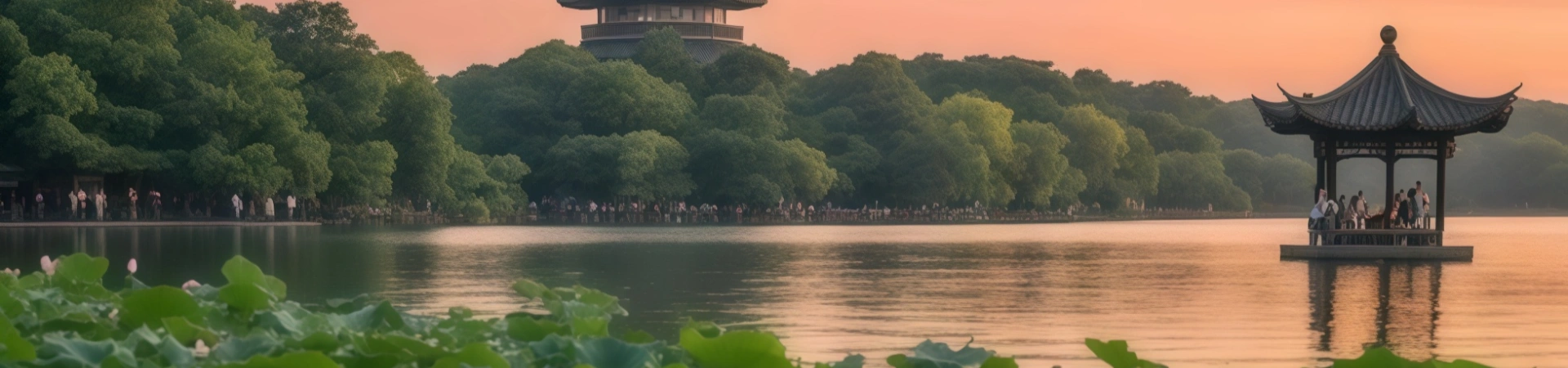
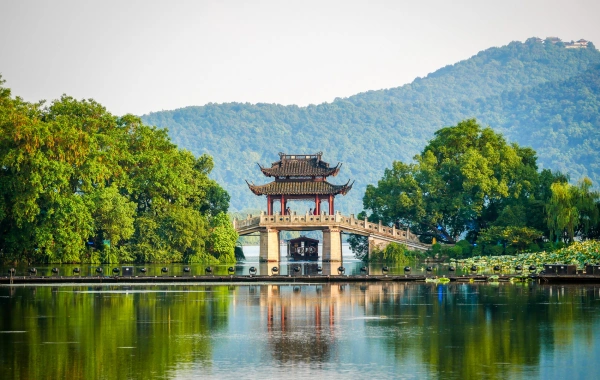
As we stepped off the high-speed train into Hangzhou East Station, the humid air carried a faint scent of lotus blossoms—a prelude to the enchantment ahead. Our first stop? West Lake, of course. "It’s like stepping into a Chinese watercolor painting," my friend Emma whispered, her camera already clicking away. The lake’s mirror-like surface reflected willow trees and pagodas, while rowboats glided silently, leaving ripples in their wake. Locals practiced Tai Chi by the shore, their movements as fluid as the water. We rented bicycles and pedaled along Su Causeway, laughing as we nearly crashed into a group of elderly dancers performing traditional fan routines. Hangzhou didn’t just welcome us; it wrapped us in a gentle embrace.
2. Tea Plantations and Timeless Traditions: A Sip of Hangzhou’s Soul
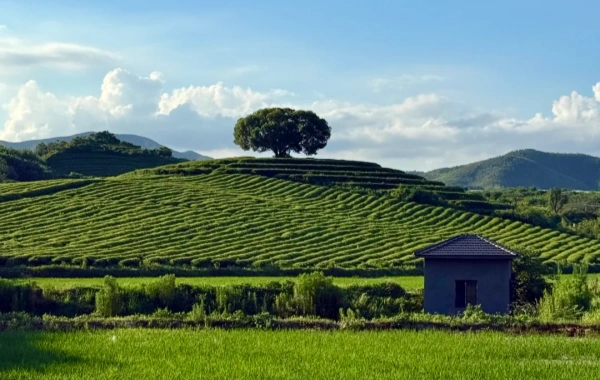
No trip to Hangzhou is complete without diving into its Tea Culture. We woke early the next day to hike Longjing Village, where terraced fields of Green Tea bushes stretched like emerald carpets. At a local farmhouse, Mr. Chen, a fourth-generation tea farmer, taught us to pan-fry Longjing leaves by hand. "The secret is patience," he said, grinning as we burned our first batch. Over steaming cups of dragon well tea, he shared stories of emperors who’d treasured this brew. As we sipped, the bitterness faded into a sweet aftertaste—much like our journey itself. "This tea tastes like history," Emma remarked. I nodded. In Hangzhou, even a cup of tea becomes a memory.
3. Lingyin Temple: Where Spirituality Meets Natural Beauty
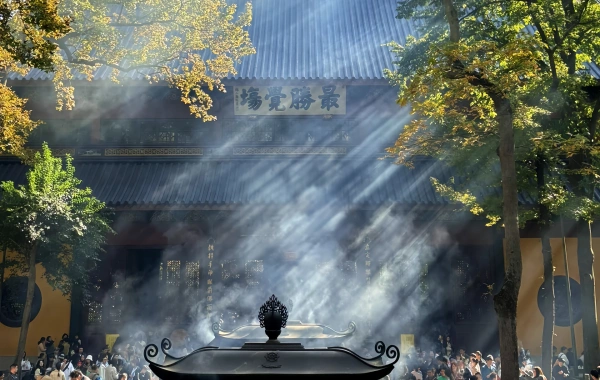
Our third day began with a hike up Feilai Feng (Flycoming Peak), its limestone cliffs dotted with ancient Buddhist carvings. At Lingyin Temple, the air buzzed with incense and the murmur of prayers. We wandered through halls of golden Buddhas, pausing at a courtyard where monks chanted in unison. "Look at the trees," Emma pointed. Giant cypresses, centuries old, towered above us, their roots intertwining like hands. A local monk smiled and said, "They’ve seen empires rise and fall. Yet they stand." In that moment, Hangzhou felt timeless—a city where nature and spirituality coexist in perfect harmony.
4. Hefang Street: A Feast for the Senses
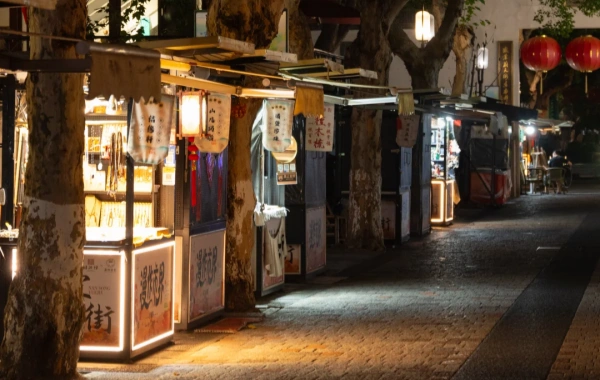
By evening, we’d traded serenity for sizzle. Hefang Street, a bustling pedestrian thoroughfare, dazzled with lanterns, silk stalls, and the aroma of street food. We devoured Dingsheng Cake (sweet glutinous rice) and xiao long bao (Soup Dumplings), our faces sticky with sugar. At a tiny shop, a craftsman carved our names into bamboo fans. "For luck," he said, winking. As we strolled, a group of musicians erupted into a lively erhu (two-stringed violin) performance. Emma grabbed my hand and spun me into an impromptu dance. "This is happiness," she laughed. Hangzhou, we realized, wasn’t just a place—it was a feeling.
5. Farewell, Hangzhou: Why We’ll Always Come Back
On our final morning, we sat by West Lake again, watching the sunrise paint the sky in hues of orange and pink. A fisherman cast his net into the water, his silhouette framed by mountains. "I never want to leave," Emma murmured. I squeezed her hand. Hangzhou had done what few cities manage: it had left us breathless, humbled, and utterly in love. From its tea-scented hills to its vibrant streets, this city invites you to slow down, savor, and remember.



Contact Us
What Our Clients Say?



Ask us before you decide.
Unsure about a route, departure date or room option? Tell us what is holding up your plans. You will get a clear answer from our China-based travel team—no booking required.