
Beijing Summer Palace 2026: Your Complete Guide to China's Most Breathtaking Royal Garden
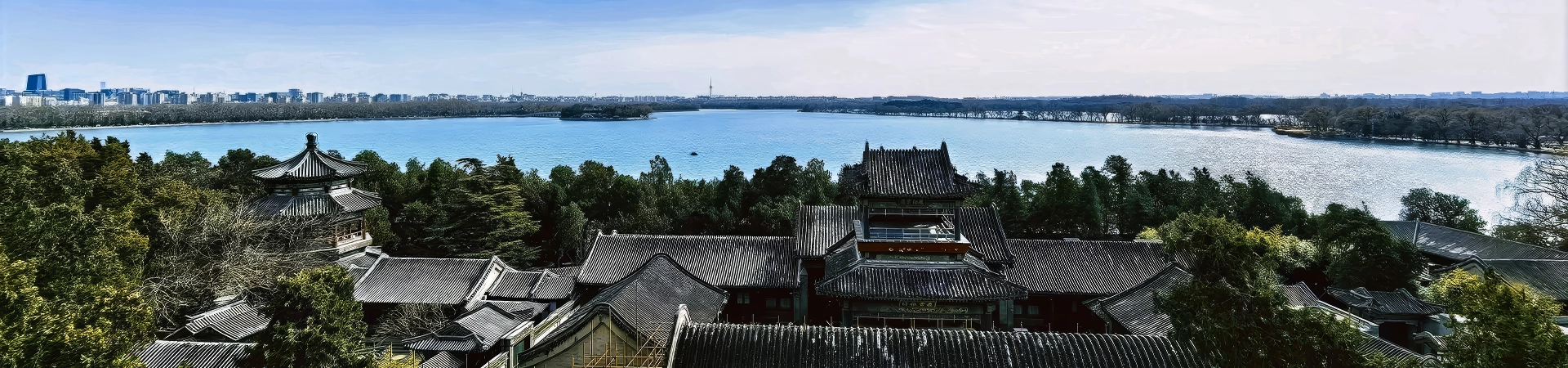
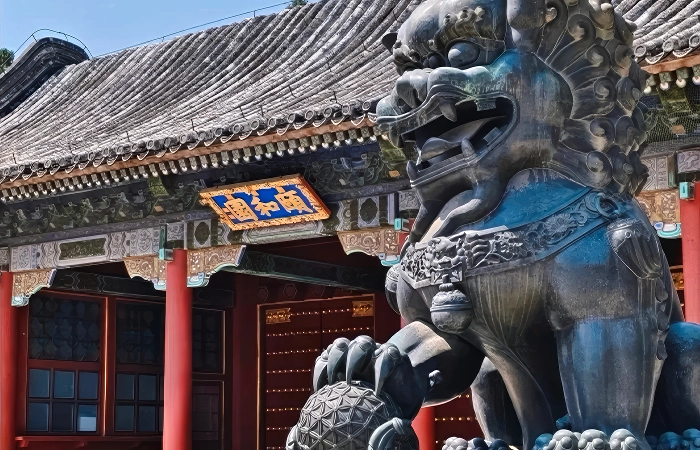
The Beijing Summer Palace is the largest and best-preserved royal garden in China, and if you're visiting Beijing in 2026, it needs to be on your list. Located in the Haidian District, about 15 kilometers from central Beijing, this UNESCO World Heritage Site blends natural scenery with imperial architecture in a way that still catches me off guard every single time I go. Whether you want to cruise Kunming Lake, walk the famous Long Corridor, or climb Longevity Hill for sweeping views, The Summer Palace has something real for every kind of traveler. Here's everything you need to know before you book your trip.
Why the Summer Palace Beijing Still Hits Different in 2026
I've visited the Summer Palace three times now, and each trip felt completely different. The first time, I rushed through like a tourist ticking off boxes. The second time, I slowed down and actually noticed the painted beams, the stone carvings, the way golden-hour light spills across the water. Now? I go just to sit by the lake and watch people pass by.
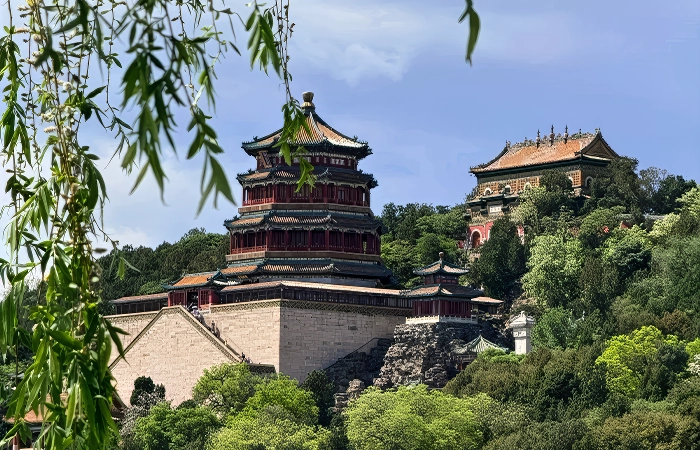
What makes this place special isn't just its scale. It's the balance. Kunming Lake covers roughly three-quarters of the entire park, and Longevity Hill rises up with the Tower of Buddhist Incense perched at the top like a crown. The Qing Dynasty designers knew exactly what they were doing — every bridge, every pavilion, every tree was placed with intention.
In 2026, the park has also upgraded its digital signage and rolled out a solid multi-language audio guide app. No more squinting at confusing paper maps. Honestly, it makes the whole experience smoother, especially if you're not fluent in Mandarin.
Beijing Summer Palace Tickets & Opening Hours: What Changed for 2026
Let's get the logistics out of the way first, because I learned this the hard way.
Ticket Prices (2026):
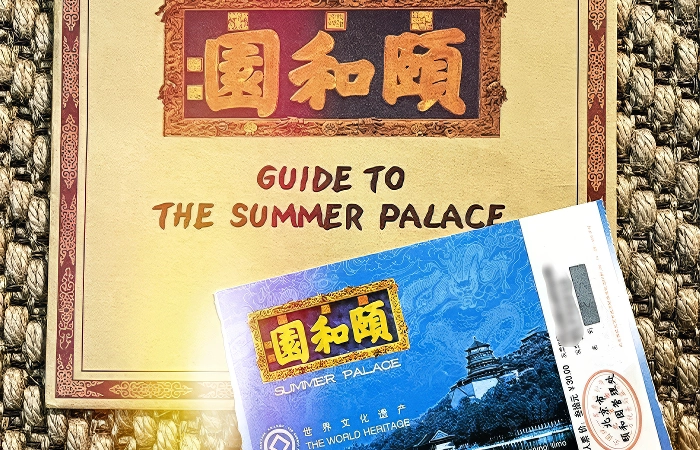
- Peak Season (April 1 – October 31): 30 RMB for gate entry, 60 RMB for the combo ticket that includes the Tower of Buddhist Incense, Suzhou Street, and the Dehe Garden opera stage.
- Low Season (November 1 – March 31): 20 RMB for gate entry, 50 RMB for the combo ticket.
Opening Hours:
- Peak Season: 6:00 AM – 8:00 PM (last entry at 7:00 PM)
- Low Season: 6:30 AM – 7:00 PM (last entry at 6:00 PM)
Local tip: Book your tickets online at least 2–3 days ahead during peak season. The park caps daily visitors, and I've watched people get turned away at the gate with no reservation. Use the official WeChat mini-program "颐和园" — it's the easiest route. You can also scan your passport directly at the gate. No paper tickets needed.
Top Things to Do at the Summer Palace in Beijing: My Honest Picks
There's so much here that you could spend a full day and still feel like you missed something. But after three visits, these are the spots that actually stayed with me.
The Long Corridor (长廊)
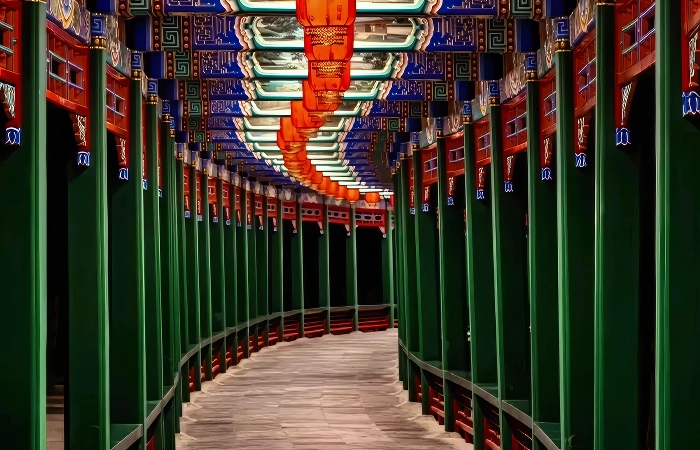
This is the longest painted corridor in the world — over 700 meters with more than 14,000 individual paintings. Most tourists speed through it, but here's a hidden trick: show up before 8 AM on a weekday, and you'll have it almost entirely to yourself. The morning light filtering through the windows hits those paintings in a way that genuinely feels magical.
Kunming Lake Boat Ride
Rent a boat and paddle out to the middle of the lake. I did this on my second visit, and that's the moment I fell in love with the place. From the water, you see the Tower of Buddhist Incense, the Seventeen-Arch Bridge, and the Western Hills all framed together. It looks exactly like a classical Chinese painting come to life. Electric boats run about 140 RMB/hour; the manually-paddled ones are around 80 RMB/hour.
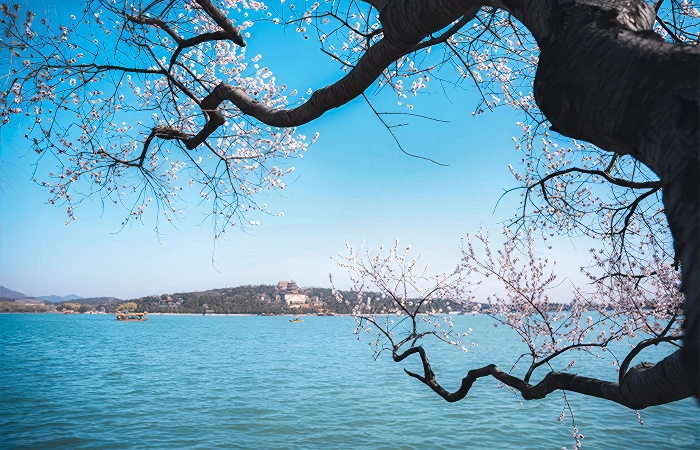
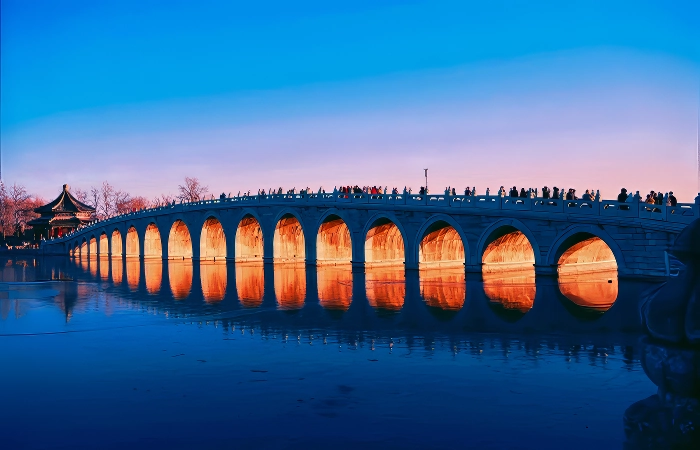
Seventeen-Arch Bridge (十七孔桥) — A Hidden Gem
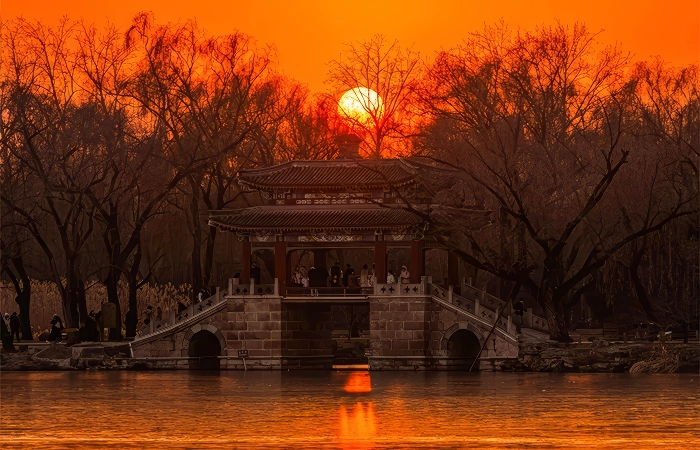
Most guidebooks barely mention this, but it's my favorite spot in the entire park. Located at the southern end of the lake, this bridge has 17 arches and looks absolutely stunning in late afternoon light. The sun sets right behind it, and the golden glow on the white stone is the kind of thing you remember for years. I found this spot by accident on my first trip. Now it's my go-to every single time.
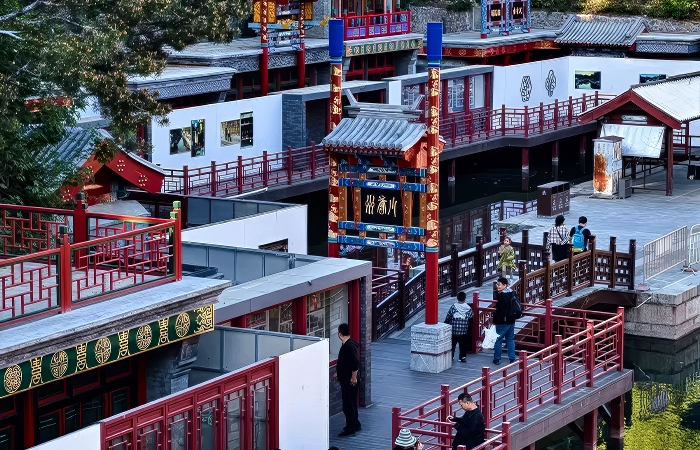
Suzhou Street (苏州街)
Built to mimic the water towns south of the Yangtze River, this is a quirky little lane where performers in Qing Dynasty costumes reenact scenes of daily life. It's touristy, sure, but I find it genuinely fun. Grab a bowl of ice cream from one of the stalls and just soak it in.
A Local's Guide to Making the Most of Your Beijing Summer Palace Visit
Getting there is straightforward. Take Subway Line 4 to Beigongmen Station (North Palace Gate) — it drops you right at the main entrance. Line 10 to Bagou Station works too, but it's a longer walk. If you want something more scenic, the Xijiao Light Rail goes straight to the west gate, and the ride itself is beautiful with tree-lined tracks.
When to go: Weekday mornings are your sweet spot. Weekends and holidays are packed — we're talking shoulder-to-shoulder on the Long Corridor. If you can only visit on a weekend, get there right at opening.
What to bring: Comfortable shoes are a must. This place covers 2.97 square kilometers — that's a lot of walking. Bring water, sunscreen, and a light jacket for spring or autumn. The wind off Kunming Lake gets cold fast.
Hidden spot I always go back to: There's a small garden area behind the Tower of Buddhist Incense that most visitors skip because they're focused on the main hill. It's quiet, shaded, and has some of the best rockeries in the entire park. I usually sit there for 20 minutes with my coffee and just breathe.
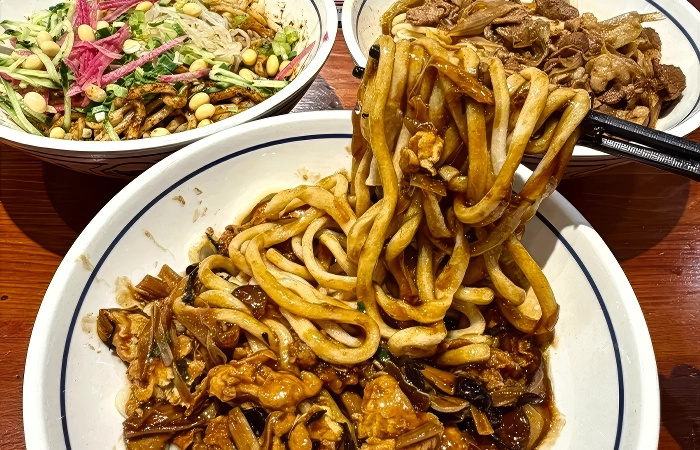
Food inside the park: There are a few restaurants near the East Gate, but the food is average and overpriced. My move? Grab a proper breakfast outside — there's a great noodle spot near Beigongmen Station — and bring snacks in. The park allows outside food, which most people don't know.
Final Thoughts: The Beijing Summer Palace Is Worth Every Minute
Look, Beijing has incredible sights everywhere — The Great Wall, the forbidden city, The Temple of Heaven. But the Summer Palace hits different. It's not about power or history lessons. It's about beauty. It's about a place where someone 200 years ago decided that a lake, a hill, and a few well-placed pavilions could make you forget the entire city exists.
In 2026, it's still just as stunning, maybe even more accessible with the new digital tools and better signage. Whether you're a first-timer or someone who's been to Beijing five times, the Summer Palace will give you something you didn't expect. Go early, take your time, and don't skip the boat ride. You'll thank me later.
Contact Us
What Our Clients Say?
Based on 10,000+ traveler reviews

Daniel Dorothea
Canada
Reviewed on April 29,2025
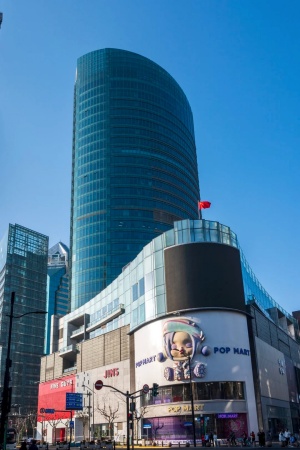
Shopping on Nanjing Road in Shanghai was just amazing! It's truly the "First Commercial Street of China", where tradition and modernity blend perfectly. You can find awesome souvenirs and experience the trendy vibes in cool stores. The neon lights at night are just spectacular, shining bright like Times Square in New York. The food here is incredible too. I had a feast for my taste buds. Shanghai, I'll definitely be back!
Destination(s):
Shanghai
Date of
Experience:
May 08,2024

Elvis Eva
Canada
Reviewed on June 20,2025
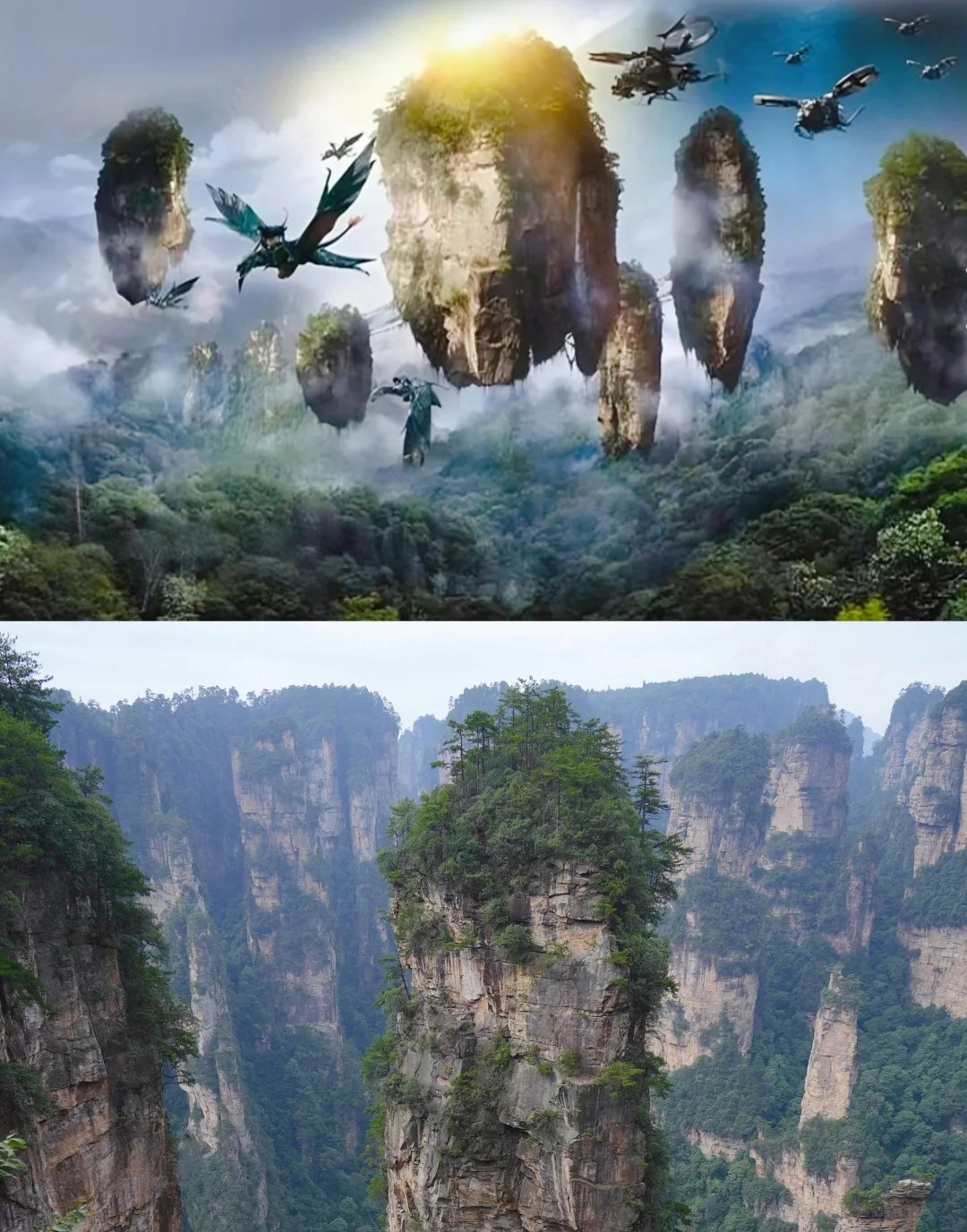
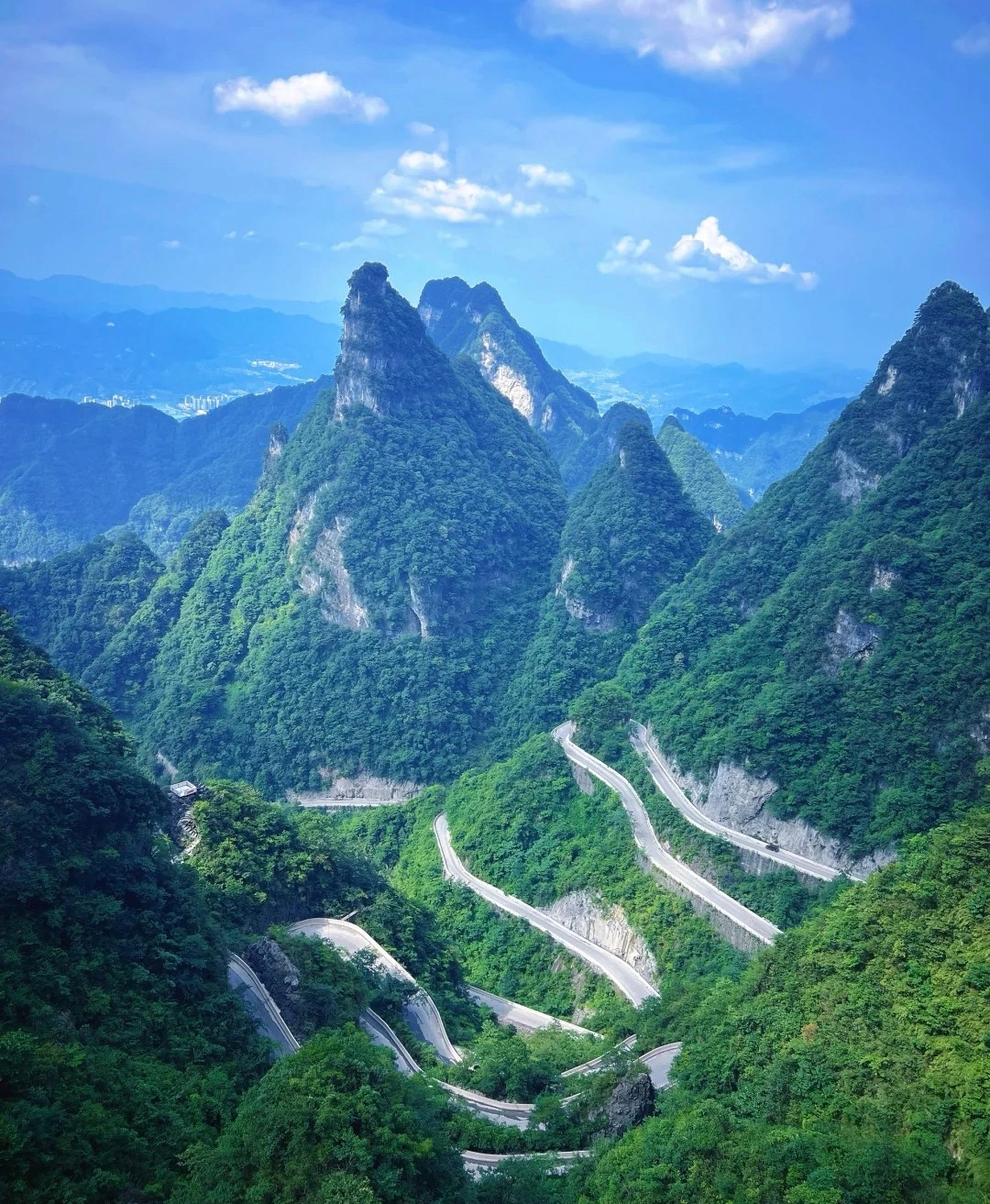
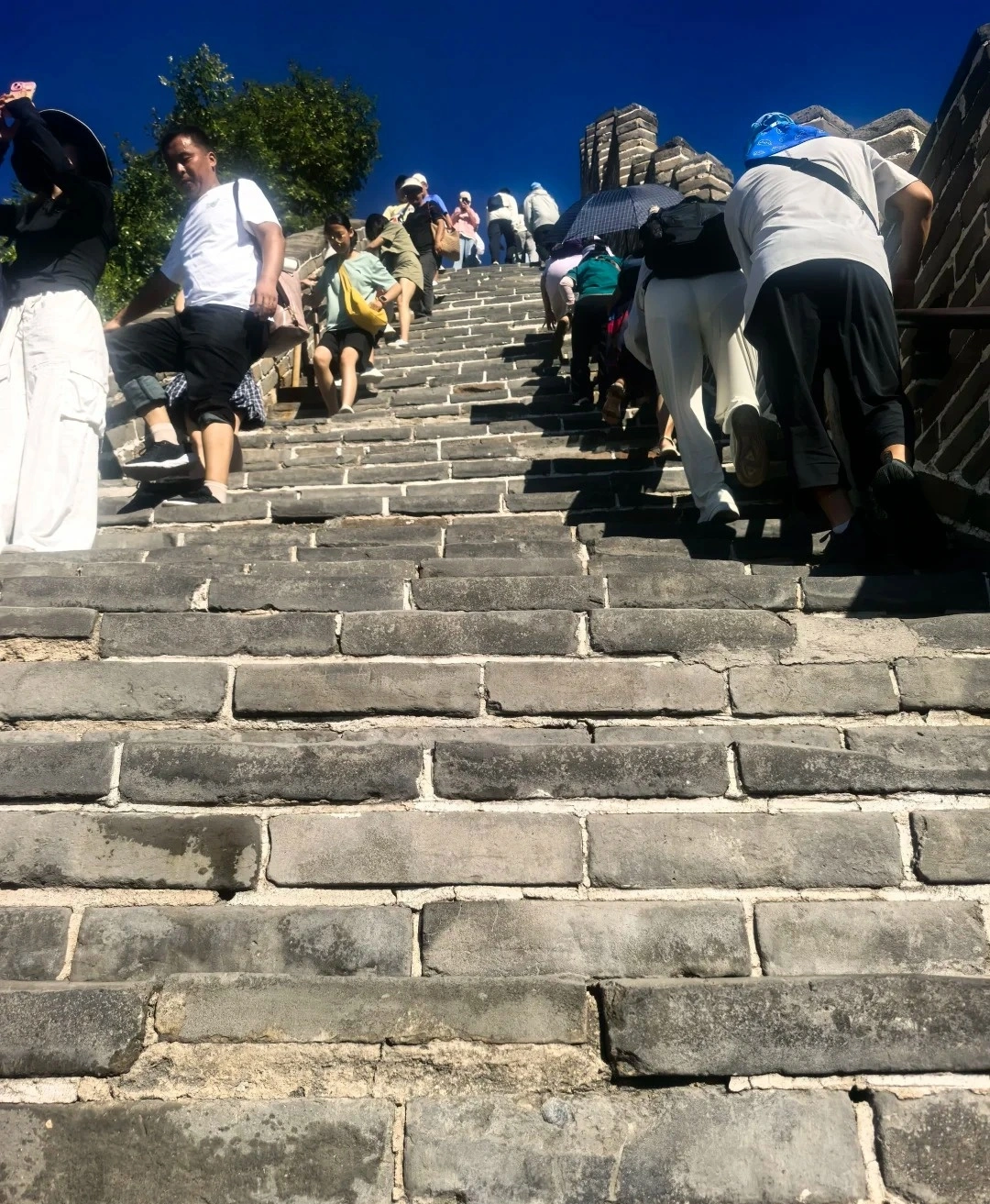
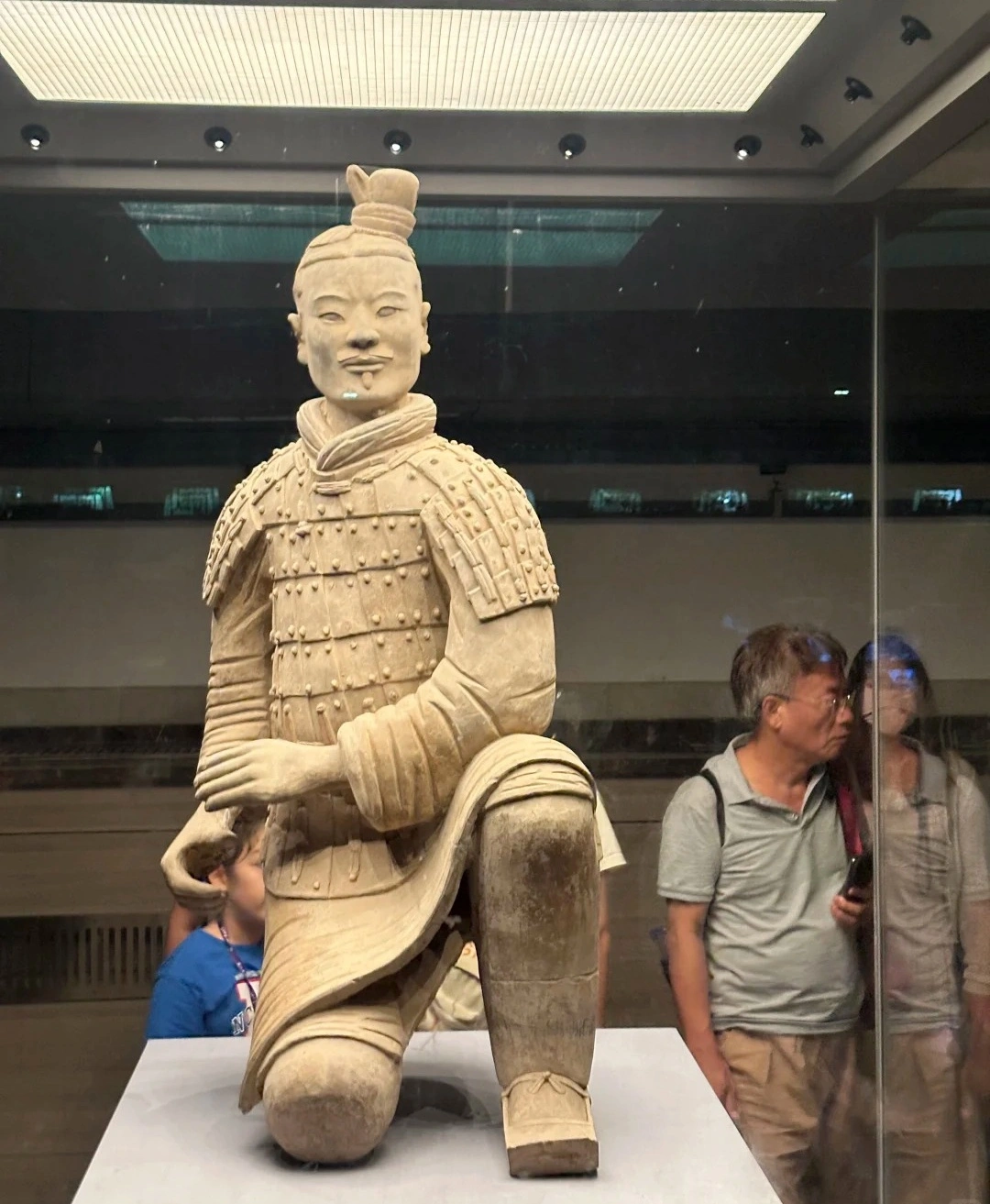
As a solo traveler from Canada, I was nervous about navigating China alone—but this 11-day tour was PERFECT! From hiking the Great Wall at sunrise (Day 3) to gasping at the Terracotta Army (Day 5), every day delivered ‘pinch-me’ moments. The real showstopper? Zhangjiajie’s Avatar Mountains (Day 7)! Our guide made the stone pillars come alive with stories.
Massive thanks for handling all logistics—bullet train tickets, entry passes, car! And the 4-star hotels surprised me.
Destination(s):
Beijing Xian Zhangjiajie Shanghai
Date of
Experience:
June 02,2025

Simon
America
Reviewed on May 29,2025
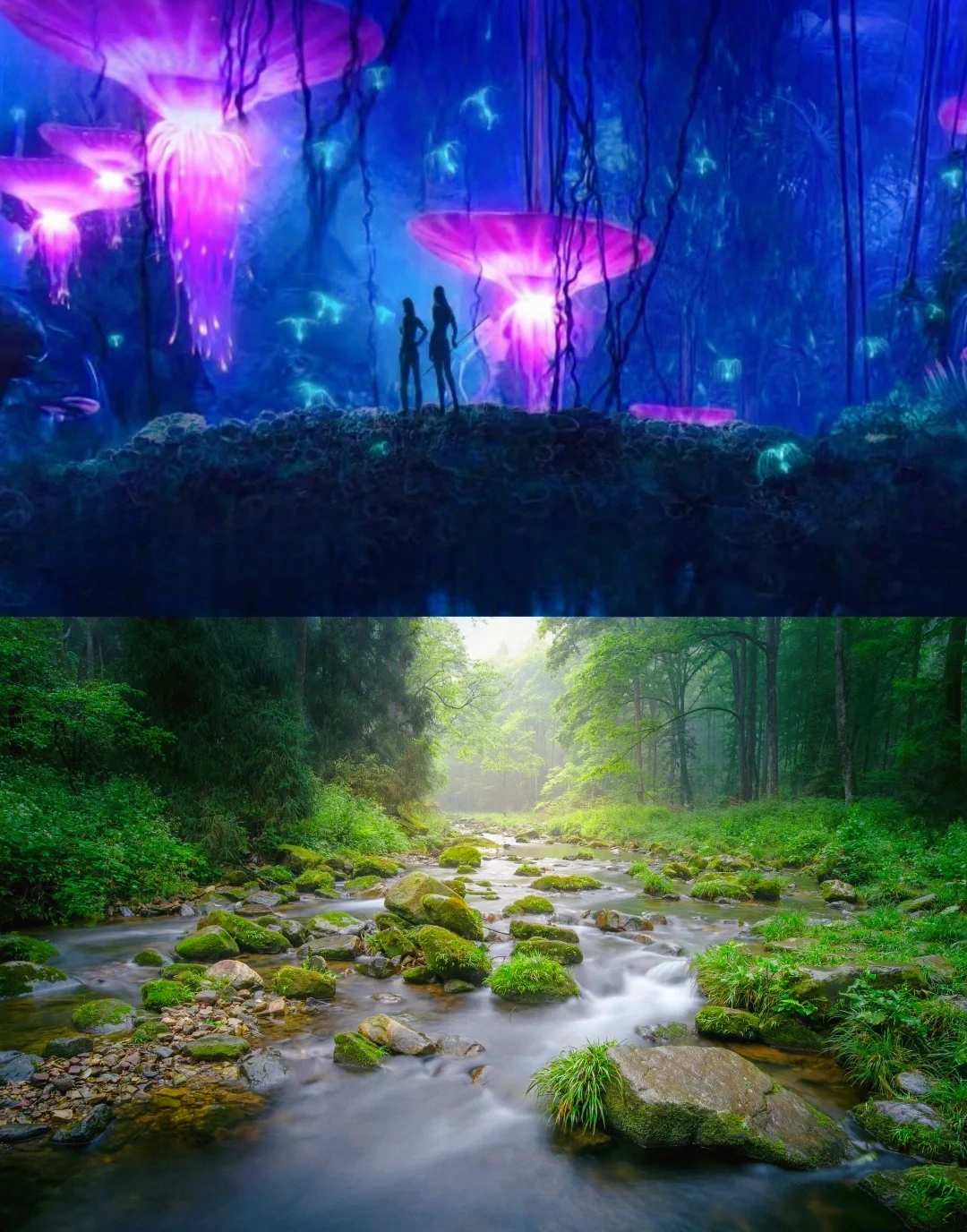
Our 2-day Zhangjiajie tour was beyond spectacular! As someone who’s visited Beijing and Shanghai for work, this trip revealed China’s wild, magical heart. Day 1 in Zhangjiajie National Forest Park felt like stepping onto Pandora—I’m a huge Avatar fan, and Yuanjiajie’s floating peaks left me breathless. The misty pillars and lush valleys like pure movie magic!
Then came Fenghuang Ancient Town, we eat dinner beside the thundering waterfall. It seems Unreal! The night views of stilt houses glowing over the river were straight from a fairy tale.
For fellow Avatar lovers and adventure seekers: Don’t miss this bucket-list experience! 10/10 would return.
A Well-Traveled Film Buff, May 2025
Destination(s):
Zhangjiajie
Date of
Experience:
May 08,2025