
Discover Xijiang Qianhu Miao Village: Guizhou's Breathtaking Cultural Heritage & Travel Guide
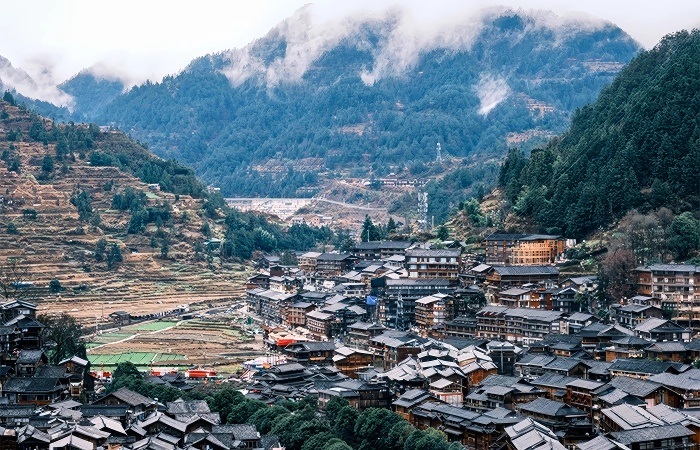
Xijiang Qianhu Miao Village, located in Leishan County, Guizhou Province, is the largest Miao ethnic settlement in China. Home to over 1,400 households, this ancient village sits on a hillside overlooking lush valleys and winding rivers. For travelers seeking authentic Chinese Ethnic Minority culture, breathtaking architecture, and a glimpse into traditional village life, Xijiang offers an unmatched experience. It is not just a tourist spot; it is a living museum of Miao history, where wooden stilt houses cling to the terrain like hidden gems waiting to be discovered. Whether you are a history buff, a photographer, or an adventurer, this destination promises a journey back in time.
The Architectural Marvel of Xijiang Qianhu Miao Village
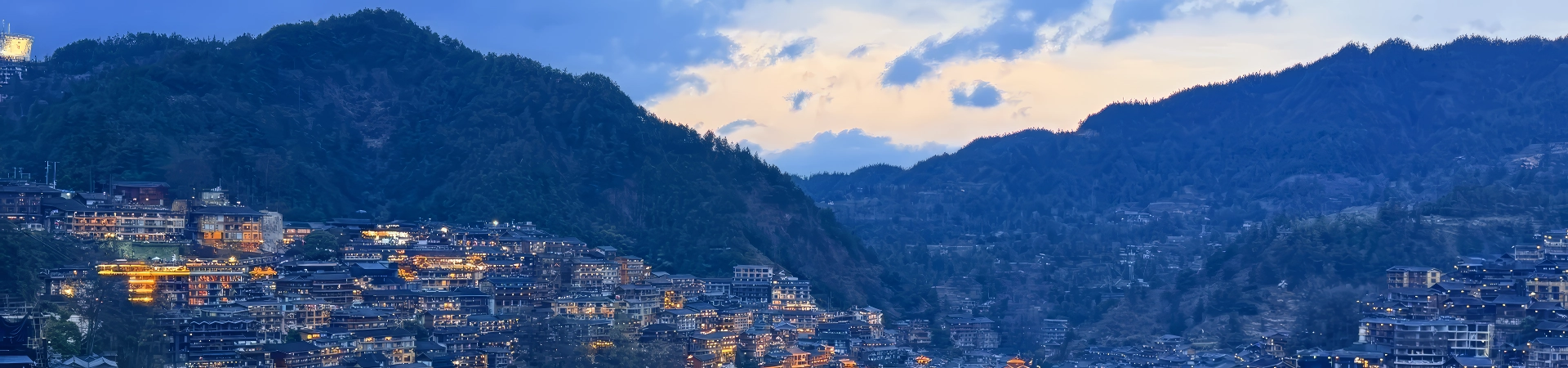
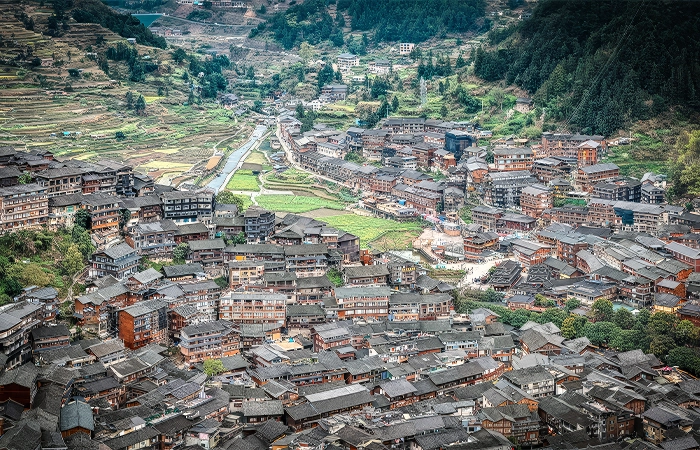
The village’s layout is a masterpiece of harmony with nature. Hundreds of wooden stilt houses (diaojiaolou) rise tier upon tier along the mountain slope, creating a stunning visual rhythm. These structures, built entirely without nails, use ancient wooden interlocking techniques that have withstood centuries of wind and rain. The dark brown timber contrasts beautifully with the green hills, making it a photographer’s paradise, especially at sunrise or sunset.
Walking through the narrow stone-paved alleys, you will encounter the Fengyu Bridge (Wind and Rain Bridge), a covered corridor that serves as a shelter and a social hub. Locals gather here to chat, weave embroidery, or simply enjoy the cool breeze. The bridge’s intricate wooden carvings depict Miao myths and daily life, telling stories without words. From the observation deck, the entire village looks like a golden tapestry woven into the mountainside, with smoke rising from cooking fires adding a touch of mystical realism.
Immersing in Miao Culture: Festivals, Songs, and Silver Ornaments
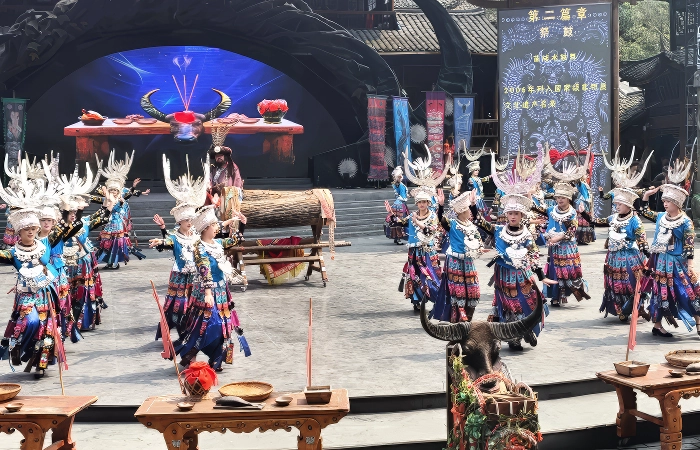
Culture here is not performed; it is lived. The Miao people are known for their vibrant traditional festivals, the most famous being the Miao New Year and the Sisters’ Meal Festival. During these times, the village erupts in color. Women wear elaborate silver headdresses and embroidered garments that can weigh up to 10 kilograms, a symbol of beauty and status. The silver ornaments are not just decoration; they are believed to ward off evil spirits and bring good fortune.
Music fills the air daily. The Lusheng Dance, performed to the rhythm of bamboo reed pipes, is a highlight. Young men and women play these instruments while dancing in circles, their movements mimicking the swaying of rice stalks. If you visit in the evening, you might hear ancient songs echoing across the valley—melodies that have been passed down orally for generations. The Miao are also masters of batik and embroidery; you can watch artisans create intricate patterns on fabric using beeswax and natural dyes.
Culinary Delights: Tasting the Flavors of Guizhou
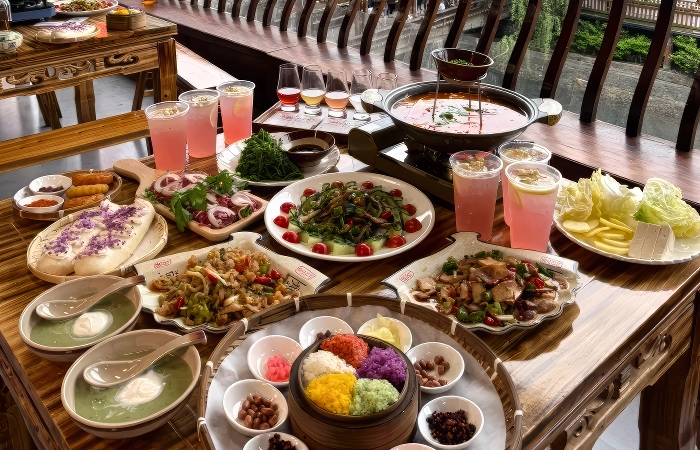
No visit to Xijiang Qianhu Miao Village is complete without trying the local cuisine. The region’s humid climate inspires bold, spicy flavors. Sour and spicy soups are a staple, with the most famous being Suan Tang Yu (Sour Soup Fish), made with fermented tomatoes, chili peppers, and fresh river fish. The tangy broth awakens the palate, while the tender fish melts in your mouth.
Another must-try is Mi Jiu (rice wine), a sweet, low-alcohol drink brewed by local families. It is often served during the Long Table Banquet, a communal meal where guests sit side by side on long wooden benches. As you eat, Miao girls in traditional dress will offer toasts and sing drinking songs. The atmosphere is warm and convivial, breaking down barriers between strangers. Even if you are not a heavy drinker, the hospitality will make you want to stay for one more cup.
Practical Tips for Visiting Xijiang Qianhu Miao Village
Located about 30 kilometers from Kaili City, the village is accessible by bus or private car. The best time to visit is spring or autumn when the weather is mild, and the rice terraces are either emerald green or golden yellow. Summer can be rainy, but the mist adds a romantic, ethereal quality to the mountains.
Accommodation options range from traditional guesthouses inside the village to modern hotels nearby. Staying in a wooden stilt house is highly recommended for the full experience, though be prepared for basic amenities and some noise from early-morning roosters. Entrance fees are reasonable, and English signs are becoming more common, though a translation app can be helpful.
Respect local customs: ask before taking photos of people, especially elders, and dress modestly when entering sacred areas. The village is commercialized compared to remote settlements, but it retains its soul. Venture past the main street to find quiet corners where grandmothers weave cloth and children play in the alleys—these moments offer the true essence of Guizhou travel.
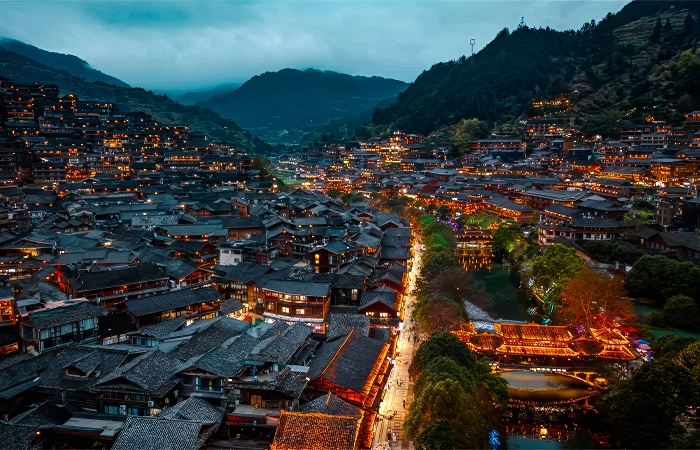
Xijiang Qianhu Miao Village is more than a destination; it is a sensory journey into the heart of China’s Ethnic Diversity. From its gravity-defying architecture to its pulsating cultural traditions, every corner tells a story of resilience and beauty. Whether you are marveling at the sea of lights at night, savoring the complex flavors of sour soup, or dancing to the Lusheng’s haunting tune, you are not just observing—you are participating in a legacy that has survived for millennia. For anyone planning a trip to Guizhou, this village is an essential stop that promises memories to last a lifetime.


Contact Us
What Our Clients Say?
Based on 10,000+ traveler reviews

Daniel Dorothea
Canada
Reviewed on April 29,2025
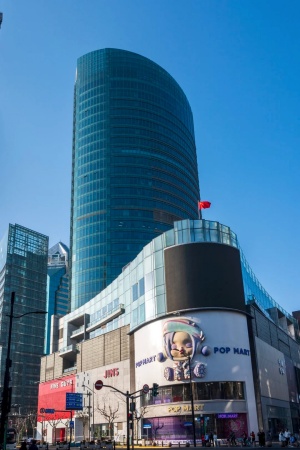
Shopping on Nanjing Road in Shanghai was just amazing! It's truly the "First Commercial Street of China", where tradition and modernity blend perfectly. You can find awesome souvenirs and experience the trendy vibes in cool stores. The neon lights at night are just spectacular, shining bright like Times Square in New York. The food here is incredible too. I had a feast for my taste buds. Shanghai, I'll definitely be back!
Destination(s):
Shanghai
Date of
Experience:
May 08,2024

Elvis Eva
Canada
Reviewed on June 20,2025
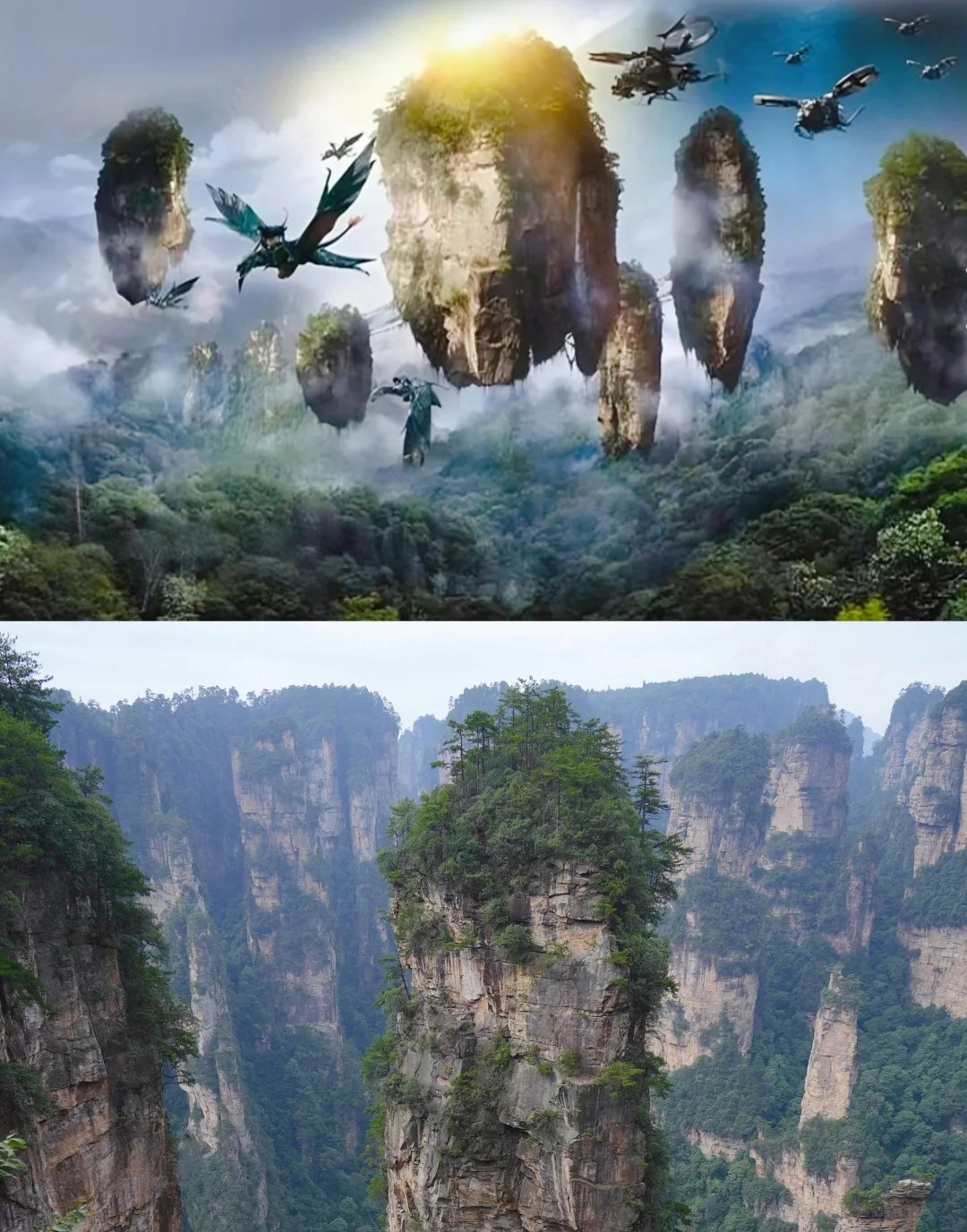
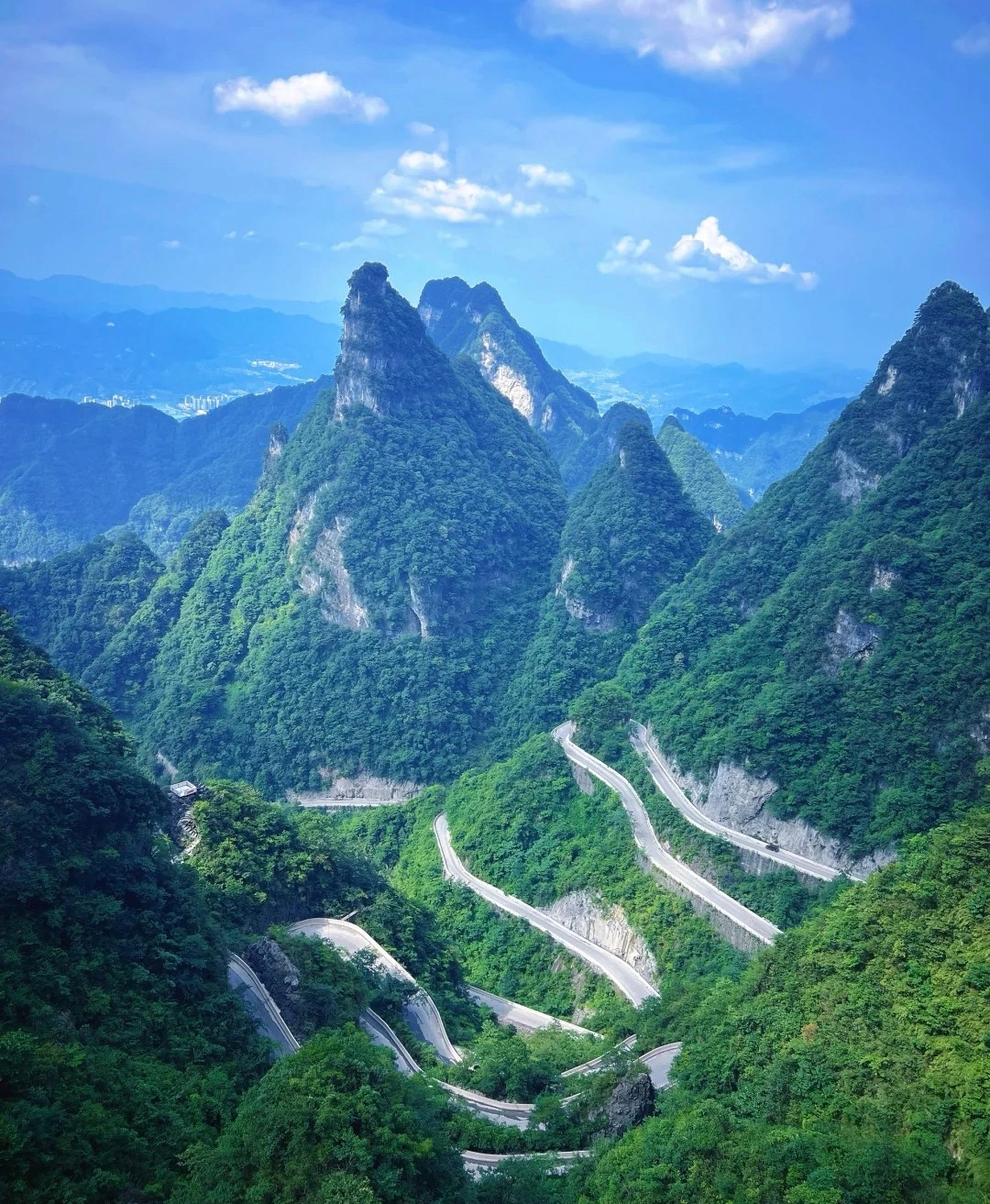
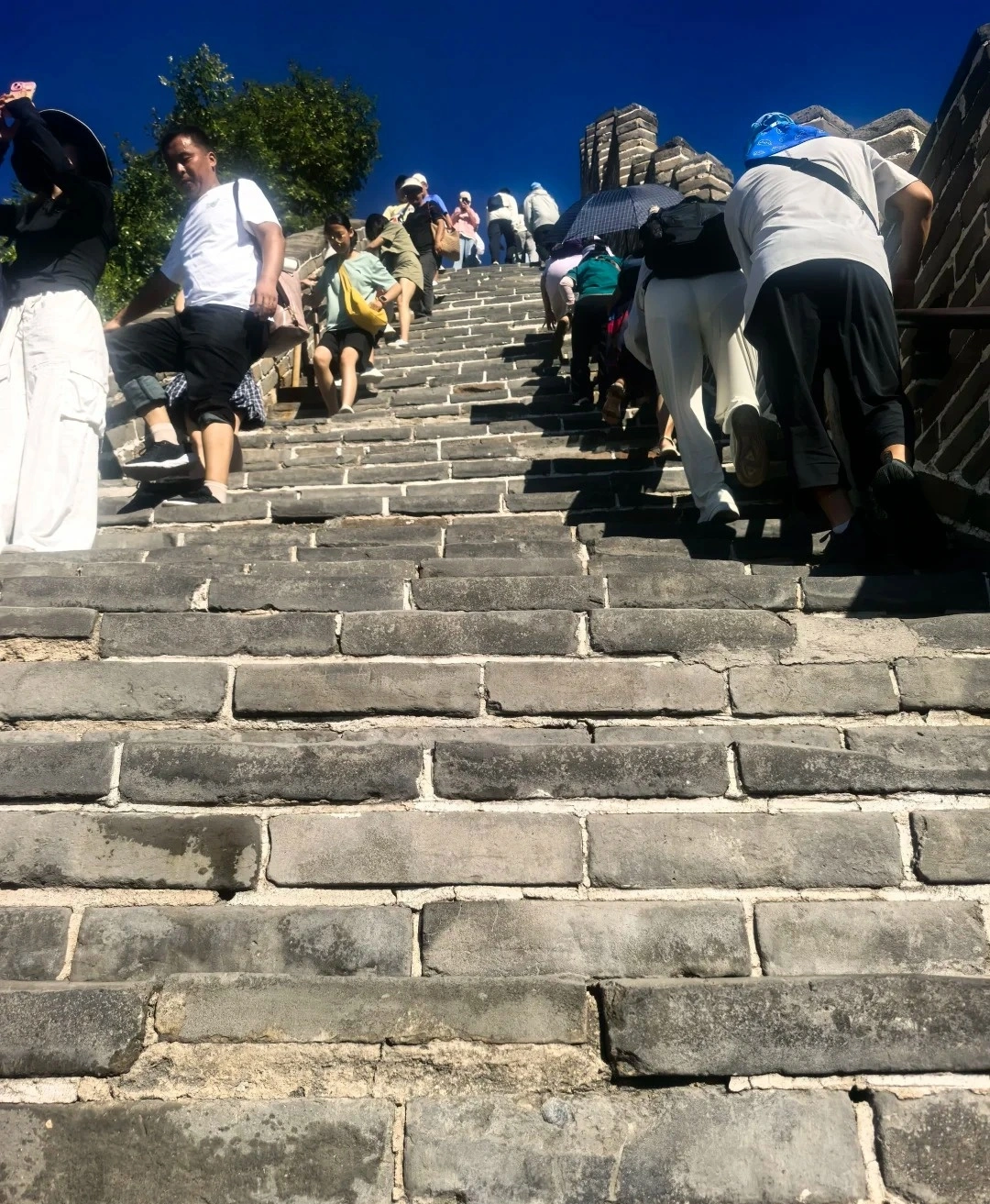
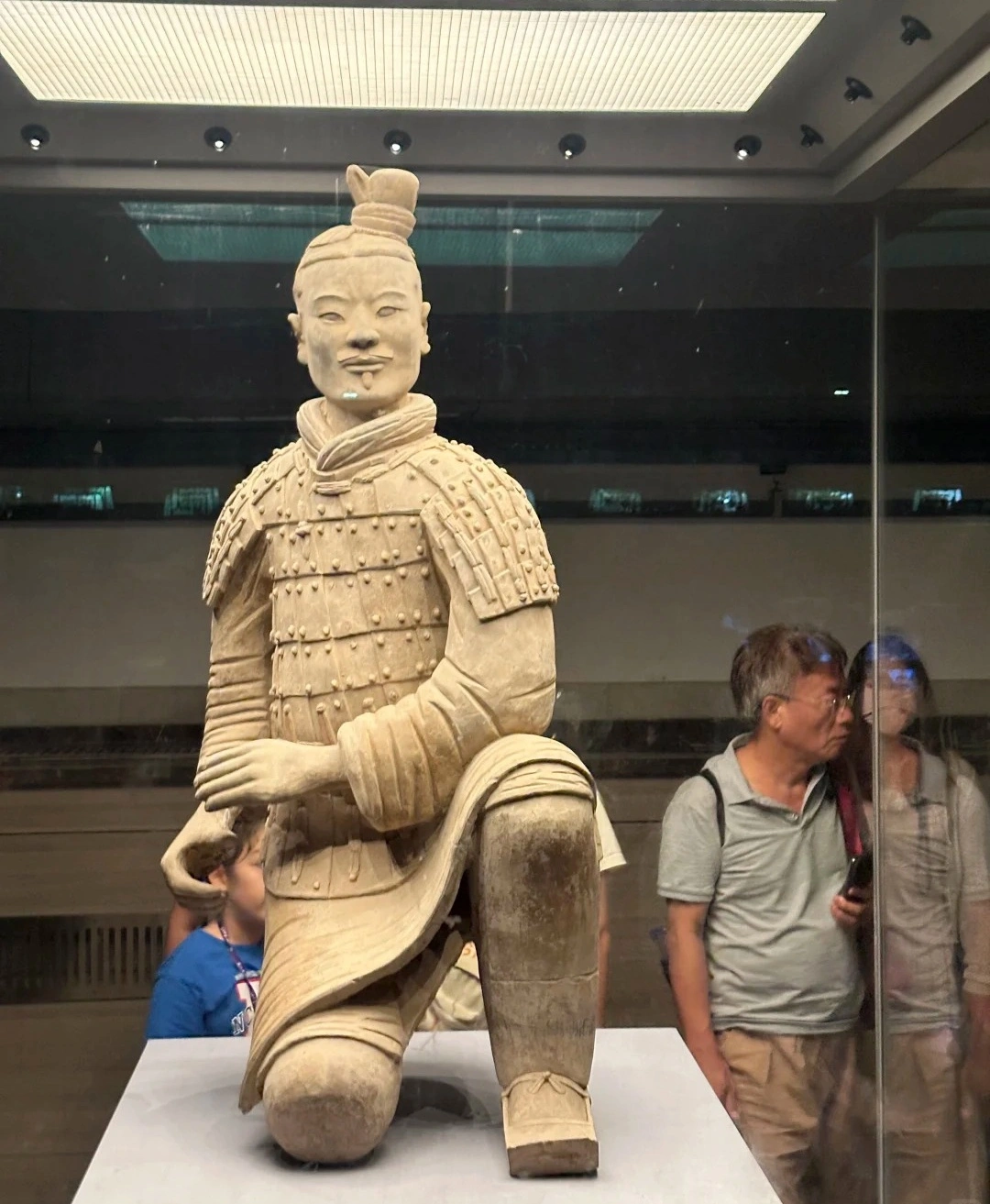
As a solo traveler from Canada, I was nervous about navigating China alone—but this 11-day tour was PERFECT! From hiking the Great Wall at sunrise (Day 3) to gasping at the Terracotta Army (Day 5), every day delivered ‘pinch-me’ moments. The real showstopper? Zhangjiajie’s Avatar Mountains (Day 7)! Our guide made the stone pillars come alive with stories.
Massive thanks for handling all logistics—bullet train tickets, entry passes, car! And the 4-star hotels surprised me.
Destination(s):
Beijing Xian Zhangjiajie Shanghai
Date of
Experience:
June 02,2025

Simon
America
Reviewed on May 29,2025
Our 2-day Zhangjiajie tour was beyond spectacular! As someone who’s visited Beijing and Shanghai for work, this trip revealed China’s wild, magical heart. Day 1 in Zhangjiajie National Forest Park felt like stepping onto Pandora—I’m a huge Avatar fan, and Yuanjiajie’s floating peaks left me breathless. The misty pillars and lush valleys like pure movie magic!
Then came Fenghuang Ancient Town, we eat dinner beside the thundering waterfall. It seems Unreal! The night views of stilt houses glowing over the river were straight from a fairy tale.
For fellow Avatar lovers and adventure seekers: Don’t miss this bucket-list experience! 10/10 would return.
A Well-Traveled Film Buff, May 2025
Destination(s):
Zhangjiajie
Date of
Experience:
May 08,2025