The Hidden Gem of the Pearl River Delta: Exploring the Shenzhen Observatory and Xichong Beach
Updated
When you think of Shenzhen, you likely picture skyscrapers, tech hubs, and the relentless energy of a modern metropolis. But hidden away on the rugged coast of the Dapeng Peninsula lies a sanctuary where the city's neon glow fades into the cosmos: the Shenzhen Observatory. Perched dramatically on a cliff overlooking the Xichong (West Rush) Beach, this is not just a scientific research base—it is one of the most breathtaking "dark sky" destinations near a major city in the world.
If you are planning a trip to Guangdong, this is your essential guide to visiting the Shenzhen Observatory, navigating the stunning coastal trails, and experiencing the "cosmic romance" of the Pearl River Delta.
A Cliffside Sanctuary for Science and Stargazing
Located in the Dapeng New District, the Shenzhen Observatory sits at an elevation of 224 meters on a headland jutting into the South China Sea. Established in 2010 and managed by the Shenzhen Meteorological Bureau, it serves a dual purpose: it is a cutting-edge base for solar observation, space weather monitoring, and climate research, while also functioning as a national-level science popularization base.
Unlike traditional observatories tucked away in remote mountains, the Shenzhen Observatory offers a visceral connection between high-tech science and raw nature. The iconic white domes of the astronomical building contrast sharply with the deep blue ocean and lush green cliffs. Inside, you won't just find exhibits; you'll find working instruments like the 80cm aperture optical telescope and the three-channel full-disk solar telescope. It is a place where you can witness scientists tracking typhoons and solar flares in real-time, then step outside to look at the same sky they are studying.
Why It's a "Dark Sky" Paradise
One of the biggest draws for international travelers is the observatory's status as part of the Xichong International Dark Sky Community. As of 2023, this area became the second "International Dark Sky Community" in Asia and the only one within a global bay area.
Being approximately 60 kilometers from the city center, surrounded by mountains on three sides and the sea on the other, the location naturally blocks urban light pollution. This creates a unique "One-Hour Star Galaxy Circle"—a rare opportunity to see the Milky Way without leaving the metropolitan region. For astrophotography enthusiasts, this is gold. On a clear night, the visibility of celestial bodies here rivals that of remote rural areas, making it a top-tier spot for star gazing in Shenzhen.
The site frequently hosts public viewing events, such as meteor showers (like the Geminids) and solar observation sessions. If you visit during a special astronomical event, you can look through professional-grade telescopes and attend lectures by resident astronomers.
The "Shenzhen Hiking Ceiling": Coastal Trails and Views
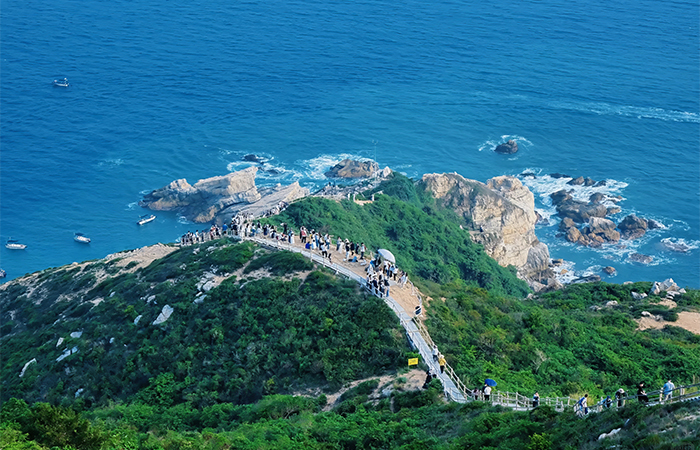
Even if you don't get a ticket for the interior exhibition hall, the journey to the observatory is widely considered the "ceiling" of Shenzhen hiking trails. The experience is defined by the cliff-hanging plank road (skywalk) that winds along the precipice.
The Iconic Plank Road
The white suspension bridge and boardwalk hug the sheer rock face, offering panoramic views of the East-West Chong coastline—a route famously recognized by National Geographic. To one side is the towering cliff; to the other, the abyss drops away to the crashing waves below. The visual impact is cinematic, often described as a "Korean drama set" or a slice of Jeju Island transported to Guangdong.
Hiking vs. Shuttle
There are two main ways to reach the observatory:
The Shuttle Bus (The Easy Way): Park at Xichong Beach No. 4 entrance and take the official shuttle (approx.10 RMB/person) up the winding mountain road. It takes about 10 minutes.
The Hike (The Adventure): From the beach entrance, you can hike the fire road or the coastal reef path. The hike takes about 1 to 1.5 hours and is physically demanding but rewarding. This route is part of the rugged Guangdong astronomy tourism and coastal exploration circuit. Note that the coastal reef path is wild, rocky, and requires good grip and water—wear proper hiking shoes.
Essential Visitor Information & Tips
To make the most of your trip, you need to plan carefully, as access is regulated to protect the research environment and preserve the dark sky.
1. Reservations are Mandatory
Access to the main building (the domes and exhibition hall) is free but requires a reservation. Tickets are released on the official WeChat account ("深圳天文") every Monday at 10:00 AM for the upcoming week. They sell out incredibly fast—often within minutes—so you must be quick.
Pro Tip: If you miss the ticket, don't cancel the trip. The plank road and the exterior views of the observatory are open to the public without a ticket. You can still hike up, take photos of the white domes against the sea, and enjoy the sunset.
2. Best Time to Visit
Weather: The best visibility is in autumn and winter (October to April) when the humidity is lower. Summer brings clouds and typhoons, which can obscure the stars.
Time of Day: Arrive in the afternoon (around 3:00 PM) to watch the sunset from the cliff, stay for twilight, and potentially catch a glimpse of the early night sky.
Crowds: Avoid weekends and public holidays if possible. The plank road can get congested with "human traffic," making photography difficult. Weekdays offer a serene, almost private experience.
3. What to Bring
Sun Protection: There is almost no shade on the cliffside or the hiking trail. The UV index is high—bring a hat, sunglasses, and high-SPF sunscreen.
Hydration: There are no shops on the mountain. Bring at least 1.5 liters of water per person.
Gear: Sturdy non-slip shoes are essential for the rocky sections.
Beyond the Stars: Exploring Dapeng Peninsula
A visit to the observatory fits perfectly into a broader itinerary for the Dapeng Peninsula. Since you are already in the southeast corner of Shenzhen:
Xichong Beach: After your visit, descend the "Sky Ladder" (Tianti) stairs to the beach to relax on the sand.
Hesou Village: A short drive away, this is a quiet fishing village with charming homestays and seafood restaurants. It's a great place to stay overnight if you want to chase the sunrise.
Dapeng Fortress: A historic Ming Dynasty walled city nearby that offers a glimpse into the region's history, contrasting with the futuristic vibe of the observatory.
The Shenzhen Observatory is more than just a building with telescopes; it is a testament to how modern science can coexist with wild nature. It offers a rare moment of stillness in one of China's busiest regions. Whether you are an astronomy geek chasing the Milky Way, a hiker seeking the best coastal views in the Greater Bay Area, or a photographer looking for that perfect shot of a white dome against a blue ocean, this spot delivers.
Don't leave Shenzhen without seeing its "edge of the world." Book your ticket, lace up your boots, and prepare for a cosmic encounter on the cliffs of the South China Sea.
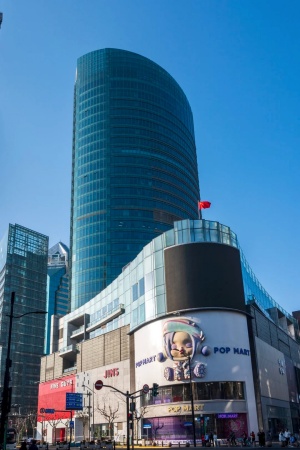
Shopping on Nanjing Road in Shanghai was just amazing! It's truly the "First Commercial Street of China", where tradition and modernity blend perfectly. You can find awesome souvenirs and experience the trendy vibes in cool stores. The neon lights at night are just spectacular, shining bright like Times Square in New York. The food here is incredible too. I had a feast for my taste buds. Shanghai, I'll definitely be back!
Destination(s):
Shanghai
Date of
Experience:
May 08,2024
Elvis Eva
Canada
Reviewed on June 20,2025
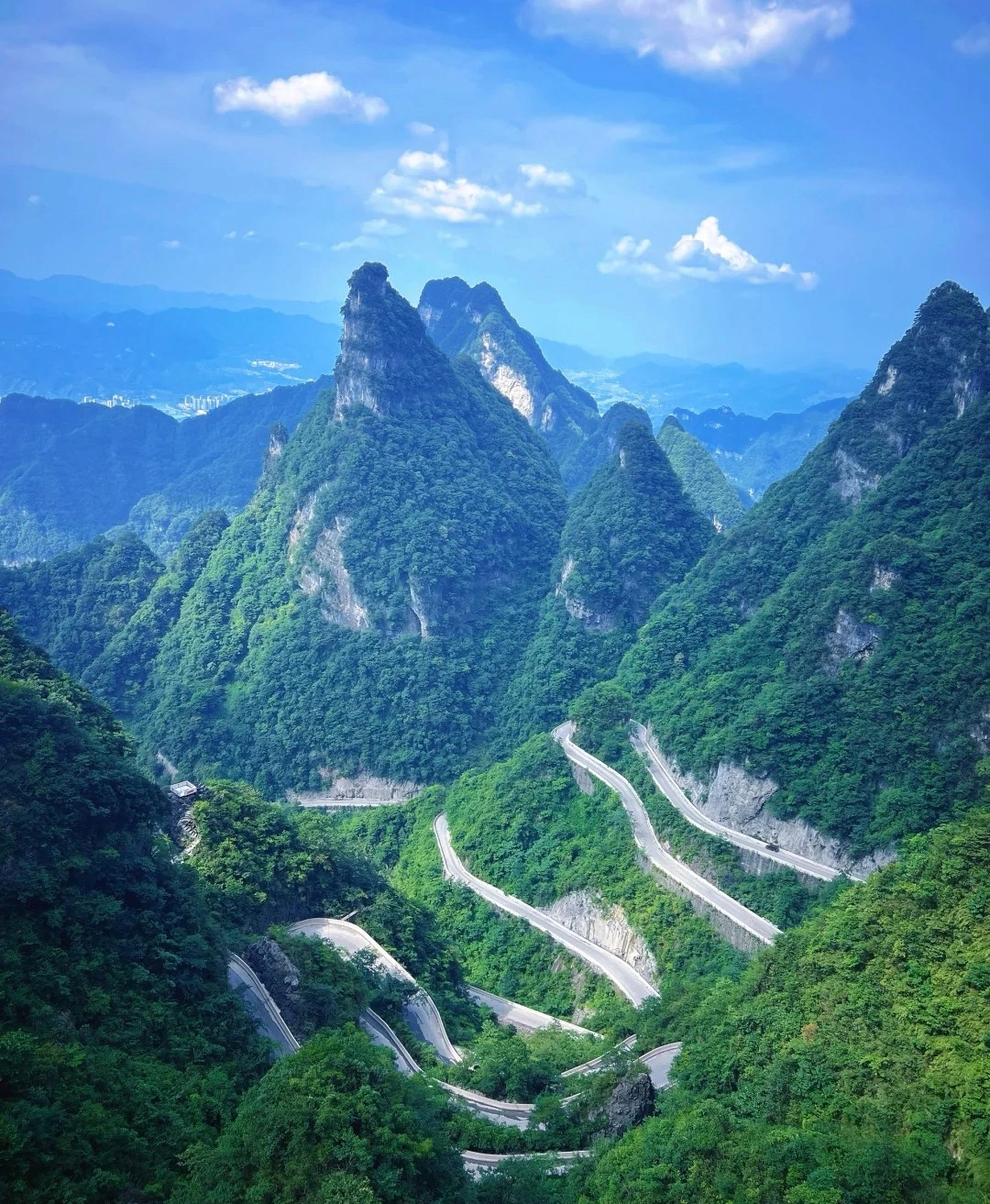
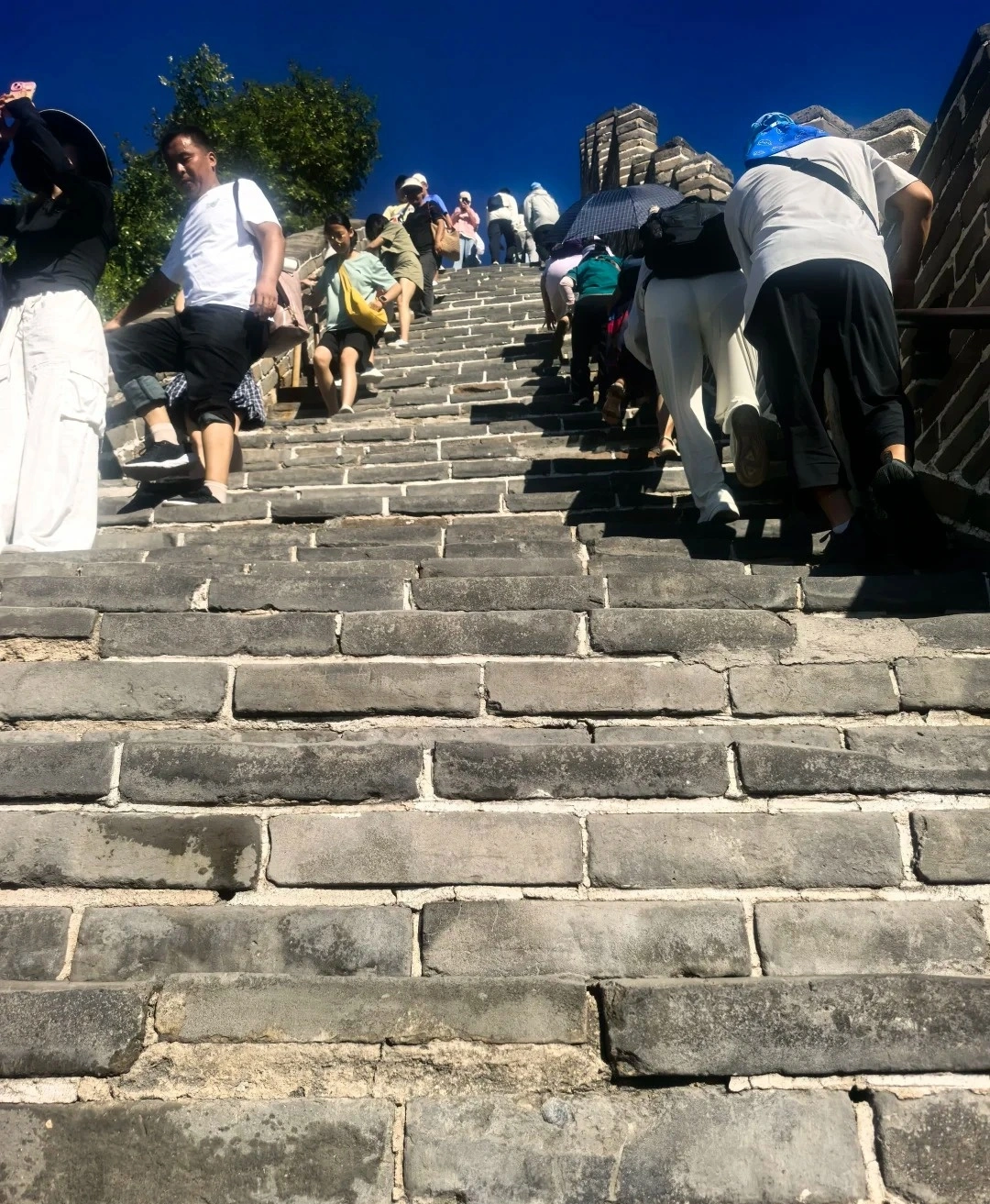
As a solo traveler from Canada, I was nervous about navigating China alone—but this 11-day tour was PERFECT! From hiking the Great Wall at sunrise (Day 3) to gasping at the Terracotta Army (Day 5), every day delivered ‘pinch-me’ moments. The real showstopper? Zhangjiajie’s Avatar Mountains (Day 7)! Our guide made the stone pillars come alive with stories.
Massive thanks for handling all logistics—bullet train tickets, entry passes, car! And the 4-star hotels surprised me.
Destination(s):
Beijing Xian Zhangjiajie Shanghai
Date of
Experience:
June 02,2025
Simon
America
Reviewed on May 29,2025
Our 2-day Zhangjiajie tour was beyond spectacular! As someone who’s visited Beijing and Shanghai for work, this trip revealed China’s wild, magical heart. Day 1 in Zhangjiajie National Forest Park felt like stepping onto Pandora—I’m a huge Avatar fan, and Yuanjiajie’s floating peaks left me breathless. The misty pillars and lush valleys like pure movie magic!
Then came Fenghuang Ancient Town, we eat dinner beside the thundering waterfall. It seems Unreal! The night views of stilt houses glowing over the river were straight from a fairy tale.
For fellow Avatar lovers and adventure seekers: Don’t miss this bucket-list experience! 10/10 would return.
A Well-Traveled Film Buff, May 2025
Destination(s):
Zhangjiajie
Date of
Experience:
May 08,2025
Ask us before you decide.
Unsure about a route, departure date or room option? Tell us what is holding up your plans. You will get a clear answer from our China-based travel team—no booking required.
Real people, practical answers.A travel advisor replies within 24 hours.
This Payment, Cancellation & Refund Agreement (“Agreement”) applies to all tours, activities, private tours,
group tours, day trips, multi-day tours, transportation services, and other travel-related products purchased
through IntoTravelChina (“IntoTravelChina,” “we,” “us,” or “our”).
By submitting an order and completing payment, the customer (“Customer,” “you,” or “your”) confirms that they
have read, understood, and agreed to this Agreement, together with the specific itinerary, inclusions,
exclusions, booking conditions, cancellation policy, and refund policy displayed on the applicable product page.
If there is any conflict between this Agreement and a specific product's cancellation or refund policy, the
specific product policy shall apply to that product, subject to applicable laws and mandatory consumer rights.
1. Scope of This Agreement
This Agreement governs:
Payment for travel products purchased through IntoTravelChina;
International credit card and debit card payments;
Payment processing and cross-border transaction charges;
Order confirmation and booking fulfillment;
Customer-initiated cancellation;
Cancellation or changes initiated by IntoTravelChina or service providers;
Full and partial refunds;
Losses or additional costs caused by the Customer;
Refund processing procedures and timing;
Chargebacks, payment disputes, fraud prevention, and related matters.
Customers are required to carefully review the specific product page before making payment. The specific product page may contain cancellation deadlines, non-refundable items, cancellation fees, transportation conditions, hotel conditions, ticket restrictions, supplier restrictions, minimum participant requirements, and other product-specific terms.
2. Product Information and Customer Responsibility
Before making payment, Customers are responsible for reviewing the information provided on the applicable product page, including but not limited to:
Tour itinerary, date, duration, meeting point, hotel pickup, pickup and drop-off arrangements;
Included and excluded services, transportation, entrance tickets, meals, and accommodation where applicable;
Guide or driver arrangements, physical requirements, age restrictions, passport or identification requirements, and visa or entry requirements;
Cancellation and refund conditions, and any special conditions or restrictions.
By completing payment, the Customer confirms that they have had a reasonable opportunity to review the relevant product information and applicable cancellation and refund policy. Customers should contact IntoTravelChina before payment if they are uncertain about any material condition of the product.
3. Accepted Payment Methods
IntoTravelChina may accept international payment methods including, but not limited to, international credit cards, international debit cards, Visa, Mastercard, and other payment methods made available through our authorized payment service providers.
Payment methods available to the Customer may vary depending on the Customer's country, card issuer, currency, transaction amount, payment provider, and other factors. A payment is considered successfully completed only when the applicable payment service provider confirms the transaction and IntoTravelChina receives or confirms the corresponding payment information. A payment authorization, pending transaction, or temporary card hold does not necessarily constitute a completed booking.
4. Payment Amount and Currency
The price displayed on the applicable product page is the applicable product price unless otherwise stated. The final amount payable may include the advertised product price, applicable taxes or mandatory charges, payment processing or cross-border transaction charges where applicable, and other charges expressly disclosed to the Customer before payment.
The Customer is responsible for reviewing the final amount displayed on the payment page before completing the transaction. Currency conversion may be performed by the Customer's card-issuing bank, payment provider, or other financial institution. Exchange rates used by the Customer's financial institution may differ from the exchange rate displayed by IntoTravelChina. IntoTravelChina is not responsible for exchange-rate differences imposed by a Customer's bank, card issuer, or payment provider.
5. International / Cross-Border Payment Processing Fee
For certain international card transactions, a cross-border payment processing fee of up to 4% may apply, as disclosed at checkout. Where applicable, this fee is charged in connection with international payment processing and is payable by the Customer. The applicable fee will be disclosed to the Customer before payment is completed.
The payment processing fee is separate from the price of the travel product unless otherwise stated. Where a payment processing fee has been lawfully charged and is non-refundable under the applicable payment arrangement, the refundable amount may be calculated based on the applicable product price and the specific refund rules, subject to applicable law.
Important: The actual availability, amount, and treatment of any payment-related fee may depend on the Customer's country, payment method, card network, acquiring bank, payment service provider, and applicable law. Where applicable law, card-network rules, or payment-provider rules prohibit or restrict such a fee, IntoTravelChina will comply with those requirements.
6. Booking Confirmation
After successful payment, IntoTravelChina will normally issue a booking confirmation or other booking documentation. A booking is not considered confirmed solely because the Customer has entered payment information, a bank has temporarily authorized the transaction, the payment page displays a successful submission message, or the Customer has received an automated payment notification.
The booking becomes confirmed when IntoTravelChina or its authorized booking/payment system confirms the order. If IntoTravelChina is unable to confirm the requested service after payment, the Customer will be informed and, where applicable, will receive a refund in accordance with the applicable product policy and applicable law.
7. Customer-Initiated Cancellation
Customers may request cancellation of a booking by contacting IntoTravelChina through the contact information provided on the website or booking confirmation. Cancellation requests should include the booking number, Customer name, tour/product name, scheduled travel date, and reason for cancellation where relevant.
The effective cancellation time is generally the time when IntoTravelChina receives the cancellation request, unless the specific product policy provides otherwise. Customers should not assume that failure to attend the tour automatically constitutes a cancellation.
8. Product-Specific Cancellation and Refund Policy
Each travel product may have its own cancellation and refund conditions. Depending on the product, the applicable policy may provide for a full refund, partial refund, refund subject to a cancellation fee or supplier charges, no refund, non-refundable tickets or services, different refund percentages depending on cancellation time, and different conditions before and after the scheduled departure date.
The cancellation and refund policy displayed on the specific product page forms an important part of the booking agreement. Customers must carefully read the applicable policy before purchasing. By completing payment, the Customer acknowledges and accepts the applicable cancellation and refund conditions, subject always to mandatory rights under applicable law.
9. Full Refund
A Customer may be entitled to a full refund in circumstances specified by the applicable product policy or required by applicable law. Examples may include cancellation within an expressly stated eligible period, IntoTravelChina's cancellation where the applicable policy provides for a full refund, failure to provide a material part of the purchased service where required under the applicable terms or law, or other circumstances expressly stated on the product page.
A full refund does not necessarily mean that every separate charge associated with a payment transaction will be refunded. Treatment of payment processing charges, bank charges, currency conversion losses, or third-party charges will depend on the applicable policy, payment arrangement, and applicable law.
10. Partial Refund
A partial refund may apply when the Customer cancels after the full-refund deadline; uses only part of the purchased services; certain services have already been provided or paid for; tickets, transportation, accommodation, meals, permits, or other supplier services have become non-refundable; the Customer arrives late and misses part of the itinerary; or the applicable product policy expressly provides for a partial refund.
The refund amount will be determined according to the applicable product policy and the actual non-refundable costs incurred by IntoTravelChina and/or its service providers, subject to applicable law.
11. Customer-Caused Delays, No-Shows, Missed Services and Additional Costs
The Customer is responsible for arriving at the designated meeting point or pickup location at the required time. Where a delay, missed service, cancellation, or additional expense is caused by the Customer, IntoTravelChina may apply the cancellation and refund rules specified on the applicable product page.
Customer-caused circumstances may include late arrival, failure to attend or respond to reasonable contact attempts, inaccurate contact, passport, or identification information, failure to obtain appropriate visa or entry authorization, personal scheduling errors, missing transportation, failure to follow agreed itinerary arrangements, voluntary abandonment, refusal to participate, or personal reasons resulting in an inability to use the service.
Where these circumstances result in additional costs including transportation, tickets, accommodation, guide/driver waiting time, rebooking fees, cancellation charges, or supplier costs, the Customer may be responsible for those costs to the extent permitted by applicable law and product terms. Depending on the circumstances, the Customer may receive a partial refund or no refund.
12. No-Show Policy
If the Customer does not appear at the designated meeting point or pickup location within the required time and does not contact IntoTravelChina or the designated service provider within a reasonable period, the booking may be treated as a No-Show. Unless otherwise stated in the specific product policy, No-Show bookings may be non-refundable.
If the Customer believes that a No-Show was caused by circumstances beyond their reasonable control, they should contact IntoTravelChina as soon as possible. Any refund or alternative arrangement will be assessed according to the specific circumstances, supplier policies, and applicable law.
13. Customer-Requested Changes
Requests to change travel date, number of participants, pickup location, hotel, itinerary, transportation, accommodation, tour options, or other booking details must be submitted to IntoTravelChina as early as possible. A requested change is not effective until confirmed by IntoTravelChina.
Changes may result in additional charges, supplier amendment fees, fare differences, cancellation charges, non-refundable costs, or partial or complete loss of the original booking. Any applicable additional cost will be communicated to the Customer before the change is confirmed, where reasonably practicable.
14. Cancellation or Changes by IntoTravelChina
If IntoTravelChina needs to cancel or materially modify a booking due to operational, supplier, safety, weather, governmental, transportation, or other circumstances, IntoTravelChina will notify the Customer as soon as reasonably practicable.
Depending on the circumstances and applicable product policy, IntoTravelChina may provide an alternative itinerary or date, a comparable replacement service, a partial or full refund, or take another reasonable measure permitted by the applicable terms and law. Where IntoTravelChina cancels a service and the applicable terms or law require a refund, the applicable refundable amount will be returned to the Customer.
15. Force Majeure and Extraordinary Circumstances
IntoTravelChina shall not be responsible for circumstances beyond its reasonable control, including natural disasters, severe weather, earthquakes, floods, typhoons, epidemics or public health emergencies, war, terrorist incidents, civil unrest, government restrictions, border closures, transportation disruptions, strikes, sudden changes in visa or entry requirements, closure of attractions or transportation facilities, and other unavoidable and extraordinary circumstances.
Where such circumstances affect a booking, IntoTravelChina will make reasonable efforts to assist the Customer and seek an appropriate solution. Refunds, credits, itinerary changes, or alternative arrangements will be handled according to the applicable product policy, supplier conditions, and applicable law. Nothing in this section is intended to exclude or limit mandatory consumer rights that cannot legally be excluded.
The actual calculation will depend on the specific product policy and circumstances. Where a percentage-based refund policy applies, the percentage stated on the product page will normally be used to calculate the refund. Examples: full refund: 100% of the eligible refundable amount; 50% refund: 50% of the eligible refundable amount; no refund: 0% of the eligible refundable amount. These examples are illustrative only.
17. Refund Processing Method
Approved refunds will normally be returned to the original payment method used for the booking: credit card payment to the same credit card, debit card payment to the same debit card, and other payment methods according to the applicable payment provider's procedures.
IntoTravelChina generally does not refund a payment to a different person's bank account or an unrelated payment method unless otherwise required or approved. Once IntoTravelChina submits a refund, the actual time for funds to appear may depend on the card issuer, bank, payment processor, payment network, and currency conversion process.
18. Payment Processing and Bank Fees on Refunds
IntoTravelChina will process approved refunds according to the applicable refund policy. However, the Customer's bank, card issuer, payment processor, or intermediary financial institution may apply currency conversion charges, international transaction charges, bank fees, correspondent bank fees, or other financial institution charges.
Unless required by applicable law or expressly stated otherwise, IntoTravelChina is not responsible for fees independently charged by the Customer's bank, card issuer, or other financial institution. Treatment of a separately disclosed and lawfully charged payment processing fee depends on the applicable refund policy and applicable law.
19. Refund Timing
Refunds will be initiated by IntoTravelChina within a reasonable period after the refund has been approved and all necessary information has been confirmed. The time required for funds to reach the Customer may vary depending on payment method, card issuer, bank, payment processor, international banking systems, weekends and public holidays, and currency conversion procedures.
Customers should allow additional processing time after IntoTravelChina confirms that a refund has been issued. Where applicable law imposes a mandatory refund deadline, IntoTravelChina will comply with that requirement.
20. Chargebacks and Payment Disputes
Customers should contact IntoTravelChina first if they have questions concerning a payment, duplicate charge, refund, cancellation, booking issue, or disputed amount. Customers should not initiate a payment chargeback solely because a refund is still being processed.
Where a Customer initiates a chargeback while simultaneously seeking a refund, IntoTravelChina may provide relevant booking records, payment records, cancellation records, communications, and applicable product policies to the payment processor or acquiring bank for review. This section does not restrict any lawful rights available to Customers through their card issuer or applicable law.
21. Fraud Prevention and Payment Verification
To protect Customers and IntoTravelChina against fraud, IntoTravelChina and/or its payment service providers may conduct reasonable payment verification. Customers may be requested to provide additional information reasonably necessary to verify a transaction.
If a payment is suspected to be fraudulent, unauthorized, or otherwise high-risk, IntoTravelChina may delay booking confirmation, request additional verification, decline the transaction, cancel the booking, or refund the payment through the original payment method. IntoTravelChina will handle personal information in accordance with its applicable Privacy Policy.
22. Accurate Customer Information
Customers are responsible for providing accurate information, including full name, email address, telephone number, passport information where required, hotel information where applicable, pickup location, travel date, and number of travelers.
Incorrect information may result in additional costs, booking failure, missed services, or inability to provide the purchased service. Where a problem is caused by inaccurate or incomplete information provided by the Customer, any resulting refund will be handled according to the applicable product policy.
23. Travel Documents, Visa and Entry Requirements
Customers are solely responsible for ensuring that they possess the documents necessary for travel, including a valid passport, visa, entry permit, transit authorization, identification documents, and other documents required by authorities or service providers.
Unless explicitly stated otherwise, IntoTravelChina does not guarantee that a Customer will be granted a visa, entry permission, immigration clearance, or admission to a particular country, region, attraction, transportation service, or venue. If the Customer cannot travel because they failed to obtain required travel documents, the applicable cancellation and refund policy will apply.
24. Third-Party Service Providers
Travel products may involve third-party service providers, including hotels, airlines, rail operators, cruise operators, attractions, restaurants, transportation companies, local guides, drivers, and other tourism suppliers. Certain third-party services may have separate terms, restrictions, cancellation conditions, and non-refundable charges. Where applicable, these conditions may affect the refund available to the Customer.
25. Customer Acceptance of Product Terms
Before completing payment, the Customer should carefully review the product description, itinerary, inclusions and exclusions, price, cancellation policy, refund policy, special conditions, and this Agreement.
By completing payment, the Customer confirms that they have reviewed and accepted these conditions.
26. Changes to This Agreement
IntoTravelChina may update this Agreement from time to time to reflect changes in payment methods, payment providers, applicable laws, card network rules, business operations, refund procedures, or security requirements.
The version applicable to a booking will generally be the version presented to and accepted by the Customer at the time of purchase, unless otherwise required by applicable law.
27. Applicable Law and Mandatory Consumer Rights
This Agreement shall be interpreted and applied subject to applicable laws and regulations. Nothing in this Agreement is intended to exclude mandatory consumer protection rights, limit rights that cannot legally be waived, override mandatory refund obligations, or exclude liability that cannot legally be excluded.
If a provision of this Agreement is found to be invalid or unenforceable under applicable law, the remaining provisions shall remain effective to the extent permitted by law. For Customers located in jurisdictions with mandatory consumer protection or travel-package laws, applicable mandatory rights will prevail over any conflicting provision of this Agreement.
28. Customer Support and Refund Requests
For cancellation, refund, payment, or booking questions, Customers should contact IntoTravelChina using the contact information provided on the website or booking confirmation. When contacting us regarding a refund, Customers should provide the booking number, Customer name, product name, travel date, payment information sufficient to identify the transaction, and reason for the refund request.
IntoTravelChina will review the request according to the applicable product policy and applicable law.
29. Important Notice Before Payment
PLEASE READ CAREFULLY BEFORE MAKING PAYMENT.
By completing payment for a travel product through IntoTravelChina, you acknowledge that you have reviewed the product description and itinerary, inclusions and exclusions, the specific cancellation and refund policy, and any applicable payment processing or cross-border payment fee; understand that different products have different refund conditions and customer-caused delays, no-shows, missed services, or additional costs may result in a partial refund or no refund; agree to provide accurate booking and contact information and comply with applicable product terms; and understand that mandatory rights under applicable law remain unaffected.
By clicking “Pay,” “Book Now,” “Confirm Payment,” or an equivalent button, you confirm that you have read and agreed to this Agreement and the specific terms applicable to your selected travel product.