
Four Great Brocades
The Four Great Brocades of China: A Vibrant Tapestry of History, Art, and Culture
Meet China's "Fabric Royalty"!
1. Yun Brocade (Nanjing): The "Cloud-Like" Silk Art
- Origin & History: Born in Nanjing over 1,600 years ago, Yun brocade was a royal favorite during the Yuan, Ming, and Qing dynasties. Emperor Liu Yu of the Southern Dynasty sparked its rise by moving weavers to Jiankang (now Nanjing). The Qing Dynasty even set up the "Jiangning Weaving Office"—Cao Xueqin (author of Dream of the Red Chamber)'s grandpa worked here for 20 years!
- Unique Features: Shimmering like rainbow clouds, it uses gold/silver threads for "cloud-like" patterns. Key types include Zhijin (gold-thread brocade) and Kuxuan (floral brocade).
- Cultural Highlights: Once used for imperial robes and gifts to foreign kings, it’s now a UNESCO intangible heritage.
- Must-See & Do: Visit the Nanjing Yun Brocade Museum to see ancient looms. Try your hand at weaving—no royal robes, but you’ll feel like a silk wizard!
2. Shu Brocade (Chengdu): The "Phoenix of Silk"
- Origin & History: From Chengdu, Sichuan, with a 2,000-year history. It peaked in the Tang Dynasty, rivaling the finest silks, and was listed as a national heritage in 2006.
- Craftsmanship: Known for tough texture and vivid patterns—dragons, phoenixes, lotuses, and modern abstracts. The "Tiaohua Jieben" technique (horizontal flower-pulling) is a secret sauce!
- Fun Fact: In the Song and Yuan eras, it shared fame with Kesi silk and Suzhou embroidery as China’s "Top Three Crafts."
- Explore & Experience: The Chengdu Shu Brocade Museum showcases ancient looms. Join a workshop to dye silk threads and create your own mini brocade masterpiece.
3. Song Brocade (Suzhou): The "Book Lover’s Silk"
- Origin & History: Developed in Suzhou during the Song Dynasty, it became a pro for mounting calligraphy and paintings. The Qing Dynasty’s Emperor Qianlong adored it—his Pure Land scroll at The Palace Museum is a Song brocade gem!
- Special Traits: Soft, delicate, and perfect for art preservation. Over 40 types exist, from dragon robes to scroll-mounting silks.
- Why It’s Cool: Ming and Qing scholars treasured it for framing precious artworks.
- Visit & Play: The Suzhou Silk Museum displays antique weaving tools. Try mounting a silk scroll—like a mini art curator!
4. Zhuang Brocade (Guangxi): The "Rainbow of the Zhuang People"
- Origin & Culture: Crafted by Guangxi’s Zhuang ethnic group, it’s a 1,000+ year-old art with bold colors and patterns inspired by nature—flowers, birds, mountains, and daily life.
- Artistic Magic: Vibrant reds, blues, and greens mix with handwoven techniques. It’s not just fabric—it’s a family heirloom and gift of choice!
- Heritage Status: A national intangible heritage, it’s still woven on traditional looms by skilled artisans.
- Discover & Create: The Guangxi Ethnic Museum exhibits ancient looms. Join a Zhuang weaving class to make a colorful bracelet or wall hanging.
Why Foreigners Love This!
- Story-Driven: Each brocade tells a tale—Yun’s royal roots, Shu’s Tang Dynasty glory, Song’s art-loving vibe, and Zhuang’s ethnic pride.
- Hands-On Fun: Museums and workshops let you touch history—weave, dye, and design like a craft master!
- Visual Feast: Bold patterns and metallic threads make each piece a wearable art gallery.
Pro Tips for Travelers:
- Best Spots: Nanjing (Yun), Chengdu (Shu), Suzhou (Song), and Guangxi (Zhuang) museums.
- Seasonal Fun: spring/autumn for cool weather and festival events.
- Souvenir Hack: Small brocade pieces (e.g., scarves, bookmarks) are portable and meaningful.
Dive into this silk adventure—where every thread weaves history, culture, and a touch of magic!
What Our Clients Say?
Based on 10,000+ traveler reviews

Daniel Dorothea
Canada
Reviewed on April 29,2025
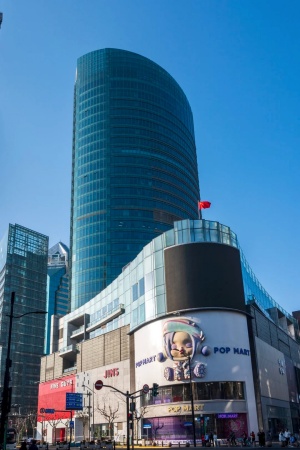
Shopping on Nanjing Road in Shanghai was just amazing! It's truly the "First Commercial Street of China", where tradition and modernity blend perfectly. You can find awesome souvenirs and experience the trendy vibes in cool stores. The neon lights at night are just spectacular, shining bright like Times Square in New York. The food here is incredible too. I had a feast for my taste buds. Shanghai, I'll definitely be back!
Destination(s):
Shanghai
Date of
Experience:
May 08,2024

Elvis Eva
Canada
Reviewed on June 20,2025
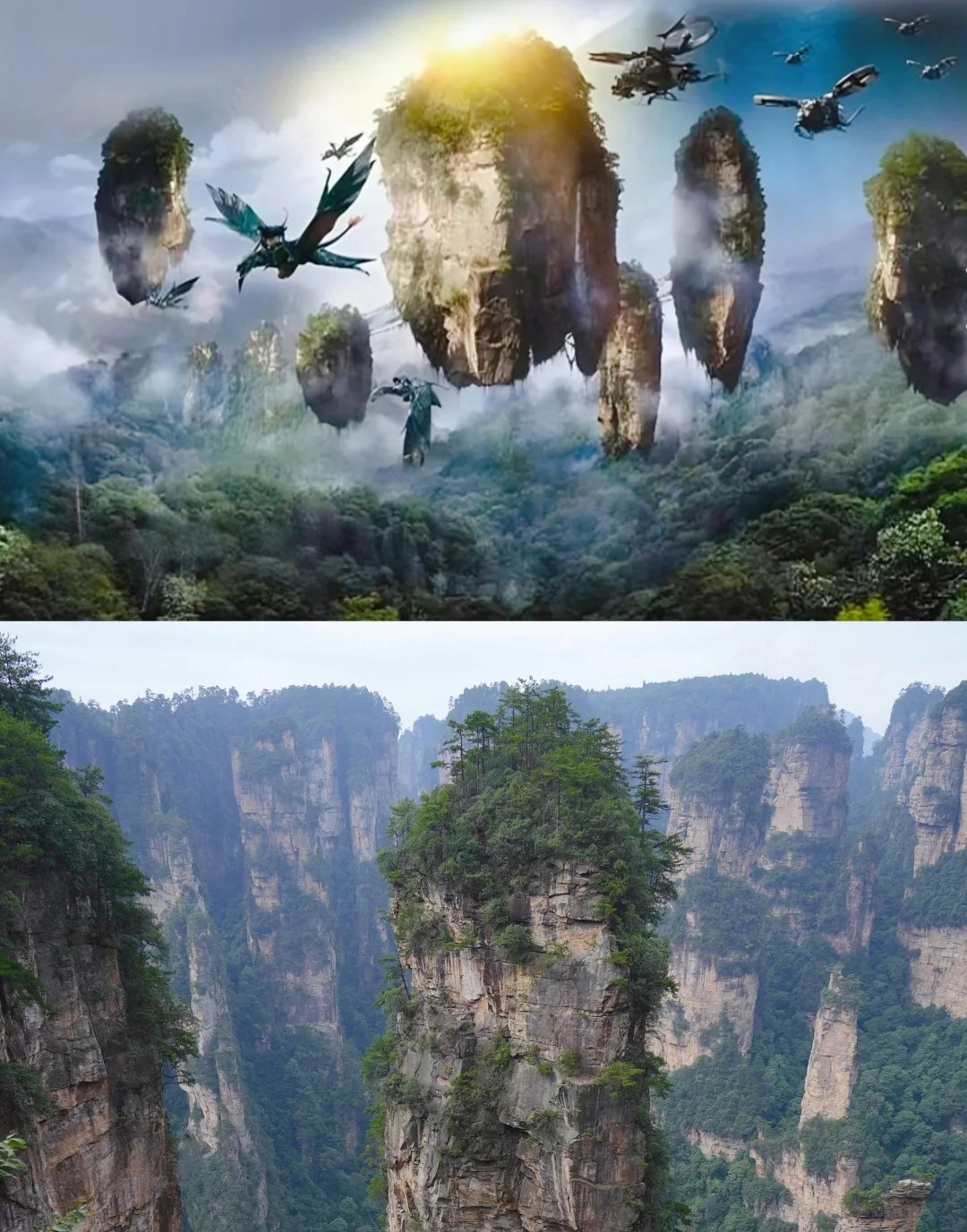
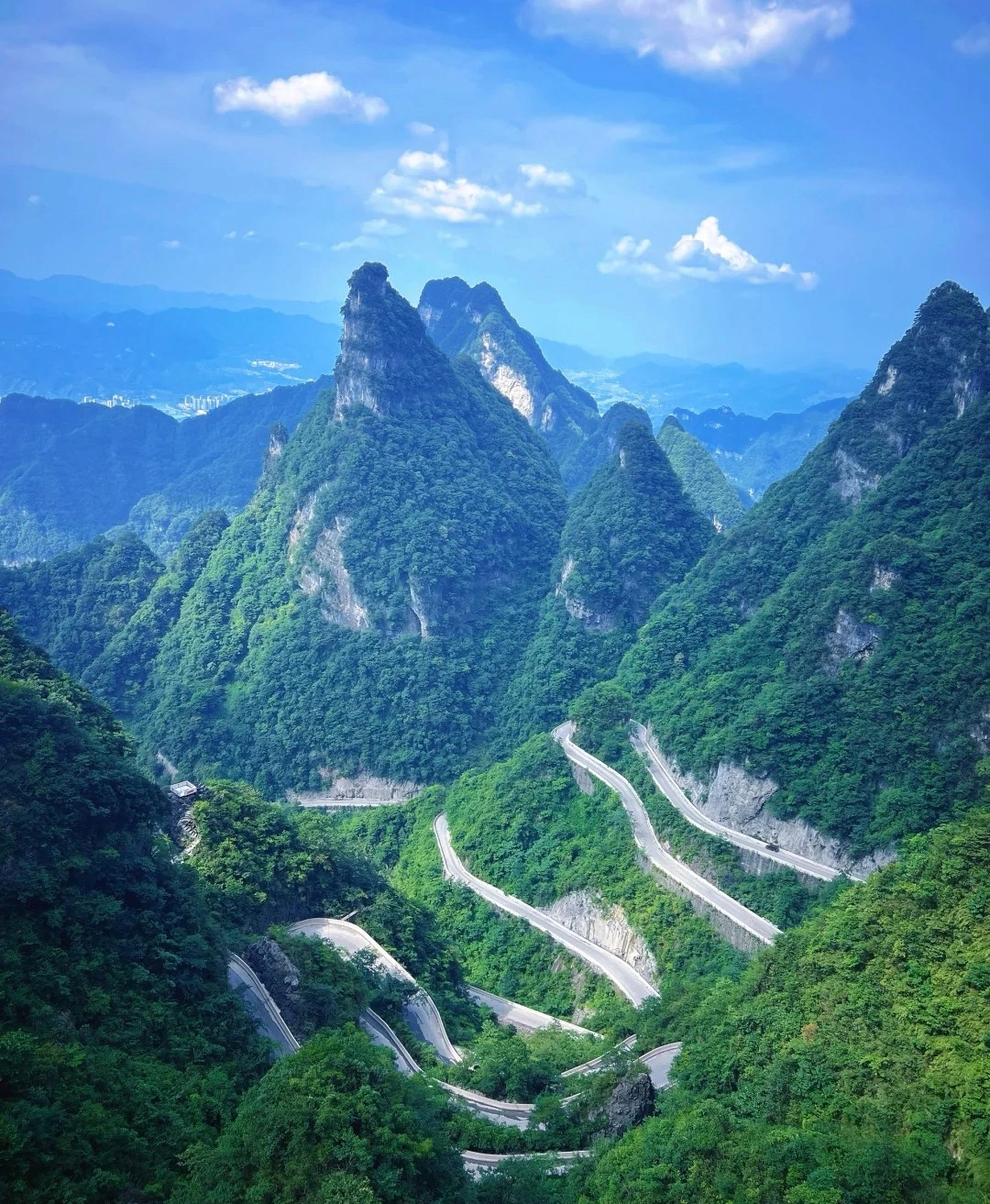
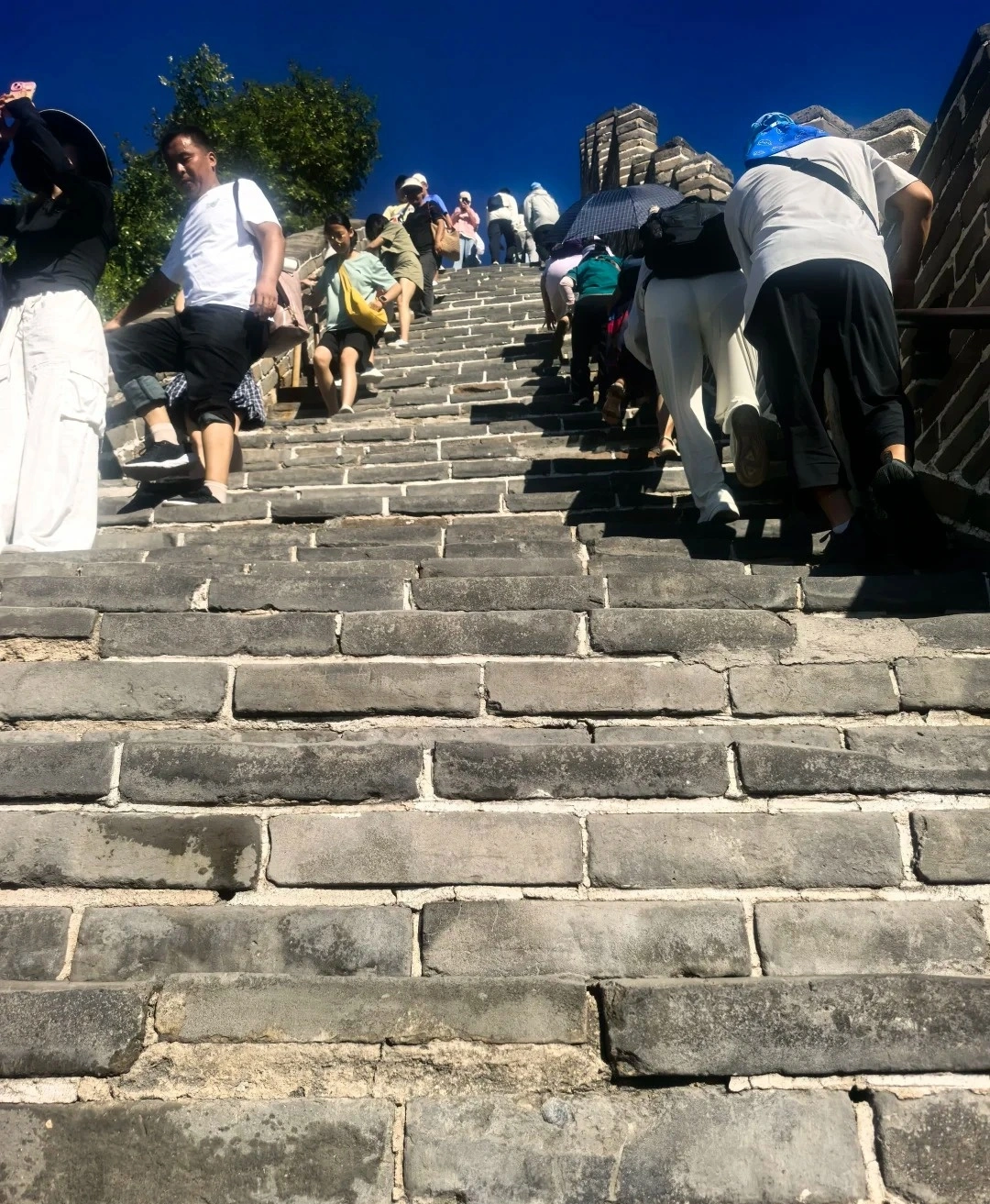
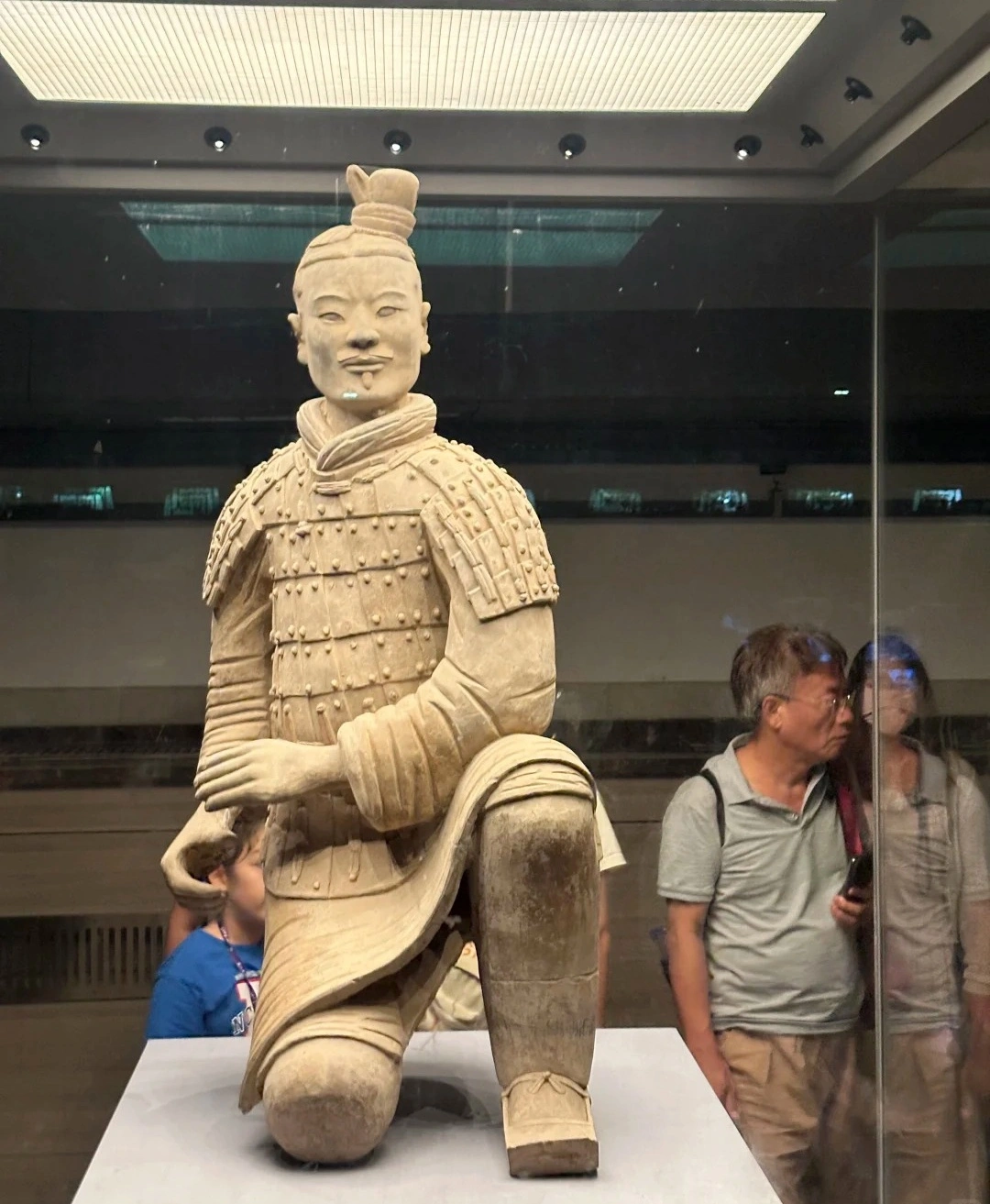
As a solo traveler from Canada, I was nervous about navigating China alone—but this 11-day tour was PERFECT! From hiking the Great Wall at sunrise (Day 3) to gasping at the Terracotta Army (Day 5), every day delivered ‘pinch-me’ moments. The real showstopper? Zhangjiajie’s Avatar Mountains (Day 7)! Our guide made the stone pillars come alive with stories.
Massive thanks for handling all logistics—bullet train tickets, entry passes, car! And the 4-star hotels surprised me.
Destination(s):
Beijing Xian Zhangjiajie Shanghai
Date of
Experience:
June 02,2025

Simon
America
Reviewed on May 29,2025
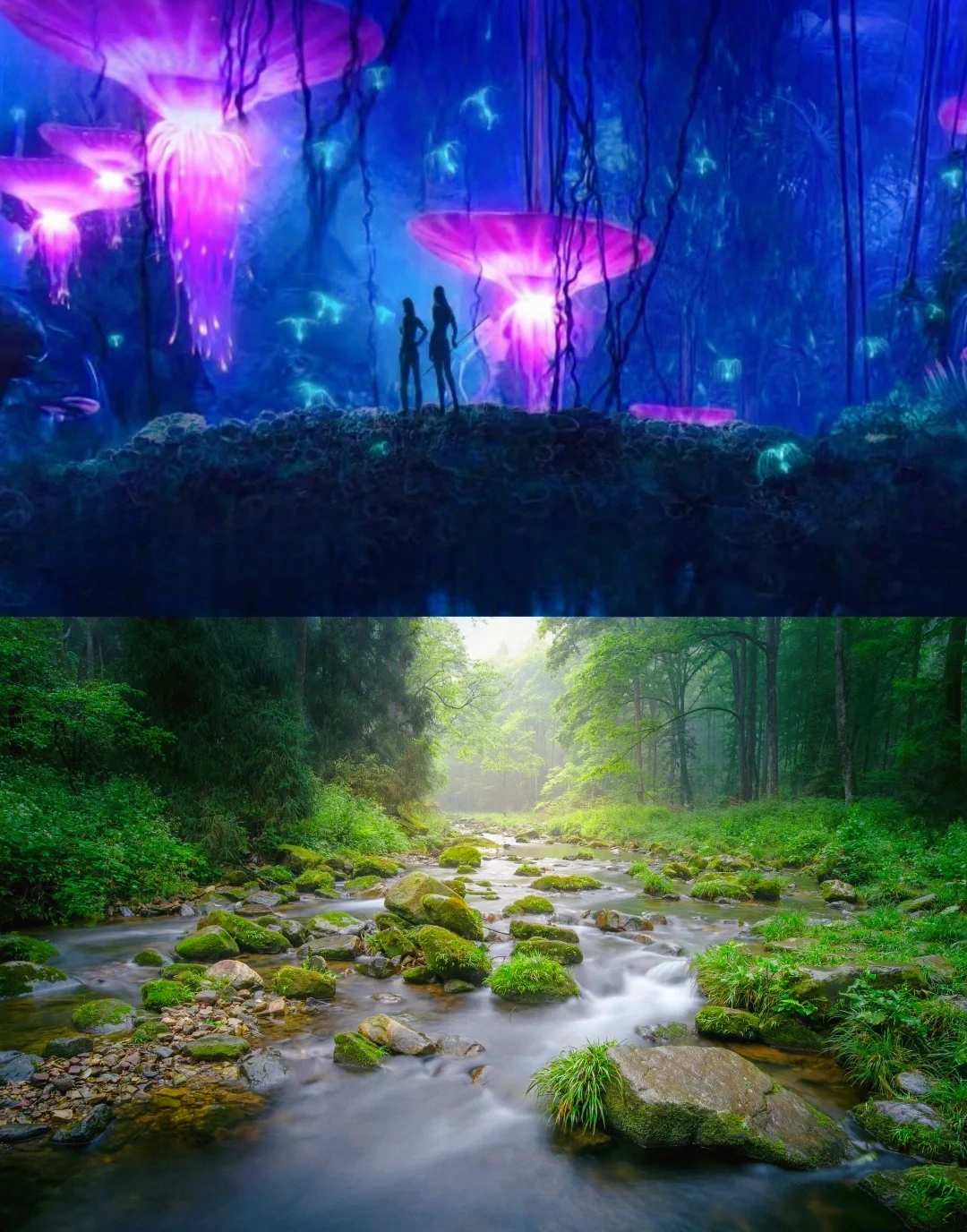
Our 2-day Zhangjiajie tour was beyond spectacular! As someone who’s visited Beijing and Shanghai for work, this trip revealed China’s wild, magical heart. Day 1 in Zhangjiajie National Forest Park felt like stepping onto Pandora—I’m a huge Avatar fan, and Yuanjiajie’s floating peaks left me breathless. The misty pillars and lush valleys like pure movie magic!
Then came Fenghuang Ancient Town, we eat dinner beside the thundering waterfall. It seems Unreal! The night views of stilt houses glowing over the river were straight from a fairy tale.
For fellow Avatar lovers and adventure seekers: Don’t miss this bucket-list experience! 10/10 would return.
A Well-Traveled Film Buff, May 2025
Destination(s):
Zhangjiajie
Date of
Experience:
May 08,2025