
Xie Bi'an
Xie Bi'an (White Impermanence): The Gentle Guide in Chinese Mythology
Origins and Mythological Background
Xie Bi'an, known as Bai Wuchang (白无常) or "White Impermanence," is the yang counterpart to Fan Wujiu (Black Impermanence) in China's "Qiyi Baye" (Seven/Eight Lords) mythology. Unlike his stern partner, Xie embodies mercy and virtue. According to folklore, Xie was a mortal named Xie Bi'an during the Western Jin Dynasty, sworn brother to Fan Wujiu. Their legendary loyalty—choosing death over abandoning each other—earned them divinity as soul-guides in the underworld.
The Tragic Tale of Brotherhood
The duo's most famous story begins under a storm-lashed bridge. When floodwaters rose, Fan Wujiu drowned sticks to his post, while Xie Bi'an, returning with an umbrella, found his brother gone. Overcome with grief, Xie hanged himself on the bridge. Their deaths moved the King of Hell, who granted them immortality as "Black and White Impermanence," tasked with balancing justice: White guides virtuous souls to paradise, while Black punishes evildoers.
Symbolism and Cultural Role
- Appearance & Tools: Xie is depicted as a pale-faced figure in white robes, wearing a hat inscribed "See Wealth" (一见生财) and carrying a wooden tablet for marking virtuous souls. His white attire symbolizes purity and mercy, contrasting with Fan's dark robes.
- Underworld Duties: As a "Ten Great Yin General," Xie specializes in escorting kind-hearted spirits to the afterlife, ensuring they receive fair judgment. His role reflects Confucian ideals of benevolence and reciprocity.
- Festivals & Rituals: During the Ghost Festival, families burn paper effigies of Xie and Fan to honor ancestors and ward off evil spirits. In some regions, their statues guard homes, believed to bring prosperity and protection.
Cultural Legacy and Modern Adaptations
Xie Bi'an's story transcends ghost tales, embodying Chinese values of loyalty, mercy, and keeping promises. In literature, from Strange Tales from a Chinese Studio (《聊斋志异》) to modern fantasy novels, he symbolizes moral guidance. Contemporary media, like films and video games, often reimagine him as a wise, tragic figure—blending fear with empathy to explore human complexity.
Landmarks and Folklore Sites
- South Terrace Bridge (Nantai Qiao): The site of their demise in Fuzhou, now a pilgrimage site where locals honor their sacrifice.
- Temples & Art: Temples across China, such as Shanghai's City God Temple, house shrines to Xie and Fan. Traditional operas and paper-cut art frequently depict their stories, emphasizing themes of brotherhood and redemption.
Why Xie Bi'an Endures
Unlike one-dimensional ghostly figures, Xie Bi'an represents a nuanced moral force—feared yet revered, terrifying yet just. His legend reminds us that true virtue lies in mercy and integrity, even beyond death. In an era of rapid change, his story continues to resonate, offering a window into China's spiritual and philosophical heritage.
Through Xie Bi'an's tale, we glimpse not just a spectral guide but a symbol of humanity's eternal quest for balance—between justice and mercy, fear and hope. Whether in ancient rituals or modern pop culture, he remains a timeless icon of ethical grace, bridging the mortal and divine with quiet wisdom.




What Our Clients Say?
Based on 10,000+ traveler reviews

Daniel Dorothea
Canada
Reviewed on April 29,2025
Shopping on Nanjing Road in Shanghai was just amazing! It's truly the "First Commercial Street of China", where tradition and modernity blend perfectly. You can find awesome souvenirs and experience the trendy vibes in cool stores. The neon lights at night are just spectacular, shining bright like Times Square in New York. The food here is incredible too. I had a feast for my taste buds. Shanghai, I'll definitely be back!
Destination(s):
Shanghai
Date of
Experience:
May 08,2024


Elvis Eva
Canada
Reviewed on June 20,2025
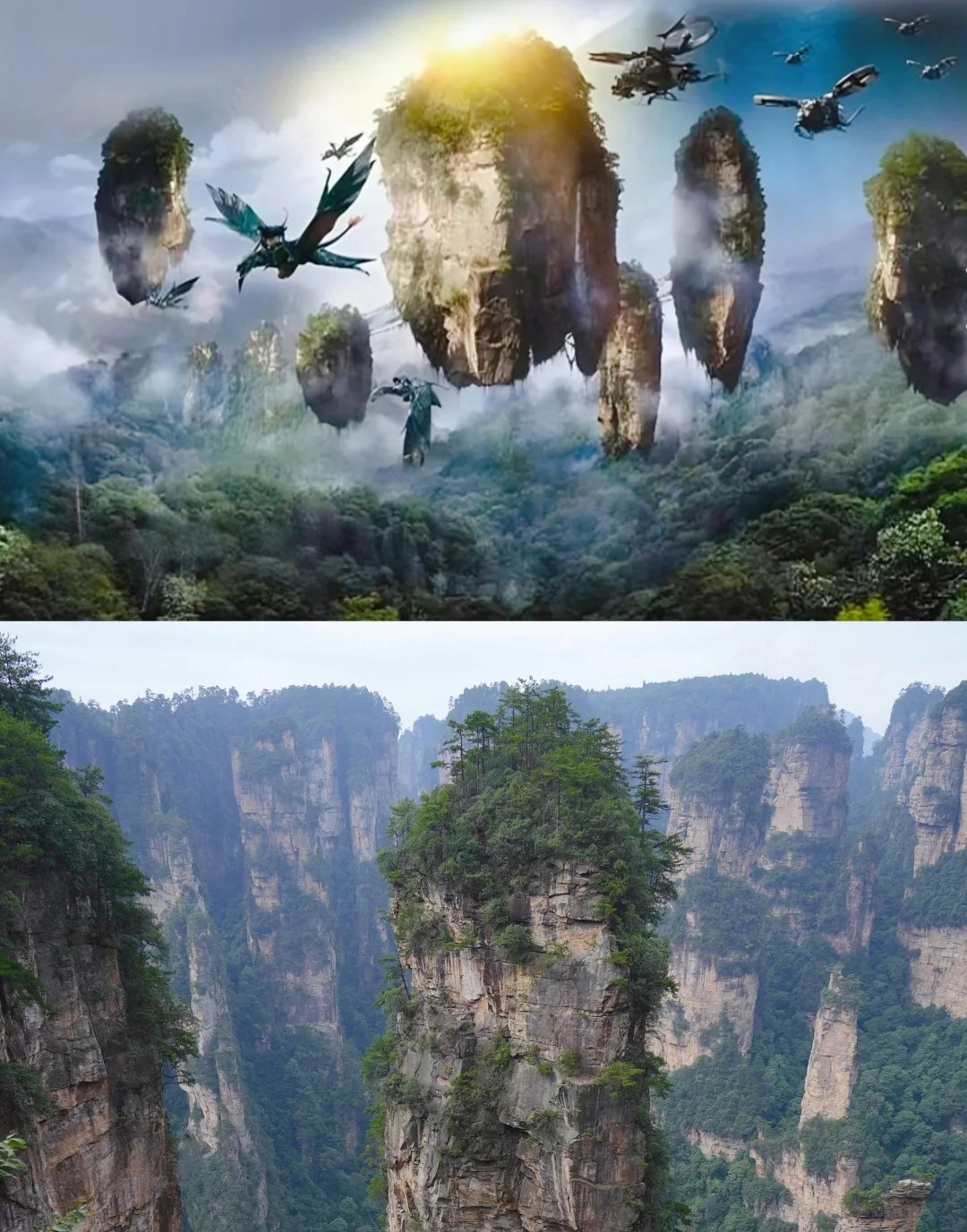
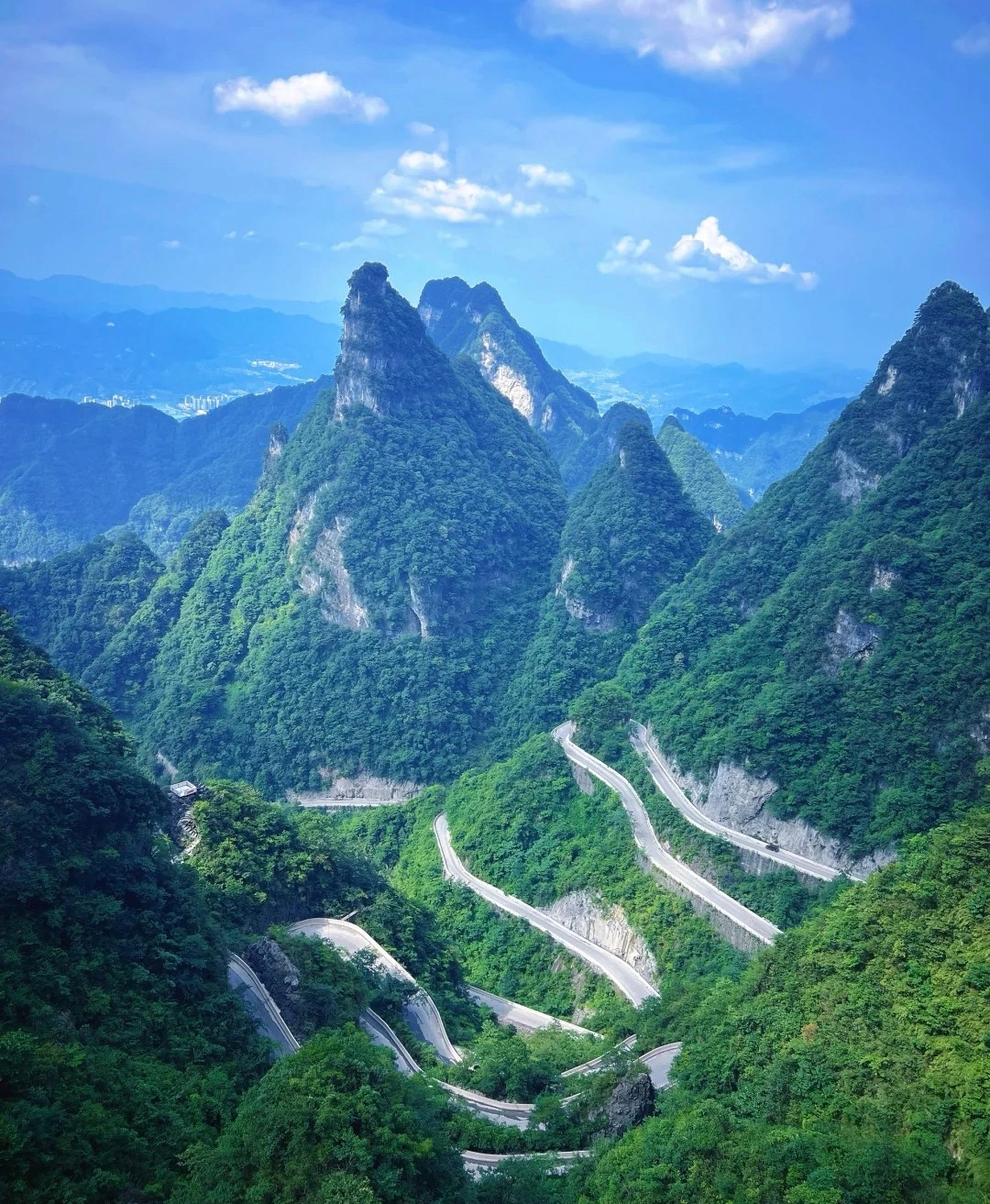
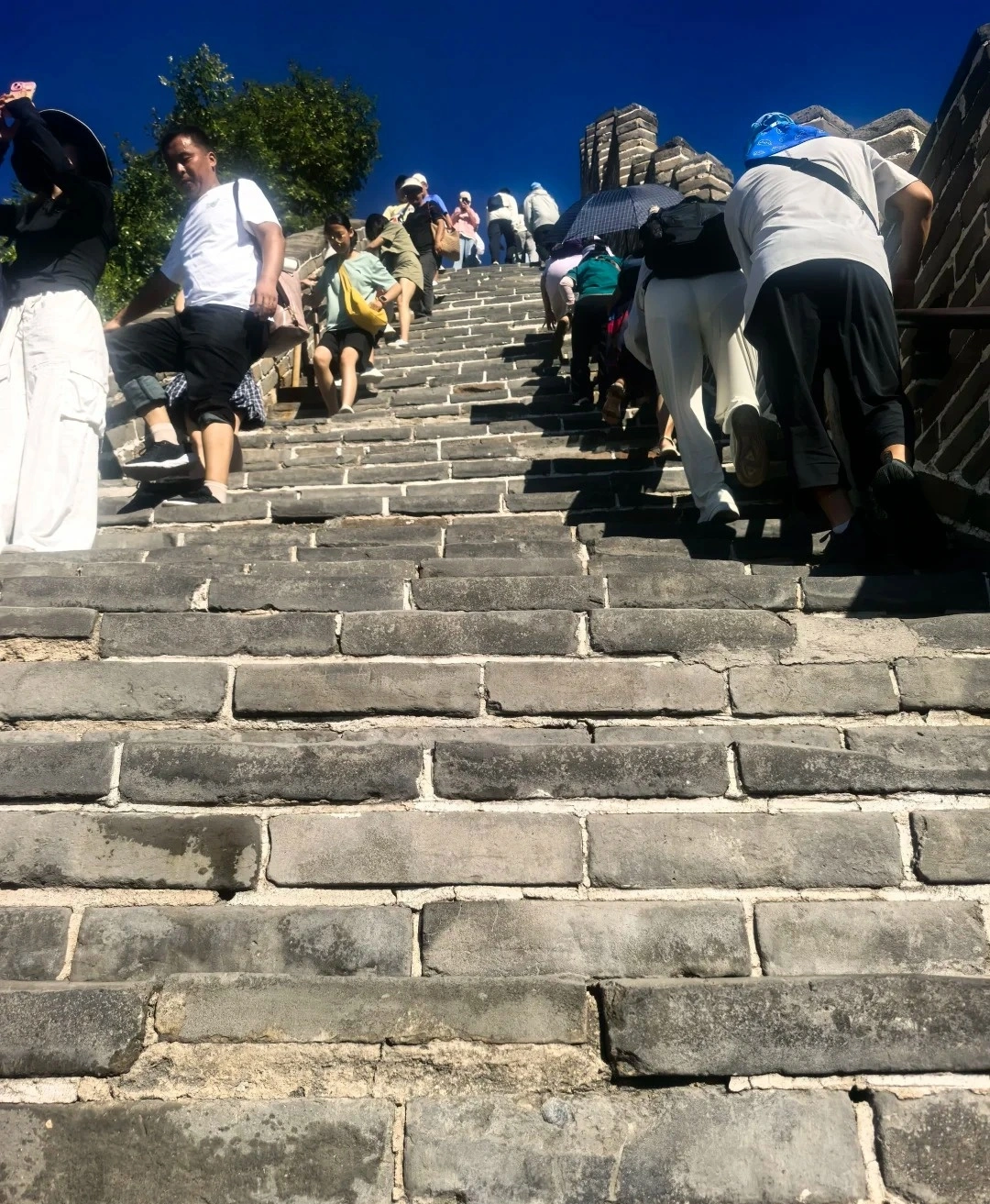
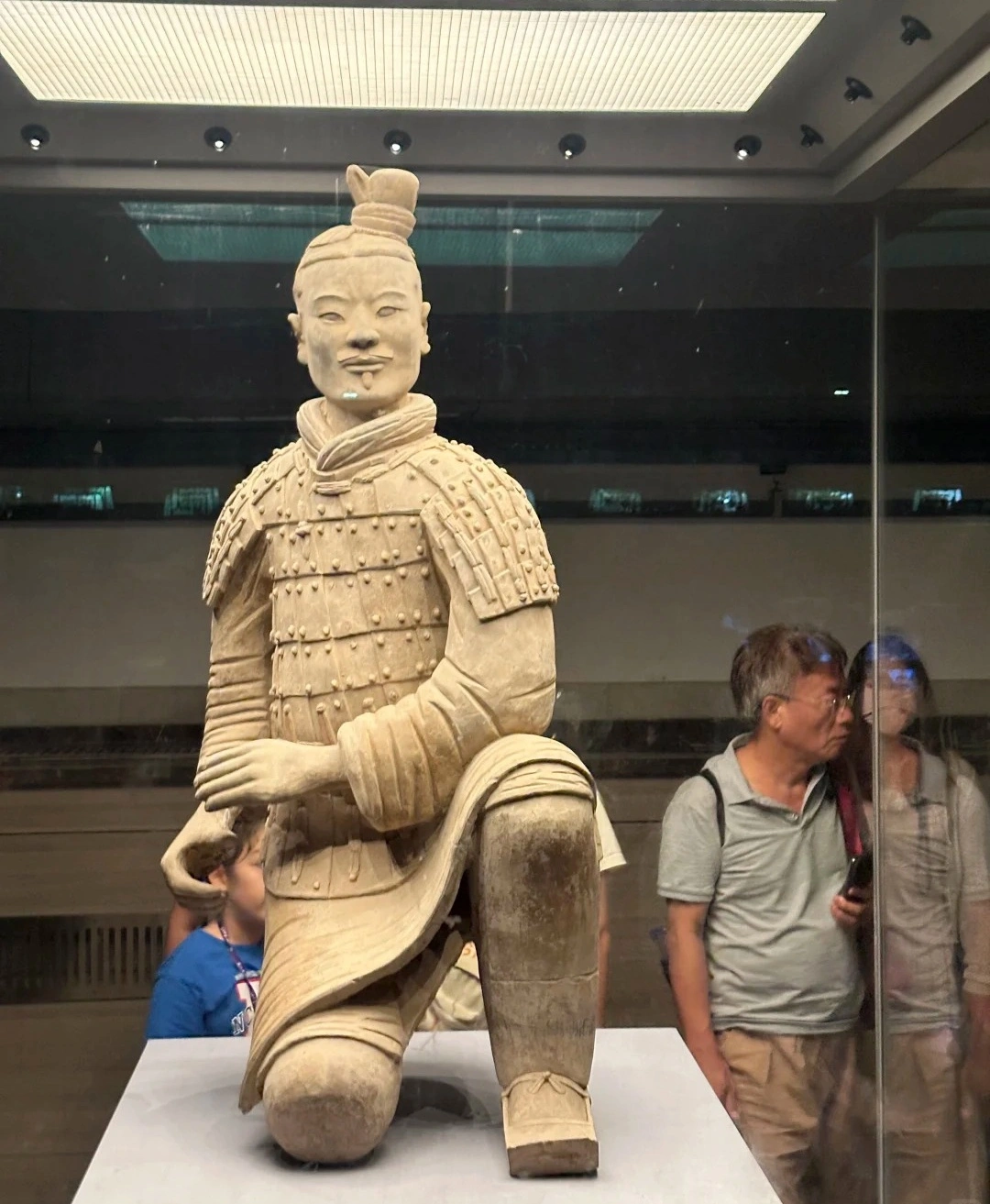
As a solo traveler from Canada, I was nervous about navigating China alone—but this 11-day tour was PERFECT! From hiking the Great Wall at sunrise (Day 3) to gasping at the Terracotta Army (Day 5), every day delivered ‘pinch-me’ moments. The real showstopper? Zhangjiajie’s Avatar Mountains (Day 7)! Our guide made the stone pillars come alive with stories.
Massive thanks for handling all logistics—bullet train tickets, entry passes, car! And the 4-star hotels surprised me.
Destination(s):
Beijing Xian Zhangjiajie Shanghai
Date of
Experience:
June 02,2025

Simon
America
Reviewed on May 29,2025
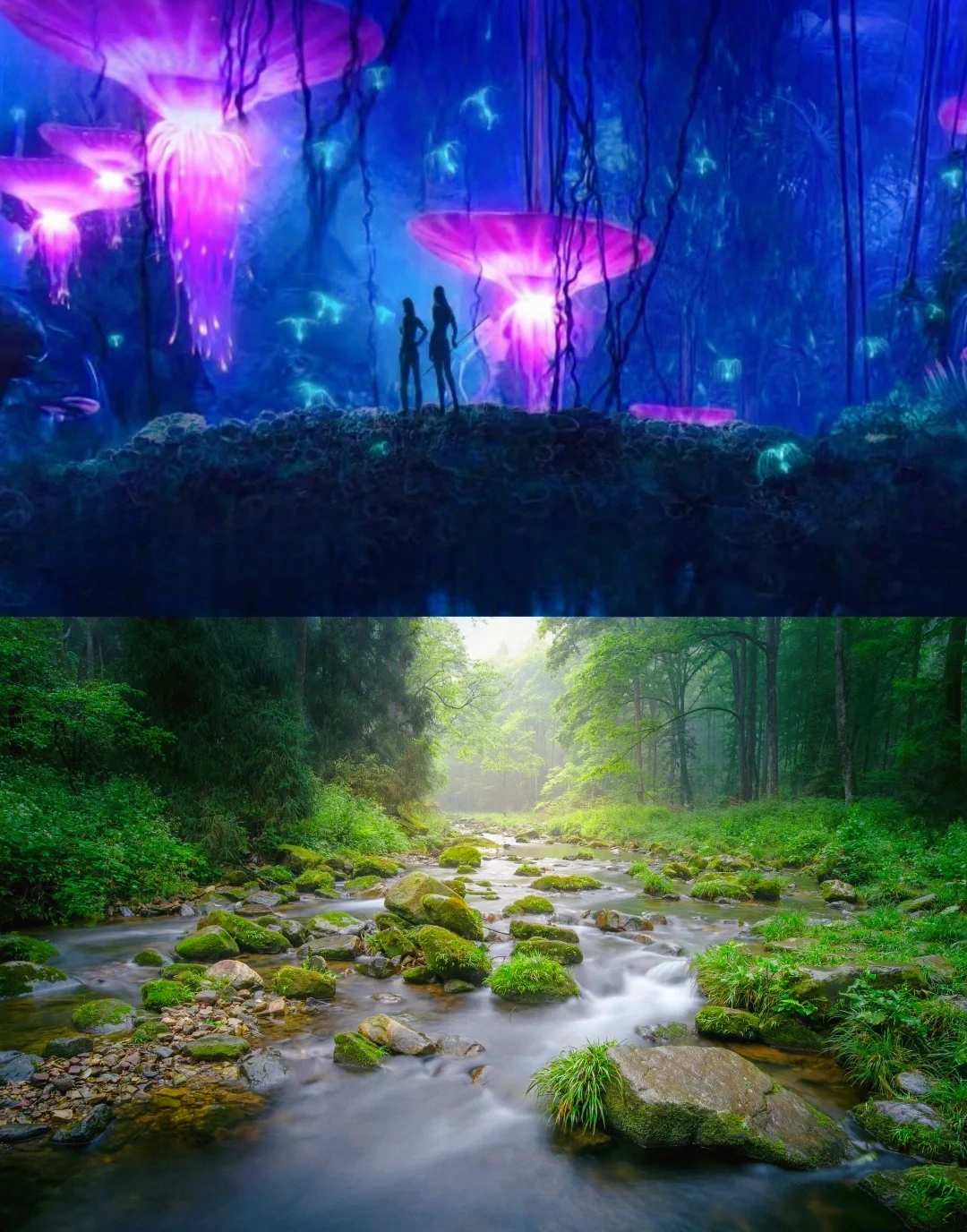
Our 2-day Zhangjiajie tour was beyond spectacular! As someone who’s visited Beijing and Shanghai for work, this trip revealed China’s wild, magical heart. Day 1 in Zhangjiajie National Forest Park felt like stepping onto Pandora—I’m a huge Avatar fan, and Yuanjiajie’s floating peaks left me breathless. The misty pillars and lush valleys like pure movie magic!
Then came Fenghuang Ancient Town, we eat dinner beside the thundering waterfall. It seems Unreal! The night views of stilt houses glowing over the river were straight from a fairy tale.
For fellow Avatar lovers and adventure seekers: Don’t miss this bucket-list experience! 10/10 would return.
A Well-Traveled Film Buff, May 2025
Destination(s):
Zhangjiajie
Date of
Experience:
May 08,2025