
The Three Ancient Clans
The Three Ancient Clans of Chinese Mythology: Dragon, Phoenix, and Qilin
1. Dragon (Long): The Serpentine Sovereign
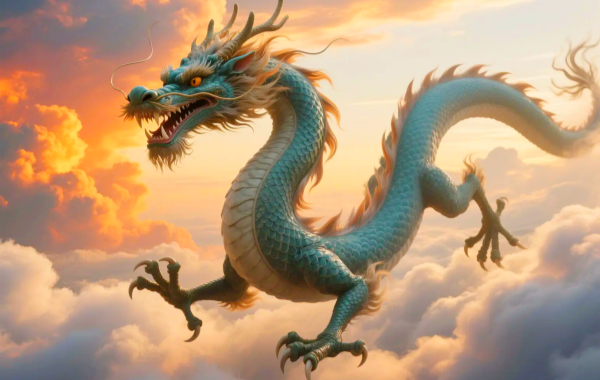
- Mythological Origins: The dragon (Long) is China's ultimate symbol of power, wisdom, and cosmic balance. According to ancient texts like the Shanhai Jing, dragons emerged from primordial chaos, embodying the essence of water and weather control. They were revered as protectors of the earth and sky, closely tied to the Yellow Emperor and Yu the Great, who harnessed their power to tame floods.
- Cultural Symbolism: Unlike Western dragons, Chinese dragons are benevolent, serpentine creatures with antlers, fish scales, and eagle talons. They represent imperial authority (the emperor was called the "Dragon Son") and prosperity. The phrase "Descendants of the Dragon" reflects national pride.
- Mythical Stories & Daily Life: Dragons feature in legends like the Dragon King governing seas and the Nine Sons with unique talents (e.g., the dragon's fifth son, Jiaotu, guards treasure). In Festivals like the Dragon Boat Festival, dragon boats race to honor dragons' protective spirit. Landmarks include Hong Kong's Kowloon (Nine Dragons) and Beijing's Nine Dragon Wall.
2. Phoenix (Fenghuang): The Celestial Harmonizer
- Mythological Origins: The phoenix (Fenghuang), born from cosmic eggs alongside the dragon, qilin, and tortoise, symbolizes yin-yang balance. Initially, Feng (male) and Huang (female) were separate, later merging into a single female entity paired with the male dragon to represent marital harmony.
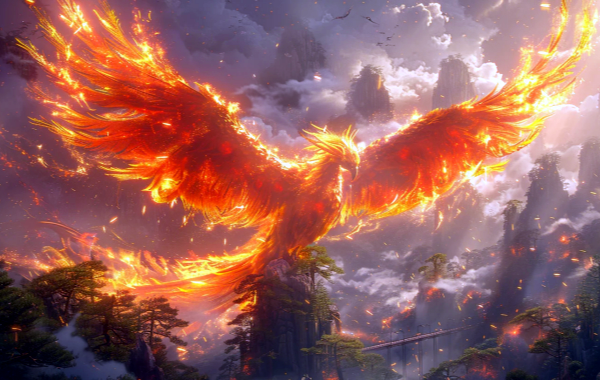
- Cultural Symbolism: As the "King of Birds," the phoenix embodies renewal, grace, and virtue. Its five-colored plumage symbolizes the five Chinese elements (wood, fire, earth, metal, water). In imperial times, the empress wore phoenix motifs to signify her role alongside the dragon-emperor.
- Mythical Stories & Daily Life: Legends like the phoenix's rebirth from fire (Fenghuang Ni) and its appearance during auspicious eras (e.g., Confucius' birth) highlight its role as a harbinger of peace. Modern uses include wedding decorations (dragon-phoenix pairs for harmony) and landmarks like Fenghuang Mountain in Liaoning and Fenghuang Ancient Town in Hunan.
3. Qilin (Kirin): The Gentle Omen
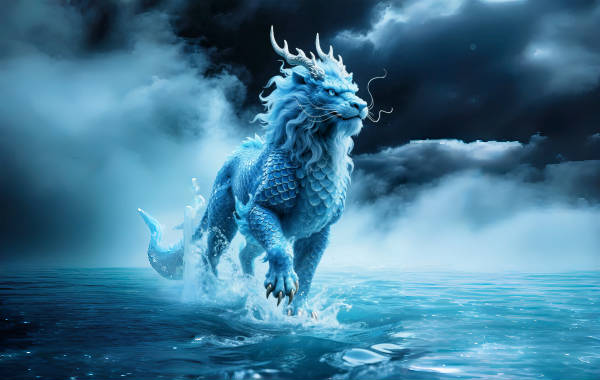
- Mythological Origins: The qilin, a hybrid of dragon, deer, and ox with a single horn, is the "King of Beasts" and a symbol of justice. Ancient texts like the Book of Rites describe it as a messenger of virtuous rulers, appearing during Confucius' birth and Emperor Yao's reign.
- Cultural Symbolism: Qilin embodies benevolence, prosperity, and longevity. Its gentle nature—avoiding stepping on grass—reflects Confucian virtues. In imperial China, qilin motifs adorned military uniforms (Qing Dynasty) and temple carvings to ward off evil.
- Mythical Stories & Daily Life: Stories like Zheng He's gift of a "qilin" (giraffe) to Emperor Yongle illustrate its real-world inspiration. Today, qilin statues guard temples and palaces, while festivals feature qilin dances for good fortune. Landmarks include Nanjing's Qilin Mountain and Beijing's Qilin Bridge.
Cultural Legacy & Modern Relevance
The trio—dragon, phoenix, qilin—remain vital in Chinese culture. Dragons dominate festivals and architecture, phoenixes grace weddings and art, and qilins symbolize justice in temples. Together, they represent harmony between heaven, earth, and humanity—a timeless testament to China's mythical heritage. Whether in dragon boat races, phoenix embroidery, or qilin statues, these creatures continue to weave magic into daily life.




What Our Clients Say?
Based on 10,000+ traveler reviews

Daniel Dorothea
Canada
Reviewed on April 29,2025
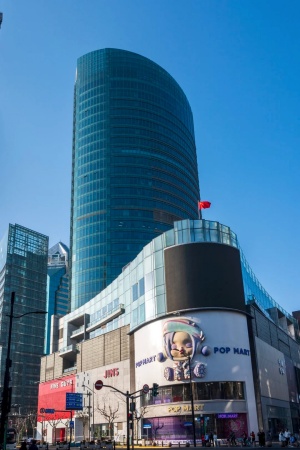
Shopping on Nanjing Road in Shanghai was just amazing! It's truly the "First Commercial Street of China", where tradition and modernity blend perfectly. You can find awesome souvenirs and experience the trendy vibes in cool stores. The neon lights at night are just spectacular, shining bright like Times Square in New York. The food here is incredible too. I had a feast for my taste buds. Shanghai, I'll definitely be back!
Destination(s):
Shanghai
Date of
Experience:
May 08,2024

Elvis Eva
Canada
Reviewed on June 20,2025
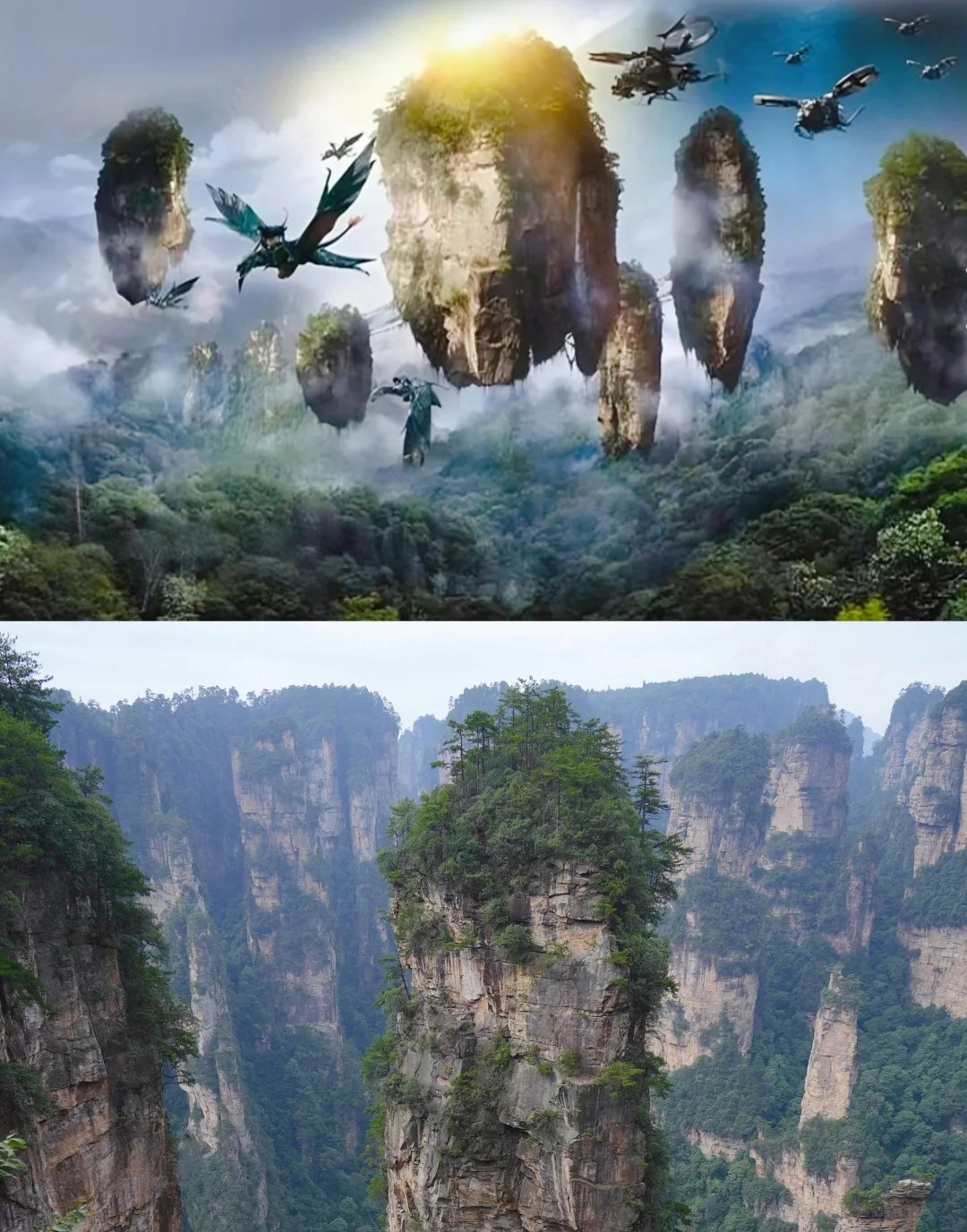
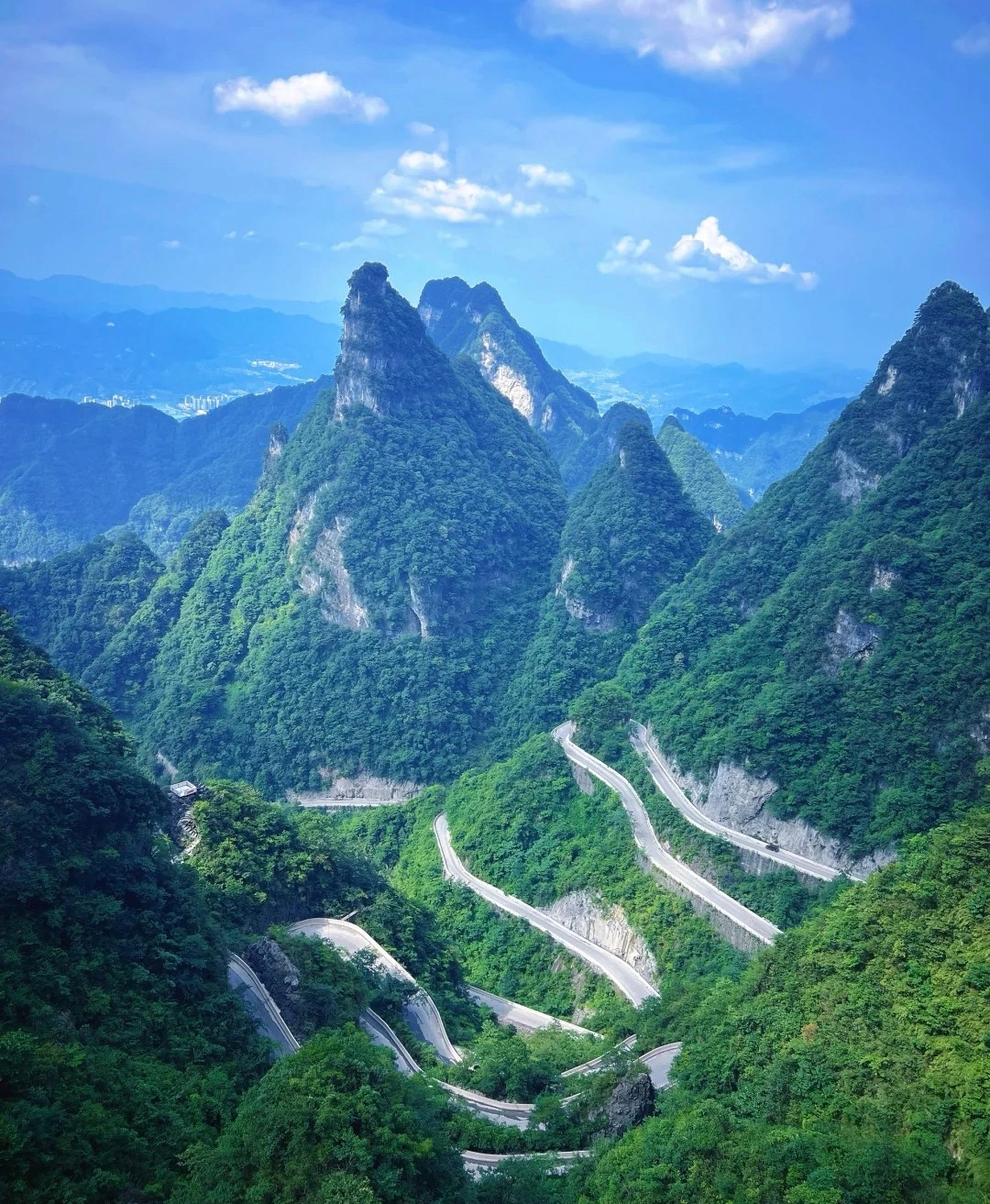
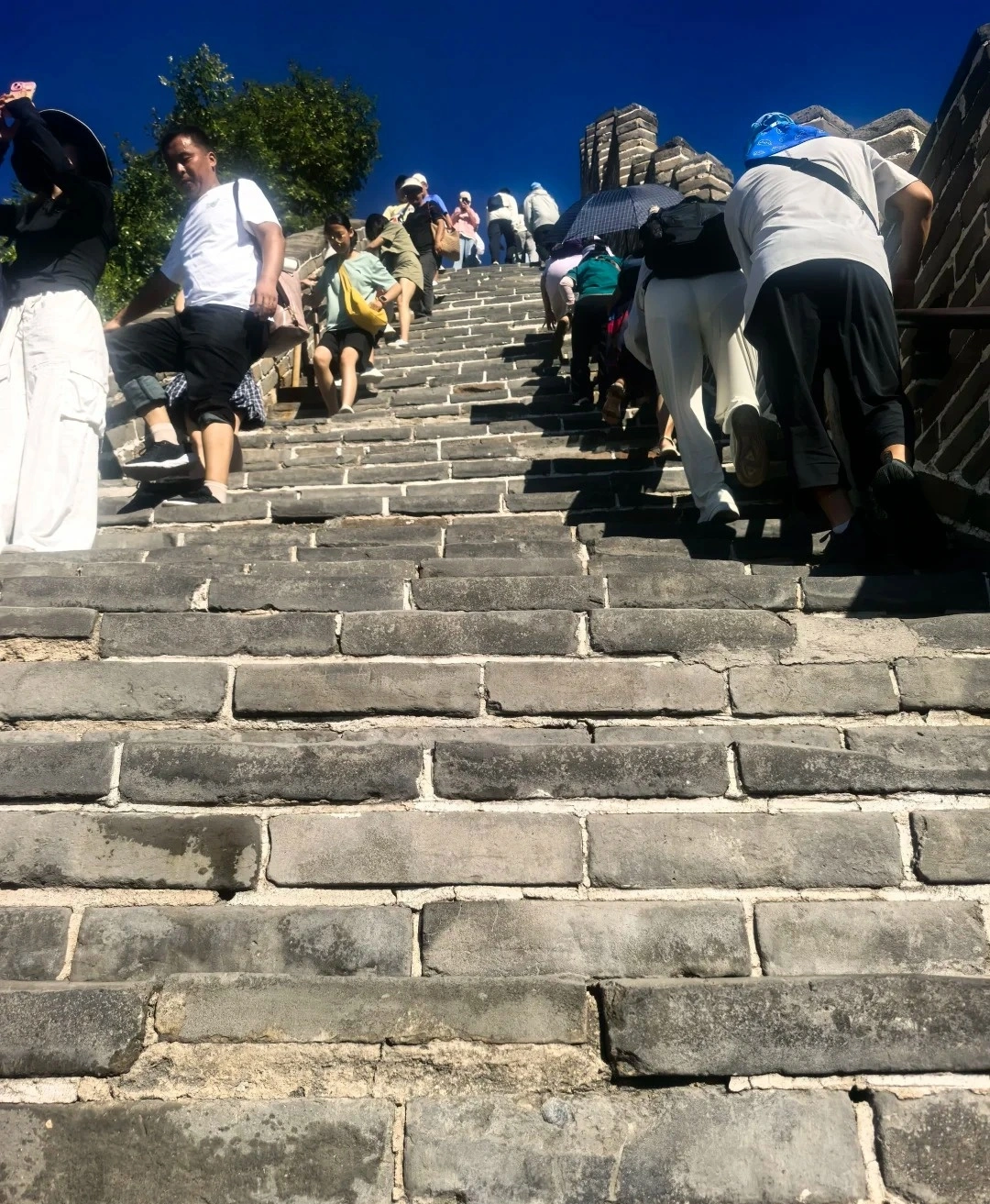
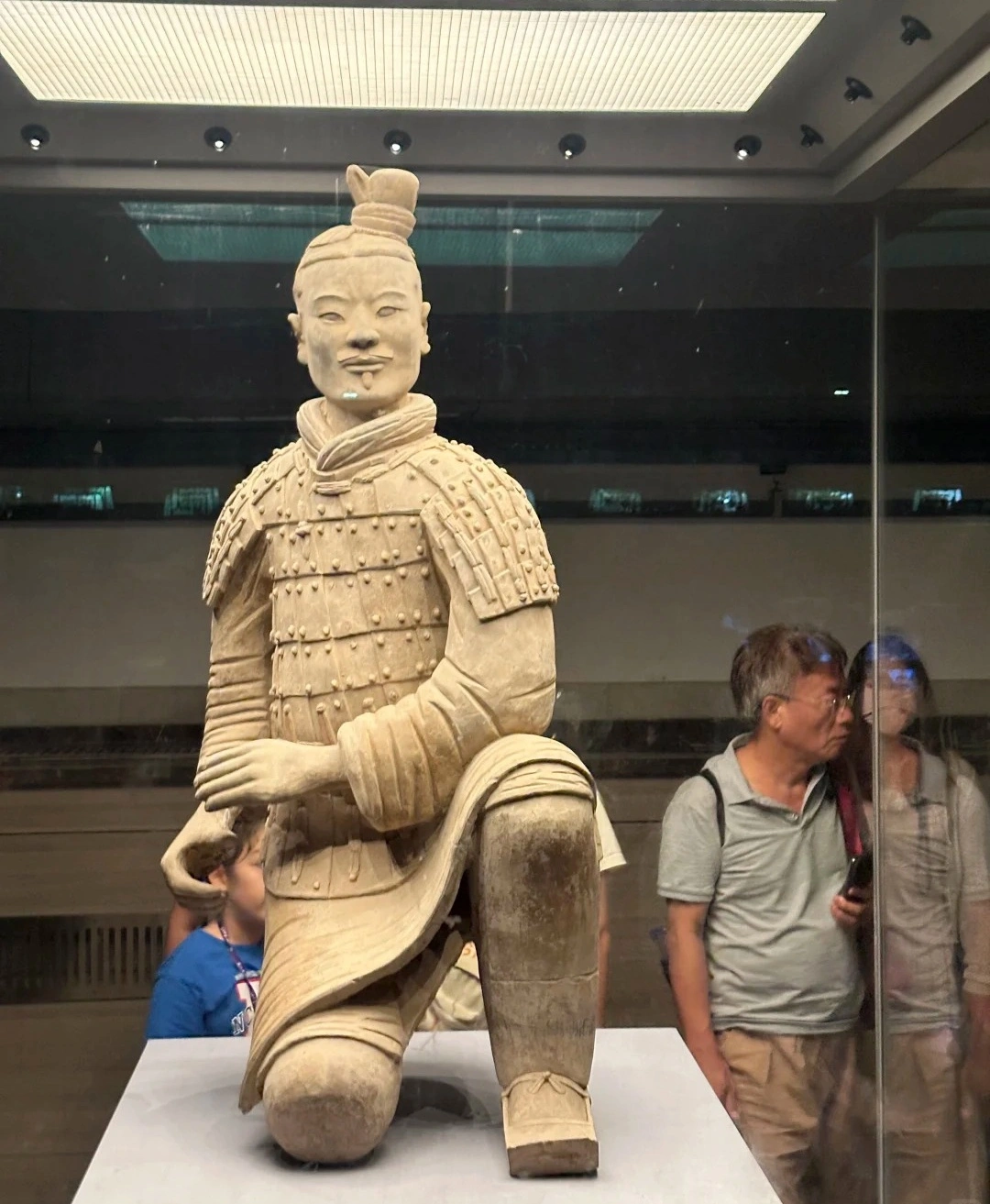
As a solo traveler from Canada, I was nervous about navigating China alone—but this 11-day tour was PERFECT! From hiking the Great Wall at sunrise (Day 3) to gasping at the Terracotta Army (Day 5), every day delivered ‘pinch-me’ moments. The real showstopper? Zhangjiajie’s Avatar Mountains (Day 7)! Our guide made the stone pillars come alive with stories.
Massive thanks for handling all logistics—bullet train tickets, entry passes, car! And the 4-star hotels surprised me.
Destination(s):
Beijing Xian Zhangjiajie Shanghai
Date of
Experience:
June 02,2025

Simon
America
Reviewed on May 29,2025
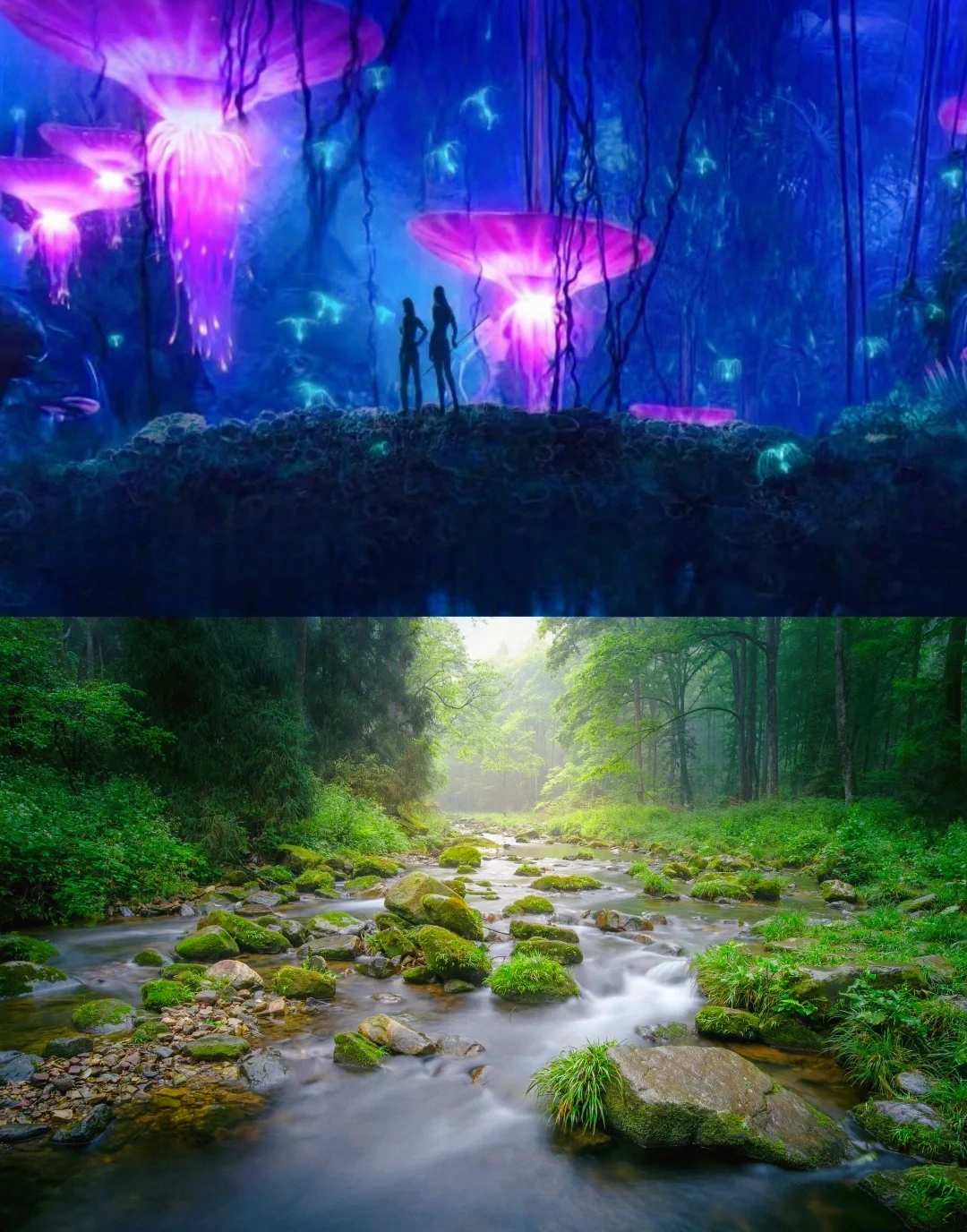
Our 2-day Zhangjiajie tour was beyond spectacular! As someone who’s visited Beijing and Shanghai for work, this trip revealed China’s wild, magical heart. Day 1 in Zhangjiajie National Forest Park felt like stepping onto Pandora—I’m a huge Avatar fan, and Yuanjiajie’s floating peaks left me breathless. The misty pillars and lush valleys like pure movie magic!
Then came Fenghuang Ancient Town, we eat dinner beside the thundering waterfall. It seems Unreal! The night views of stilt houses glowing over the river were straight from a fairy tale.
For fellow Avatar lovers and adventure seekers: Don’t miss this bucket-list experience! 10/10 would return.
A Well-Traveled Film Buff, May 2025
Destination(s):
Zhangjiajie
Date of
Experience:
May 08,2025