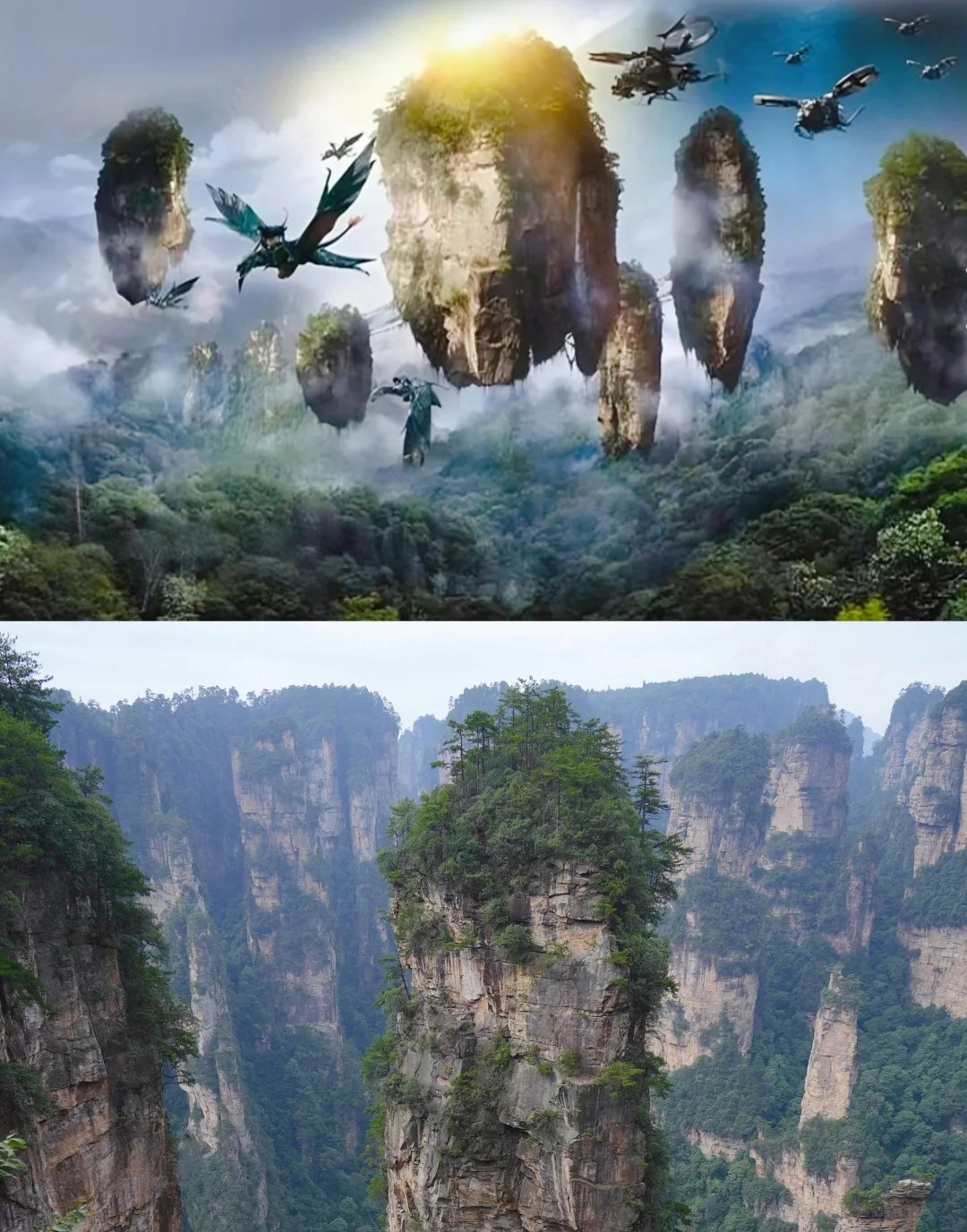

Nine Sons of the Dragon
The Nine Dragons' Offspring: Meet China's Quirkiest Mythical Creatures!
In Chinese mythology, the Dragon King—ruler of water, weather, and cosmic balance—fathered nine uniquely gifted sons, each embodying a different passion or power. These “Nine Dragons' Offspring” (龙生九子) aren't just decorative motifs—they're symbols of art, justice, and protection. Let's dive into their wild personalities and legendary tales!
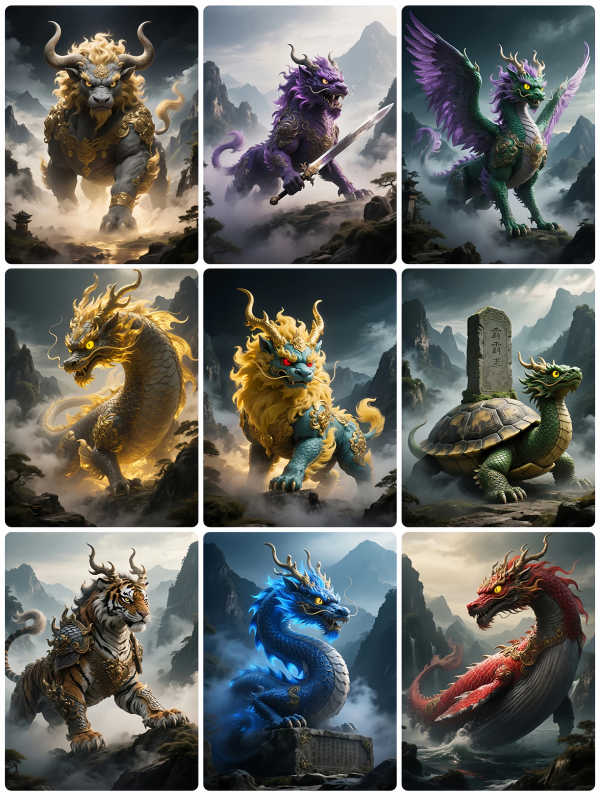
1. Qiuniu (囚牛) – The Melody Maestro
“The Dragon Who Loves Music More Than Gold”
Qiuniu, the eldest, is a music-obsessed dragon with a golden horn and scales that shimmer like a guitar's frets. You'll spot him perched on the head of traditional Chinese guqins (ancient zithers), where he's said to “sing” through vibrations. Legends claim he once challenged Phoenix to a duet, creating harmonies so pure they healed sick trees! Modern musicians still invoke him for inspiration—and to avoid stage fright.
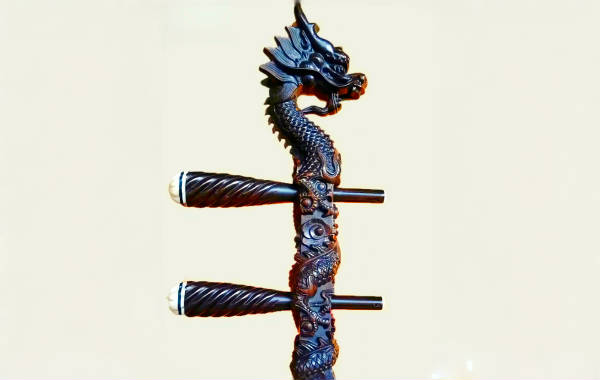
You can try to find it on the guzheng or huqin when attending traditional Chinese concerts.
2. Yazi (睚眦) – The Battle-Ready Brawler
“The Dragon With a Grudge and a Sword”
Yazi's a fiery, sword-wielding dragon with a serpent's tail and a temper to match. Born from the Dragon King's rage after a skirmish with the Storm God, he embodies “an eye for an eye”—his name literally means “anger in the eyes”! You'll find him carved on sword hilts and armor, where his ferocious gaze wards off evil. Warriors believe his spirit grants them superhuman strength in battle—if they don't lose their cool first.
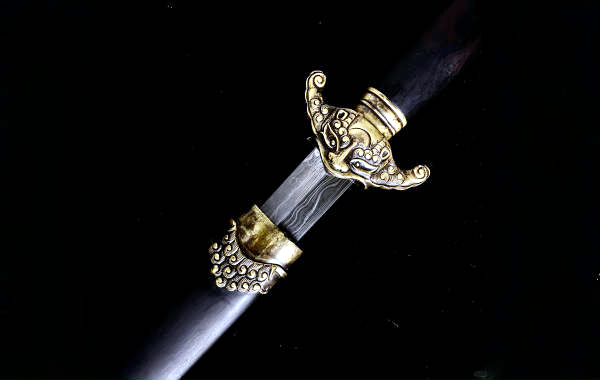
You can find it on the hilt of a sword or on the front of armor when visiting the Museum of Ancient Chinese Weapons.
3. Chaofeng (嘲风) – The Rooftop Adventurer
“The Dragon Who Loves Heights (and Drama)”
Chaofeng is the daredevil of the clan, with wings like a phoenix and a habit of perching on palace roofs to survey kingdoms. His hobby? Scaring off evil spirits with acrobatic flips! Ancient architects placed him on eaves to symbolize protection and good luck. Rumor has it he once out-pranked a mischievous mountain spirit by turning its fog into rainbows—earning him the title “Guardian of Laughing Roofs.”
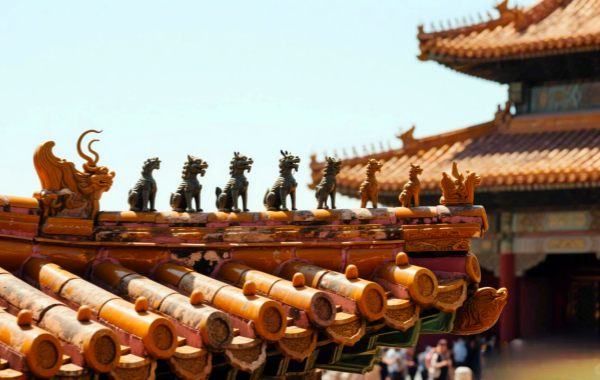
You can find it on the ridge of the roof when visiting traditional Chinese buildings such as the forbidden city and Yu Garden.
4. Pulao (蒲牢) – The Loud-Mouthed Bell Ringer
“The Dragon Who Roars Louder Than Thunder”
Pulao's a sea-dragon with a voice louder than a typhoon! Born from the Dragon King's thunderous snore, he's often carved onto giant bronze bells. When rung, his image is said to amplify the sound, scaring ghosts away. Folktales say he once challenged a giant whale to a shouting contest—and won by making the ocean waves dance! Today, temples still use Pulao-shaped bells to announce prayers to heaven.
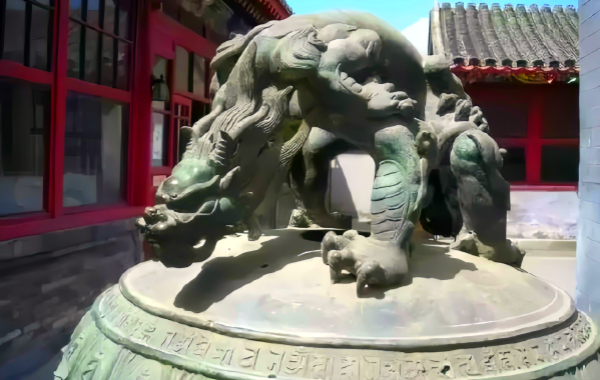
You can find it on top of the bronze bell when visiting Chinese temples such as Wudang Mountain or Shaolin Temple.
5. Suanni (狻猊) – The Smoke-Loving Zen Master
“The Dragon Who Meditates… and Hates Bad Smells”
Suanni's a laid-back dragon with a lion's mane and a love for incense smoke. You'll find him lounging on Buddhist altars and censers, where he's believed to purify the air and calm minds. Legends claim he taught humans how to brew tea to “smoke away” stress. Monks say his purrs can be heard during deep meditation—but only if you're truly peaceful!
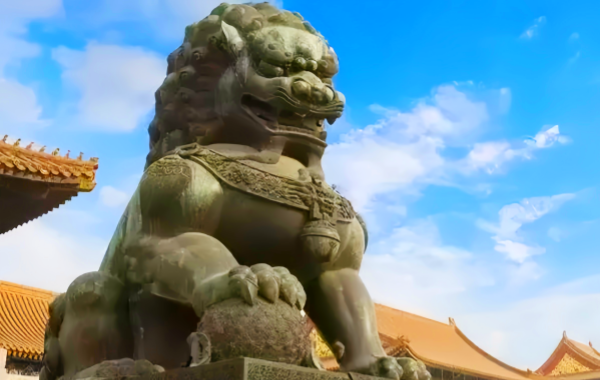
You can find it next to the gate or altar when visiting Chinese sacrificial sites such as The Temple of Heaven.
6. Baxia (霸下) – The Stone-Shouldering Strongman
“The Dragon Who Loves Heavy Lifting (and History)”
Baxia's a turtle-dragon with a shell strong enough to carry mountains! He's the go-to guy for hauling giant stone tablets and stelae. Ancient emperors enlisted him to move monuments, as his slow, steady gait symbolized eternal stability. Folktales say he once carried The Great Wall on his back—until he got tired and sneezed, creating the first hills!
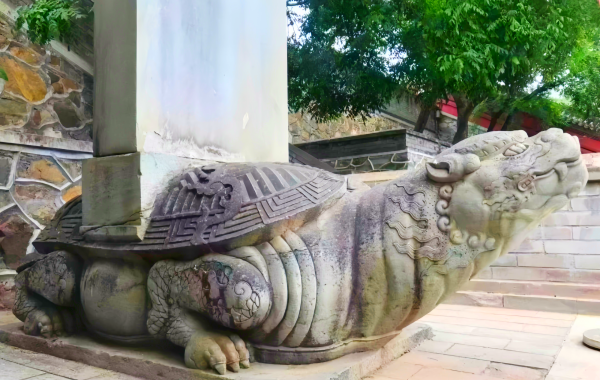
You can find it under the stone tablet when visiting Chinese gardens or temples such as Wuhou Temple.
7. Bian'ao (狴犴) – The Justice-Loving Judge
“The Dragon Who Hates Corruption (and Loves Courtrooms)”
Bian'ao's a tiger-dragon hybrid with a passion for fairness. You'll find him carved on prison gates and courthouse beams, where his fierce gaze exposes lies and protects the innocent. Legends claim he once transformed into a human judge to solve a theft case—using his claws to etch the truth in stone! Modern lawyers still invoke him for wisdom in tough cases.
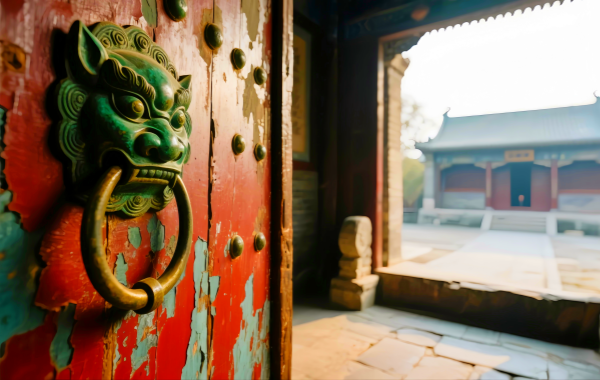
You can find it at the doorstep when visiting ancient Chinese cities or buildings such as the Prince Gong's Mansion.
8. Fuxi (负屃) – The Literary Dragon
“The Dragon Who Reads Books Backwards (and Still Gets A+)”
Fuxi's a bookish dragon with serpentine scales and a love for poetry. Unlike his rowdy siblings, he prefers quiet libraries to battlefields. You'll find him etched beside stone inscriptions, where he guards ancient texts from decay. Scholars believe he inspired the first Chinese dictionaries—by organizing words into rhyming stanzas!
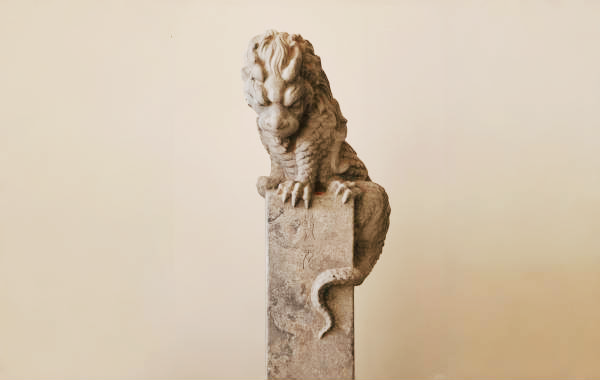
You can find it above the stone tablet when visiting temples or gardens. Not every stone tablet has it.
9. Chiwen (螭吻) – The Flame-Devouring Roof Guardian
“The Dragon Who Eats Fires for Breakfast”
Chiwen's a fish-dragon with a flame-shaped tail and a hunger for disaster. Perched on roof corners, he's said to swallow fires and storms to protect homes. Folktales claim he once saved a village from a wildfire by gulping it whole—then burped rainbows! Firefighters today still whisper his name to calm flames.
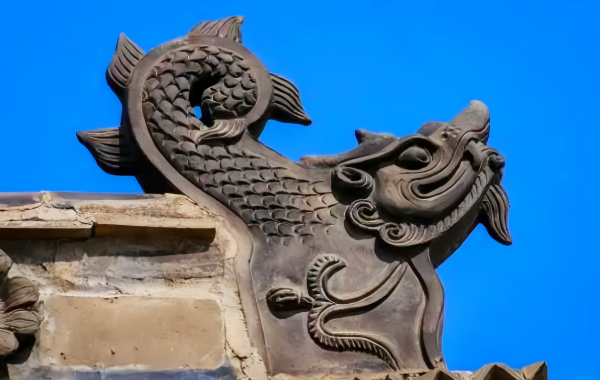
You can find it on the eaves corner of the roof when visiting ancient Chinese architecture such as Pingyao Ancient City.
Why This Myth Still Matters
The Nine Dragons' Offspring aren't just mythical mascots—they're blueprints for balancing passion and responsibility. Each son represents a facet of life: art, courage, protection, and wisdom. For modern audiences, they remind us that even in chaos, there's room for creativity, justice, and a good sense of humor. So next time you see a dragon-shaped decoration on a roof or bell, remember—it's not just decor; it's a lesson in living boldly and kindly!




What Our Clients Say?
Based on 10,000+ traveler reviews

Daniel Dorothea
Canada
Reviewed on April 29,2025
Shopping on Nanjing Road in Shanghai was just amazing! It's truly the "First Commercial Street of China", where tradition and modernity blend perfectly. You can find awesome souvenirs and experience the trendy vibes in cool stores. The neon lights at night are just spectacular, shining bright like Times Square in New York. The food here is incredible too. I had a feast for my taste buds. Shanghai, I'll definitely be back!
Destination(s):
Shanghai
Date of
Experience:
May 08,2024


Elvis Eva
Canada
Reviewed on June 20,2025
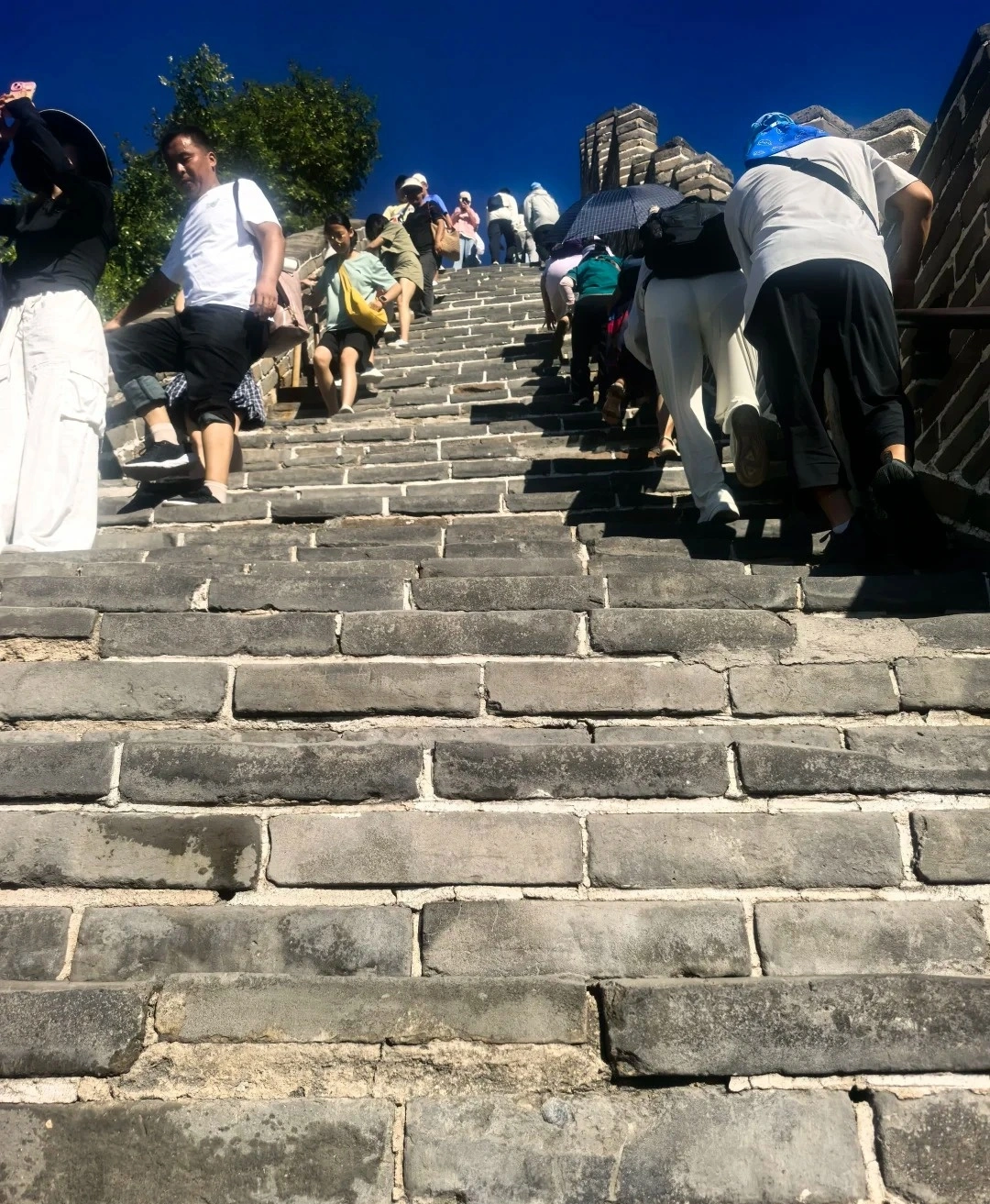
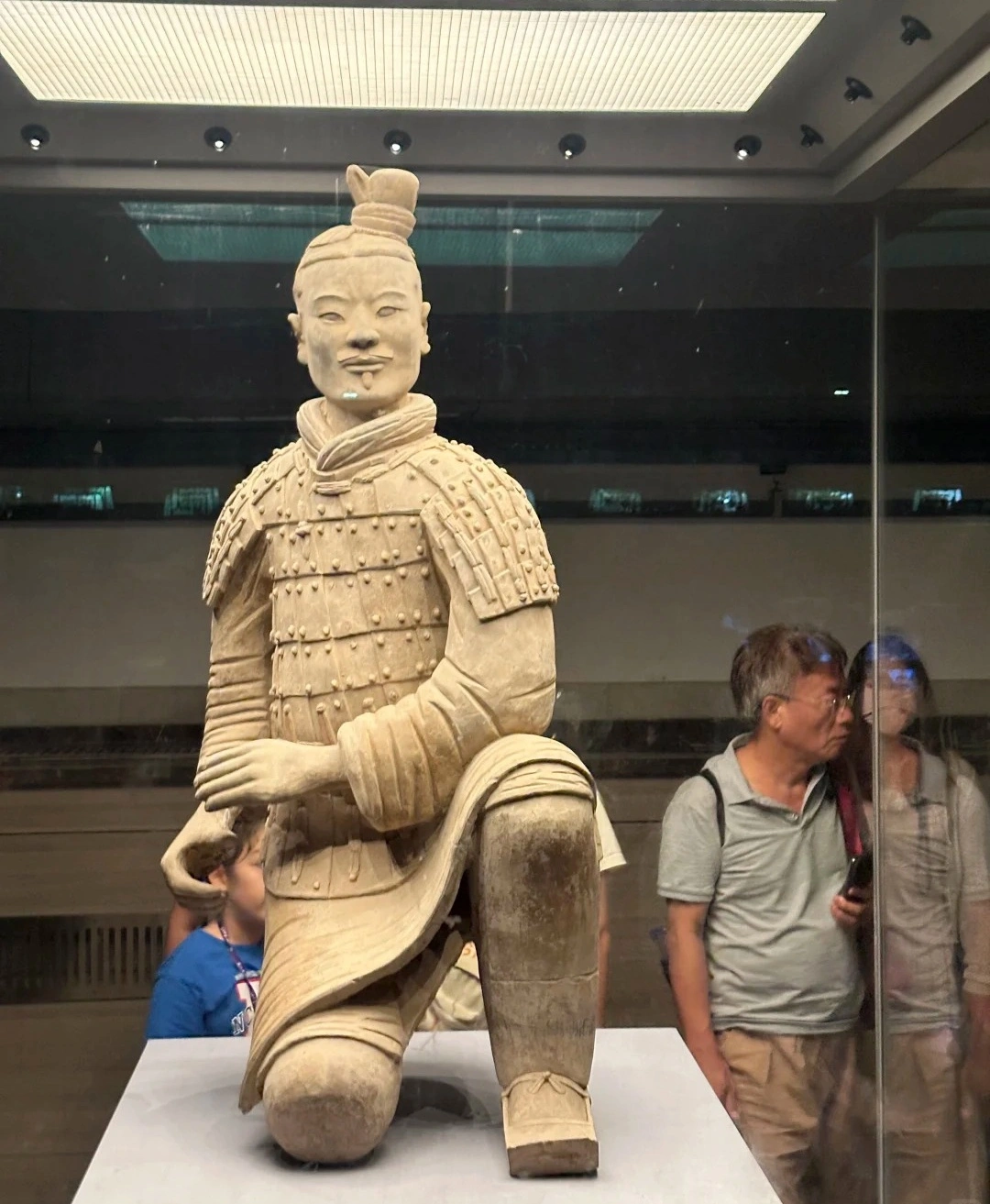
As a solo traveler from Canada, I was nervous about navigating China alone—but this 11-day tour was PERFECT! From hiking the Great Wall at sunrise (Day 3) to gasping at the Terracotta Army (Day 5), every day delivered ‘pinch-me’ moments. The real showstopper? Zhangjiajie’s Avatar Mountains (Day 7)! Our guide made the stone pillars come alive with stories.
Massive thanks for handling all logistics—bullet train tickets, entry passes, car! And the 4-star hotels surprised me.
Destination(s):
Beijing Xian Zhangjiajie Shanghai
Date of
Experience:
June 02,2025


Simon
America
Reviewed on May 29,2025
Our 2-day Zhangjiajie tour was beyond spectacular! As someone who’s visited Beijing and Shanghai for work, this trip revealed China’s wild, magical heart. Day 1 in Zhangjiajie National Forest Park felt like stepping onto Pandora—I’m a huge Avatar fan, and Yuanjiajie’s floating peaks left me breathless. The misty pillars and lush valleys like pure movie magic!
Then came Fenghuang Ancient Town, we eat dinner beside the thundering waterfall. It seems Unreal! The night views of stilt houses glowing over the river were straight from a fairy tale.
For fellow Avatar lovers and adventure seekers: Don’t miss this bucket-list experience! 10/10 would return.
A Well-Traveled Film Buff, May 2025
Destination(s):
Zhangjiajie
Date of
Experience:
May 08,2025