Xijiang Qianhu Miao Village: The "Open Air Museum" and Living Epic in the Deep of the Millennium Miao Ridge

Xijiang Qianhu Miao Village: The

Overview: A cultural palace hanging on terraced fields
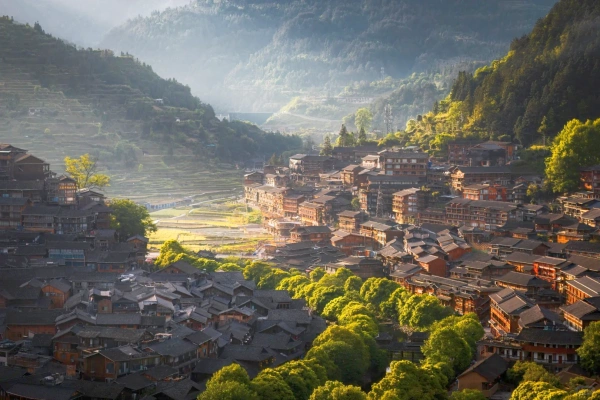
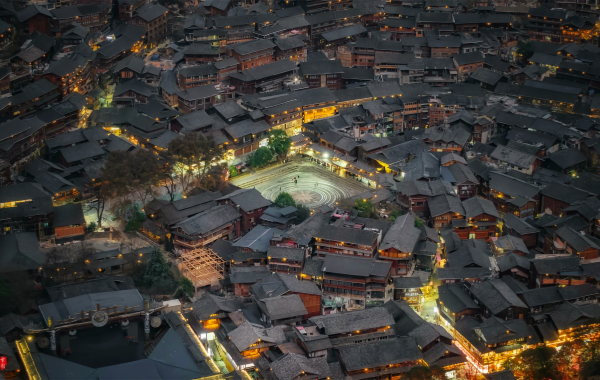
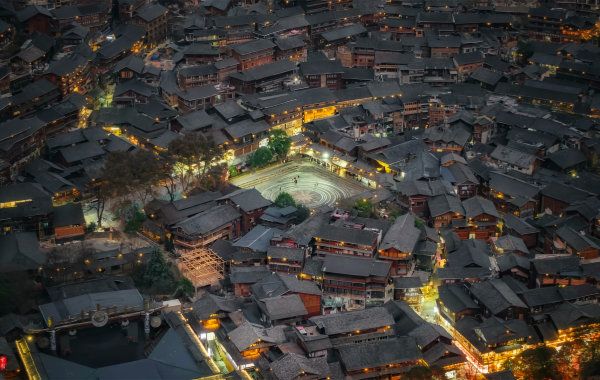
Xijiang Qianhu Miao Village is located at the foot of Leigong Mountain in the northeast of Leishan County, Qiandongnan Miao and Dong Autonomous Prefecture, Guizhou Province. It is the largest and most well preserved Miao ethnic settlement village in China and even the world.

Quick overview of core highlights
Identity tags: China's largest Miao village/Living fossil of Miao culture/Outdoor museum
Core experience: panoramic view of Qianhu Miao Village, dressing in Miao costumes, enjoying long table banquets, and appreciating the song and dance performance of "Beautiful Xijiang"
Suggested tour: 1-2 days, strongly recommend overnight stay to enjoy the dazzling night view and dawn glow
Address: Xijiang Town, Leishan County, Qiandongnan Miao and Dong Autonomous Prefecture, Guizhou Province

  • Xijiang Qianhu Miao Village: The
  • Xijiang Qianhu Miao Village: The
  • Xijiang Qianhu Miao Village: The
  • Xijiang Qianhu Miao Village: The

Origin: Epic of Migration and Mountain Homeland

Furong Ancient Town Furong Ancient Town

The name of "Xijiang" - settlements in the hinterland of Miaojiang
In Miao language, 'Xijiang' is called 'Dlib Jangl', meaning the river where the 'Xi' branch of the clan resides. Its history can be traced back to the Chiyou tribe period over 5000 years ago. According to the ancient songs of the Miao ethnic group, during the long migration process, a branch of the Miao ethnic group called "Shang" went through hardships and finally chose to settle down on this fertile land at the foot of Leigong Mountain. They built a village along the mountain and lived by the water. They cultivated terraced fields here, creating a mountain farming civilization that perfectly coexists with nature. Xijiang Miao Village was not built overnight, but a work of wisdom and time jointly crafted by the Miao ancestors.

Cultural Persistence - From Hidden Borders to World Business Cards
The modern story of Xijiang Qianhu Miao Village is a revitalization chapter about cultural consciousness and confidence: during the period of closed self-defense (before the 1980s), it was deeply hidden in the hinterland of Leigong Mountain, with inconvenient transportation, and preserved the extremely primitive and pure Miao way of life and cultural customs, which are rarely known to the outside world. In 1982, it was listed as a Class B rural tourism open zone in Guizhou Province and began to attract the attention of a few anthropologists and explorers. After entering the year 2000, with the deepening of tourism development, how to protect native culture in the wave of modernization has become a core issue. The principle of "protection first, reasonable development" has been established locally, and systematic repairs have been carried out on the ancient architectural complex. Since 2008, it has been included in the "Preparatory List of Chinese World Cultural Heritage" under the name of "Guizhou Miao Village". Nowadays, it has become a super window to showcase Miao culture, attracting millions of tourists every year and bringing vitality to the ancient Miao culture in contemporary times.

In depth understanding: Explore more precious ethnic cultural treasures in China>>Zhenyuan Ancient City

Must see Wonders: Landscape Paintings and Cultural Epics

Furong Ancient Town Furong Ancient Town

 Natural Creation - The Concerto of Terraces, Rivers, and Clouds
The natural landscape of Miao Village is a grand stage built for its cultural life.
Stacked Terraces: Carving Art of the Earth
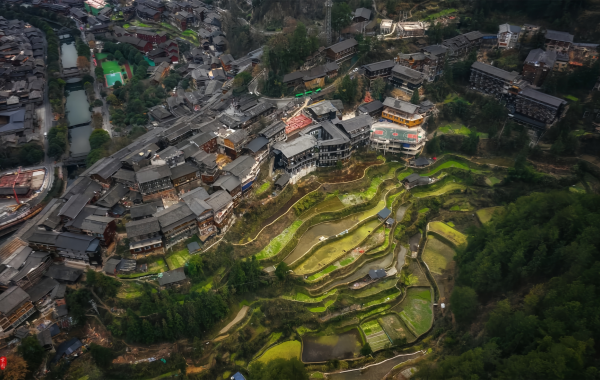
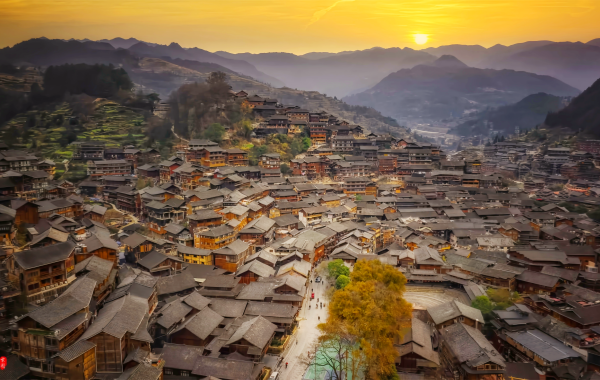
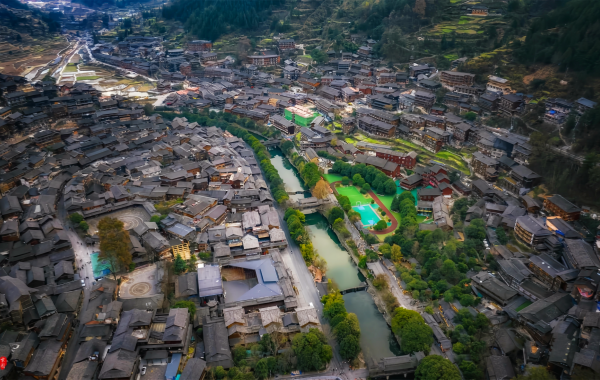
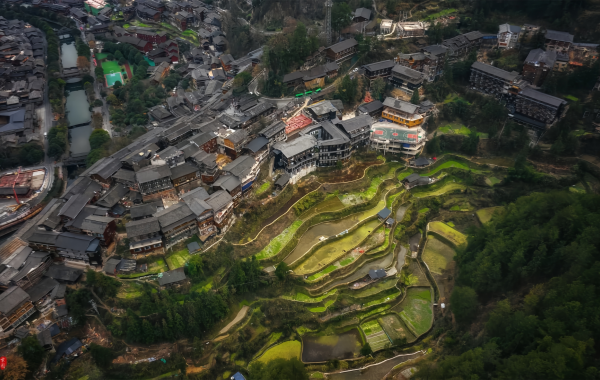
From the observation deck, the most stunning sight is not only the houses, but also the thousand acre terraced fields surrounding the Miao village and undulating with the mountain terrain. In spring, the water is like a mirror, in summer, the green grass is like a blanket, in autumn, the rice waves are golden, and in winter, the lines are distinct. Terraced fields are not only the foundation for producing food, but also the crystallization of ecological wisdom for the Miao ethnic group to adapt to mountainous environments. Together with stilted houses, they form a three-dimensional picture of agricultural civilization.
The winding Baishui River: the lifeline of the village
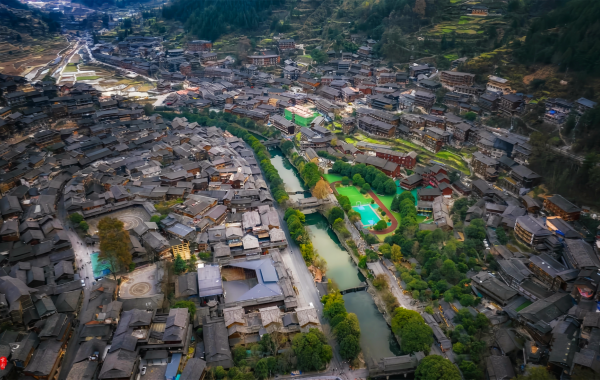
The clear Baishui River flows through the village, dividing the Xijiang Miao Village in two. There are several wind and rain bridges (corridor bridges) erected on the river, which are not only important transportation routes, but also public spaces for villagers to relax and socialize. The river water irrigates the terraced fields and nourishes generations of Xijiang people. In the early morning, Miao women washing clothes are commonly seen by the river; In the evening, the laughter of children playing in the water blends with the murmuring sound of water.
Flowing Clouds and Mists: Natural Curtain in the Mountains
Due to its location at the foot of Leigong Mountain, the Xijiang River is foggy. Especially after rain or in the early morning, milky white clouds rise from the valley and wrap around the stilted houses, sometimes partially covering the village and sometimes completely floating on the sea of clouds. The flowing clouds and mist add infinite fairy spirit and mystery to the Miao village, making it the moment that photographers are most looking forward to capturing.
 Humanistic Craftsmanship - A Feast of Architecture, Clothing, and Silver Jewelry
Everything here is a wordless history of Miao culture.
Hanging Foot Building Complex: A Wooden Epic on the Cliff
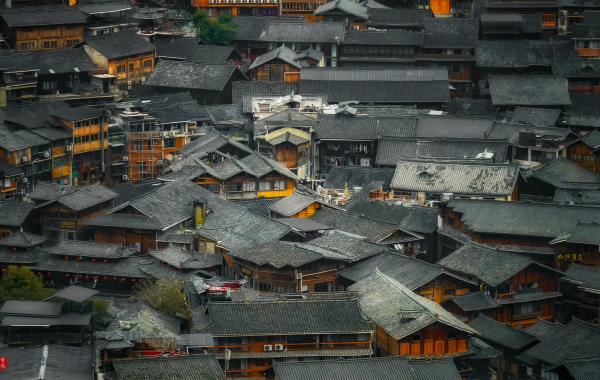
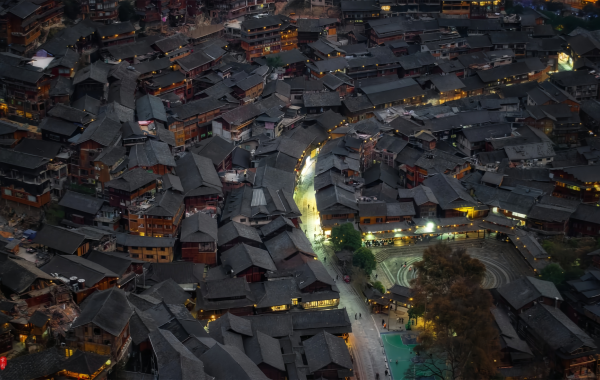
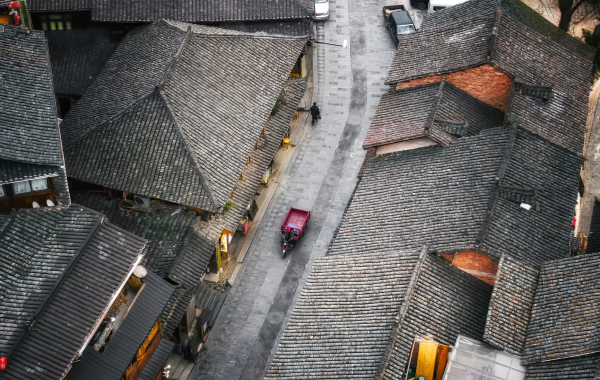
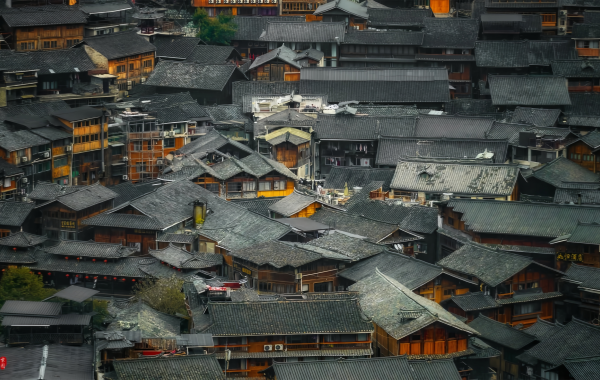
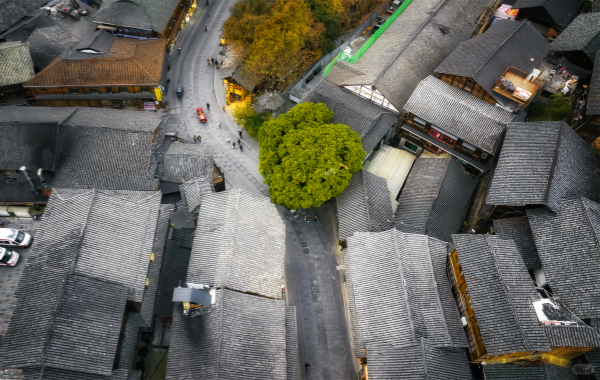
Thousands of stilted houses were built along the mountain terrain, which is a model of Miao style stilted architecture. They mostly use maple as pillars, cedar boards as walls, and small blue tiles on the roof. The building is divided into three floors, with the bottom floor used for storing miscellaneous items or raising livestock, the middle floor for people, and the top floor for storing food. This building structure is ventilated and moisture-proof, suitable for mountainous terrain, and does not require leveling the land, reflecting a high level of ecological building wisdom. Looking at it in a row, it is extremely spectacular.
Wind and Rain Bridge: A Cultural Corridor Connecting Ancient and Modern Times
There are currently seven wind and rain bridges in the village, each with exquisite carvings and paintings covering the bridge body and corridors. The content is mostly about Miao mythology, historical stories, and auspicious patterns. They are not only bridges for convenient transportation, but also pavilions for shelter from wind and rain, "flower bridges" for young men and women to socialize, carrying rich cultural functions.
Miao silver jewelry and clothing: historical records worn on the body
Miao ethnic costumes, especially women's formal attire, are extremely gorgeous. A complete Xijiang Miao ethnic costume, with silver jewelry weighing up to ten kilograms. Wearing silver horns on the head, a silver collar around the neck, and dressed in a heavily embroidered "Wu Pai" (Hundred Bird Coat). The patterns on silver jewelry record the mountains, rivers, and streams along the migration route, while the embroidered patterns contain the history and mythology of the ethnic group. On major festivals such as the Miao New Year and the Eating Festival, the whole village is dressed in costumes, which is a moving visual feast.
Xijiang Miao Museum: Concentrated Cultural Code
The museum located within the village is the first lesson in systematically understanding Miao culture. The museum displays in detail the history, production, life, festivals, art, and beliefs of the Miao ethnic group through physical objects, pictures, and scene restoration. It is a "guidebook" for understanding the beauty of the Xijiang River.

Photography tips:
The best camera position for taking a panoramic view is on the mountaintop observation deck opposite the entrance of the scenic area, which can capture the magnificent atmosphere of the entire Miao village, especially during sunrise and lighting.
Ancient streets and alleys, as well as wind and rain bridges, are suitable for filming cultural documentaries and capturing the living conditions of local people.
Close ups must be reserved for exquisite silver jewelry details and embroidery textures

Core Experience: Immersive Miao Living Guide

Furong Ancient Town

Four Must Do Things to Unlock a Complete Miao Village Journey
1. Climbing high and overlooking, feel the shock of thousands of household lights
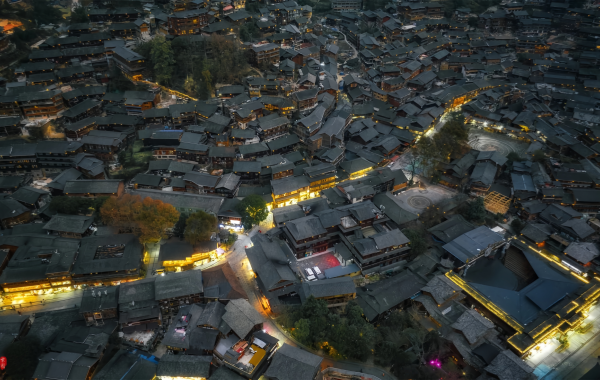
Be sure to climb onto the observation deck before dusk and wait for sunset. Watching the afterglow of the sunset gilding the wooden stilted houses with gold, and witnessing the starry lights shining one by one, until thousands of households lit up the entire valley, like a galaxy pouring into the mountains. This is the most unforgettable magical moment in Xijiang.
2. Wear Miao ethnic costumes once and be a part of the Miao family
Multiple shops in the village can rent Miao clothing. Wearing exquisite embroidered clothes and a shiny silver crown, walking on ancient streets or wind and rain bridges, and taking a set of travel photos with strong ethnic customs is the best way to integrate into the local area.
3. Taste a grand and grand long table banquet
The long table banquet is the highest form and grand etiquette of Miao ethnic banquets. Dozens of tables are connected, and people sit opposite each other. Tasting Miao ethnic specialty dishes such as sour soup fish, cured meat, and glutinous rice, along with enthusiastic Miao girls holding wine pots and singing toasting songs, brought a "high mountain and flowing water" style toasting experience, creating a lively and joyful atmosphere.
4. Watch an original ecological song and dance performance of "Beautiful Xijiang"
The large-scale original ecological song and dance performance "Beautiful West River", which is regularly performed in the performance venue every afternoon, is the condensed essence of understanding the Miao culture. Through singing and dancing, as well as clothing displays, the historical migration, worship, farming, marriage and love of the Miao ethnic group are vividly portrayed, with grand scenes and strong emotional appeal.

Tourist Route Suggestions
One day "panoramic experience" essence tour (suitable for people with tight time):
Morning: Arrive at the scenic area, take the sightseeing bus to the observation deck, have a panoramic view of the Miao village → walk down the mountain, visit the Xijiang Miao Museum → stroll along the main street and admire the hanging buildings on both sides.
Afternoon: Rent Miao costumes to take photos → Go to the performance venue to watch the performance of "Beautiful Xijiang" (please check the schedule in advance) → Stroll through ancient alleys and visit silver jewelry or embroidery workshops.
Evening: Return to the observation deck early and wait for the sunset and the lighting of thousands of households.
Evening: Go down the mountain to experience a long table banquet and feel the Miao cuisine culture → Night tour of the wind and rain bridge and riverbank after the lights are turned on, experiencing a different style from the daytime.
IntoTravelChina tip: This trip is quite full, and it is necessary to plan the walking and sightseeing time reasonably. Wearing comfortable shoes is crucial.
Two day "Deep Culture" Immersive Tour (Highly Recommended):
Day 1: Arrive around noon and stay at a guesthouse halfway up the mountain or with a scenic view. Relax and visit museums and main streets to get familiar with the environment. Focus on watching the performance of "Beautiful Xijiang" in the afternoon. Enjoy the night view at the observation deck or stay at the guesthouse's observation deck in the evening. Experience a long table banquet.
Day 2: Get up early in the morning and enjoy the peaceful Miao village with few tourists, watching the smoke rising from the kitchen → Hike deep into the high places of the village, such as Yedong Village, to explore the more authentic life of the villagers → Visit the Guzangtou family or Huolutou family, learn about Miao social organizations → Learn simple Miao embroidery or wax printing skills (experience workshop) → Return with full memories in the afternoon.
Advantages of IntoTravelChina: We can book accommodations with excellent scenery for you, arrange long table banquets and performance tickets, and provide detailed hiking routes and cultural explanations within the village, allowing you to not only see the scenery, but also understand the culture.

Professional guide: IntoTravelChina can provide you with a personalized itinerary, including exclusive tour guides, transportation, and activity arrangements, allowing you to have a worry free and in-depth experience. >>Consult now for customization

Travel Guide: Transportation, Accommodation, and Seasons

Furong Ancient Town

How to reach: The road to the depths of Miaoling
The transportation in Xijiang Qianhu Miao Village is relatively convenient, but usually requires transfer.
Departing from Kaili City (most commonly used):
Bus: There is a direct bus from Kaili Bus Station (Kaiyunsi) to Xijiang, which takes about 1 hour.
Carpooling/Taxi: Carpooling is a more flexible and efficient way to travel to Kaili South Station (high-speed railway station) or the city center.
Departing from Guiyang:
High speed rail+car: Take the high-speed rail to Kaili South Station (about 40 minutes), then transfer to a direct tourist train or carpool to Xijiang (about 1 hour) after leaving the station.
Self driving: navigate to "Xijiang Qianhu Miao Village", about a 3-hour drive from Guiyang.
Departing from nearby attractions such as Libo/Zhenyuan: It is recommended to charter a car or take a direct tourist train to travel together.

Best Travel Time
Xijiang Qianhu Miao Village is suitable for all seasons, but it is most distinctive during spring, summer, and the Miao New Year.
Spring (March May): The climate is pleasant, the terraced fields are irrigated, the clouds and mist linger, and the scenery is ethereal.
Summer (June August): A summer resort with lush greenery. At this time, there are festivals such as "Eating New Festival", where you can experience agricultural culture.
Autumn (September to November): Golden rice, abundant harvest scene, cool weather.
Winter (December February) and Miao New Year period (October in the lunar calendar, different times in the Gregorian calendar each year): Tourists are relatively few, and you can experience the grandest and most grand Miao New Year. At that time, the whole village will sing, dance, and worship ancestors, which is the peak time of cultural experience.

Accommodation Options
Within the scenic area (preferred and diverse choices):
Mountain top/high ground landscape homestay: The view is unbeatable, and the panoramic view can be reached by sliding the window, especially suitable for photography enthusiasts. But you need to drag your luggage and climb a mountain road or contact the store in advance for assistance.
Halfway up the mountain or by the river homestay: With high cost-effectiveness, it not only allows visitors to experience the atmosphere of the village, but also provides relatively convenient transportation, making it an ideal choice for most tourists.
Hotels near the main street at the foot of the mountain: The facilities are relatively new and the transportation is the most convenient, but the view may be obstructed
Outside the scenic area (economic option): Living in the town outside the village gate is more affordable, but you cannot experience the beauty of dawn and dusk inside the village, and you need to purchase tickets daily to enter.

IntoTravelChina accommodation booking recommendations:
We strongly recommend booking accommodation within the scenic area at least one month in advance, especially during holidays and the Miao New Year period. By booking with us, not only can you obtain information on the location and view of the property, but you can also package and plan your accommodation, tickets, shuttle tickets, and special activity experiences to ensure a deeper and more worry free journey. >>Click to contact IntoTravelChina travel consultant

Extended journey: the starting point of connecting the essence of colorful Guizhou

Furong Ancient Town Furong Ancient Town

Qianling Mountain Park is the perfect prelude to exploring Guiyang and even Guizhou.
Classic 2-day tour of Guiyang city: Qianlingshan Park (half day) → Jiaxiu Tower (Guiyang landmark) → Guizhou Provincial Museum (learn about colorful culture) → Qingyan Ancient Town (Ming and Qing military ancient town, taste Qingyan pig feet). This route perfectly blends nature, history, and cuisine.
Qianzhong Natural Culture 4-Day Loop: Guiyang (Qianling Mountain, Qingyan Ancient Town) → Xijiang Qianhu Miao Village → Pilgrimage to Fanjing Mountain. This is a classic Guizhou circular road that stretches from urban parks to world-class waterfalls, water forests, and even Miao villages. >>Explore the 4-day journey of essence in central Guizhou

Join hands with IntoTravelChina and embark on your exclusive cultural journey

Furong Ancient Town Furong Ancient Town

The story of Xijiang Qianhu Miao Village is about the resilient migration, cultural inheritance, and poetic dwelling of a nation. IntoTravelChina is dedicated to creating a deep, personalized, and worry free travel experience in China. Our travel experts can assist you with:
Tailored itinerary: Design a perfect cultural exploration route that includes Xijiang and other attractions in southeastern Guizhou based on your interests and time.
One stop service: Get tickets, special accommodations, transportation connections, local bilingual guides and long table banquets, and performance reservations.
Exclusive experience: arrange visits to non-public Miao families, learn traditional handicrafts, participate in seasonal festival activities, and engage in deep cultural contact.
Make your trip to Xijiang not just sightseeing, but also a deep dialogue with the thousand year old Miao civilization.

Start planning your journey now
Welcome to contact our professional travel consultants, we will provide you with exclusive itinerary plans and quotes within 24 hours. >>Click to contact IntoTravelChina travel consultant

Recommended Tours

Top 3 tours chosen by most customers to explore in the best way. Check the detailed itinerary, or tailor your own trip now with us.

Zhangjiajie Tour
6 Days Colorful Guizhou & Mountain City Chongqing Classic Tour

6 Days  |  Guizhou - Chongqing

Zhangjiajie Tour
9-Day Guangzhou, Guilin & Guizhou Tour

9 Days  |  Guangzhou-Guilin-Guizhou

Zhangjiajie Tour
China Landscape and Yangtze Tour

18 Days  |  Hongkong-Guilin-Guizhou-Sichuan-Yangtze Cruise-Shanghai

What Our Clients Say?

Based on 10,000+ traveler reviews

...
Daniel Dorothea
Canada
Reviewed on April 29,2025
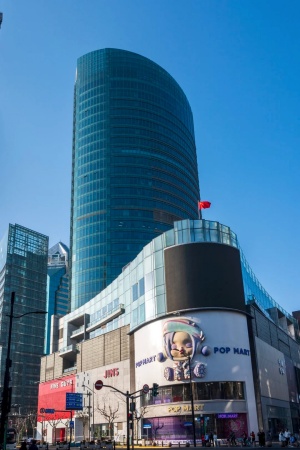
Shopping on Nanjing Road in Shanghai was just amazing! It's truly the "First Commercial Street of China", where tradition and modernity blend perfectly. You can find awesome souvenirs and experience the trendy vibes in cool stores. The neon lights at night are just spectacular, shining bright like Times Square in New York. The food here is incredible too. I had a feast for my taste buds. Shanghai, I'll definitely be back!
Destination(s): Shanghai
Date of Experience: May 08,2024
...
...
Elvis Eva
Canada
Reviewed on June 20,2025
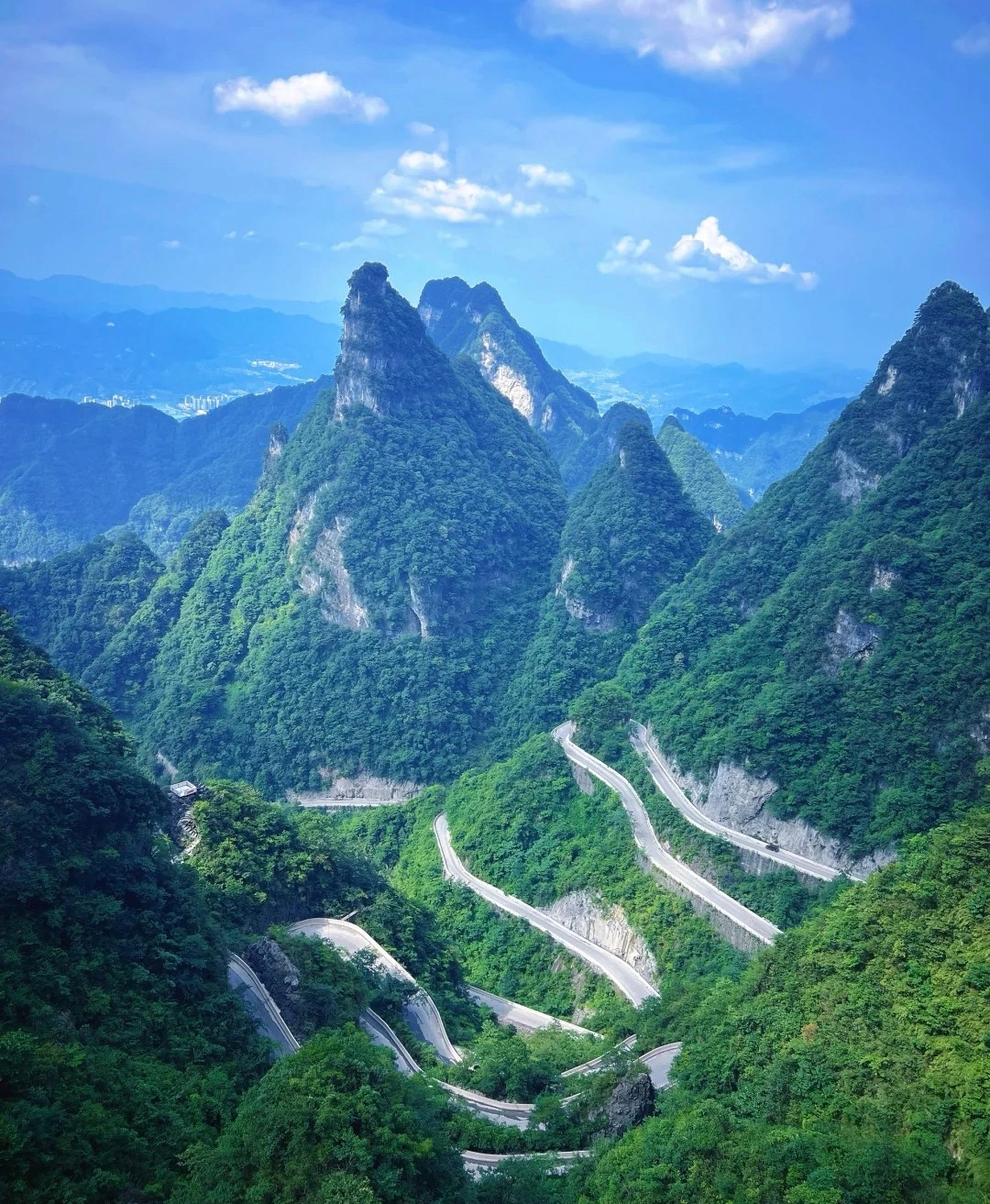
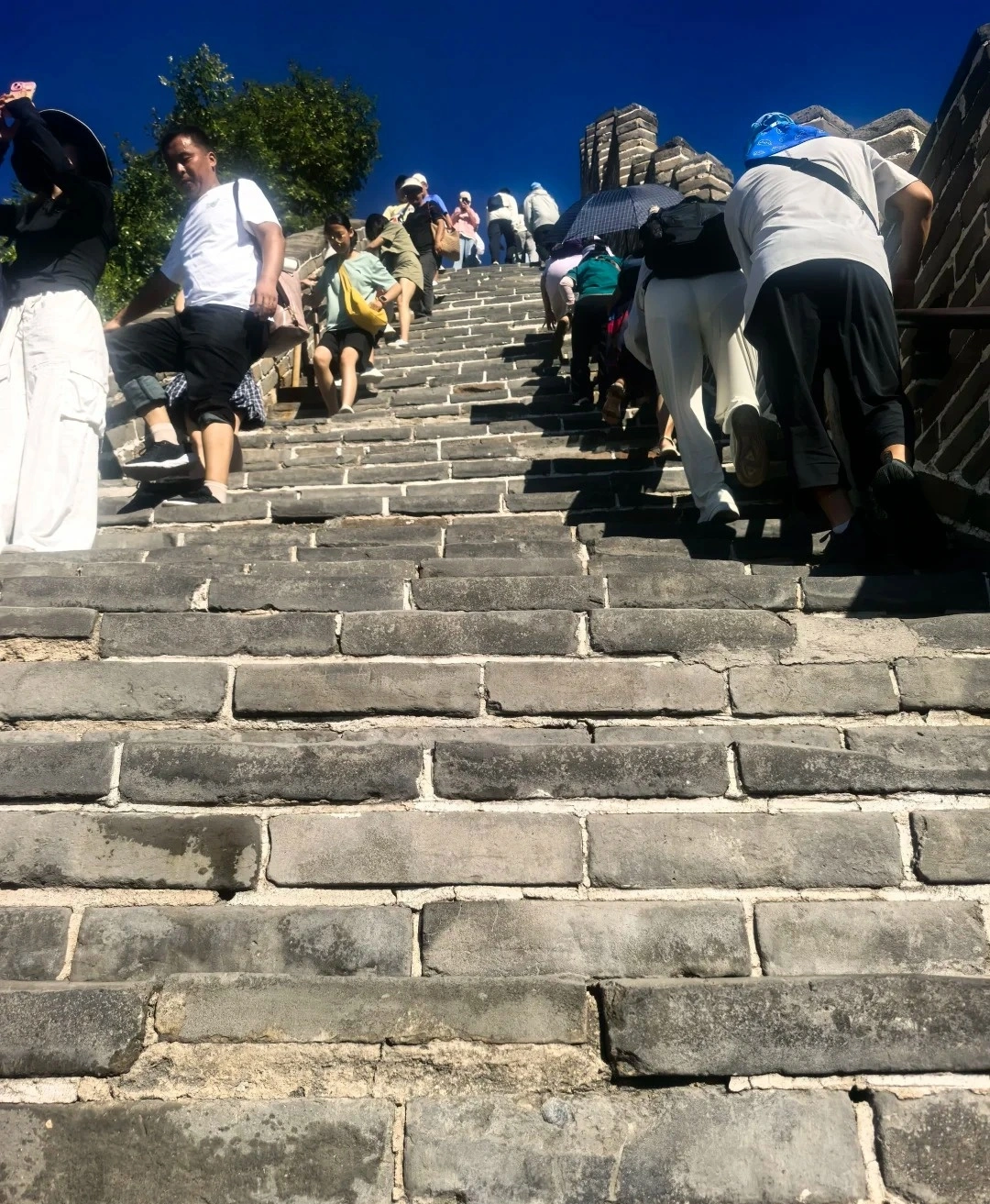
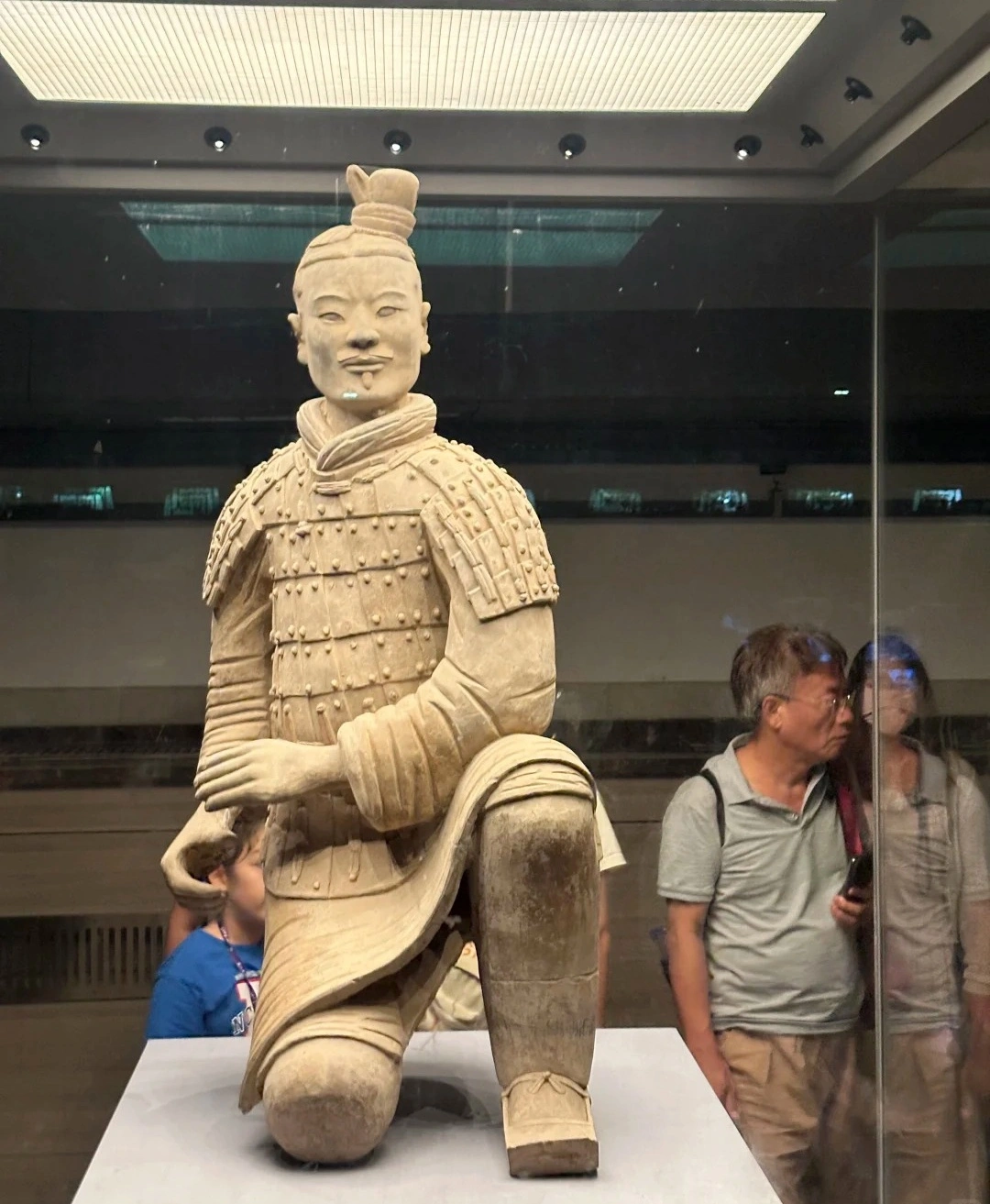
As a solo traveler from Canada, I was nervous about navigating China alone—but this 11-day tour was PERFECT! From hiking the Great Wall at sunrise (Day 3) to gasping at the Terracotta Army (Day 5), every day delivered ‘pinch-me’ moments. The real showstopper? Zhangjiajie’s Avatar Mountains (Day 7)! Our guide made the stone pillars come alive with stories. Massive thanks for handling all logistics—bullet train tickets, entry passes, car! And the 4-star hotels surprised me.
Destination(s): Beijing Xian Zhangjiajie Shanghai
Date of Experience: June 02,2025
... ... ...
...
Simon
America
Reviewed on May 29,2025
Our 2-day Zhangjiajie tour was beyond spectacular! As someone who’s visited Beijing and Shanghai for work, this trip revealed China’s wild, magical heart. Day 1 in Zhangjiajie National Forest Park felt like stepping onto Pandora—I’m a huge Avatar fan, and Yuanjiajie’s floating peaks left me breathless. The misty pillars and lush valleys like pure movie magic! Then came Fenghuang Ancient Town, we eat dinner beside the thundering waterfall. It seems Unreal! The night views of stilt houses glowing over the river were straight from a fairy tale. For fellow Avatar lovers and adventure seekers: Don’t miss this bucket-list experience! 10/10 would return. A Well-Traveled Film Buff, May 2025
Destination(s): Zhangjiajie
Date of Experience: May 08,2025
... ...

Ask a Question

Question Summary (100 characters)
Details (optional) (2,000 characters)
Name
Country
Email