
Longmafutu Temple
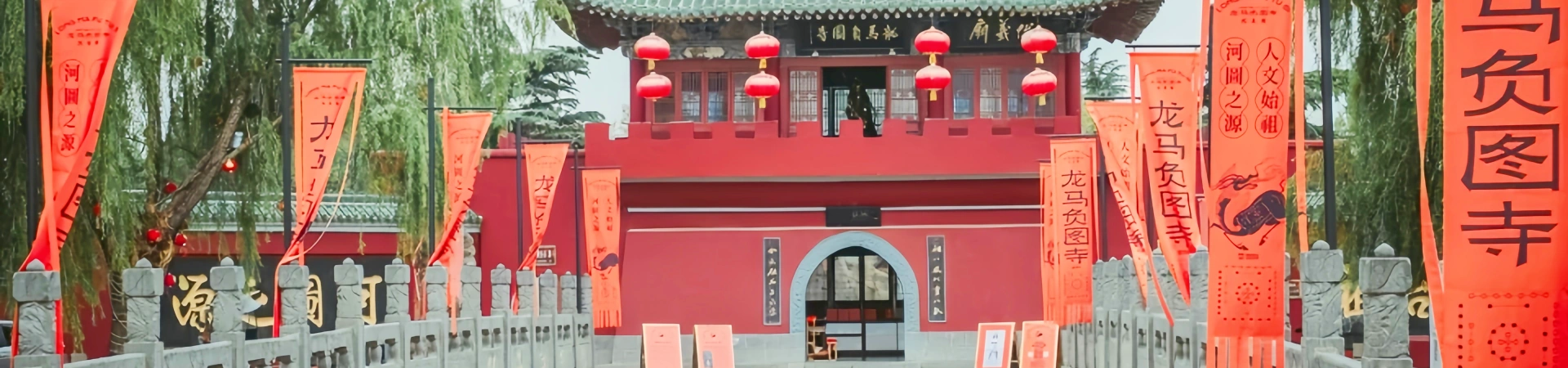
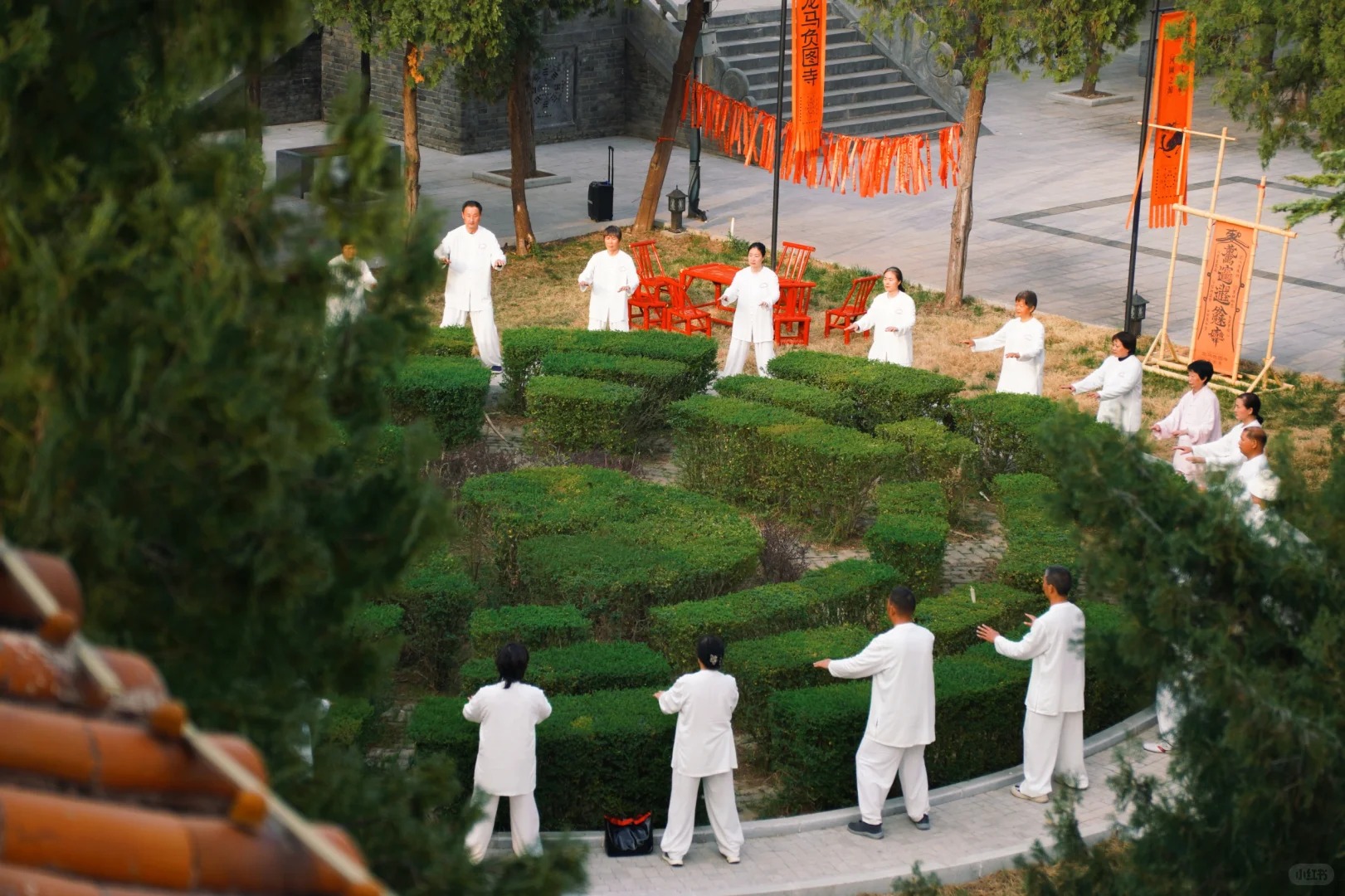
The Longma Futu Temple, also known as the Dragon-Horse Back Map Temple, is China’s first temple dedicated to the legendary HeTu (River Chart) and LuoShu (Lo River Writing)—ancient symbols of cosmic order and the birth of Chinese civilization. Located in Mianchi County, Luoyang, Henan Province, this Taoist sanctuary stands near the Luo River, where the mythical dragon-horse is said to have emerged with the divine diagram during the reign of Emperor Fu Xi (c. 2852–2737 BCE). As a cornerstone of Chinese numerology, philosophy, and the I Ching (Book of Changes), the temple attracts scholars, pilgrims, and cultural enthusiasts seeking to explore the origins of Chinese wisdom. Designated a national cultural relic protection site, it features ancient stelae, pavilions, and ritual spaces that reflect millennia of religious and intellectual heritage.
Historical Overview
The temple’s origins trace back to the Han Dynasty (206 BCE–220 CE), when the first shrine was erected to honor Emperor Fu Xi’s divine revelation. Over centuries, it underwent expansions during the Tang (618–907 CE), Song (960–1279 CE), and Ming (1368–1644 CE) dynasties, with the current layout finalized in the Qing Dynasty (1644–1912). Key historical milestones include:
- Han Dynasty: Emperor Wu of Han (141–87 BCE) commissioned inscriptions linking the HeTu to imperial legitimacy.
- Tang Dynasty: Empress Wu Zetian (690–705 CE) funded renovations, emphasizing the site’s role in legitimizing her rule through divine symbolism.
- Song Dynasty: Scholar-official Sima Guang (1019–1086 CE) documented the temple’s significance in his History of the Song Dynasty.
- Ming-Qing Period: The temple became a pilgrimage site for Taoist masters, including Zhang Sanfeng, founder of Tai Chi.
In 1986, it was listed as a national key cultural relic protection unit, ensuring preservation of its 1,800-year legacy.
Structural Layout
The temple follows a symmetrical Taoist design centered on the HeTu and LuoShu myths, with three main sections:
- Front Courtyard: Features the Dragon-Horse Gate (Longma Men), a three-arch entrance flanked by stone dragons, and the Stele Pavilion (Beiting), housing Ming-dynasty inscriptions.
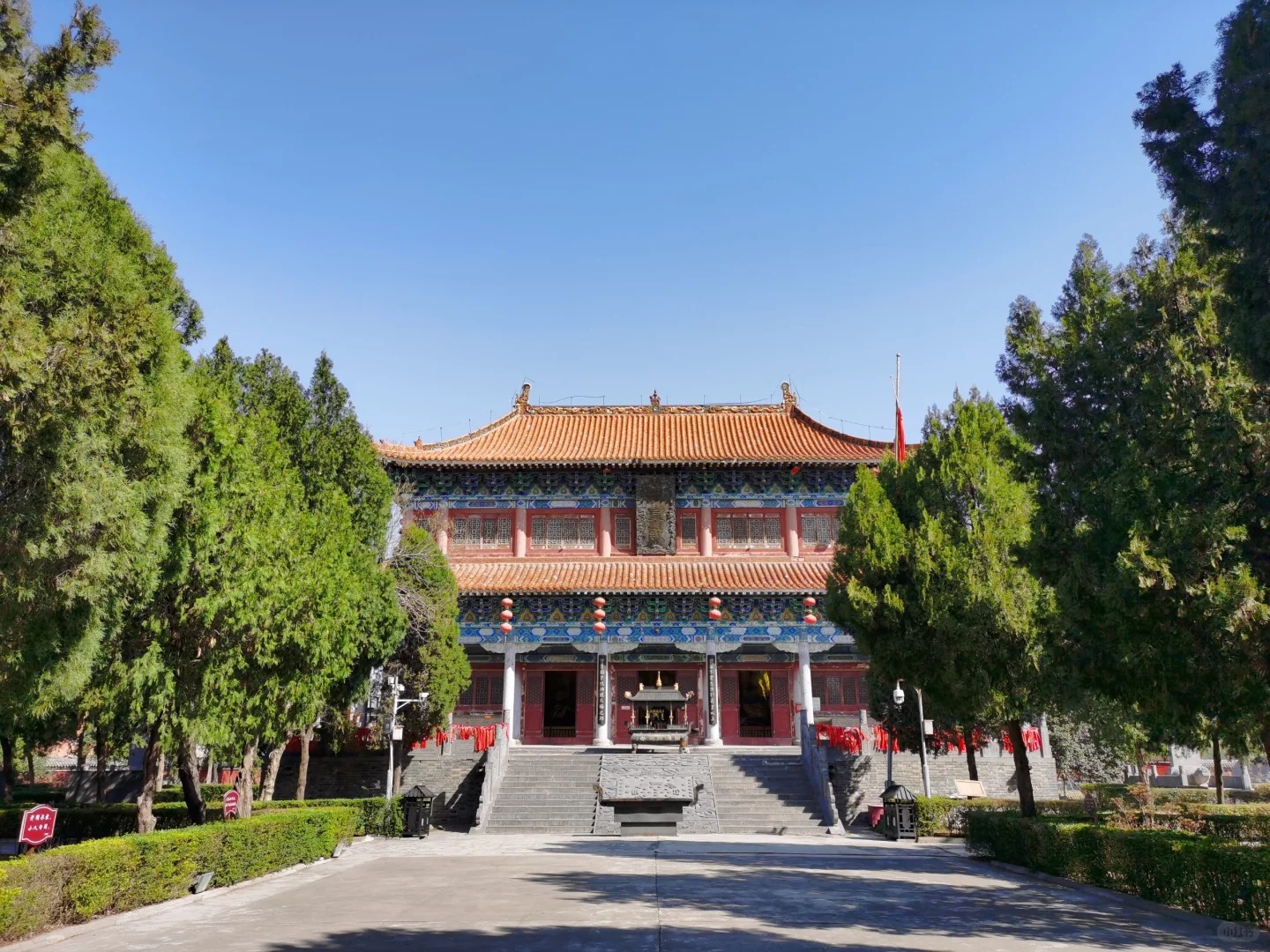
- Central Sanctuary: The focal point is the Fuxi Hall (Fuxidian), a wooden structure with a coiled-dragon roof, where rituals honor Emperor Fu Xi. Surrounding it are the Eight Trigrams Pavilions (Bagua Ting), representing the I Ching’s cosmological principles.
- Rear Garden: Includes the Luo River Observation Deck (Luoshu Tai), overlooking the river, and the Taoist Scripture Library (Daojing Ge), storing rare manuscripts.
Key auxiliary buildings are the Bell Tower (Zhonglou), Drum Tower (Gulou), and the Monks’ Quarters (Sengfang).
Major Attractions
- Fuxi Hall: The temple’s heart, featuring a 5-meter-tall statue of Emperor Fu Xi holding the HeTu and LuoShu, surrounded by murals depicting the dragon-horse’s emergence.
- Dragon-Horse Stele: A 12th-century stone tablet inscribed with the earliest known reference to the HeTu myth, discovered during the Song Dynasty.
- Eight Trigrams Pavilions: Eight octagonal pavilions, each dedicated to a trigram (e.g., Qian for heaven, Kun for earth), with ceilings painted with celestial maps.
- Luo River Observation Deck: A wooden platform offering views of the Luo River’s “dragon-shaped” bends, believed to align with cosmic energies.
- Taoist Scripture Library: Houses over 2,000 volumes, including Ming-dynasty woodblock prints of the I Ching and Taoist classics.
- Ancient Cypress Grove: A 300-year-old forest of cypress trees, symbolizing longevity and harmony, with paths for meditation.
Suggested Itineraries
-
Classic Route (1.5–2 hours):
Dragon-Horse Gate → Stele Pavilion → Fuxi Hall → Eight Trigrams Pavilions → Luo River Observation Deck → Exit
Highlights: Core mythology, architecture, and river views. -
Cultural Route (3–4 hours):
Dragon-Horse Gate → Stele Pavilion → Fuxi Hall → Taoist Scripture Library → Ancient Cypress Grove → Luo River Observation Deck → Exit
Highlights: In-depth exploration of texts, nature, and ritual spaces. -
Extended Route (Full Day):
Dragon-Horse Gate → Stele Pavilion → Fuxi Hall → Eight Trigrams Pavilions → Taoist Scripture Library → Ancient Cypress Grove → Luo River Observation Deck → Local villages (for folk art) → Return
Highlights: Combines temple history with rural Luoyang culture.
Ticket Purchase
- Online: Book via the official Luoyang Cultural Heritage website or WeChat mini-program (up to 3 days in advance).
- On-Site: Tickets available at the entrance, but queues peak during weekends.
- Prices:
- Peak Season (April–October): ¥45 (adults), ¥25 (students/seniors).
- Off-Season (November–March): ¥30 (adults), ¥15 (students/seniors).
- Free: Children under 1.2m, disabled visitors, and military personnel.
Transportation
- By Bus:
- From Luoyang City: Take Bus 916 to Mianchi County, then transfer to a local shuttle to the temple (20-minute ride).
- Direct Bus: Route Luoyang-Longma Futu (operates hourly from 7 AM–5 PM).
- By Taxi: Approximately ¥80–100 from central Luoyang (40-minute drive).
- By Car: Follow the Luo River Highway (G310) west for 35 km; parking available on-site.
Best Time & Tips
- Peak Hours: Avoid 11 AM–2 PM; visit early (8:30 AM opening) or late (after 4 PM).
- Crowds: Weekends and Chinese public holidays (e.g., National Day, Spring Festival) are busiest; weekdays offer solitude.
- Weather: spring (April–May) and autumn (September–October) are ideal for clear skies and mild temperatures.
- Essentials:
- Wear comfortable shoes (the temple spans 12 acres).
- Bring sunscreen and a hat; shaded areas are limited.
- Photography allowed (no flash in Fuxi Hall).
- Prohibited items: Large bags, drones, and incense outside designated areas.
- Local cuisine: Try Luoyang Water Banquet (a 24-dish feast) at nearby restaurants.


Contact Us
What Our Clients Say?
Based on 10,000+ traveler reviews

Daniel Dorothea
Canada
Reviewed on April 29,2025
Shopping on Nanjing Road in Shanghai was just amazing! It's truly the "First Commercial Street of China", where tradition and modernity blend perfectly. You can find awesome souvenirs and experience the trendy vibes in cool stores. The neon lights at night are just spectacular, shining bright like Times Square in New York. The food here is incredible too. I had a feast for my taste buds. Shanghai, I'll definitely be back!
Destination(s):
Shanghai
Date of
Experience:
May 08,2024


Elvis Eva
Canada
Reviewed on June 20,2025
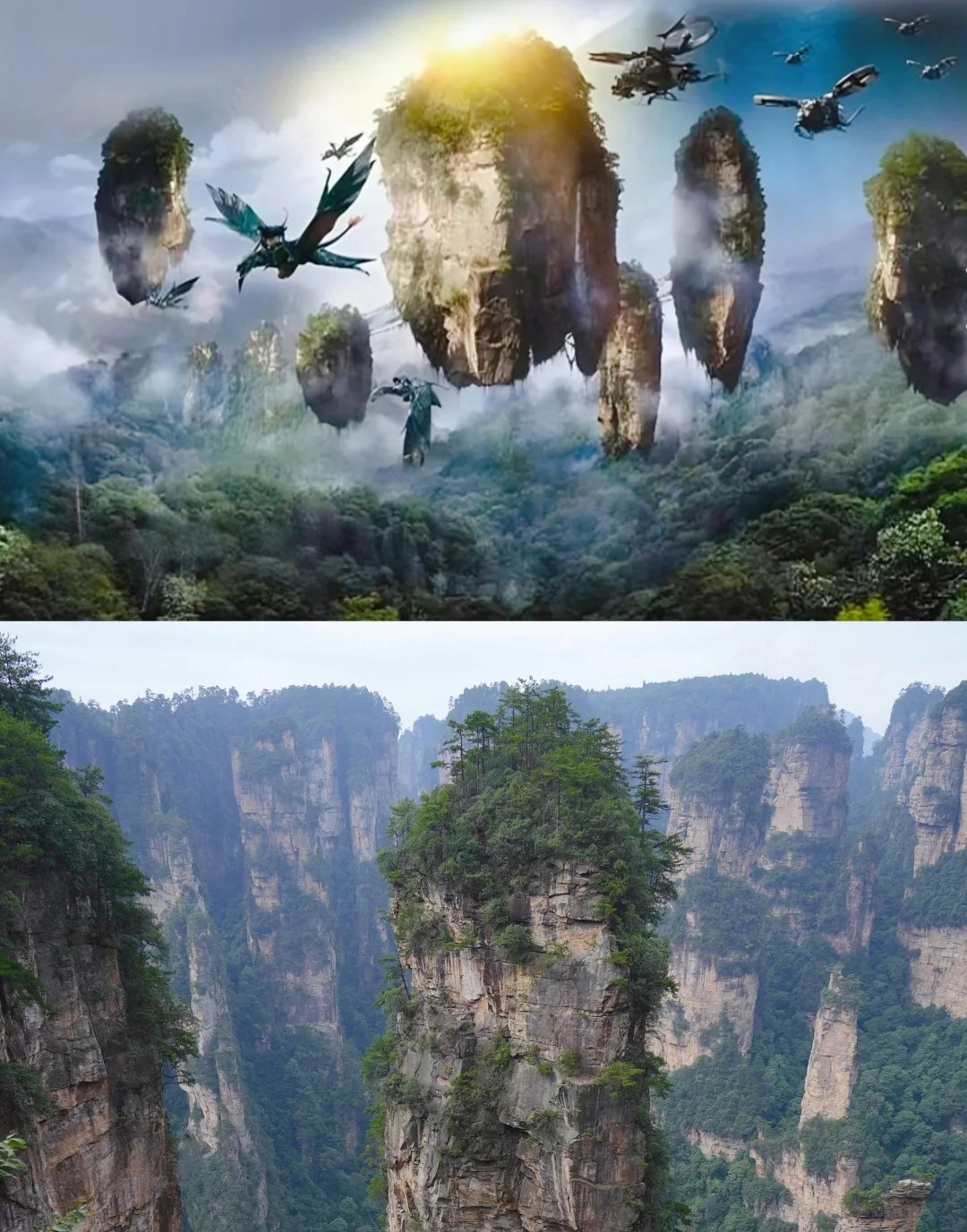
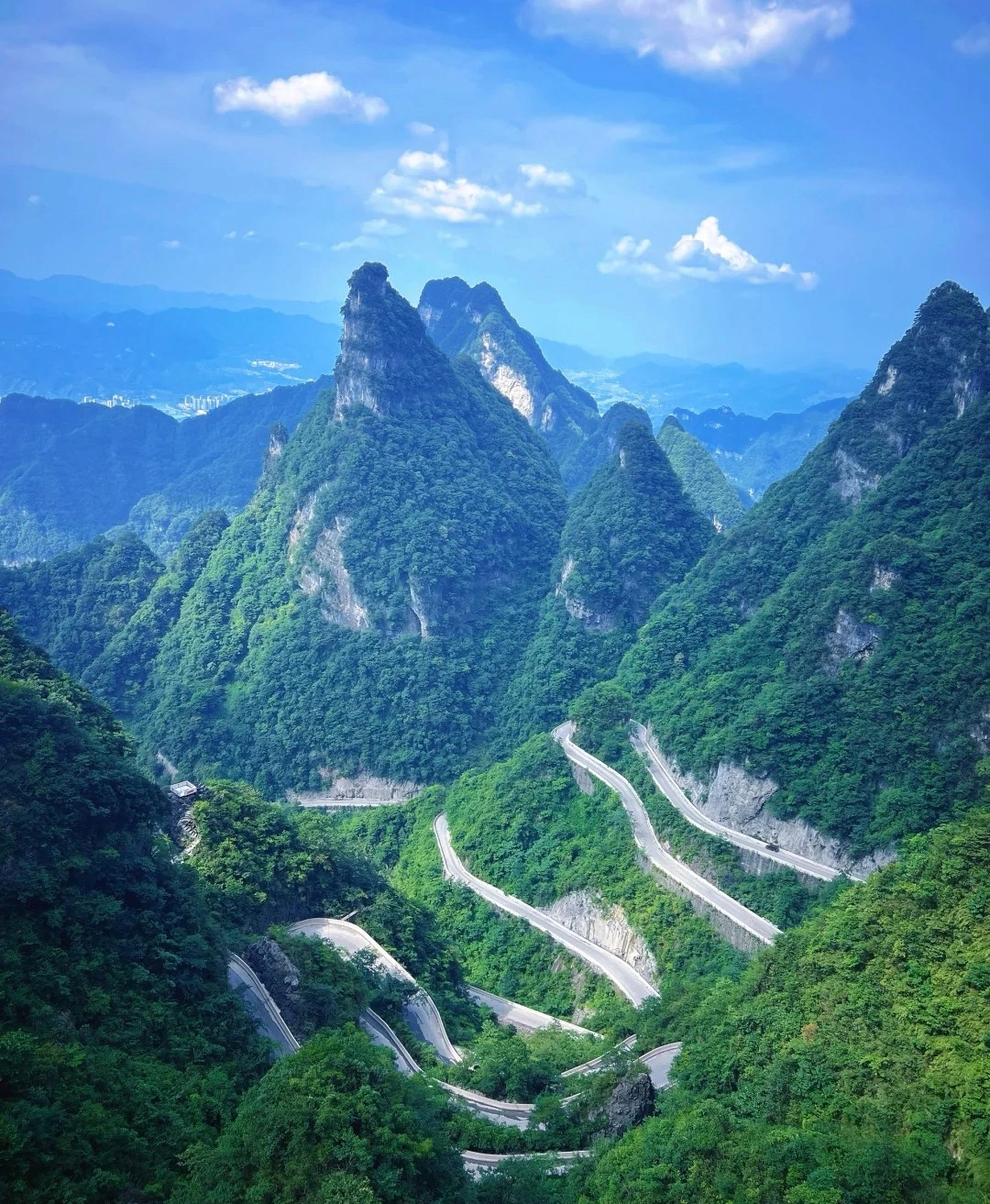
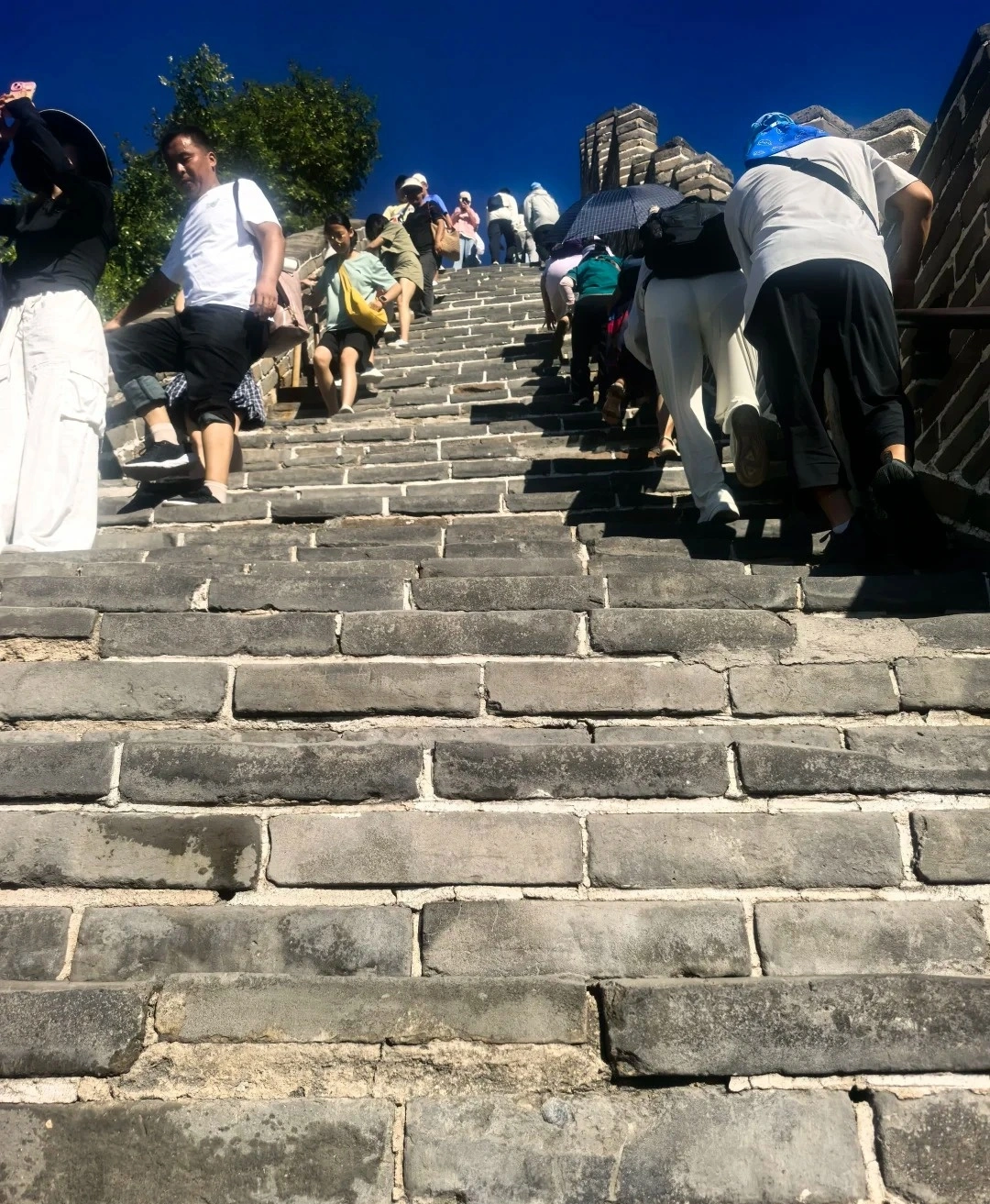
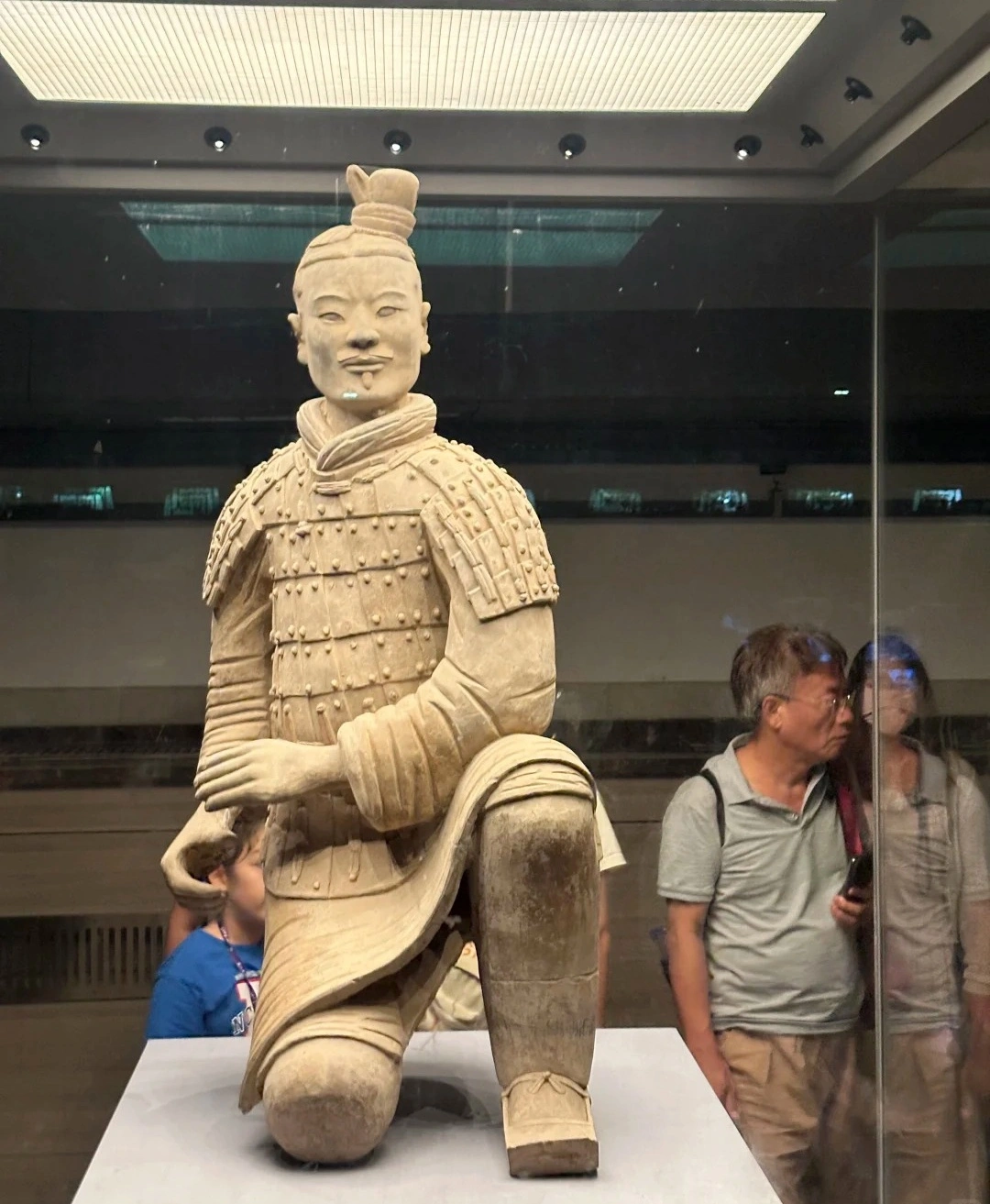
As a solo traveler from Canada, I was nervous about navigating China alone—but this 11-day tour was PERFECT! From hiking the Great Wall at sunrise (Day 3) to gasping at the Terracotta Army (Day 5), every day delivered ‘pinch-me’ moments. The real showstopper? Zhangjiajie’s Avatar Mountains (Day 7)! Our guide made the stone pillars come alive with stories.
Massive thanks for handling all logistics—bullet train tickets, entry passes, car! And the 4-star hotels surprised me.
Destination(s):
Beijing Xian Zhangjiajie Shanghai
Date of
Experience:
June 02,2025

Simon
America
Reviewed on May 29,2025
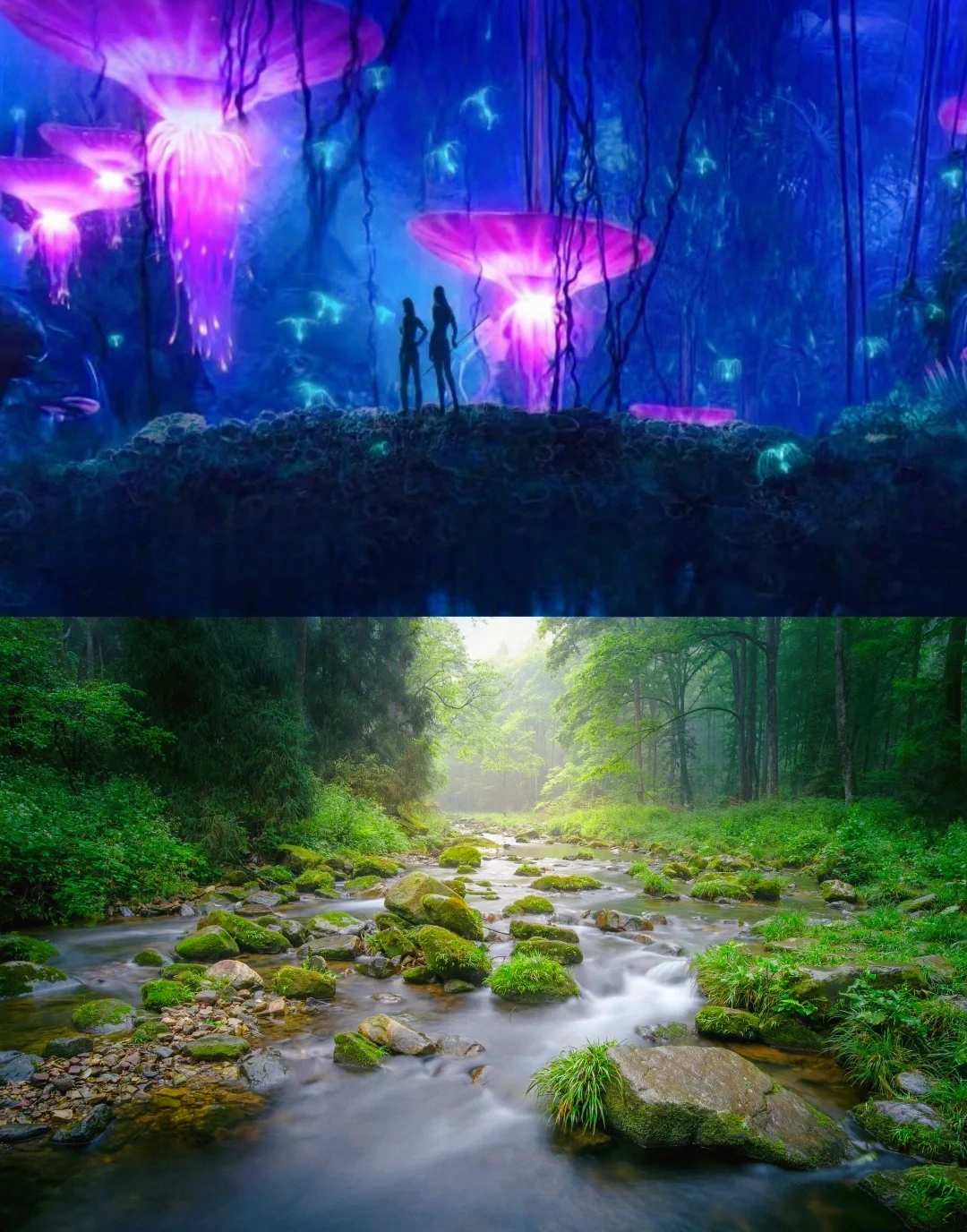
Our 2-day Zhangjiajie tour was beyond spectacular! As someone who’s visited Beijing and Shanghai for work, this trip revealed China’s wild, magical heart. Day 1 in Zhangjiajie National Forest Park felt like stepping onto Pandora—I’m a huge Avatar fan, and Yuanjiajie’s floating peaks left me breathless. The misty pillars and lush valleys like pure movie magic!
Then came Fenghuang Ancient Town, we eat dinner beside the thundering waterfall. It seems Unreal! The night views of stilt houses glowing over the river were straight from a fairy tale.
For fellow Avatar lovers and adventure seekers: Don’t miss this bucket-list experience! 10/10 would return.
A Well-Traveled Film Buff, May 2025
Destination(s):
Zhangjiajie
Date of
Experience:
May 08,2025