Dongshuimen City Wall Ruins: A Ming Dynasty Gateway Where the Mountain City Meets the Yangtze River


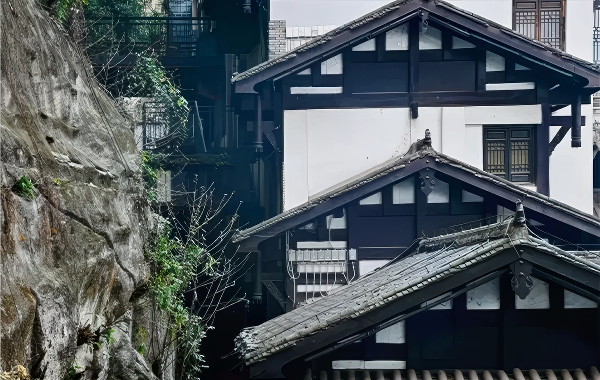
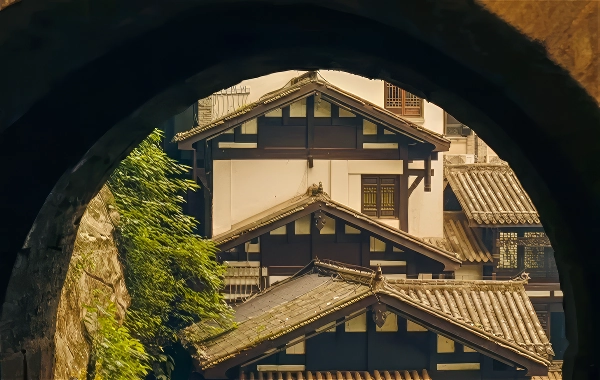
The Name and the Mountain-City-River Symbiosis
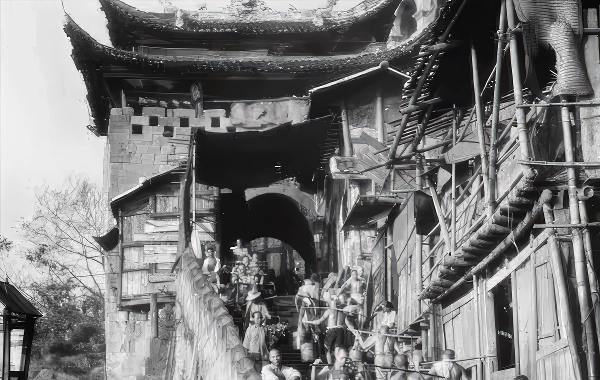
The name “Dongshuimen” (East Water Gate) is derived from its alignment and function. Facing east and running parallel to the Yangtze River’s current, the gate was deliberately positioned to avoid the river’s direct brunt while harnessing its power for trade. Its very design is a testament to Chongqing’s identity as a city built on steep hills at the confluence of rivers—a place where stone walls rise abruptly from the water, embracing the cliffs. Unlike other defensive fortifications, Dongshuimen was an “open gate,” meaning it was never just a barrier; it was a thriving passageway where boats unloaded their cargo and merchants streamed into the city.
A Journey Through Six Centuries—From Ming Dynasty Docks to Modern Revival
The cultural narrative of Dongshuimen is an epic tale of migration, commerce, and resilience.
Footprints of a Great Migration: During the early Qing Dynasty, the massive “Huguang Fill Sichuan” migration brought waves of settlers from Huguang (present-day Hubei and Hunan) into Sichuan. Dongshuimen’s docks became a primary landing point. To serve their communities, migrants built ornate guild halls, the most magnificent being the Huguang Guild Hall complex—constructed in 1759—which remains adjacent to the gate. These halls turned the area into a vibrant cultural and commercial crossroads.
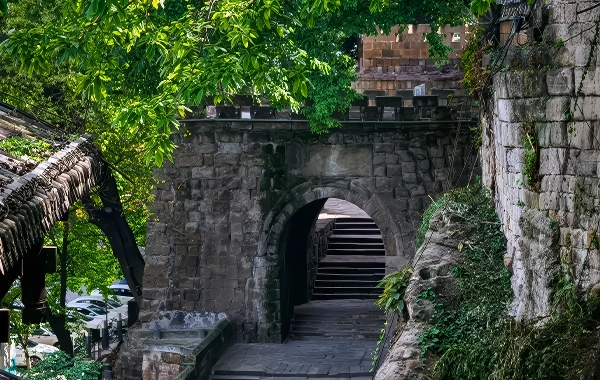
Architectural Witness: The Ming Dynasty geographer and traveler Xu Xiake would have passed through gates like this, and while the specific inscriptions on the gate have faded with time, the colossal sandstone blocks—some weighing over 500kg—still whisper stories of ancient engineering. The gate itself features a 3.2m-wide, 5m-high arch with a 6.7m-thick vault, a design that has resisted centuries of weathering and the humid river climate.
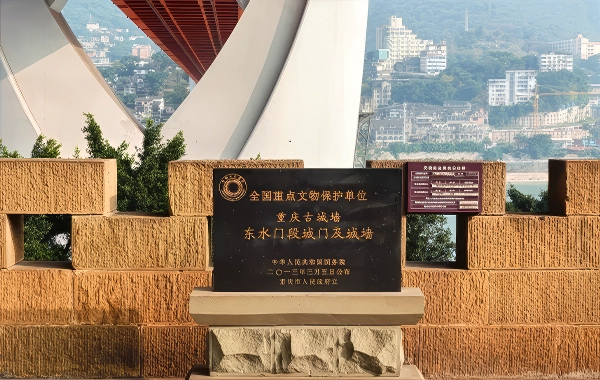
Modern Recognition: The site’s profound historical value was formally acknowledged when it was designated a Chongqing Municipal Protected Site in 2000 and later elevated to a National Key Cultural Relic in 2013. Today, it stands not as a relic frozen in time, but as a living monument where elderly locals still take their morning strolls, seamlessly integrated into the fabric of the modern metropolis.
> Dive Deeper: Explore more of Chongqing’s historic waterfront [>>Qiansimen Bridge]
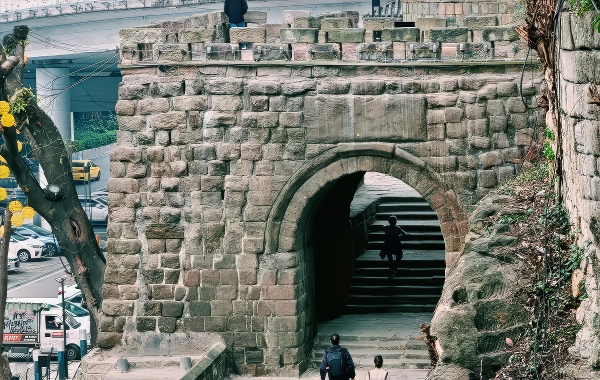
Nature and Human Handiwork—The “Wall-as-Cliff” Fortification
The landscape of Dongshuimen is a study in the powerful dialogue between human ingenuity and the rugged terrain of the Mountain City.
The Rugged Gate and Walls: The Earth’s Own Fortress
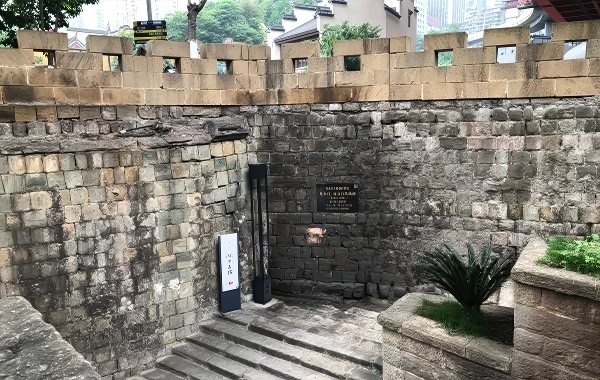
Standing along Changbin Road, the 200-meter stretch of surviving walls—rising 6 meters high—is a chronicle of defensive brilliance. The most ingenious feature is the “wall-as-cliff” design: the Ming builders integrated the fortifications directly with the natural rock formations, dramatically enhancing structural stability while reducing the volume of construction. Look closely, and you can still spot the original drainage channels carved into the stone, designed to efficiently channel Chongqing’s abundant rainfall out of the city. The gate faces north, while the walls curve at a 90-degree angle to follow the terrain, a layout that optimized both defense and urban planning. The interplay of light and shadow across the coarse local sandstone—its surface pitted and stained by six centuries of history—makes the walls come alive, especially during the golden hours.
The Cultural Sanctuary: Guild Halls and Docks
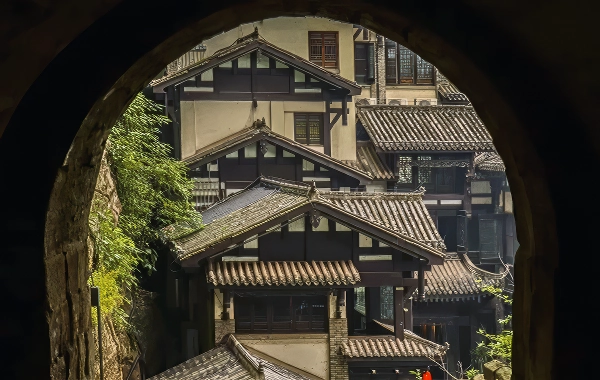
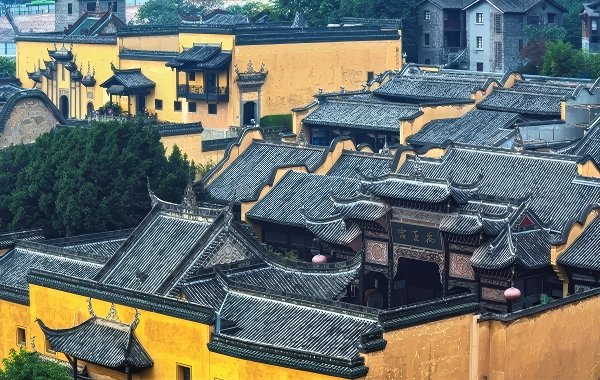
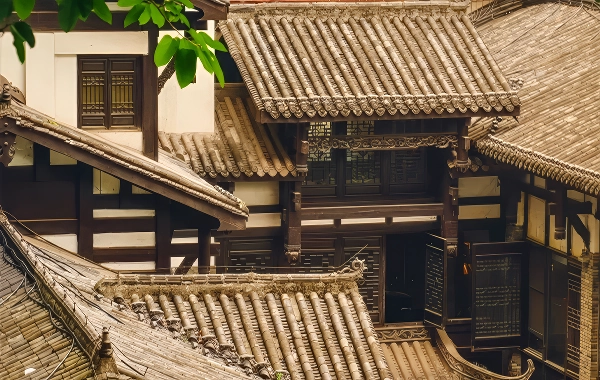
With the Huguang Guild Hall complex just steps away, the area forms a complete historical ecosystem. This is not merely a collection of old walls; it’s a sanctuary that saw the birth of Chongqing’s merchant culture. The complex, featuring the Guangdong and Qi’an sub-halls as well as the Jiangxi Guild Hall, showcases exquisite Ming-Qing architecture. Walking through the ancient alleyways, you encounter not only ornate wooden carvings and theatrical stages but also the faint, lingering spirit of the bustling dockworkers and traders.
Human Ingenuity: Traces of Civilization from Stone to Steel
The cultural landscapes here are enduring testaments to the centuries-old interplay between humanity and the river.
Ancient Dock Remnants: At the foot of the walls, the original stone docks—though now partly submerged or silted over—still mark the spot where countless boats once moored. This was the very interface where the Yangtze River and the city exchanged goods and ideas.
Huguang Guild Hall: A true architectural treasure trove built by immigrants, this complex stands as a silent witness to the “Huguang Fill Sichuan” migration. Its intricate halls and meeting rooms are a museum of that era’s social and commercial life.
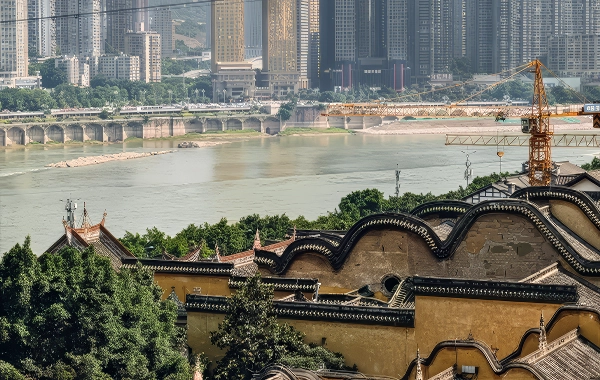
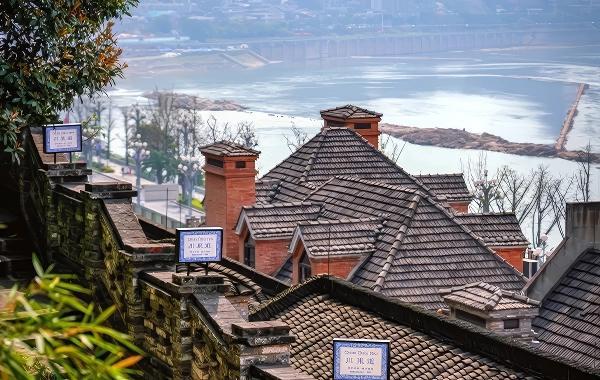
Modern Marvel Bridge: Gazing up from the ramparts, the East Water Gate Bridge arcs across the Yangtze—a stunning cable-stayed marvel with world-record spans. The visual juxtaposition of the 14th-century stone gate and the 21st-century steel bridge captures the very soul of Chongqing: ancient and futuristic, all in one breathtaking frame.
> Photography Tips:
> The best vantage point for capturing the juxtaposition of the old gate against the modern East Water Gate Bridge is from a low angle at the base of the wall, looking up.
> For the Huguang Guild Hall’s intricate carvings, use a telephoto lens to compress the layers of terracotta-colored facades.
> Dawn and sunset are the ideal times: early morning mist softens the Yangtze River vista, while golden-hour light makes the sandstone walls glow warmly.
> A polarizing filter is highly recommended to cut through the river haze and saturate the colors of the stone and sky.
Five Must-Do Activities to Unlock the Complete Dongshuimen Experience
1. Step Through the Ancient “Open Gate”
The Experience: Walk through the 5m-high, 3.2m-wide stone arch. Pause in the cool shadow of the 6.7m-thick vault and place your hand on the weathered sandstone. Look for the faint traces of original carvings and feel the history—this is the exact portal through which merchants, migrants, and mandarins entered the mountain city. It is a dialogue with the 14th century, framed by the distant hum of passing ships.
The Secret: Visit in the early morning when the street behind is quiet and the first rays of the sun illuminate the interior of the arch. Stand directly under the vault and look upward; the stonework reveals the precision of Ming engineering.
2. Immerse Yourself in the Huguang Guild Hall Complex
The Experience: Just adjacent to the walls, step into the magnificent Huguang Guild Hall (admission fee required). Wander through its series of halls, and you will discover a treasure trove of Qing Dynasty immigrant culture. Admire the elaborate wooden stage, the delicate beam carvings, and the silent courtyards where deals were once sealed over cups of tea. The Guangdong and Qi’an sub-halls each have their own distinct architectural styles, truly a museum of migration history.
3. Walk the “Wall as a Cliff” Panorama Trail
The Route: A path running along the top of the 200m-long preserved wall offers panoramic overlooks. Start from the gate itself and walk the ramparts towards the river. From this vantage point, you are suspended between the deep history of the stone beneath your feet and the sweeping view of the Yangtze River and the East Water Gate Bridge ahead. The 90-degree curves of the wall make for a dynamic stroll where the scene changes dramatically with every few steps.
4. Trace the Merchant Steps to the Ancient Docks
The Challenge: Descend the old stone steps from the gate area down towards the river. While parts of the original dock are seasonal, the path allows you to trace the very steps traders took as they carried silk, salt, and spices into the city. Down here, at water level, you can fully grasp how the wall stands like a sentinel on the cliff, and you might just spot traditional “ferry restaurants” still serving river fish to passing boats.
5. Seek Out the Scenic Night Encounter
The Experience: As dusk falls, do not leave. The ruins take on a completely different character. Watch how the silhouette of the Ming wall contrasts with the dazzling LEDs of the modern bridge. The Huguang Guild Hall is often beautifully floodlit. Take a seat at a nearby riverfront teahouse, and witness the unique Chongqing spectacle where ancient stone meets a cyberpunk skyline. It’s a photographer’s dream and a memory maker.
Suggested Itineraries
Half-Day “Ancient Gate & Guild Hall” Highlights Tour:
9:00 AM: Arrive at Dongshuimen City Wall Ruins → Walk through the gate and explore the ancient walls (approx. 1 hour) → Step into the adjacent Huguang Guild Hall complex to delve into migration culture (approx. 1.5 hours). → Midday: Enjoy a local lunch—try spicy Chongqing noodles or river fish—in a small restaurant along Changbin Road.
IntoTravelChina Tip: Purchase an audio guide at the Huguang Guild Hall to get the deepest insights into the “Huguang Fill Sichuan” stories.
Full-Day “Mountain City & Yangtze River” In-Depth Tour:
Morning: Dongshuimen ruins and Huguang Guild Hall exploration.
Noon: Lunch near Chaotianmen.
Afternoon: Walk to the Yangtze River Cable Car station and enjoy a thrilling ride across the river, capturing spectacular views of the confluence. Visit Chaotianmen Square to see the future city.
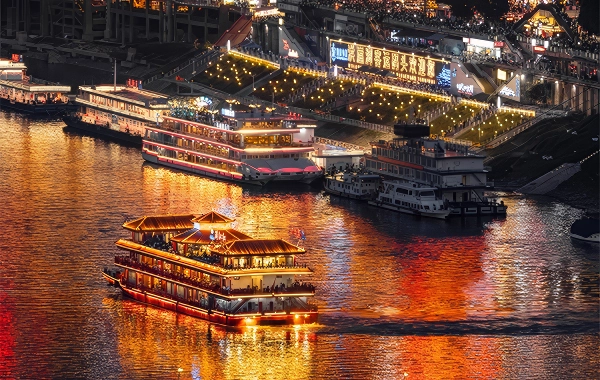
Evening: Return to the base of Dongshuimen. Board a Yangtze River night cruise and watch the city light up, with the ancient wall a silent observer in the foreground.
IntoTravelChina Advantage: We can seamlessly combine your exploration of Dongshuimen with VIP tickets for the night cruise and a reservation at a river-view restaurant, ensuring a day of immersive history and modern marvel.
How to Get There: A Seamless Journey to the Ancient Gate
Dongshuimen is located in the heart of the Yuzhong peninsula and is exceptionally well-connected.
By Subway (Highly Recommended): Take Line 1 or Line 6 to Xiaoshizi Station. From Exit 4A, it is a relaxed 10-minute walk to the Dongshuimen ruins. Just follow the signs towards the river.
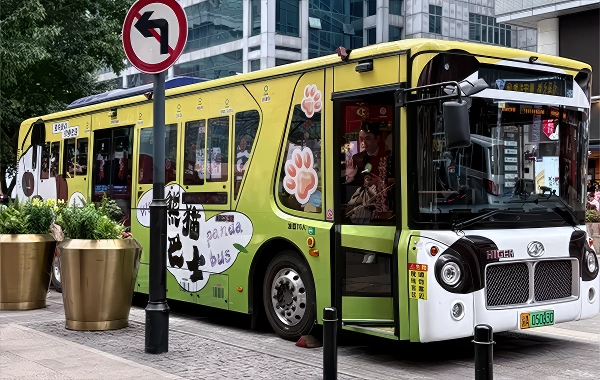
By Bus: Routes 112, 120, and 141 stop at Chaotianmen; alight and walk for direct access to the site.
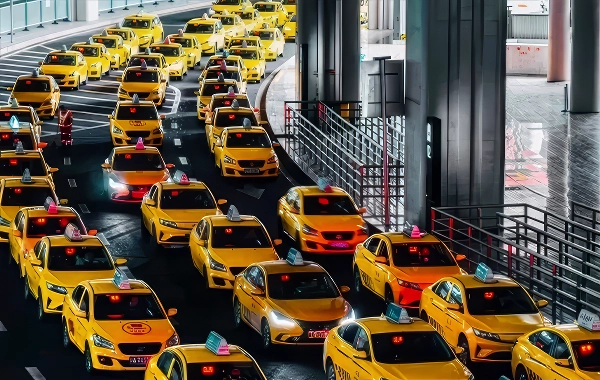
From the Airport/Railway Stations: From Chongqing Jiangbei International Airport, take a taxi or the subway directly. From Chongqing North Railway Station (for high-speed trains), take the subway or a taxi; the journey by taxi takes about 30 minutes.
By Self-Drive: Set your GPS to “Chongqing Yuzhong District Changbin Road 58.” Ample parking is available at the nearby Raffles City complex or adjacent municipal garages, typically at ¥10 per day.
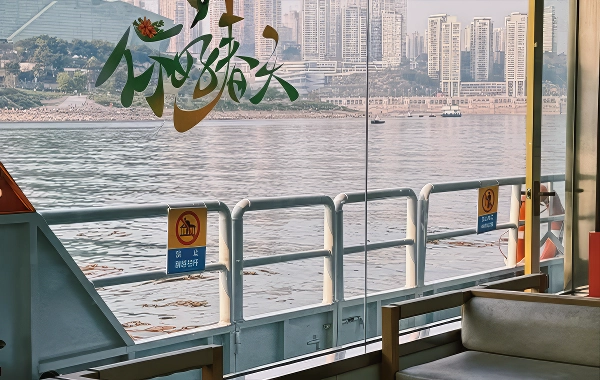
By River: If arriving from towns like Fuling or Wanzhou by Yangtze River ferry, you will dock at terminals very close to the site, allowing you to begin your historical walk directly from the water.
Important Return Travel Reminder: The ruins themselves have no closing hours and are accessible 24/7. However, specific attractions like the Huguang Guild Hall generally operate from 9:00 AM to 5:30 PM. Electric shuttles are available for moving around the park area, and bike rentals from the urban sharing systems allow for a scenic ride along the nearby riverfront trails.
Ticket & Tour Information
Main Ruins & Public Wall Walkway: Free of charge, open all day.
Huguang Guild Hall: Entrance fee is approximately ¥25–40 for adults. Students and seniors with valid ID receive free or discounted entry at some sites. Group rates are also available.
Guided Heritage Tours: For a deeper dive, professional guided tours combining the history, architecture, and local legends of the Dongshuimen area are available at ¥80–150 per group, and can be booked on-site or through us.
Best Time to Visit
Dongshuimen’s character shifts with the seasons, though it offers a distinct charm year-round.
Golden Seasons (Mar–May; Oct–Nov): Spring offers mild weather perfect for walking the walls without breaking a sweat, while the autumn months bring clear, crisp skies—ideal for photography, with the Yangtze River and the modern bridge forming a razor-sharp backdrop behind the ancient stone.
Summer (Jun–Aug): Be prepared for the full “Furnace City” heat and strong sun; this is when the river mist rises dramatically. Use mosquito repellent, carry water, and plan your visit for the early morning or late afternoon.
Winter (Dec–Feb): Crowds thin out significantly. While Chongqing can be foggy, a clear winter day offers the most poignant atmosphere—the bare stone under a grey sky tells its most authentic, stoic story. Dress in thermal layers.
Accommodation Options
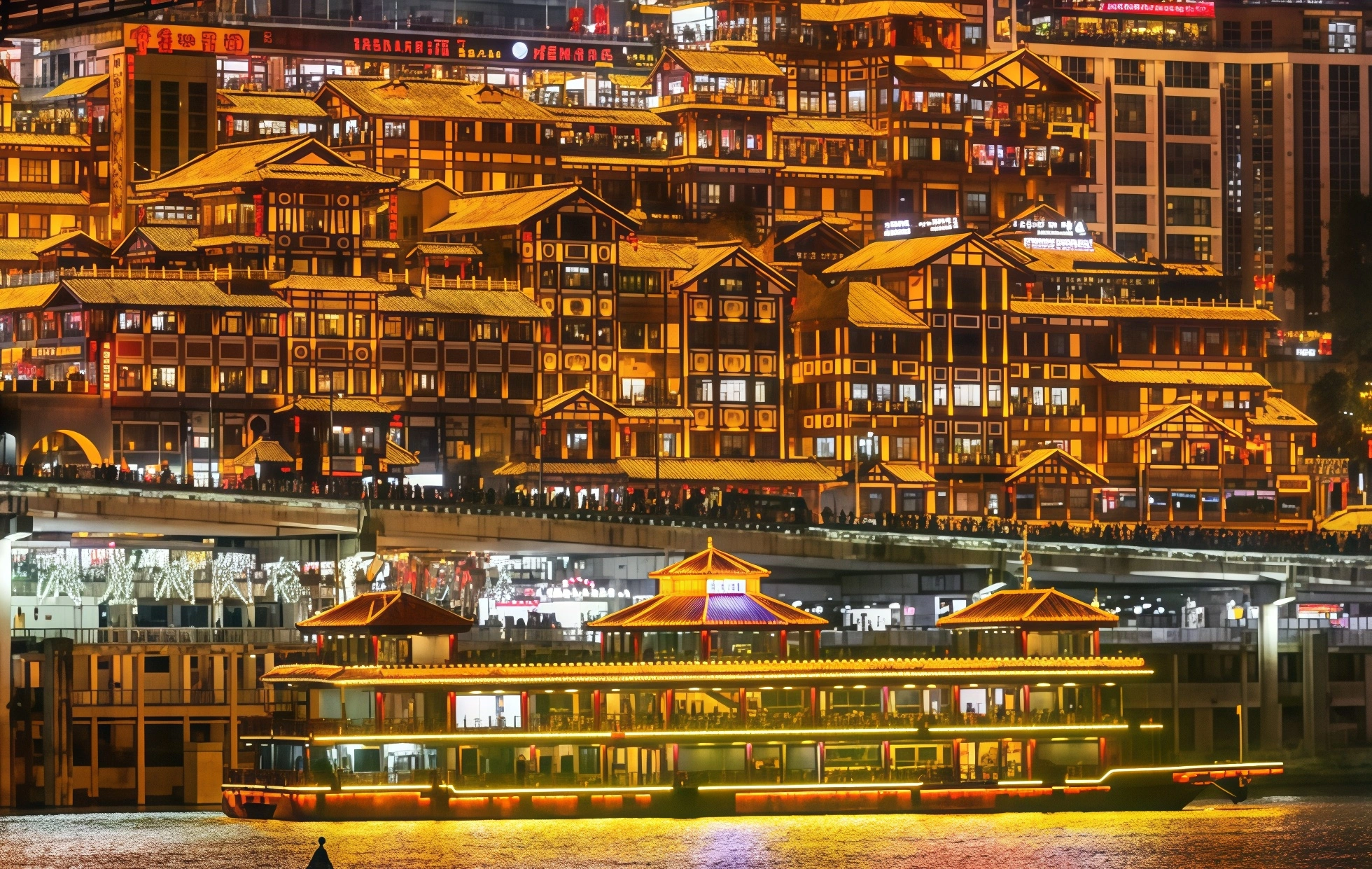
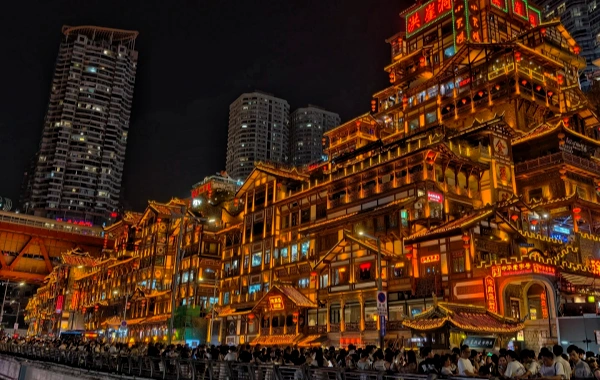
Yuzhong District Riverfront (Recommended for Convenience): Numerous hotels are available near Jiefangbei and Hongyadong, a short subway ride away. These offer a range from international luxury brands to design-forward boutique hotels, all with easy access to the Dongshuimen area and vibrant nightlife.
Raffles City & Chaotianmen Area: Some of the most spectacular skyline hotels are located here, including the InterContinental Chongqing Raffles City. Many rooms offer jaw-dropping views directly down onto the ancient gate and the confluence of the rivers—an unrepeatable blend of luxury and living history.
Nanbin Road (Across the River): For a different perspective, stay at a hotel on Nanbin Road. From here, you overlook the entire Yuzhong peninsula at night, with the silhouette of Dongshuimen and its walls softly illuminated along the shoreline.
IntoTravelChina Accommodation Booking Tips: Allow us to bundle your heritage tour with a strategic river-view room, combining your visit to the Ming Dynasty gate with world-class hospitality, often at a preferential package price.
Dongshuimen is the perfect starting point for exploring the mountainous megalopolis of Chongqing and the legendary Three Gorges region.
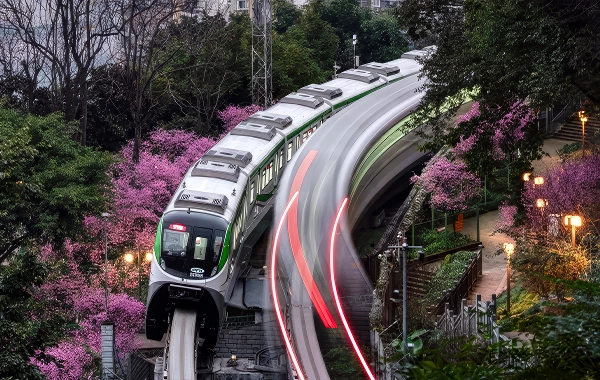
Classic 3-Day Mountain City Immersion: Day 1: Arrival in Chongqing. Day 2: Shancheng Alley, White Elephant Street, Sutra Pavilion, White Elephant House, Huguang Guild Hall, Dongshuimen City Wall Ruins, Luohan Temple, and Hongyadong. Day 3: Yangtze River Ropeway, Eighteen Stairs, Jiefangbei, Eling No. 2 Factory, Liziba (light rail through the building), and Ciqikou. >> [Consult for Customization Now]
Chongqing Historic Lanes & City Rhythms 2‑Day Tour:Combine a deep dive into Chongqing’s old‑city soul – winding from Shancheng Lane and White Elephant Street to the Sutra Pavilion, White Elephant House, Huguang Guild Hall and Dongshuimen City Wall Ruins – with an electrifying second day that lifts you across the Yangtze on the ropeway, guides you up the Eighteen Stairs, plants you in the heart of Jiefangbei, and lets you witness the Liziba light rail piercing straight through a building. You’ll pray at Luohan Temple, stand beneath the riverfront cliffs of Hongyadong, then explore the industrial‑chic Eling No. 2 Factory and the lively lanes of Ciqikou. This loop seamlessly connects the ancient temples, guild halls and city‑wall relics of the mountain city with its dizzying modern landmarks, art spaces and riverside life. >> [Consult for Customization Now]
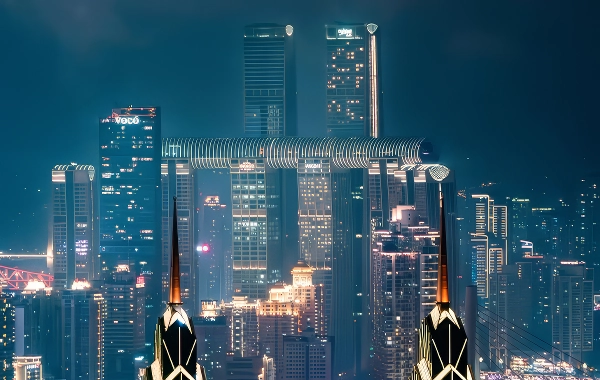
The story of Dongshuimen City Wall Ruins is one of architectural genius, migration epics, and a city’s defiant symbiosis with its river. IntoTravelChina specializes in crafting in-depth, personalized, and hassle-free travel experiences across China’s most story-rich destinations.
Our travel experts can assist you by:
Tailoring Your Itinerary: Designing a perfect route that weaves Dongshuimen together with the hidden alleyways, teahouses, and modern landmarks of Chongqing, based on your interests.
Providing One-Stop Service: Handling all arrangements, including Huguang Guild Hall tickets, unique river-view accommodations, private transfers with a driver-guide, and tickets for spectacular river cruises.
Exclusive Experiences: We arrange guides who are historians of the “Huguang Fill Sichuan” migration, set up private visits to the guild halls outside normal opening hours, and ensure you stand in the exact spot where ancient merchants first glimpsed the mountain city.
Transform your visit to the Dongshuimen City Wall Ruins from a simple photo stop into a profoundly immersive journey through 600 years of history.
> Start Planning Your Journey Now
> We invite you to contact our professional travel consultants; we will provide you with a personalized itinerary proposal and price quote within 24 hours. >> [Consult for Customization Now]



Is Dongshuimen worth visiting, or is it just a small piece of wall?
It is a small surviving fragment, but not a small story. Dongshuimen is one of Chongqing's two surviving open Ming gates, built in 1370 as a working river entrance rather than a sealed military portal. The free arch and wall take less than an hour; the value comes from pairing them with Huguang Guild Hall and the Yangtze waterfront. This is a history stop for context, not a standalone blockbuster.
How much walking and climbing is involved?
The ruins themselves are easy; the wider old-city route is not completely flat. You can walk the 200-meter surviving wall and arch, then descend historic merchant steps toward the river. The adjacent guild hall has courtyards and stairs, and Chongqing's surrounding lanes rise sharply. Families and older travelers should take the wall slowly, use rests, and skip the lower dock steps if the surface is wet. A guide can tailor the route rather than forcing a full loop.
What details should photographers look for?
Shoot the arch from low angle so the rough sandstone and modern East Water Gate Bridge share a frame. At dawn, mist softens the Yangtze; at sunset, the wall glows and the bridge lights begin to answer it. Inside Huguang Guild Hall, look for wood carvings, theatre stages, and migration-era details rather than only wide shots. A telephoto lens compresses the guild hall facades; a polarizer helps with river haze. Do not block the riverfront path with a tripod.
Is the area free, and do I need a guide?
The ruins and public wall walkway are free and accessible around the clock. Huguang Guild Hall generally charges about ¥25-40 and keeps more conventional hours, roughly 9 AM-5:30 PM. You can wander alone, but the migration story and carvings are easy to miss without context; professional heritage guides commonly cost about ¥80-150 per group. If you have only an hour, self-guided is fine. If you have half a day, a guide earns its place.
Where should we stay, and what else is nearby?
Stay in Yuzhong near Jiefangbei or Hongyadong for nightlife and easy access, choose Raffles City/Chaotianmen for river views, or stay across the water on Nanbin Road for the best peninsula silhouette. Our four-star-standard hotels include breakfast, children's extra beds are usually available, and class can be adjusted to budget. Add Luohan Temple, the Yangtze River Cableway, or Chaotianmen Square for a full day; the old gate is the historical anchor.