
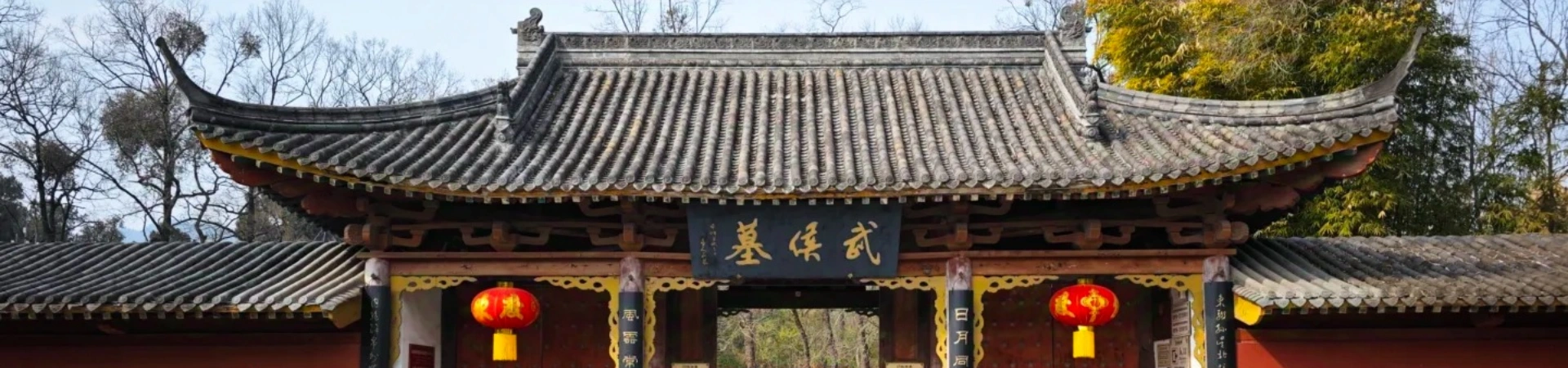
Hanzhong Wuhou Temple
The Wuhou Temple in Hanzhong, Shaanxi Province, is a revered historical site dedicated to Zhuge Liang (181–234 CE), the legendary statesman and military strategist of the Three Kingdoms period. Known as the "Marquis of Wu" (Wuhou), Zhuge served under Liu Bei, founder of the Shu Han state, and later as regent for Liu Shan. Built in the 6th century CE, this temple complex blends Confucian, Taoist, and historical architectural elements, reflecting Zhuge’s enduring legacy as a symbol of wisdom and loyalty. Covering 24,000 square meters, it houses ancient inscriptions, statues, and artifacts, offering insights into China’s Three Kingdoms era. Designated a national cultural relic in 1956, it remains a pilgrimage site for scholars and history enthusiasts.
Historical Overview
The temple’s origins trace to the Northern and Southern Dynasties period (420–589 CE), with later expansions during the Tang (618–907) and Ming (1368–1644) dynasties. It was initially built to honor Zhuge Liang’s contributions to the Shu Han state, emphasizing his role in unifying China’s wartorn south. Over centuries, the site evolved into a cultural hub, attracting poets like Du Fu and Li Bai, who composed verses praising Zhuge’s intellect. Key historical events include its reconstruction in 1378 under Emperor Hongwu of the Ming Dynasty and its designation as a protected site in 1956. Today, it stands as a testament to China’s admiration for strategic brilliance and moral integrity.
Structural Layout
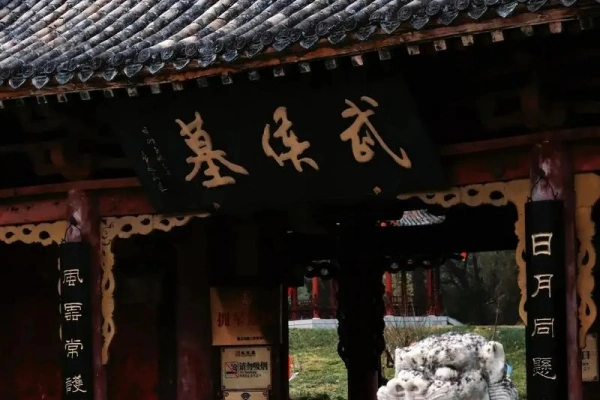
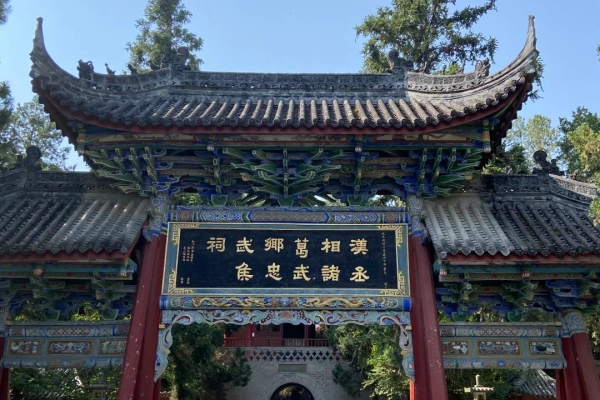
The temple complex follows a traditional Chinese axial layout with three main sections:Front Gate (Mountain Gate): Features a stone stele inscribed with calligraphy by Emperor Qianlong of the Qing Dynasty.
Central Courtyard: Home to the Hall of Zhuge Liang, a wooden structure with a double-eaved roof, displaying a life-sized statue of the strategist seated at a desk.
Rear Garden: Includes the Tomb of Zhuge Liang, a circular mound surrounded by cypress trees, and the Pavilion of Loyalty, dedicated to his unwavering service to Liu Bei.
Supporting structures include the Bell Tower, Drum Tower, and Stele Corridor, housing over 70 stone tablets with inscriptions from the Tang to Qing dynasties.Major Attractions
Hall of Zhuge Liang: Admire the central statue of Zhuge, flanked by statues of his generals Jiang Wei and Zhao Yun. The hall’s beams feature painted murals depicting his famous campaigns.
Stele of the Three Kingdoms: A 3-meter-tall Ming Dynasty stele detailing Zhuge’s life and military achievements, carved with intricate dragon motIFS.
Ancient Cypress Grove: A cluster of 1,700-year-old cypress trees, said to have been planted by Zhuge himself, symbolizing endurance and wisdom.
Pavilion of the Empty City Strategy: Commemorates Zhuge’s daring tactic to outwit enemy forces by leaving a city’s gates open, displayed through dioramas and historical texts.
Museum of Three Kingdoms Artifacts: Exhibits weapons, seals, and letters from the Shu Han period, including replicas of Zhuge’s wooden ox and flowing horse (early automated transport).
Suggested Itineraries
Classic Route (1–1.5 hours):
Mountain Gate → Stele Corridor → Hall of Zhuge Liang → Ancient Cypress Grove → Tomb of Zhuge Liang → Exit via Rear Garden.
Highlights: Core halls, tomb, and symbolic trees.
In-Depth Route (2–2.5 hours):
Mountain Gate → Bell Tower → Drum Tower → Hall of Zhuge Liang → Pavilion of Loyalty → Stele of the Three Kingdoms → Museum of Artifacts → Tomb of Zhuge Liang → Exit.
Highlights: Additional cultural exhibits and historical pavilions.
Family-Friendly Route (1.5 hours):
Mountain Gate → Stele Corridor (interactive stele rubbing activity) → Hall of Zhuge Liang → Ancient Cypress Grove (picnic area) → Pavilion of the Empty City Strategy (storytelling session) → Exit.
Ticket Purchase
Online: Book via the official WeChat account “汉中武侯祠” (Hanzhong Wuhou Temple) up to 3 days in advance.
On-Site: Tickets available at the entrance; lines are shortest before 10 AM.
Prices:Peak Season (April–October): ¥50 (adults), ¥25 (students/seniors).
Off-Season (November–March): ¥30 (adults), ¥15 (students/seniors).
Free: Children under 1.2m, disabled visitors, and active military personnel.
By Bus: Take Route 8 or 12 from Hanzhong city center to “Wuhou Temple Stop” (20-minute ride).
By Taxi: Direct ride from downtown Hanzhong (¥15–20, 15 minutes).
By Car: Free parking available at the temple’s north gate.
Departure: Nearby attractions include the Ancient Street of Zhuge (5-minute walk) and Mount Dingjun (10-minute drive), a key battlefield site.
Best Time & Tips
Peak Hours: Avoid 11 AM–2 PM; visit early (8:30 AM opening) or late (after 4 PM).
Crowds: Weekends and public holidays (e.g., Qingming Festival) are busiest; weekdays offer solitude.
Weather: spring (March–May) and autumn (September–November) are ideal for exploring the gardens.
Essentials:Wear comfortable shoes (the site involves climbing steps to the tomb).
Bring sunscreen and a hat in summer; the cypress grove offers limited shade.
Photography allowed (no tripods in the Hall of Zhuge Liang).
Prohibited items: Large backpacks, pets, and smoking within the complex.
Guided tours in English/Mandarin available at the entrance (¥50 per group).


Contact Us
Что говорят наши клиенты?
На основе более 10 000 отзывов путешественников

Daniel Dorothea
Canada
Reviewed on April 29,2025
Shopping on Nanjing Road in Shanghai was just amazing! It's truly the "First Commercial Street of China", where tradition and modernity blend perfectly. You can find awesome souvenirs and experience the trendy vibes in cool stores. The neon lights at night are just spectacular, shining bright like Times Square in New York. The food here is incredible too. I had a feast for my taste buds. Shanghai, I'll definitely be back!
Destination(s):
Shanghai
Date of
Experience:
May 08,2024


Elvis Eva
Canada
Reviewed on June 20,2025
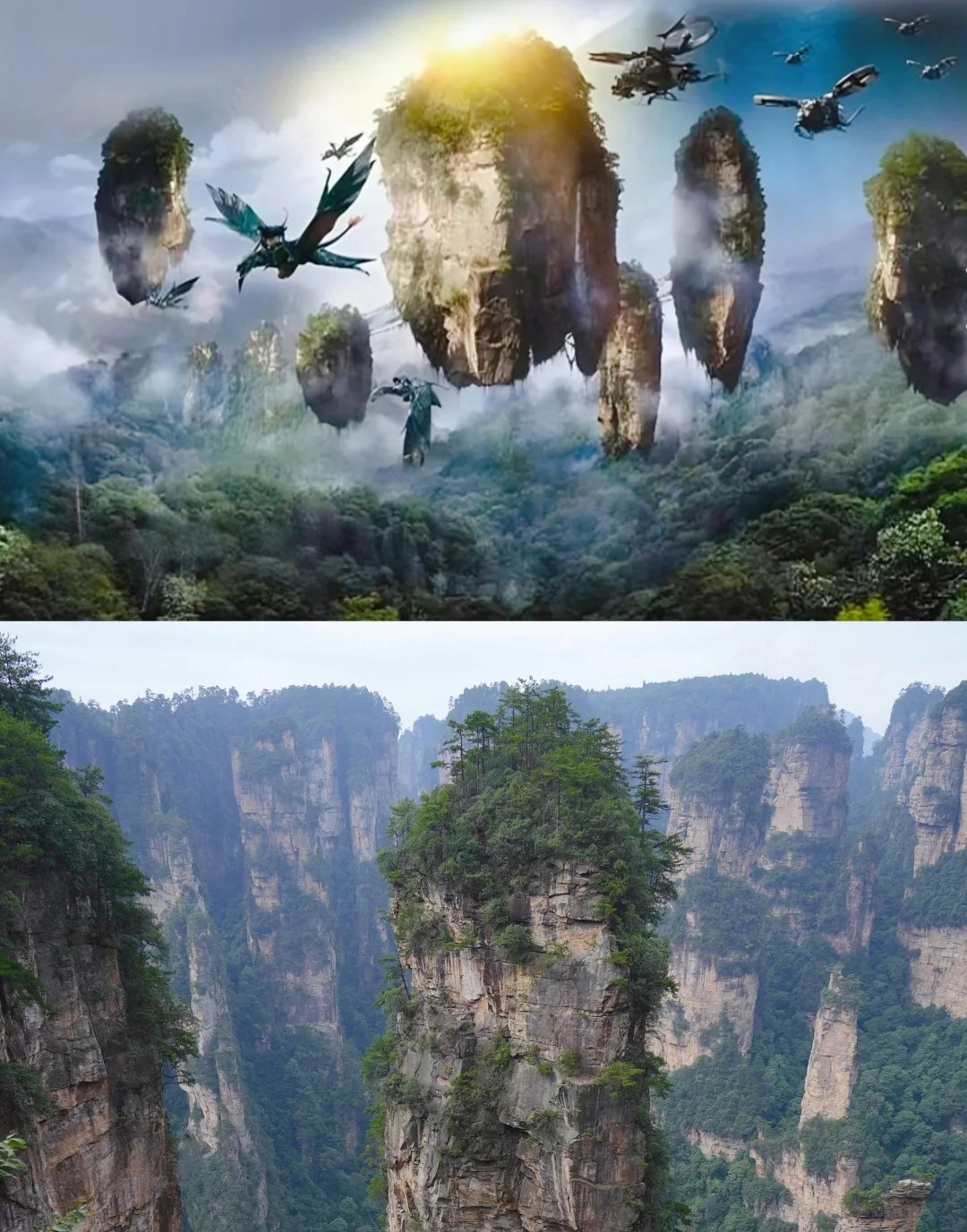
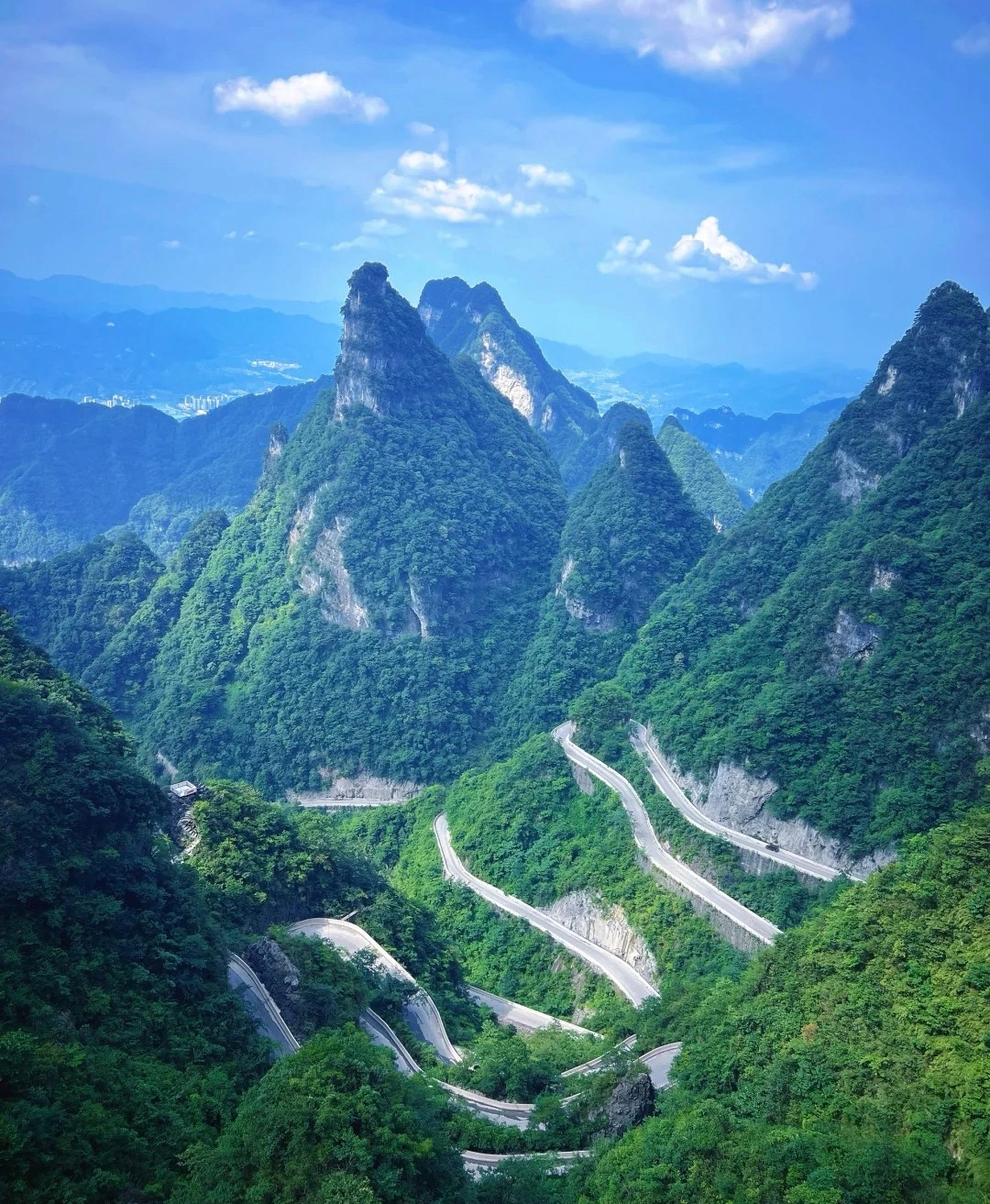
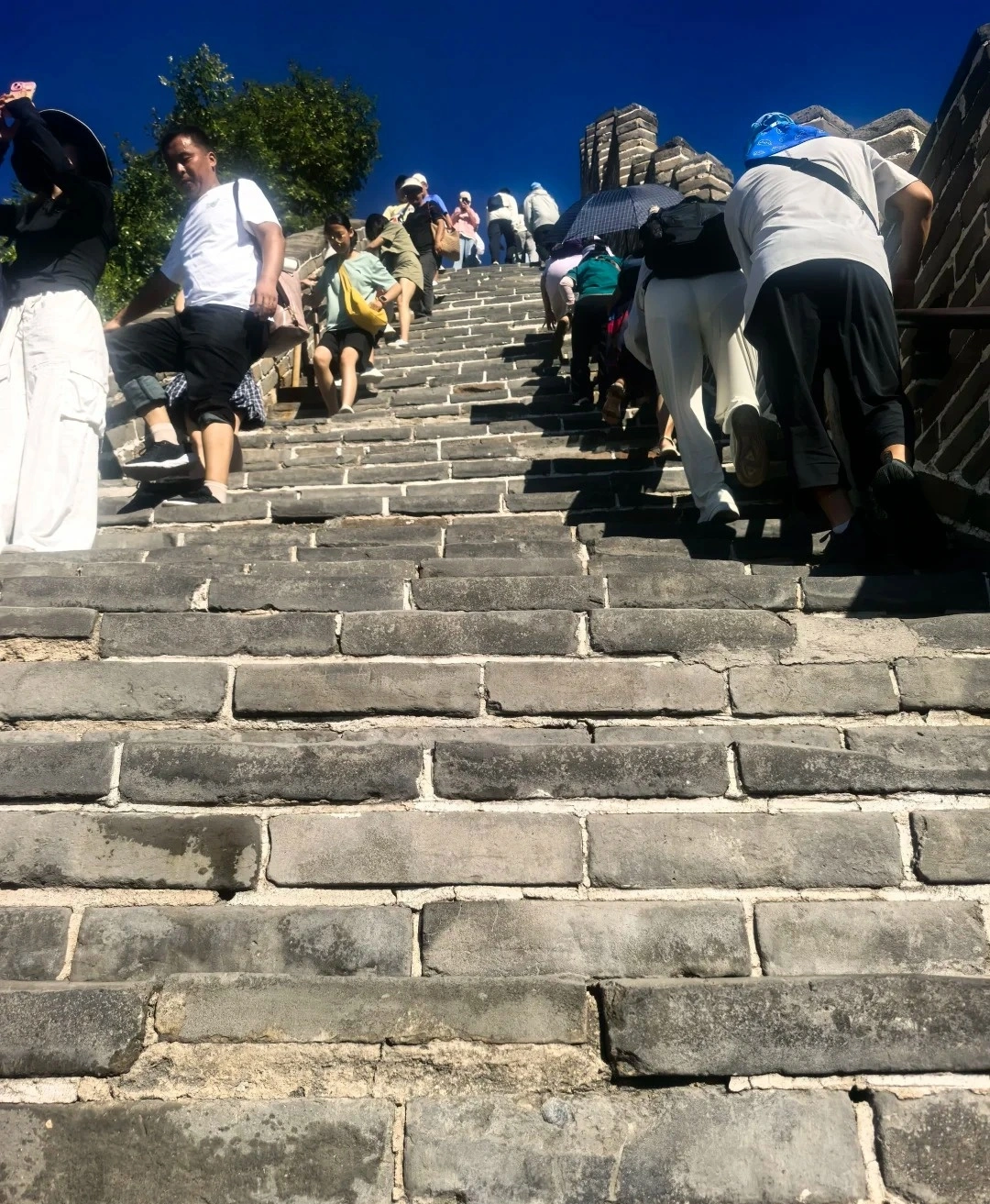
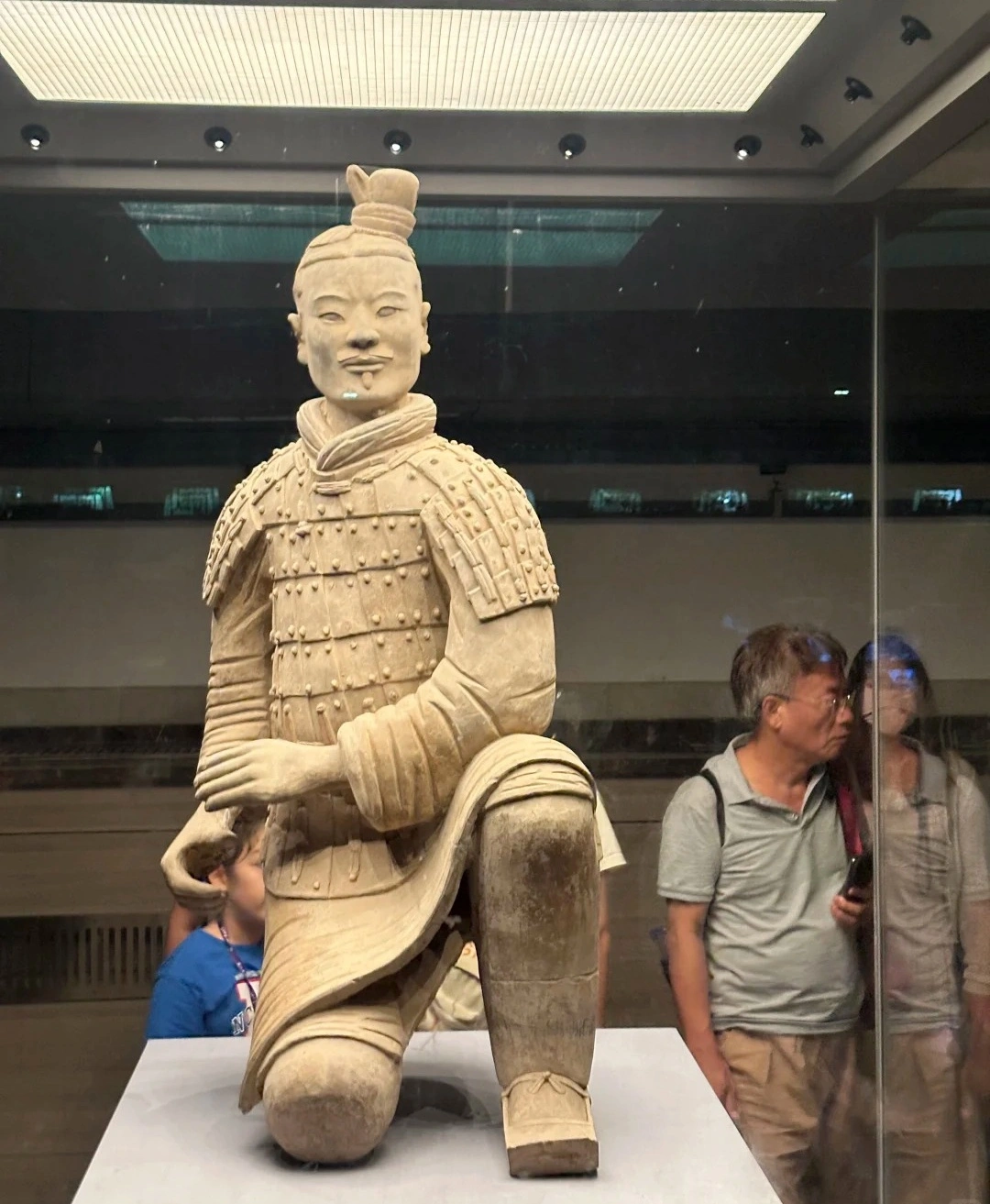
As a solo traveler from Canada, I was nervous about navigating China alone—but this 11-day tour was PERFECT! From hiking the Great Wall at sunrise (Day 3) to gasping at the Terracotta Army (Day 5), every day delivered ‘pinch-me’ moments. The real showstopper? Zhangjiajie’s Avatar Mountains (Day 7)! Our guide made the stone pillars come alive with stories.
Massive thanks for handling all logistics—bullet train tickets, entry passes, car! And the 4-star hotels surprised me.
Destination(s):
Beijing Xian Zhangjiajie Shanghai
Date of
Experience:
June 02,2025

Simon
America
Reviewed on May 29,2025
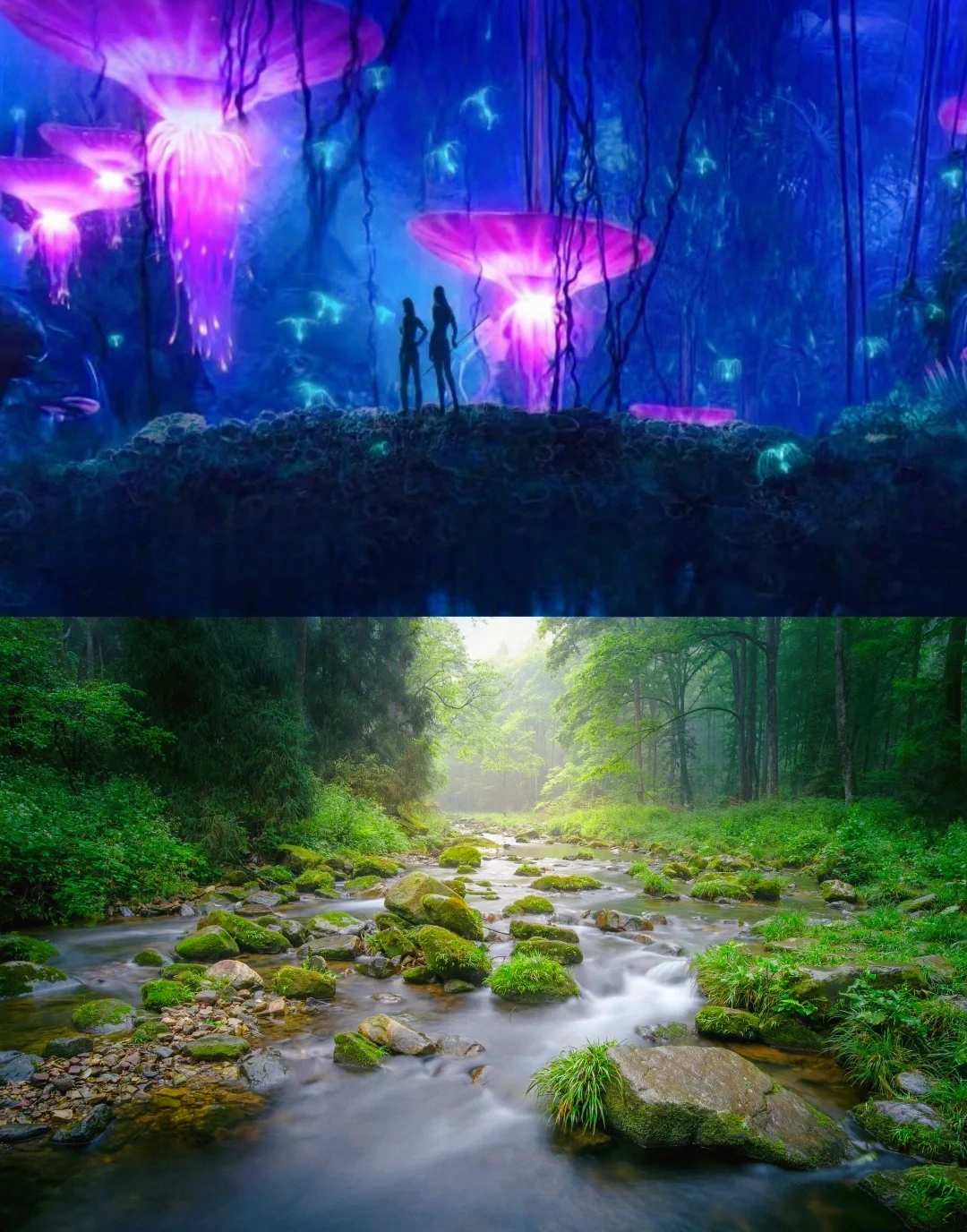
Our 2-day Zhangjiajie tour was beyond spectacular! As someone who’s visited Beijing and Shanghai for work, this trip revealed China’s wild, magical heart. Day 1 in Zhangjiajie National Forest Park felt like stepping onto Pandora—I’m a huge Avatar fan, and Yuanjiajie’s floating peaks left me breathless. The misty pillars and lush valleys like pure movie magic!
Then came Fenghuang Ancient Town, we eat dinner beside the thundering waterfall. It seems Unreal! The night views of stilt houses glowing over the river were straight from a fairy tale.
For fellow Avatar lovers and adventure seekers: Don’t miss this bucket-list experience! 10/10 would return.
A Well-Traveled Film Buff, May 2025
Destination(s):
Zhangjiajie
Date of
Experience:
May 08,2025