
Hongdong Big Locust Tree Root-seeking and Ancestor Worship Garden
The Hongtong Big Locust Tree Ancestral Homeland Park, located in Hongtong County, Shanxi Province, is China’s most renowned site for ancestral heritage and cultural pilgrimage. Known as the "Cradle of Chinese Roots," it commemorates the mass migration of millions of Han Chinese during the Ming Dynasty (1368–1644). Legend holds that over 1 million people gathered under a colossal locust tree to bid farewell to their homeland before dispersing across the nation. Today, the park spans 3.5 square kilometers and combines historical relics, ancestral rituals, and cultural exhibitions, attracting over 2 million visitors annually. Designated a national AAAAA-level tourist attraction, it serves as a spiritual hub for descendants worldwide to trace their lineage and honor their roots.
Historical Overview
The park’s origins trace back to the Ming Dynasty’s large-scale migration policy, initiated to repopulate regions devastated by war and famine. Between 1370 and 1417, the government organized 18 waves of migration, with Hongtong’s Big Locust Tree serving as the primary gathering point. Over centuries, the site evolved into a symbol of cultural unity, with descendants preserving ancestral tablets and oral histories. In 1953, the site was officially recognized as a cultural heritage landmark, and in 2008, it was upgraded to a national-level ancestral homeland park. Today, it hosts annual "Root-Seeking Ceremonies" attended by global Chinese communities, reinforcing its role as a bridge between past and present.
Structural Layout
The park is organized around three thematic zones:
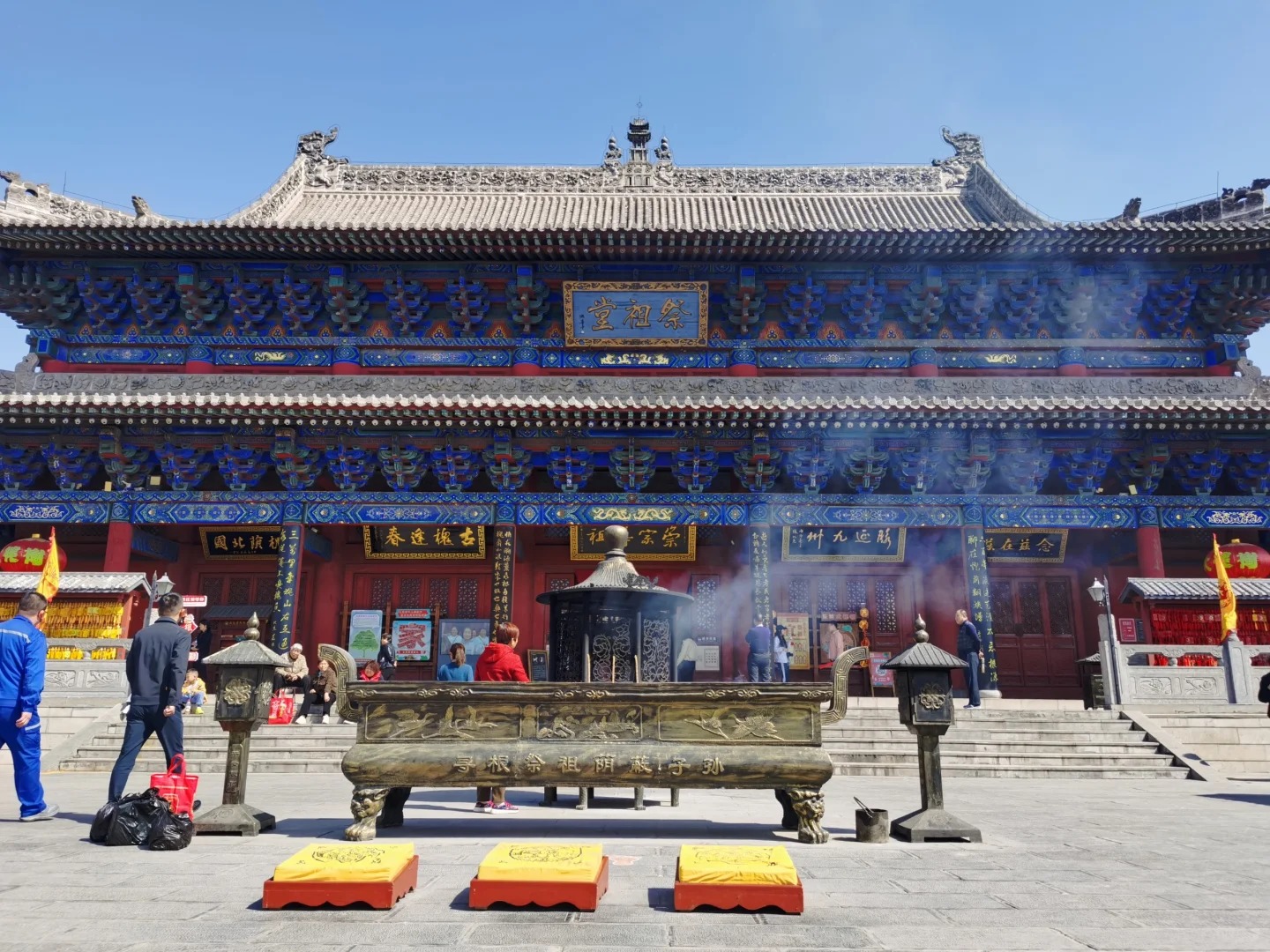
- Ancestral Memorial Zone: Features the iconic Big Locust Tree (now a protected relic), the Ancestral Hall, and the Memorial Stele Pavilion, where visitors offer incense and pay respects.
- Cultural Exhibition Zone: Includes the Immigration Museum, Folk Customs Street, and Genealogy Research Center, showcasing historical artifacts, migration routes, and family trees.
- Ecological Landscape Zone: Offers serene gardens, pavilions, and the Jade Emperor Temple, blending natural beauty with spiritual reflection.
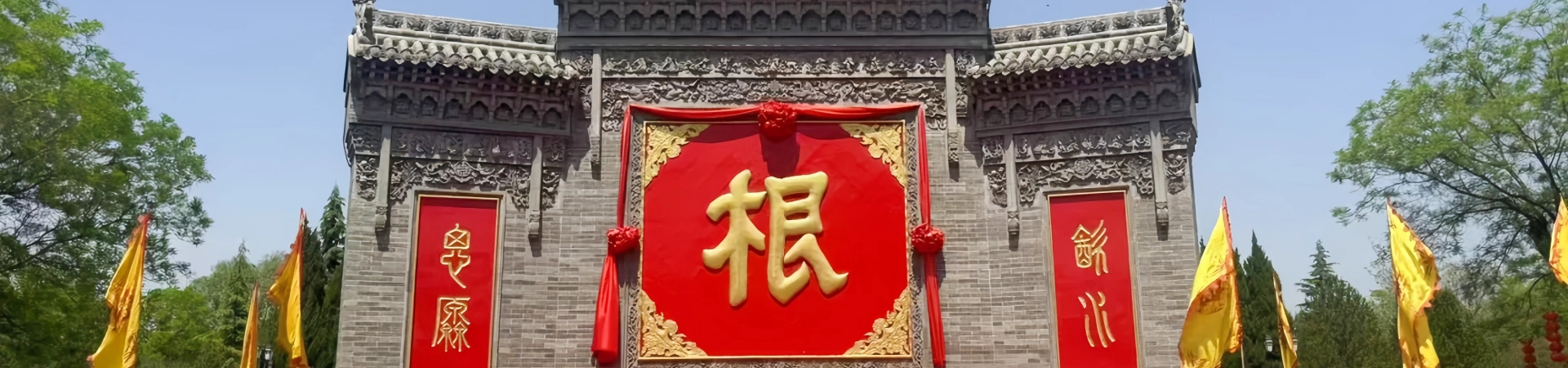
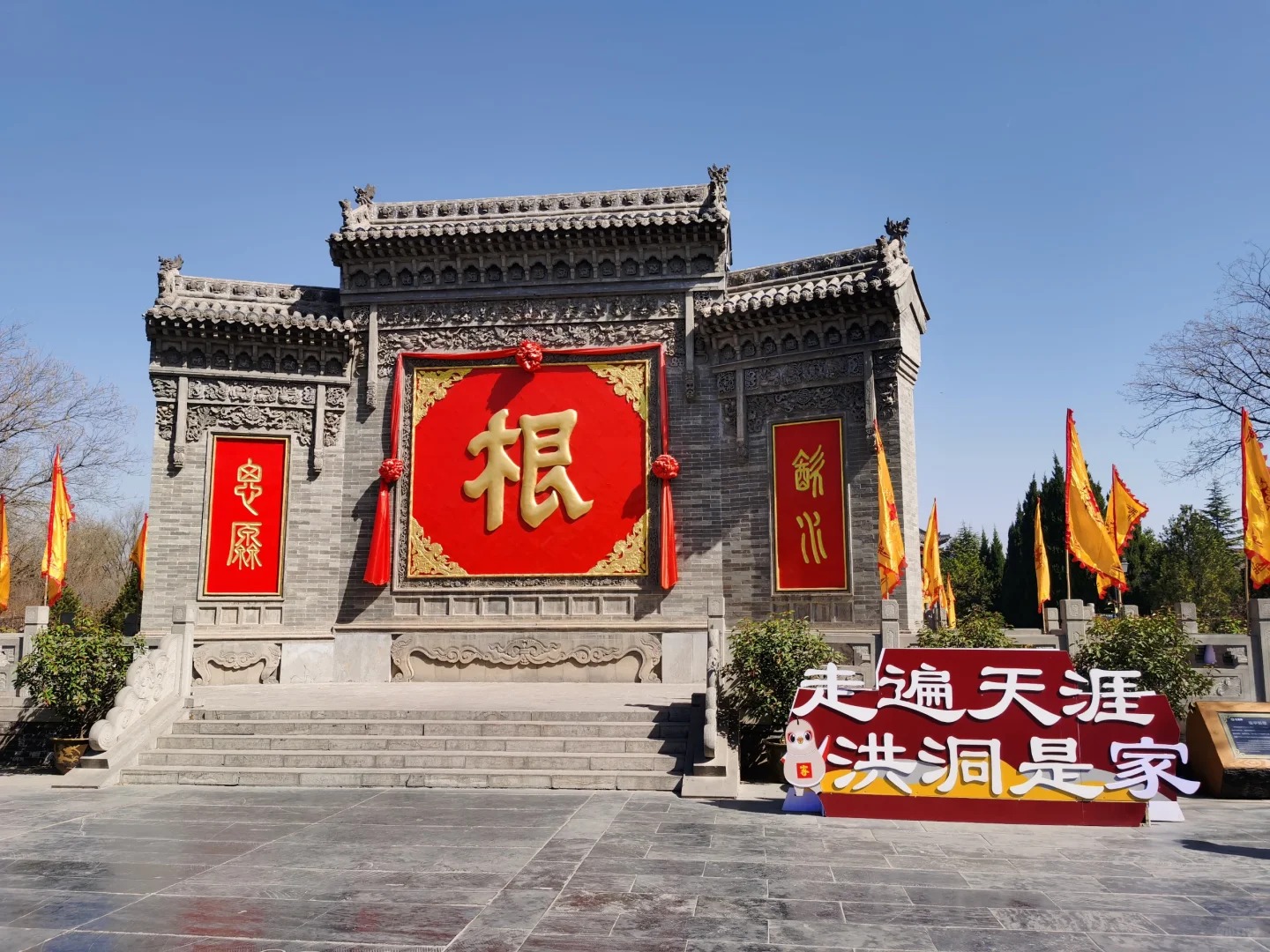
Key structures include the Root-Seeking Gate, the Millennium Locust Tree, and the Sacrificial Square, designed to evoke the emotional gravity of ancestral journeys.
Major Attractions
- Big Locust Tree: The 1,300-year-old tree, though partially damaged, remains a symbol of resilience. Its branches are supported by steel frames, while a stone replica stands nearby for ceremonies.
- Ancestral Hall: A grand wooden structure housing ancestral tablets and portraits of migration leaders, with daily rituals performed by descendants.
- Immigration Museum: Displays artifacts like old passports, migration tools, and interactive maps tracing 1,000+ surnames’ origins.
- Folk Customs Street: Recreates Ming-era market scenes with Traditional Crafts, music, and cuisine, offering immersive cultural experiences.
- Genealogy Research Center: Provides free assistance in tracing family histories through its database of over 120 million surnames.
- Jade Emperor Temple: A Taoist sanctuary where visitors pray for blessings and reflect on their heritage.
Suggested Itineraries
- Classic Route (2–3 hours):
Root-Seeking Gate → Big Locust Tree → Ancestral Hall → Memorial Stele Pavilion → Immigration Museum → Sacrificial Square
Highlights: Core ancestral rituals and migration history. - Cultural Exploration Route (4–5 hours):
Root-Seeking Gate → Folk Customs Street → Genealogy Research Center → Jade Emperor Temple → Ecological Gardens → Big Locust Tree at dusk
Highlights: Deep dive into cultural traditions and natural scenery. - Comprehensive Route (Full Day):
Early morning: Participate in the Root-Seeking Ceremony → Follow Classic Route → Lunch at Folk Customs Street → Afternoon: Genealogy Research + Ecological Gardens → Evening: Light show at Sacrificial Square
Highlights: Full immersion in ancestral, cultural, and spiritual activities.
Ticket Purchase
- Online: Book via the official website or WeChat mini-program (up to 7 days in advance).
- On-Site: Tickets available at entrance gates; limited during peak seasons.
- Prices:
- Peak Season (April–October): ¥80 (adults), ¥40 (students/seniors).
- Off-Season (November–March): ¥60 (adults), ¥30 (students/seniors).
- Free: Children under 1.2m, disabled visitors, and active military personnel.
- Included Services: Access to all zones, guided tours (¥50 extra), and ancestral ritual participation.
Transportation
- By Train:
- Take a high-speed train to Linfen West Station, then a 1-hour taxi ride to the park.
- By Bus:
- From Taiyuan Bus Station, take a direct bus to Hongtong County (2.5 hours), followed by a 15-minute taxi.
- By Car:
- Park Shuttle: Free buses connect parking lots to entrance gates during peak seasons.
Best Time & Tips
- Peak Hours: Avoid 10 AM–2 PM; arrive early for ceremonies or stay late for sunset views.
- Crowds: Weekends and holidays are busiest; weekdays offer a quieter experience.
- Weather: spring (April–May) and autumn (September–October) are ideal for outdoor activities.
- Essentials:
- Wear comfortable shoes (the park spans large areas).
- Bring sun protection (hat, sunscreen) in summer.
- Respect ritual sites: avoid loud noises or disruptive behavior.
- Photography allowed except in ancestral halls during ceremonies.
- Prohibited items: Large bags, drones, and selfie sticks.


Contact Us
Что говорят наши клиенты?
На основе более 10 000 отзывов путешественников

Daniel Dorothea
Canada
Reviewed on April 29,2025
Shopping on Nanjing Road in Shanghai was just amazing! It's truly the "First Commercial Street of China", where tradition and modernity blend perfectly. You can find awesome souvenirs and experience the trendy vibes in cool stores. The neon lights at night are just spectacular, shining bright like Times Square in New York. The food here is incredible too. I had a feast for my taste buds. Shanghai, I'll definitely be back!
Destination(s):
Shanghai
Date of
Experience:
May 08,2024


Elvis Eva
Canada
Reviewed on June 20,2025
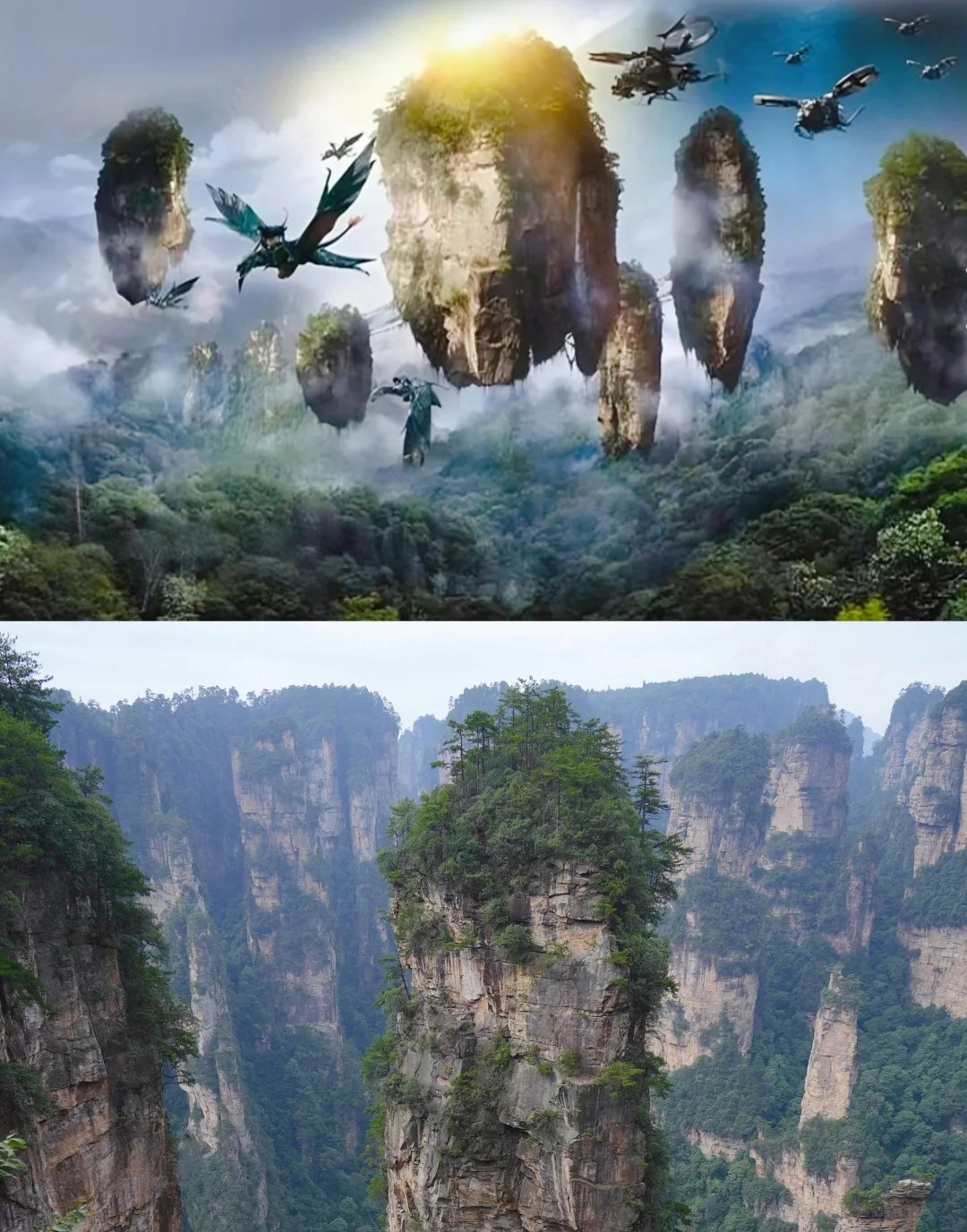
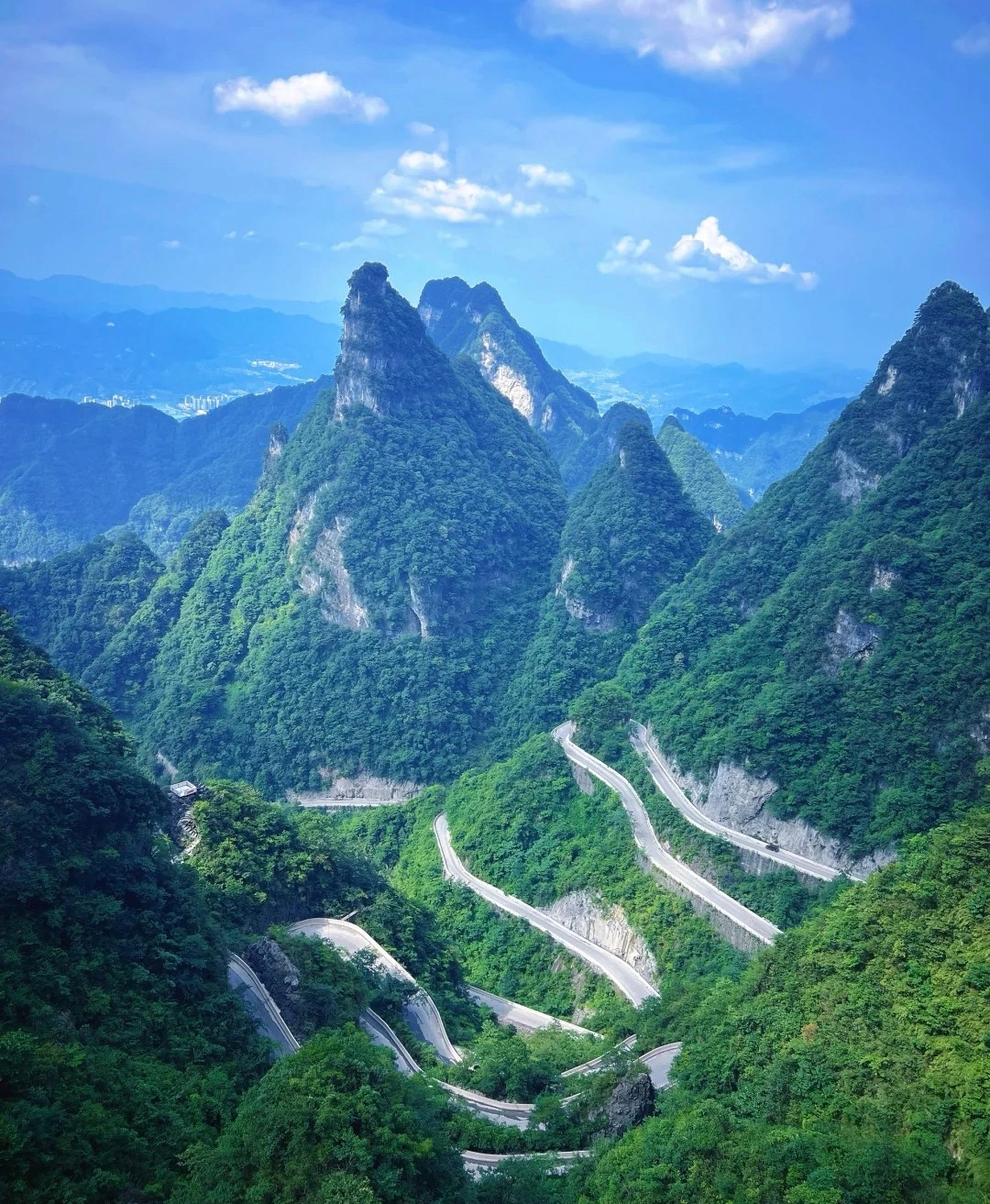
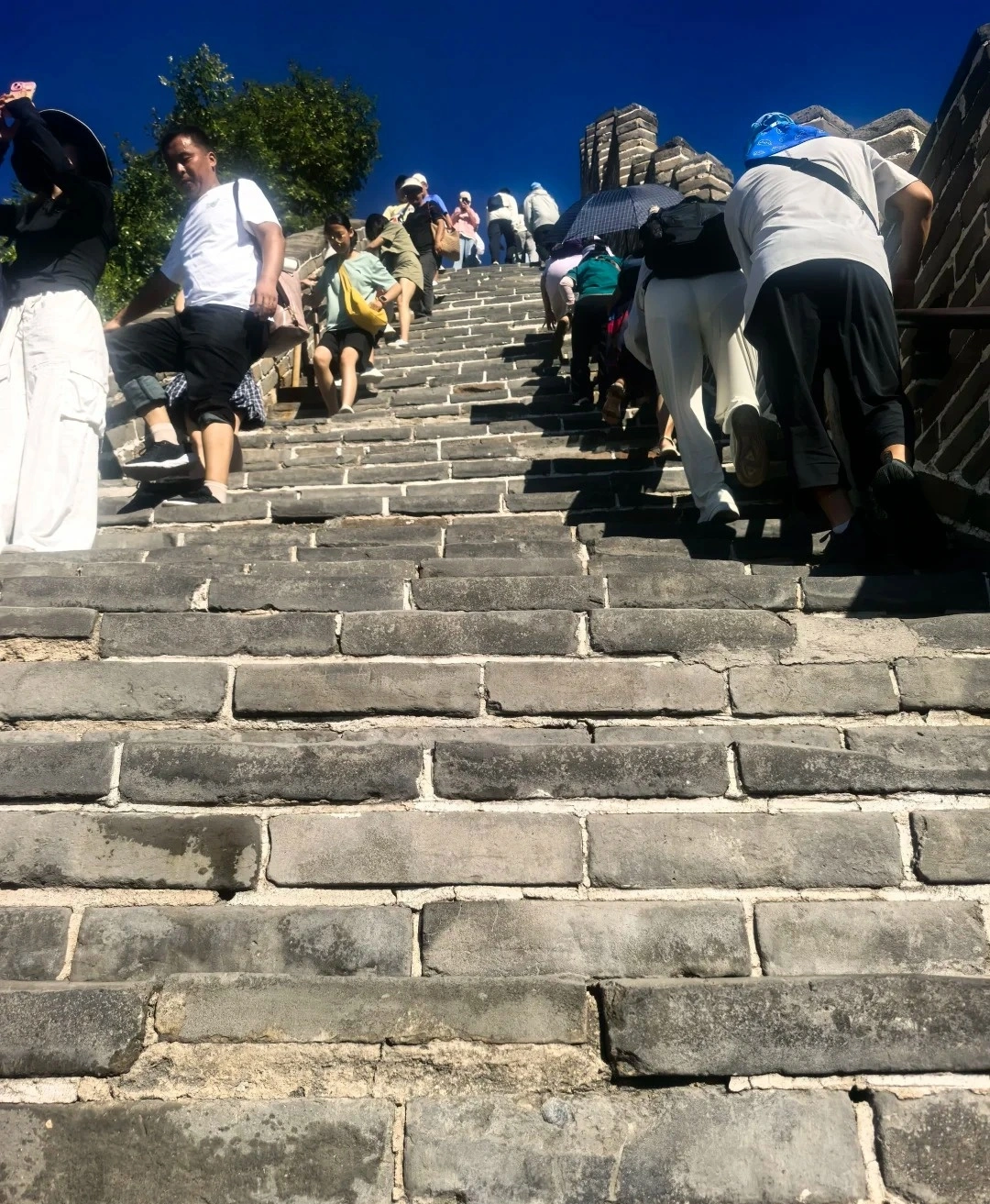
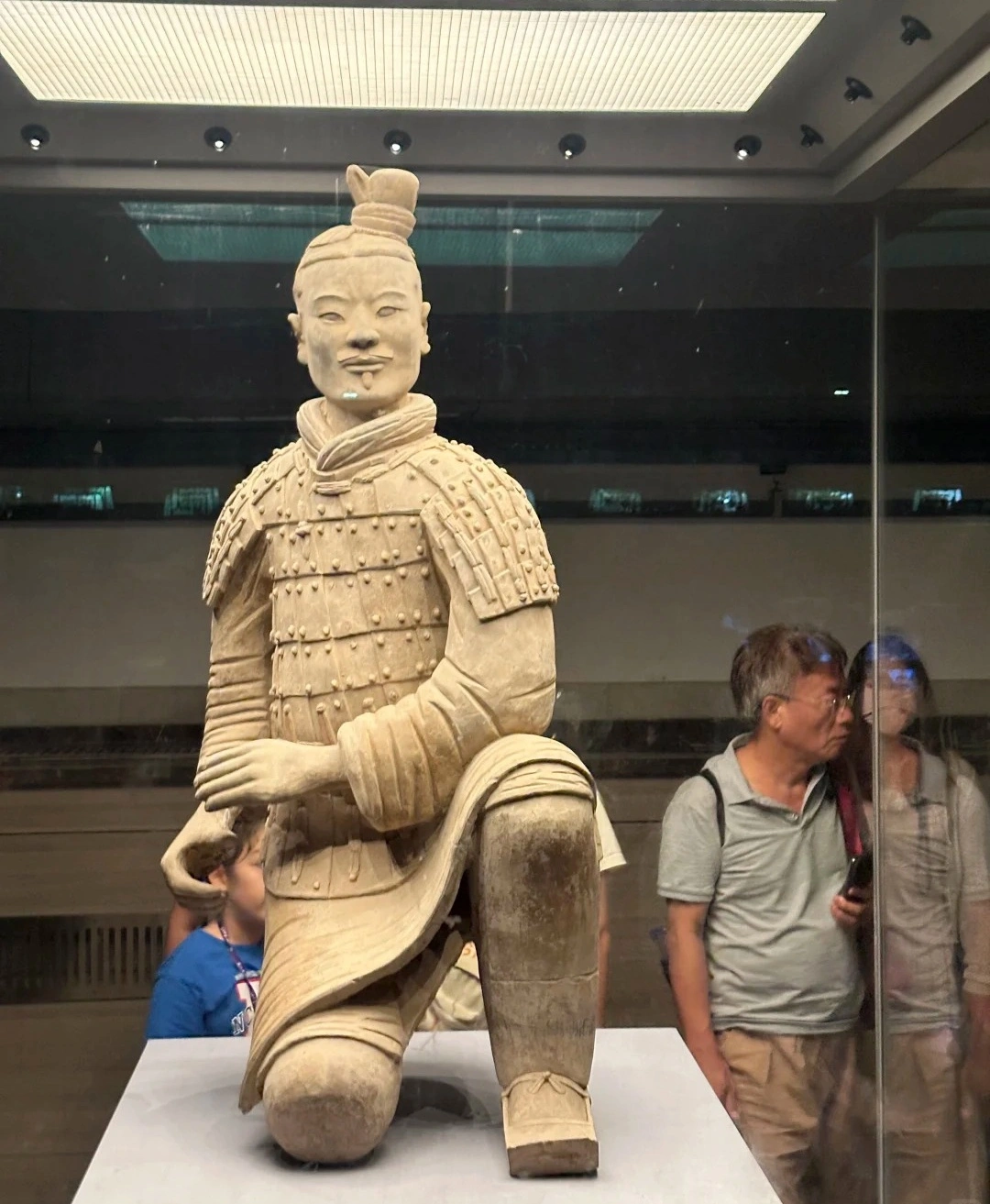
As a solo traveler from Canada, I was nervous about navigating China alone—but this 11-day tour was PERFECT! From hiking the Great Wall at sunrise (Day 3) to gasping at the Terracotta Army (Day 5), every day delivered ‘pinch-me’ moments. The real showstopper? Zhangjiajie’s Avatar Mountains (Day 7)! Our guide made the stone pillars come alive with stories.
Massive thanks for handling all logistics—bullet train tickets, entry passes, car! And the 4-star hotels surprised me.
Destination(s):
Beijing Xian Zhangjiajie Shanghai
Date of
Experience:
June 02,2025

Simon
America
Reviewed on May 29,2025
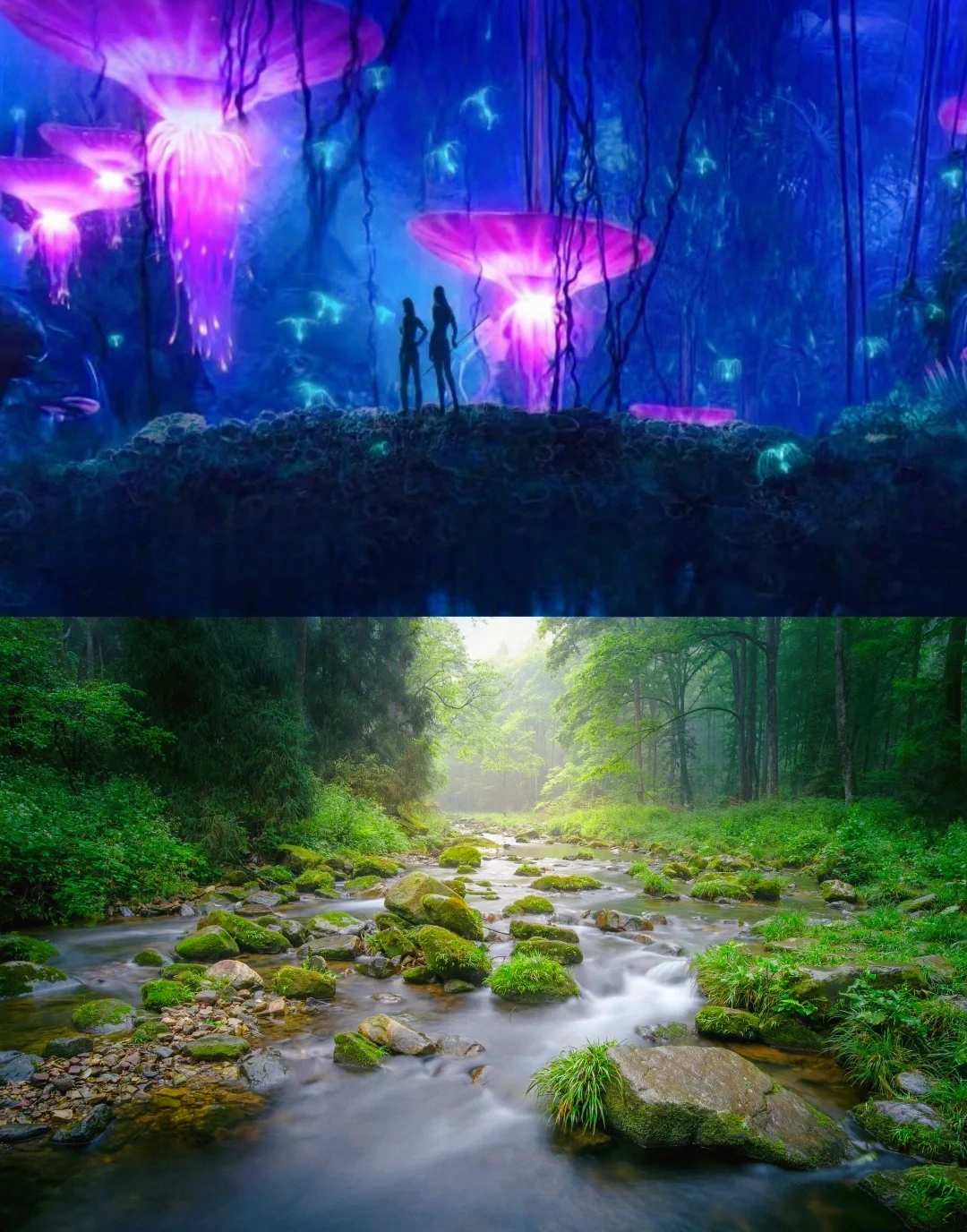
Our 2-day Zhangjiajie tour was beyond spectacular! As someone who’s visited Beijing and Shanghai for work, this trip revealed China’s wild, magical heart. Day 1 in Zhangjiajie National Forest Park felt like stepping onto Pandora—I’m a huge Avatar fan, and Yuanjiajie’s floating peaks left me breathless. The misty pillars and lush valleys like pure movie magic!
Then came Fenghuang Ancient Town, we eat dinner beside the thundering waterfall. It seems Unreal! The night views of stilt houses glowing over the river were straight from a fairy tale.
For fellow Avatar lovers and adventure seekers: Don’t miss this bucket-list experience! 10/10 would return.
A Well-Traveled Film Buff, May 2025
Destination(s):
Zhangjiajie
Date of
Experience:
May 08,2025