
Huaqing Palace Scenic Area: China's Legendary Hot Spring Wonderland
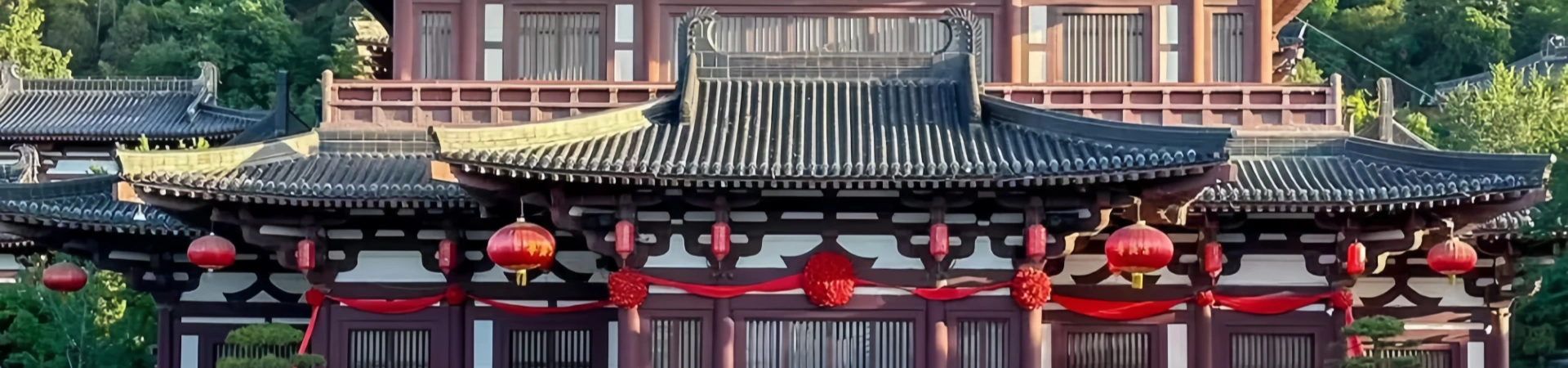
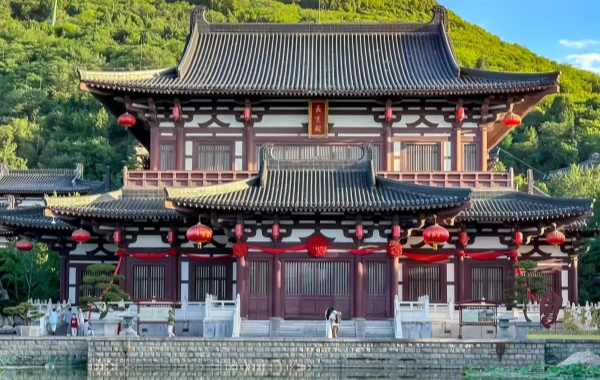
The Huaqing Palace Scenic Area, located at the foot of Mount Li in Lintong District, Xi’an, is one of China’s most iconic cultural and historical attractions. This stunning site combines ancient imperial architecture, natural hot springs, romantic legends, and key archaeological remains, making it an essential destination for anyone exploring Xi’an or researching Chinese history.
Known worldwide as the setting of the famous love story between Emperor Xuanzong of the Tang Dynasty and his beloved consort Yang Guifei, Huaqing Palace Scenic Area offers travelers a rich blend of history, culture, hot spring experiences, museum-style exhibitions, and large-scale night performances.
This article provides a comprehensive, SEO-friendly guide to the Huaqing Palace Scenic Area—ideal for bloggers, travel websites, and anyone who wants a complete English reference.
1. Overview of the Huaqing Palace Scenic Area
The Huaqing Palace Scenic Area, also called Huaqing Hot Springs, is a grand historical complex with over 3,000 years of hot spring culture. Throughout Chinese history, numerous emperors—including those from the Qin, Han, Sui, and Tang Dynasties—visited the area to bathe in its natural geothermal pools.
Today, it remains one of Xi’an’s top attractions thanks to:
-
Well-preserved palace ruins
-
Reconstructed traditional Tang-style buildings
-
Beautiful gardens and courtyards
-
Archaeological sites, including the 20th Hot Spring Pool discovery
-
Clear springs that have flowed for millennia
Its combination of romance, history, and natural beauty makes it a unique cultural destination.
2. Historical Background: Where Culture Meets Romance
Understanding the history of the Huaqing Palace Scenic Area enriches the visitor experience and improves SEO depth.
2.1. Origins in the Zhou and Qin Dynasties
The earliest hot spring baths here date back to the Western Zhou Dynasty. Later, Qin Shi Huang, China’s First Emperor, expanded the hot springs, turning them into one of his imperial retreats.
2.2. Flourishing Under the Tang Dynasty
The site reached its peak during the Tang Dynasty, particularly under Emperor Xuanzong (685–762). He built vast palaces and luxurious hot spring pavilions, making this his favorite winter residence.
2.3. The Legendary Love Story
The romance between Emperor Xuanzong and Yang Guifei is inseparable from Huaqing Palace. The scenic area highlights their eternal love through:
-
Relics of the Lotus Pool (Huaqing Pool) where Yang Guifei bathed
-
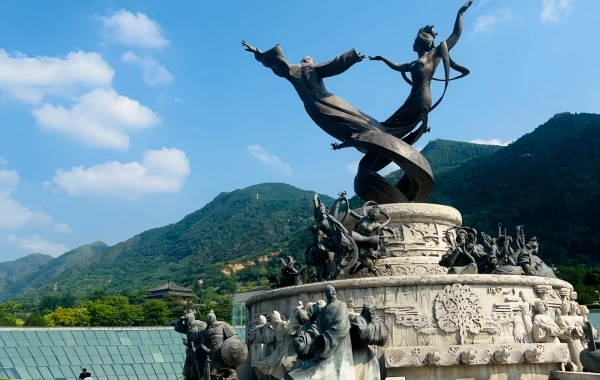
Statues depicting their relationship
-
Evening performances recreating their story
The combination of history and romance is one of the reasons the scenic area remains so famous.
2.4. Modern Significance
Huaqing Palace became internationally known in modern times due to the Xi’an Incident in 1936, when General Zhang Xueliang detained Chiang Kai-shek. Visitors can now explore historical exhibition halls relating to this pivotal moment in Chinese history.
3. Top Attractions Inside the Huaqing Palace Scenic Area
3.1. The Huaqing Hot Spring Pools
The hot spring pools are the core of the scenic area. The most famous ones include:
-
The Lotus Pool (Bath of Yang Guifei)
-
The Crabapple Pool
-
The Star Pool
-
The Prince Pool
Each pool has a unique architectural style. The restored stone channels, grottoes, and bathing platforms vividly show how imperial families enjoyed the baths during ancient times.
3.2. Huaqing Lake
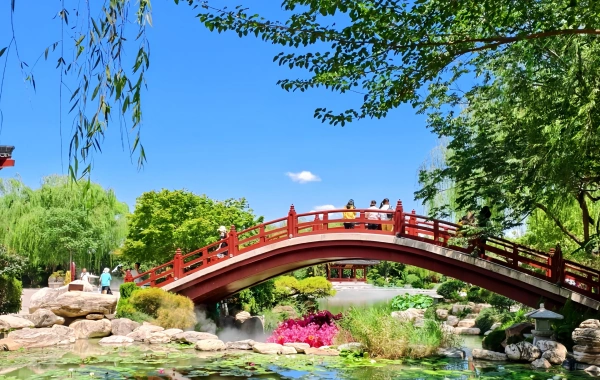
This beautiful lake is surrounded by traditional architecture and willow trees. Its calm reflections make it one of the most photogenic areas in the park, especially during sunrise and sunset.
3.3. Mount Li (Lishan Mountain)
Rising directly behind the scenic area, Mount Li is famous for:
-
Hiking paths
-
Panoramic views of the entire region
-
Taoist temples
-
The iconic Sunset Pavilion
Visitors can ride a cable car or hike to the top for breathtaking scenery.
3.4. The Frost Flying Hall (Feishuang Hall)
Known as Emperor Xuanzong’s winter palace, this hall showcases exhibitions on Tang Dynasty culture, interior furnishings, and ceremonial traditions.
3.5. The Nine-Dragon Lake
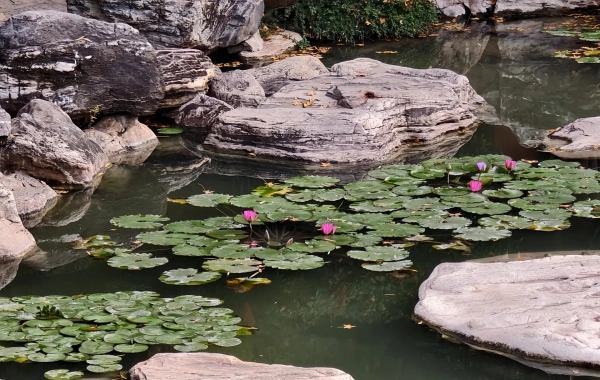
A favorite among photographers, this lake is decorated with bridges, pavilions, and lotus blossoms during summer. The surrounding palace-style buildings reflect beautifully on the water.
3.6. Xi’an Incident Memorial Sites
For history enthusiasts, the Huaqing Palace Scenic Area offers access to:
-
Chiang Kai-shek’s temporary residence
-
The rock wall where he hid during the attack
-
Exhibition rooms documenting the 1936 event
These exhibits help visitors understand the political importance of the site.
4. The Must-See Evening Performance: “The Song of Everlasting Sorrow”
One of the most famous features of the Huaqing Palace Scenic Area is the outdoor show “The Song of Everlasting Sorrow”, performed in the open-air theater against Mount Li.
4.1. What Makes the Show Unique
-
Performed with real mountains as the backdrop
-
Actors dance across pools and waterfalls
-
Uses laser projections, lighting, and water effects
-
Tells the love story of Emperor Xuanzong and Yang Guifei
4.2. Why You Should Attend
The show is considered one of the best evening performances in China. It is cultural, emotional, visually stunning, and deeply connected to the scenic area’s history.
4.3. Best Season to Watch
Performances run from April to October, with warm summer nights being the most comfortable.
5. Hot Spring Culture: What Makes Huaqing Palace Famous
The natural hot springs of the Huaqing Palace Scenic Area have operated continuously for over 3,000 years.
Key Characteristics:
-
Temperature: around 43°C
-
Mineral-rich water believed to promote relaxation
-
Clear and pure, ideal for bathing since ancient times
While the historical pools cannot be used for bathing today, there are modern hot spring spas in the nearby Lintong area for visitors who want to enjoy the tradition.
6. Best Time to Visit the Huaqing Palace Scenic Area
Spring
-
Best climate
-
Flowers blooming around lakes and pavilions
-
Comfortable for walking
Summer
-
Lush greenery
-
Night show is most active
-
Cooler temperatures in the evening
autumn
-
Clear skies and mild weather
-
Ideal for photography
-
Fewer crowds compared to summer
Winter
-
Historically the season emperors visited
-
Hot spring culture feels most atmospheric
-
Snow-covered architecture offers unique views
7. How to Get to the Huaqing Palace Scenic Area
From Xi’an City Center
-
By bus: Tourist bus lines run directly to the scenic area
-
By taxi: 40–60 minutes depending on traffic
-
By metro: Metro Line 9 connects Xi’an to Lintong District
From Terracotta Army
Huaqing Palace is only a 10-minute drive from the Terracotta Warriors Museum, making it convenient to visit both on the same day.
8. Tips for Visiting the Huaqing Palace Scenic Area
-
Buy night show tickets early—they often sell out
-
Wear comfortable shoes; the scenic area is large
-
Bring sun protection during summer visits
-
Allow at least 2–3 hours inside the main complex
-
The best photography spots include Huaqing Lake, Nine-Dragon Lake, and the lotus pool area
9. Why the Huaqing Palace Scenic Area Deserves a Spot on Your Itinerary
The Huaqing Palace Scenic Area stands out among China’s historical destinations because it uniquely combines:
-
Imperial palace architecture
-
Beautiful natural landscapes
-
Romantic stories from ancient literature
-
Important events from modern Chinese history
-
High-quality evening performances
-
Relaxing hot spring culture
It is not only a place to learn about China’s dynastic past, but also a living showcase of cultural heritage and artistic expression.
Соответствующий маршрут

1 Day
|
Xi'an
2 days
|
Xi'an
1 Day
|
Xi'an
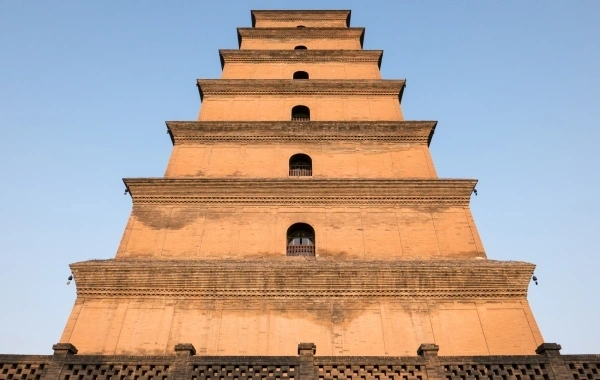
If you only have one day in Xi'an and lack the energy for extensive exploration, don't miss this trip where you can visit the renowned Terracotta Warriors and Horses, then enter the enchanting Lishan National Forest Park, and finally in the evening, head to Huaqing Palace at Mount Li's foot to savor its night view while enjoying a hot spring soak and massage.

1 Day
|
Xi'an


Contact Us
Что говорят наши клиенты?
На основе более 10 000 отзывов путешественников

Daniel Dorothea
Canada
Reviewed on April 29,2025
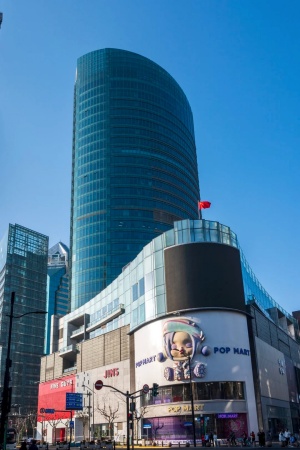
Shopping on Nanjing Road in Shanghai was just amazing! It's truly the "First Commercial Street of China", where tradition and modernity blend perfectly. You can find awesome souvenirs and experience the trendy vibes in cool stores. The neon lights at night are just spectacular, shining bright like Times Square in New York. The food here is incredible too. I had a feast for my taste buds. Shanghai, I'll definitely be back!
Destination(s):
Shanghai
Date of
Experience:
May 08,2024

Elvis Eva
Canada
Reviewed on June 20,2025
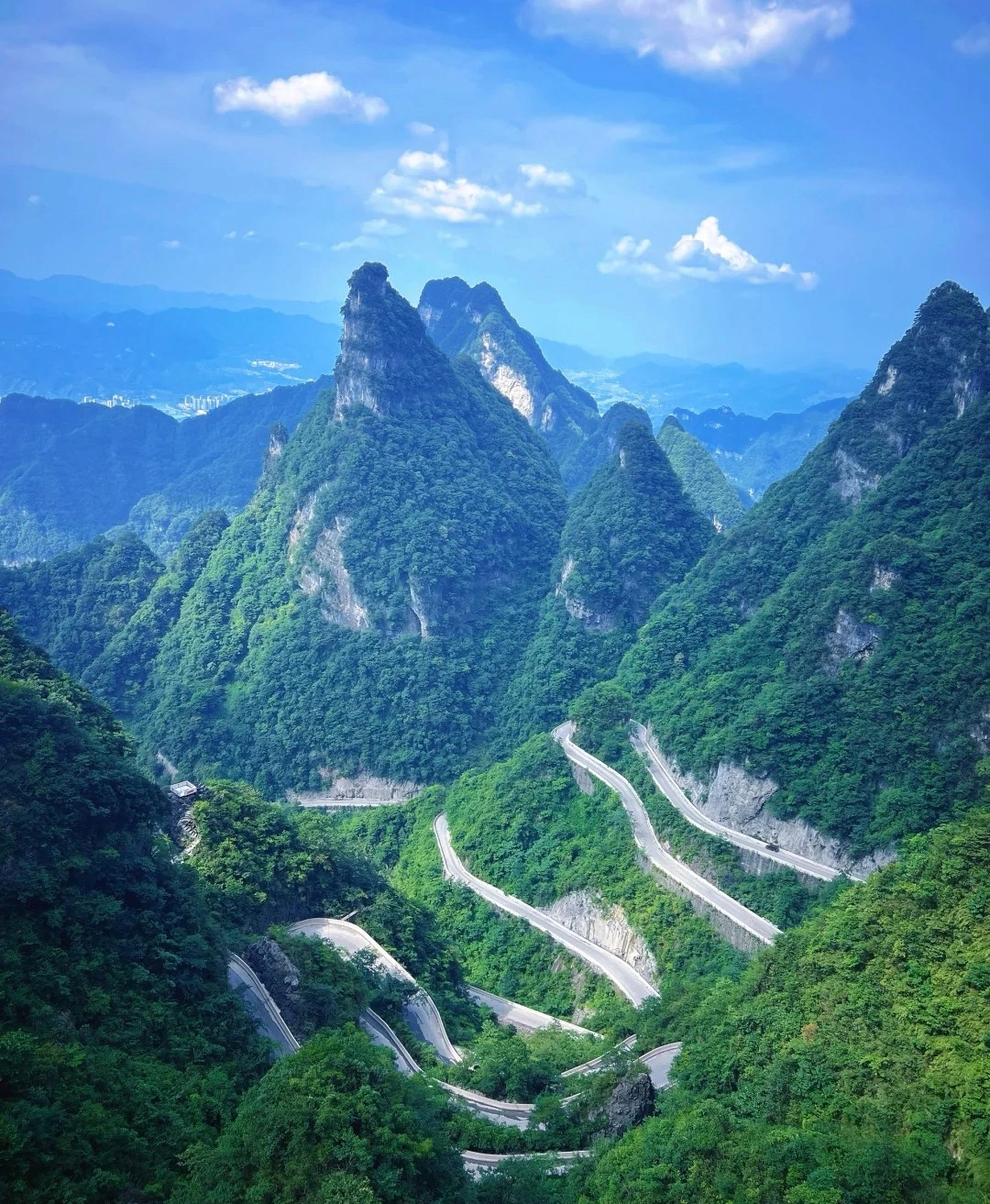
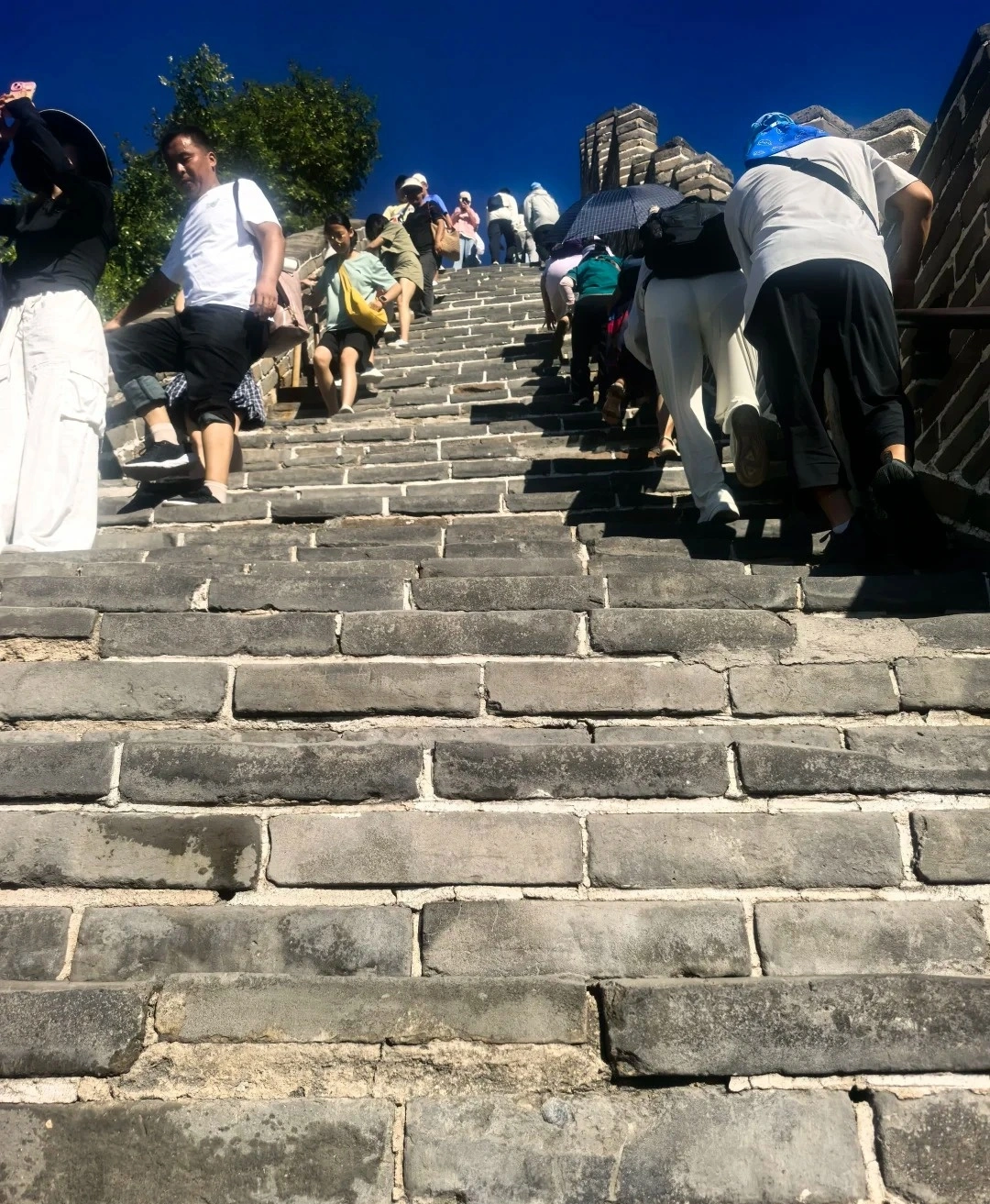
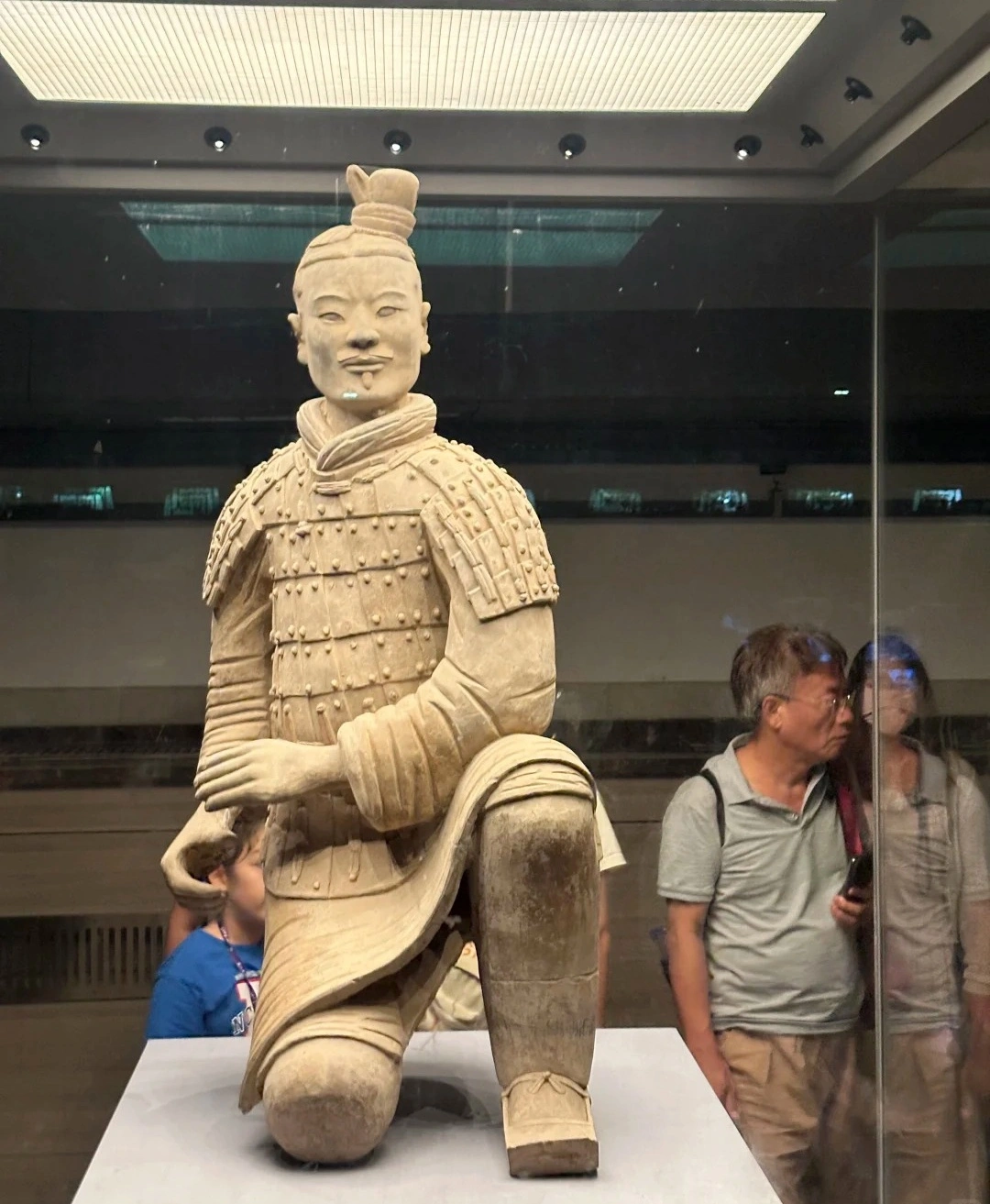
As a solo traveler from Canada, I was nervous about navigating China alone—but this 11-day tour was PERFECT! From hiking the Great Wall at sunrise (Day 3) to gasping at the Terracotta Army (Day 5), every day delivered ‘pinch-me’ moments. The real showstopper? Zhangjiajie’s Avatar Mountains (Day 7)! Our guide made the stone pillars come alive with stories.
Massive thanks for handling all logistics—bullet train tickets, entry passes, car! And the 4-star hotels surprised me.
Destination(s):
Beijing Xian Zhangjiajie Shanghai
Date of
Experience:
June 02,2025

Simon
America
Reviewed on May 29,2025
Our 2-day Zhangjiajie tour was beyond spectacular! As someone who’s visited Beijing and Shanghai for work, this trip revealed China’s wild, magical heart. Day 1 in Zhangjiajie National Forest Park felt like stepping onto Pandora—I’m a huge Avatar fan, and Yuanjiajie’s floating peaks left me breathless. The misty pillars and lush valleys like pure movie magic!
Then came Fenghuang Ancient Town, we eat dinner beside the thundering waterfall. It seems Unreal! The night views of stilt houses glowing over the river were straight from a fairy tale.
For fellow Avatar lovers and adventure seekers: Don’t miss this bucket-list experience! 10/10 would return.
A Well-Traveled Film Buff, May 2025
Destination(s):
Zhangjiajie
Date of
Experience:
May 08,2025