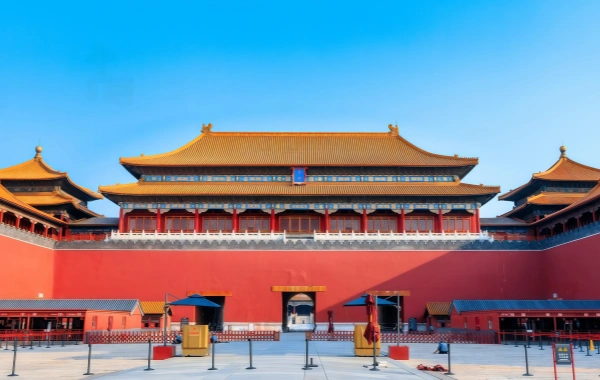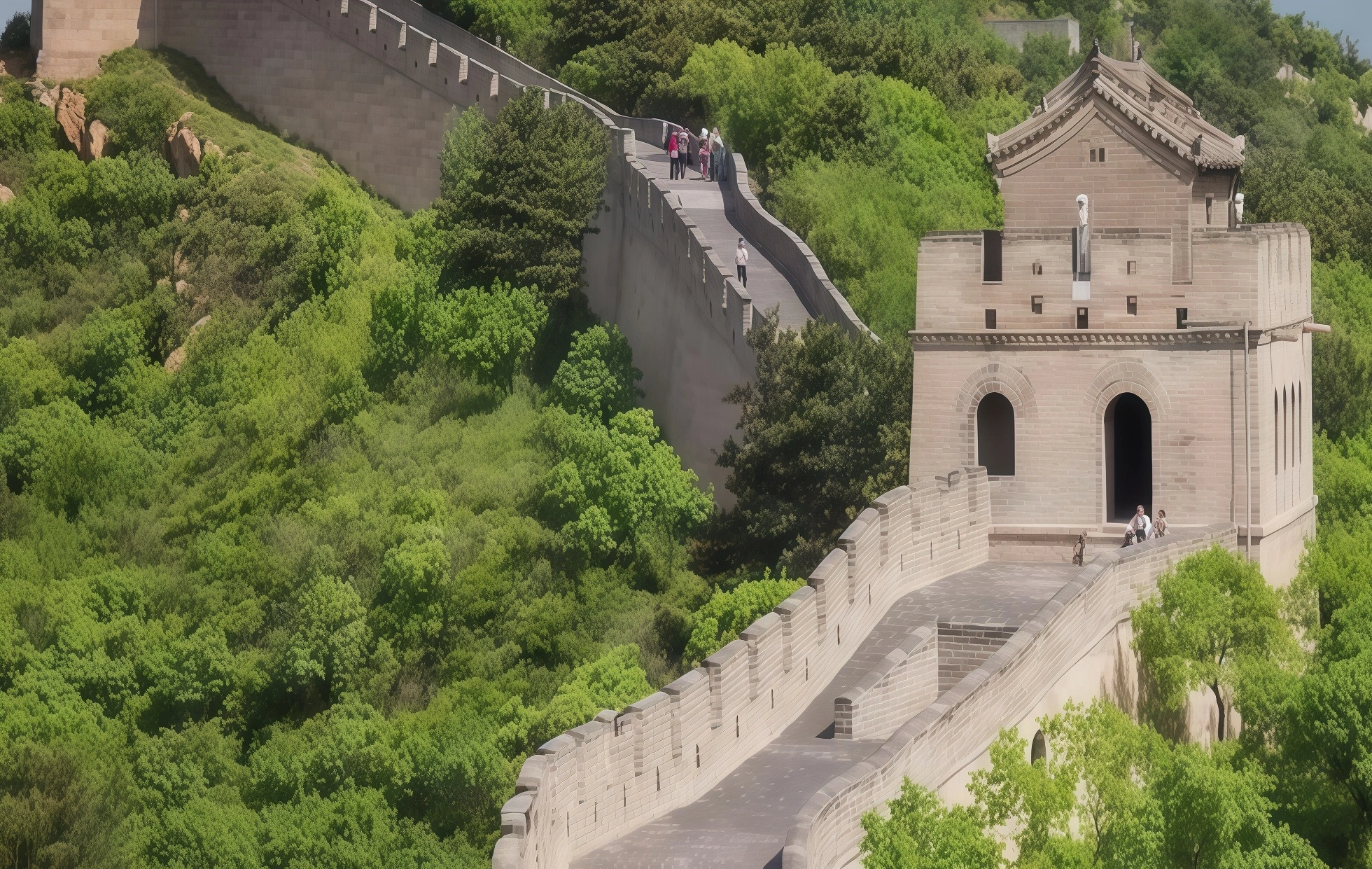
Spring in Beijing is a poetic dialogue that transcends time and space. The red walls of the Forbidden City are even more solemn and graceful against the backdrop of crabapples, while the reflection of the white pagoda tells ancient stories in the waves of Kunming Lake; The landscape painting of the Summer Palace slowly unfolds in the sea of flowers, and the spine of the Great Wall is rejuvenated with the embellishment of apricot blossoms. We will plan a three-day itinerary for you to embark on a unique journey in Beijing amidst the spring breeze.
If you have any questions or would like to customize your trip, please contact us!
{tour-id-1811691232969580545,1812772212824297473}
Day 1: The Red Wall of the Forbidden City and the White Pagoda in Spring - A Dialogue Through 600 Years of Spring
Morning: Poetic Opening of the Forbidden City and Red Wall Begonia
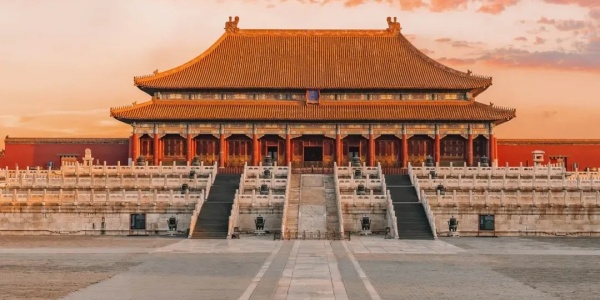
The Forbidden City in spring is a feast of flowers and walls: the crabapple in the west of the Wenhua Hall climbs the vermilion palace wall, and the petals fall on the stone steps to form a "natural flower carpet". It is recommended to shoot the classic scene of "crabapple reflecting on the red wall" at the east corner of Wenhua Gate. Strolling along the East Six Palaces, the century old pear trees in Chengqian Palace are in their flowering period, with white flowers resembling snow, complementing the golden glazed tiles. Don't forget to visit the "Protecting Leg Lion" in Duanhong Bridge, listen to the commentator's narration of royal anecdotes from the Daoguang era, and experience the cultural texture behind the red wall.
Practical Guide:
Transportation: Get off at Tiananmen East Station on Metro Line 1, enter the palace through Donghua Gate before 7:30, and prioritize visiting palaces on West Road (such as Cining Palace and Shoukang Palace) to avoid crowds;
Hidden gameplay: Participate in the "Palace Museum Flower Trade Wind" tour, identify 23 types of spring flowers and trees, such as wisteria in Wuying Hall and Taiping Flower in Cining Palace, and unlock the "one palace, one scenery" flower viewing password;
Historical Easter egg: Pay attention to the "ventilation" brick carvings at the base of the palace walls. The ventilation openings designed by ancient people to prevent wooden columns from getting damp have now become excellent materials for taking close-up shots.
Afternoon: White Pagoda Park and the poetic atmosphere of spring waves in Beihai
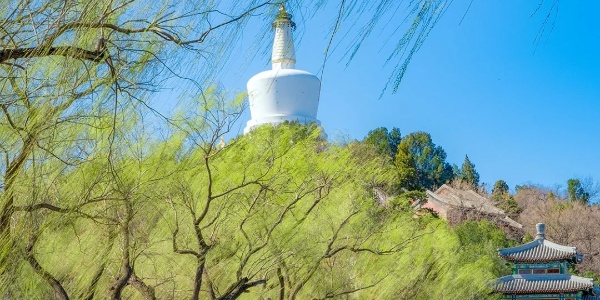
A 15 minute walk from the Shenwu Gate of the Forbidden City leads to Beihai Park. In spring, the White Pagoda reflects Kunming Lake, and the peach trees and weeping willows on the shore interweave into a pink haze. Rent an ancient style painting boat and take a frame shot of the White Pagoda and the Wanchun Pavilion in Jingshan on the lake surface (best time 15:00-16:00, with the outline of the White Pagoda gilded under side backlighting). Ascend Qionghua Island, visit Yong'an Temple along the mountain path, overlook the lake scenery in front of the "Dragon Light Purple Illumination" archway, and read the engraved stone of the "Sanxi Hall Sutra" inside the ancient building to take you through the literary and elegant gathering of Emperor Qianlong.
Seasonal restrictions:
The February Orchid Sea on the north bank is in full bloom, paired with the blue-green glazed tiles of the Wulong Pavilion, making it an excellent backdrop for Hanfu photography;
Step out of the east gate of the park and walk for 8 minutes to "Qingfeng Baozi Shop" to taste the limited edition Chinese toon egg stuffed buns and experience the "spring freshness" of old Beijing.
{tour-id-1812770045262516225}
Day 2: Spring Scenery of the Summer Palace × Clear Snow in the Western Hills - A Three Dimensional Spring Tour of the Royal Gardens
All day: Four season classroom between the Summer Palace and the mountains and waters
The Summer Palace in spring is a collection of multiple aesthetics: the peach blossoms on the west bank bloom like pink ribbons, the magnolias in Yulan Hall are "as pure as snow", and the peach blossoms on Wanshou Mountain bloom one after another to welcome spring. Choose the following route based on physical strength:
Morning: Landscape hiking trail (suitable for mountain climbing enthusiasts)
Route: Beigong Gate → Suzhou Street → Houxi River → Wanshou Mountain and Houshan → Huazhong → Stone Boat
Highlight: February orchids spread on both sides of the Houxi River, and climbing up to the site of "Kechun Garden" offers a panoramic view of Kunming Lake and the distant Western Hills; The architectural complex in the middle of the painting is built along the cliff, and apricot blossoms protrude from the window lattice in spring, forming a "framed scenery" spectacle. Qianlong once praised this place as "the West Mountain enters the painting".
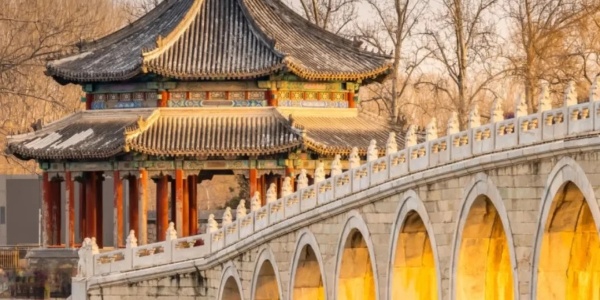
Afternoon: Lake View Roaming Line (Easy and Leisure Gameplay)
Route: Donggong Gate → Renshou Hall → Leshou Hall (to admire the "Qingzhi Xiu" rockery of Empress Dowager Cixi) → Long Corridor → Paiyun Hall → Kunming Lake Cruise
Spring Easter egg: After 17:30, take a painted boat to Nanhu Island to enjoy the "Golden Light Piercing" of the Seventeen Arch Bridge (please check the sunset time in advance); The Deheyuan Grand Theater has daily performances of Peking Opera excerpts, and in spring, we recommend "Spring Grass Breaking into the Hall" to experience the elegance of the royal stage.
Historical knowledge: The "Yangren Feng" courtyard in the Summer Palace is a fan-shaped building modeled after the gardens of Jiangnan. In spring, apricot blossoms protrude from the fan-shaped leaky windows, echoing the brick paving of the "fan bones" on the ground, reflecting the philosophical wisdom of ancient people that "the sky is round and the earth is square".
Day 3: Exploring Spring on the Great Wall and Climbing the Flower Sea - Embracing Spring on the Backbone of History
All day: Huanghuacheng Water Great Wall, Spring Landscape Scroll
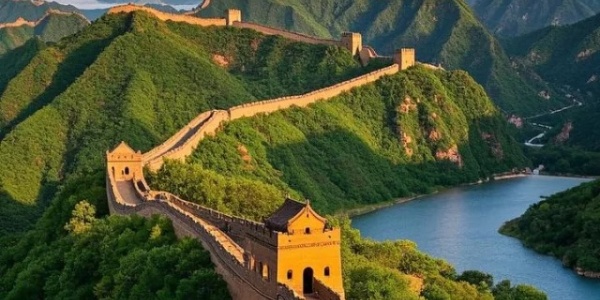
As the only "Great Wall of Water" in Beijing, the Huanghua City in spring presents a spectacle of "three sections of the Great Wall entering the water+apricot blossoms on the mountains". In April, peach blossoms, apricot blossoms, and spring welcome will bloom for the second time. We recommend the following routes:
Hardcore mountain climbing route (5 kilometers in total, with an altitude increase of 300 meters)
Route: Entrance of the scenic area → Haoming Lake → Entrance of the Great Wall → Peninsula Great Wall → Xishuiyu Pass → Ming Dynasty Chestnut Garden
Highlight: Climbing to the "Water Curtain Cave" enemy building, spring water seeps out from the cracks in the city bricks, forming a small waterfall; Crossing the 400 year old chestnut forest, the newly sprouted buds contrast sharply with the ancient tree branches. Along the way, you may encounter wild dandelions (only edible varieties can be harvested).
Easy Experience Route (Suitable for Family Travel)
Route: Take the ground cable directly to the Peninsula Great Wall → Stroll along the Haoming Lake Ring Trail → Visit the Great Wall Museum → Experience "Great Wall Brick Printing"
Seasonal restriction: Participate in the "Great Wall Flower Sea Hiking Festival" and collect 5 types of spring wildflower specimens along the designated route (collection bags and guidebooks provided by the scenic area); Have a picnic by the lake, paired with local specialties such as chestnut wood eggs and almond tea, and experience the flavors of the mountains and wilderness.
Historical experience: Visit the Ming Dynasty water gate site of Xishuiyu Pass, listen to the lecturer explain the military wisdom of the Great Wall's water blocking, observe the inscription "Wanli Seven Years" on the city bricks, and touch the "real name system" mark of ancient craftsmen.
{tour-id-1812769613387616257}
Related Posts


Create Your Customized Trip
Take about 2 minutes to fill the form to tell us how you like to travel, and get a reply within 1 working day.