Beijing in spring is a symphony of historical architecture and natural vitality. This 3-day in-depth tour guide connects the four core scenic areas of the Forbidden City, White Pagoda Park, Summer Palace, and Great Wall, taking you to touch the historical temperature in the red wall flower sea and feel the vitality of spring in the green mountains and waters. It comes with seasonal limited gameplay and practical hiking routes, unlocking N ways to open the capital's spring.
If you have any questions or would like to customize your trip, please contact us!
{tour-id-1811691232969580545,1812769613387616257}
Day 1: From the Forbidden City to the White Pagoda Park
Morning: The Forbidden City
Geographical location and transportation: The Forbidden City is located in the center of Beijing, which can be reached by walking from Tiananmen Square or taking Metro Line 1 to Tiananmen East Station.
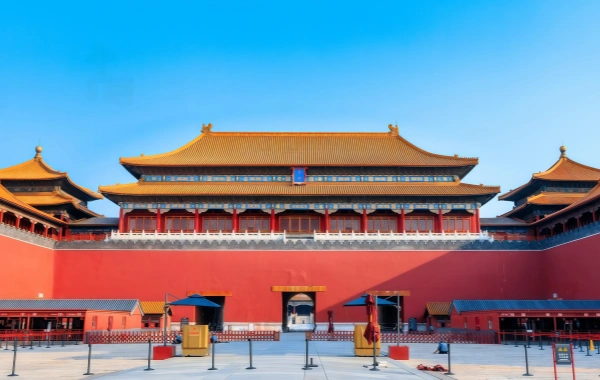
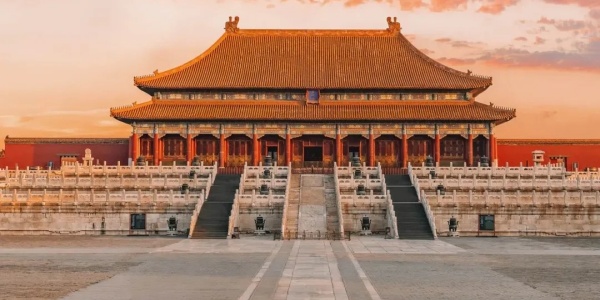
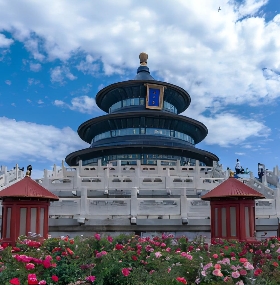
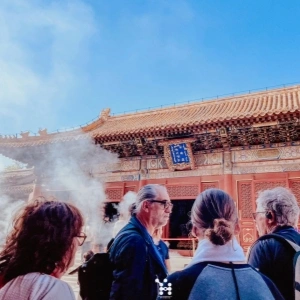
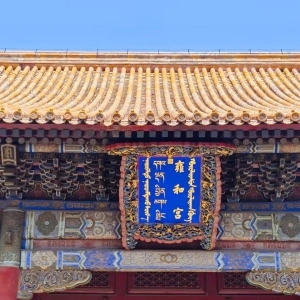
Highlights: The Forbidden City is the royal palace of the Ming and Qing dynasties, with red walls, yellow tiles and carved beams and painted rafters. Every detail tells the story of history. The Hall of Supreme Harmony is the core building of the Forbidden City. It was once the place where the emperor held grand ceremonies, and today one can still feel the majesty and solemnity of that time.
Travel suggestion: It is recommended to enter through the Meridian Gate and visit the main buildings such as the Hall of Supreme Harmony, Qianqing Palace, and Kunning Palace along the central axis. Finally, leave through the Shenwu Gate. If time permits, one can delve into the Six Palaces of the East and West, experiencing the luxury and delicacy of royal life.
Attention: The Forbidden City has a large area, so it is recommended to wear comfortable shoes and plan your route in advance. There are more tourists in summer, so try to avoid the peak period at noon.
Afternoon: Baita Park
Geographical location and transportation: Baita Park is located in Xicheng District, about a 30 minute walk from the Forbidden City, or you can take Metro Line 4 to Ping'anli Station.
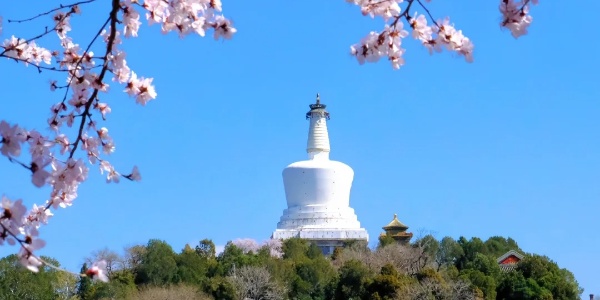
Highlights: White Pagoda Park is centered around the White Pagoda, with lush green trees and clear lake water. It is a great place for Beijing residents to relax and take a walk. The White Pagoda Park in spring, with cherry blossoms in full bloom, is breathtakingly beautiful.
Travel suggestions: You can take a walk by the lake, enjoy the shadow of the lake tower, or climb up the white tower to overlook the beautiful scenery of the entire park. There are many benches in the park that are suitable for resting and taking photos.
Attention: Loud noises are prohibited in the park. It is recommended to bring some water and snacks.
Day 2: From the Summer Palace to the Great Wall
Morning: Summer Palace
Geographical location and transportation: The Summer Palace is located in Haidian District, Beijing. You can take Metro Line 4 to Beigongmen Station or Xiyuan Station, and walk there.
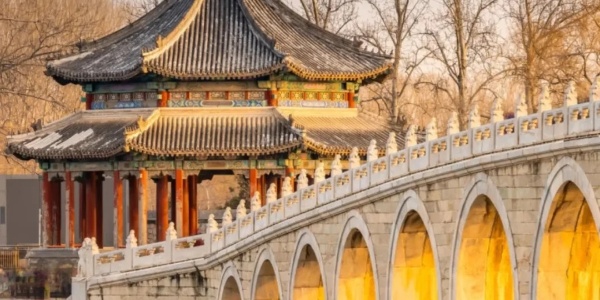
Highlight: The Summer Palace is renowned for its grand scale and exquisite architecture. The rippling waves of Kunming Lake, the majestic Wanshou Mountain, the towering Buddha Fragrance Pavilion, and the exquisite paintings on the long corridor all tell an ancient story.
Travel suggestion: It is recommended to enter through the North Palace Gate, take a stroll along the long corridor, and enjoy the colorful paintings and the scenery of the lake and mountains. You can rent a small boat and paddle towards the center of the lake to experience the tranquility and magnificence of Kunming Lake. Ascend Mount Wanshou, overlook the entire Summer Palace, and appreciate the magnificent scenery of the Buddha Fragrance Pavilion.
Attention: The Summer Palace has a large area, so it is recommended to wear comfortable shoes and plan your route in advance. There are more tourists in summer, so try to avoid the peak period at noon.
Afternoon: Great Wall
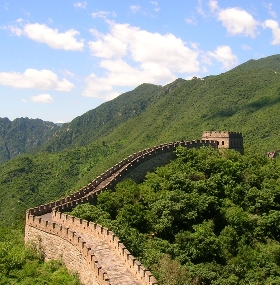
Geographical location and transportation: Badaling Great Wall is the most famous section of the Great Wall in Beijing, located about 70 kilometers from the city center. You can take the 877 bus or S2 train to get there, or you can choose to join a one-day tour group.
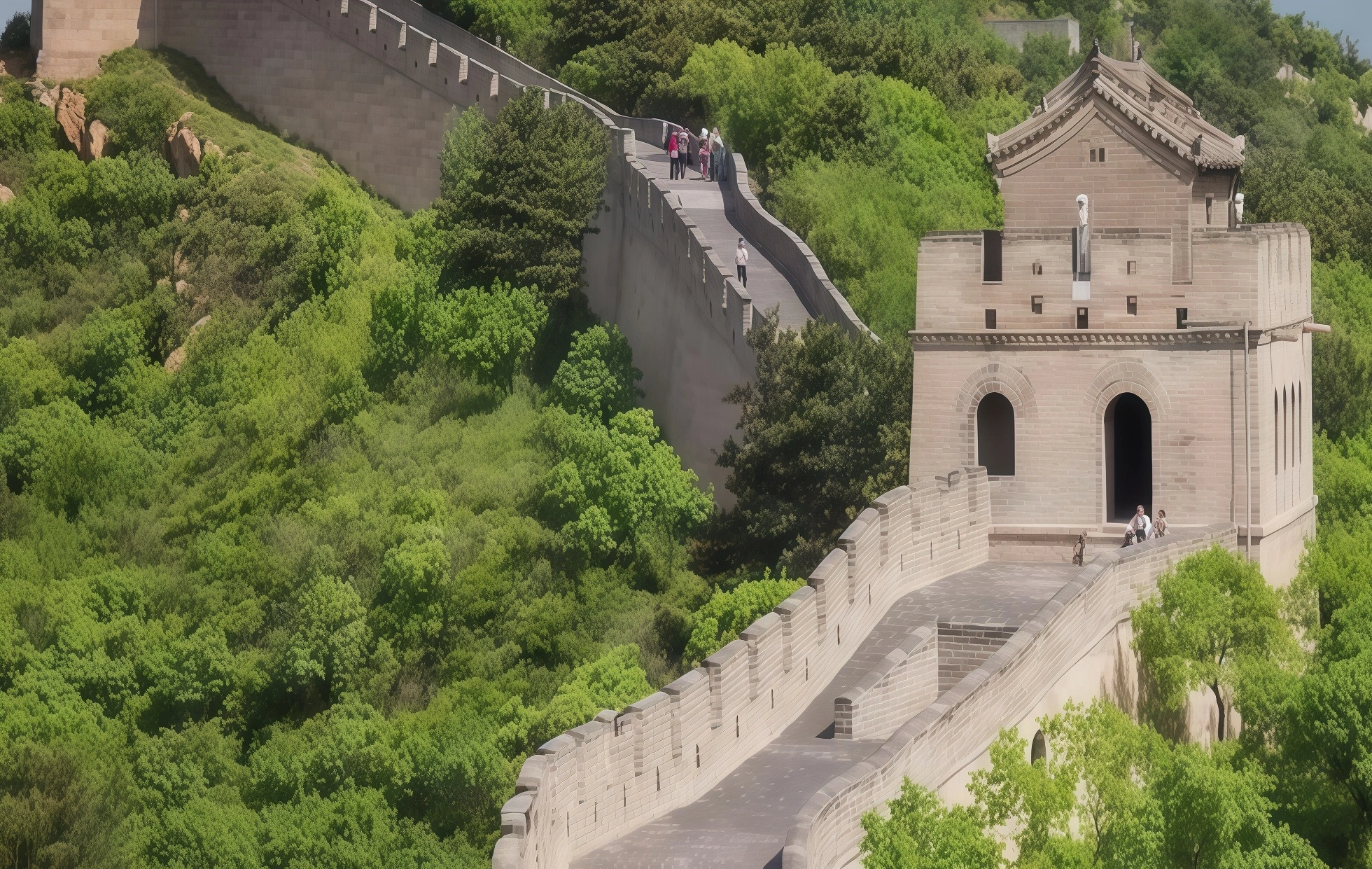
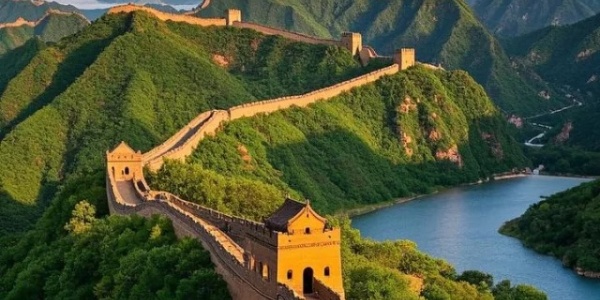
Highlight: The Badaling Great Wall is renowned for its grandeur and magnificence, and is the most well preserved section of the Ming Great Wall. Climbing the Great Wall not only allows one to appreciate the magnificent natural scenery, but also to feel the wisdom and courage of ancient laboring people.
Travel advice: It is recommended to go in the early morning or evening to avoid the high temperatures and peak crowds at noon. Pay attention to safety when climbing, wear comfortable shoes, bring enough water and sunscreen. If physical strength is limited, you can choose to take the cable car up and down the Great Wall.
Attention: The steps of the Great Wall are steep, it is recommended to wear non slip shoes and bring a hiking stick for more convenience. Summer sunshine is strong, it is recommended to take sun protection measures.
{tour-id-1812770045262516225}
Day 3: Ming Thirteen Tombs to Hutong
Morning: Ming Thirteen Tombs
Geographical location and transportation: The Ming Thirteen Tombs are located in Changping District, Beijing. They are a group of tombs for Ming emperors and one of the largest and most well preserved tomb groups in China. You can take the subway Changping Line to Changping Station, then transfer to a bus to get there, or choose to participate in a one-day tour group.
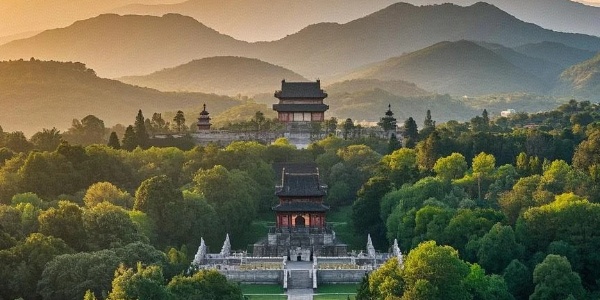
Characteristic highlights: The Ming Thirteen Tombs are renowned for their grand scale and profound historical heritage. Dingling is the tomb of Emperor Wanli of the Ming Dynasty. The underground palace displays a large number of precious cultural relics, showcasing the luxurious lifestyle of ancient emperors. Changling is the tomb of Emperor Chengzu Zhu Di of the Ming Dynasty, and the Xie'en Hall is its iconic building, with a grand scale and majestic presence.
Travel suggestion: It is recommended to start from Dingling and visit the cultural relics and buildings inside the underground palace. Then go to Changling and enjoy the magnificent scenery of the Hall of Benevolence. If you have enough time, you can visit the Zhaoling Mausoleum and learn about the living scenes of other emperors in the Ming Dynasty.
Attention: The Thirteen Tombs have a large area, it is recommended to wear comfortable shoes and plan the route in advance. There are more tourists in summer, so try to avoid the peak period at noon.
Afternoon: Hutong
Geographical location and transportation: Hutongs are scattered throughout Beijing, among which the alleys around Nanluogu Lane and Shichahai are the most representative places. You can take Metro Line 8 to Shichahai Station and walk there.
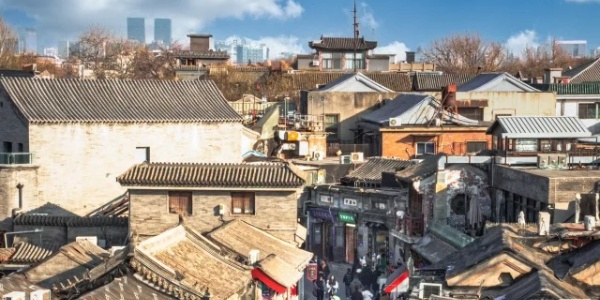
Highlight: Hutongs are a symbol of old Beijing, carrying the history and culture of the city. Strolling through the narrow alleys, one can see ancient quadrangle courtyards, traditional handicraft shops, and specialty snack stalls. Nanluoguxiang is one of the most famous hutongs in Beijing, full of artistic atmosphere and suitable for taking photos and checking in.
Travel suggestion: You can rent a tricycle and shuttle through the alleys to experience the charm of old Beijing. You can also choose to walk and slowly savor the life atmosphere in the hutongs. If you are interested in history, you can visit some quadrangle courtyard museums to learn about the lifestyle of old Beijing.
Attention: There are many tourists in the alley, so it is recommended to choose early morning or evening sightseeing to avoid peak crowds.
{tour-id-1812772212824297473}
Related Posts


Create Your Customized Trip
Take about 2 minutes to fill the form to tell us how you like to travel, and get a reply within 1 working day.