Beijingers say that the charm of this city lies in the brick crevices of the red walls, the smoke from the hutongs, and even more so in the seasonal rituals of life. As tourists chase the grand narrative of the central axis, locals are collecting morning and evening light and shadow along the roots of the palace walls, unlocking the "code on the tip of their tongue" deep in the alley, and understanding the ancient aesthetic of time and space in the secret garden. Do you want to know about Beijing? Follow this guide to decode the living genes of this city.
If you have any questions or would like to customize your trip, please contact us!
{tour-id-1811691232969580545,1812769613387616257}

1.The Red Wall of the Forbidden City: The Cinnabar Seal of Memories of the Old Town
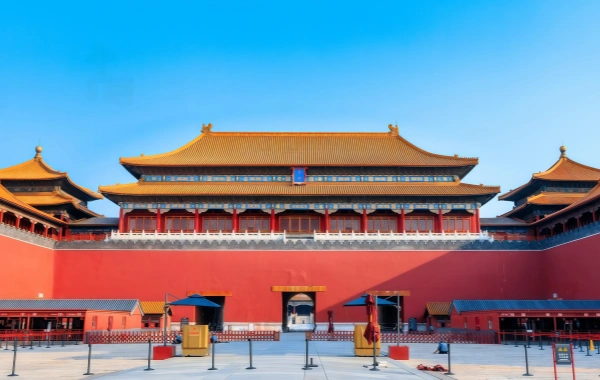
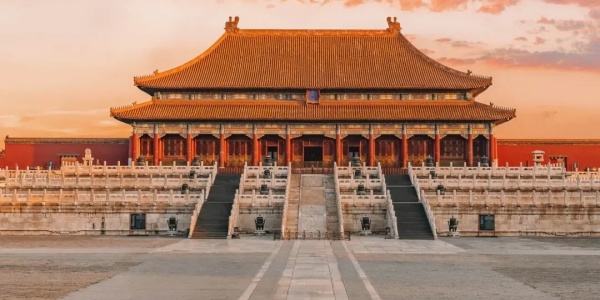
In the hearts of Beijing people, the red wall of the Forbidden City is not only a symbol of royalty, but also a poetic carrier of the four seasons. Avoiding the crowds along the central axis, locals prefer to stroll along the palace walls from Donghua Gate: in spring, they take pictures of the crabapples reflecting on the red wall in Wenhua Hall, and in autumn, they admire the ginkgo trees falling on the red tiles in Wuying Hall. On the west side of the Cining Palace Garden, there is the Broken Rainbow Bridge, where 58 stone lions with different expressions and red walls form a hidden checkpoint. Among them, the "Protecting Leg Lion" is a popular cultural relic in the Forbidden City.
Local guide:
The "Forbidden City Night Tour" limited edition event is open every Friday night (tickets must be obtained one month in advance), with the red walls glowing amber under the moonlight.
At the corner tower library outside Shenwu Gate, you can participate in the "Red Wall Printing" experience and use rice paper to carve the brick patterns of the Forbidden City as a souvenir.
2.Nanluoguxiang Cuisine: Carbon Water Jianghu in the Hutong
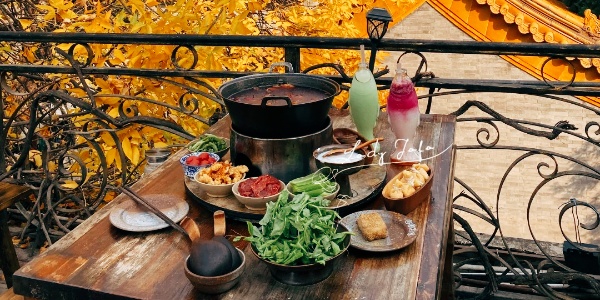
The essence of Nanluoguxiang cuisine is hidden in the hutongs on both sides of the main street:
The "Fangzhuangchang No. 69 Zhajiangmian" in No. 5 Black Sesame Hutong is handmade and straight with six color dishes. The old Beijing way of eating is to eat raw garlic.
No. 11 Shajing Hutong "Tea Soup Li", almond tea paired with door nail meat patties, and the technique of brewing tea soup in copper pots has been passed down for four generations.
No. 30 Yuer Hutong, "Yuangu Branch", turns the 24 solar terms into desserts, and at the beginning of autumn, Danfeng uses hawthorn mousse to replicate the red leaves covering the mountains.
Avoiding pitfalls guide:
To avoid the peak flow of people on weekend afternoons, it is recommended to visit before 10am on weekdays.
The real food is not in internet famous restaurants. The "Stuffed Old Man" dumpling restaurant at 41 Ju'er Hutong hides the favorite fennel and egg filling of the older generation.
{tour-id-1812770045262516225}
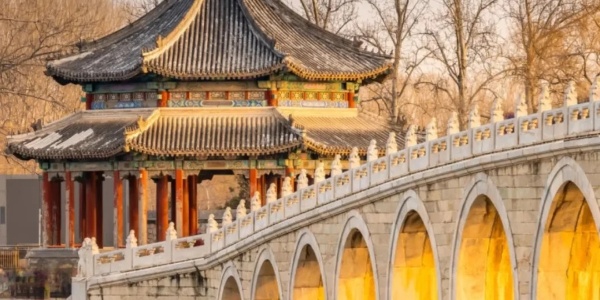
3.Summer Palace Scenery: Royal Screens with Different Seasons
Beijingers consider the scenery of the Summer Palace as a natural seasonal chart:
Before and after Qingming Festival, the magnolias in Yulan Hall were in full bloom, and their petals fell to Kunming Lake like snow covering a boat.
On the summer solstice, we recommend the "Xidi Night Tour" where fireflies twinkle among the lotus flowers and the reflection of the Buddha Fragrance Pavilion shatters into stars all over the lake.
During autumn outings in old Beijing, one must climb Mount Wanshou. From the Jingfu Pavilion, Kunming Lake and the layered forests of the Western Hills are painted like giant oil paintings.
Secret Route:
Entering from the North Palace Gate, passing through the secret area of Houxi River, passing through Danning Hall and circling to Laoqiao, this 2-kilometer route has few tourists.
The "Yinjing" Pavilion in Xiqu Garden allows you to sit next to a beautiful woman on rainy days and listen to the three-dimensional surround sound of rain hitting lotus leaves.
4.Great Wall Climbing Experience: A Time Space Dialogue on the Backbone of Mountains
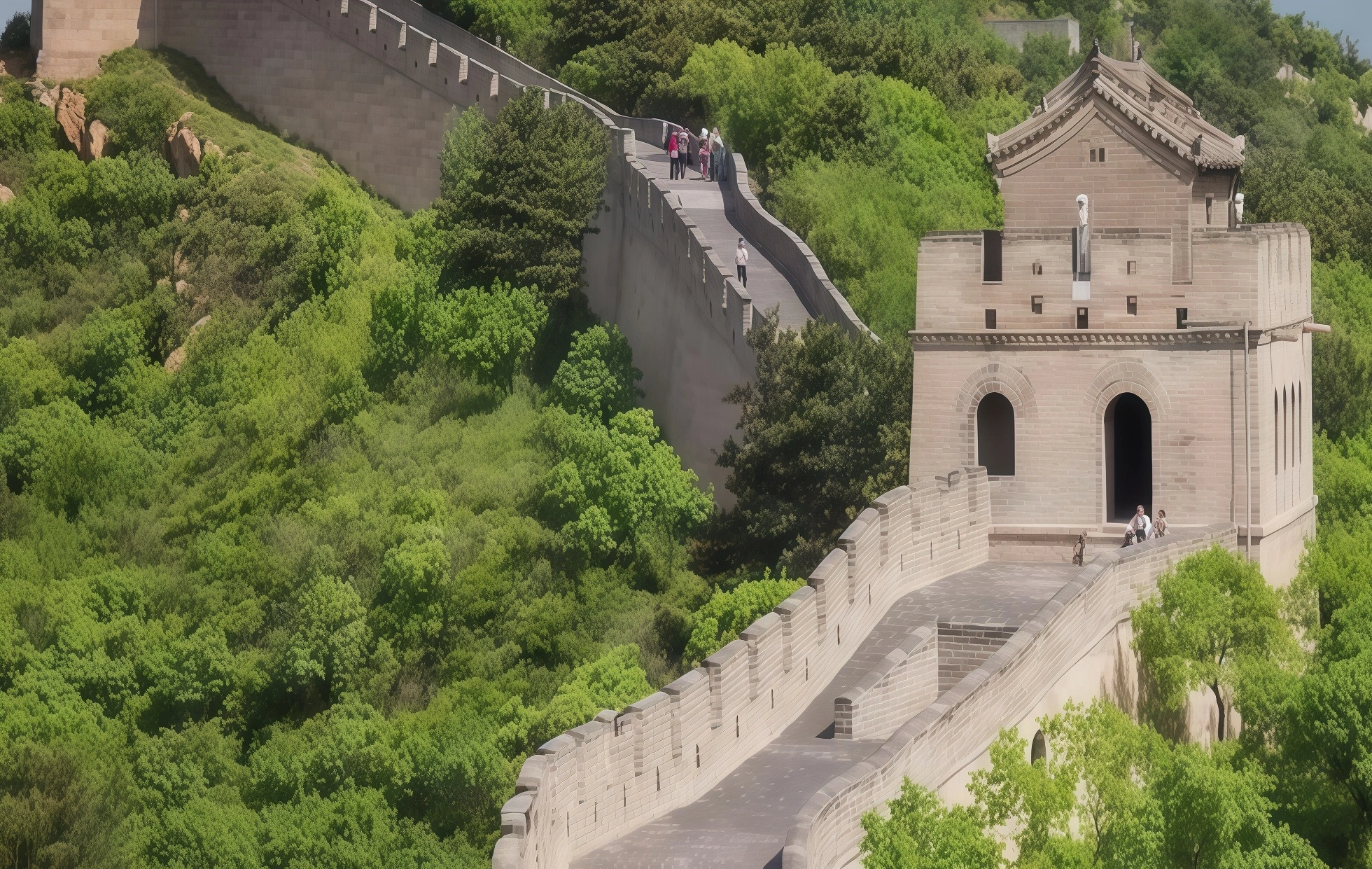
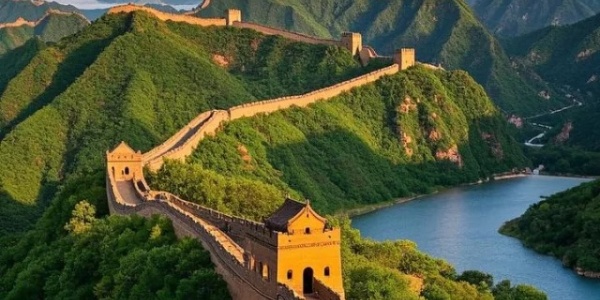
The real experience of climbing the Great Wall in the eyes of Beijing people is at the Huanghuacheng Water Great Wall:
The wonder of three sections of the Great Wall entering the water is unique in the world, and in April, you can climb and enjoy the apricot blossoms on the mountains.
Recommend the hiking route from the entrance of the Great Wall to the Haoming Lake Loop. Along the way, you will encounter the Ming Dynasty chestnut orchard, where 400 year old trees are still bearing fruit.
Hardcore gameplay:
Participate in the "Great Wall Guardian" project, clean the drainage system and repair the stacked walls under professional guidance.
In winter, carrying ice claws to climb, the snow covered enemy buildings resemble scattered Go, and the spectacular ice waterfall can be seen in the Black Dragon Pool section.
5.Ming Thirteen Tombs: The Silent Epic of the Underground Dynasty
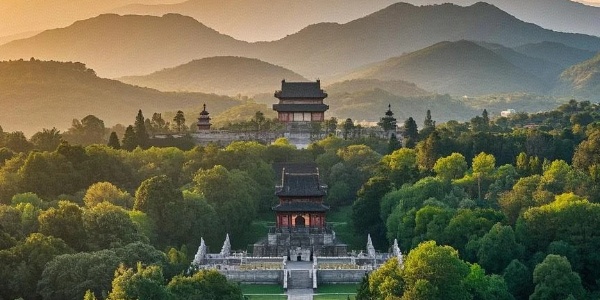
The Ming Thirteen Tombs Secret Realm that locals often visit:
At the entrance of the Dingling underground palace, there is a "gold brick ground" with the names of craftsmen engraved on each brick, and the sound of chiseling during the Wanli period can be heard on the cold tentacles.
The 600 year old ancient pine tree next to the Zhaoshen Gong Shengde Stele has a natural "dragon scale" pattern formed by tree nodules.
{tour-id-1812772212824297473}
Deep Tour:
Book the "Shinto Night Exploration" activity, and the stone statue under the moonlight will reveal texture details that cannot be seen during the day.
The "Spring Cake Banquet" in Kangling Village is not to be missed, with 40 side dishes rolled into thin rice paper crust, inheriting the imperial cuisine recipe of Ming Wuzong's palace.
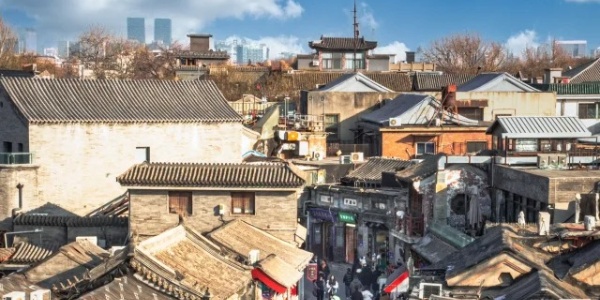
Hutong: Urban rings growing from brick crevices
The model bookstore on Yangmei Zhuxie Street used movable type printing to produce exclusive bookplates at the former site of the Republic of China newspaper.
The "Pigeon Whistle Sound Map" project in Sanbulao Hutong collects pigeon stories from different courtyards based on sound.
The "Hutong Sound Museum" of the Shijia Hutong Museum can hear camel bells and Bingtanghulu hawking in the 1940s with headphones.
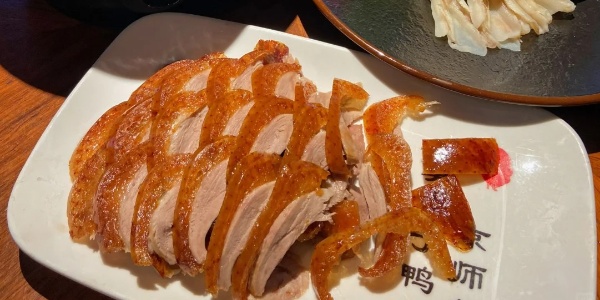
Roast duck: the Beijing Medal of Honor refined from oil and fat
Local Private Inventory:
The "Liqun Roast Duck" from Dashilan is roasted with jujube wood over an open flame in a courtyard, and dipping the duck skin in rose salt is a traditional way of eating.
The "Four Seasons of Prosperity for the People" in Beixinqiao is a unique way of eating "duck soup soaked rice", which uses a duck rack to boil soup with Wuchang rice.
True experts will go to "Sheng Yongxing", where caviar roasted duck is paired with champagne, subverting traditional molecular cuisine gameplay.
Beijing Opera: The Heartbeat of the City in Drumbeats
The "Beijing Opera Makeup Experience" held every Wednesday at Huguang Guild Hall allows you to sketch the complete face of a tyrant and wear a flag to take photos.
The immersive performance of "Mei Lanfang Hua" at Zhengyi Temple Theater uses holographic projection to dance Mei style water sleeves with digital light and shadow.
The family ticket club "Ji Xian Cheng Yun" located deep in the alley is open to the public every Sunday afternoon, singing "Lock Lin Nang" together with retired celebrities.
Local residents' private housing routes:
Day1: Red Wall Photography of the Forbidden City → Overlooking the Central Axis of Jingshan Mountain → Night Food at Nanluoguxiang
Day2: Hiking on the West Embankment of the Summer Palace → Reflections on the Ruins of the Summer Palace
Day3: Huanghuacheng Water Great Wall Adventure → Kangling Spring Cake Banquet
Day4: Exploring the Ming Thirteen Tombs → Experience of Cloud Platform Inscription at Juyong Pass
Day5: Yangmei Zhuxie Street Handmade → Huguang Guild Hall Beijing Opera Ending
Traffic Tips:
Taking bus route 872 from Deshengmen can directly reach the Ming Thirteen Tombs, and it only costs 6 yuan to swipe a bus card.
Rent a shared bike at Exit C of Shichahai Metro Station, and enjoy more freedom when riding in the alleyway (avoiding the traffic restrictions from 17:00-19:00).
In the eyes of Beijing residents, this city is not only a container carrying a thousand years of history, but also a vibrant world of fireworks every day. From the mottled red walls of the Forbidden City to the scorching cuisine of Nanluoguxiang, every detail tells the story: the true Beijing is forever hidden in the folds that need to be listened to.
Related Posts

Create Your Customized Trip
Take about 2 minutes to fill the form to tell us how you like to travel, and get a reply within 1 working day.