
Four Great Embroideries
The Four Great Embroideries of China: Where Needles Tell Tales & Threads Dance Like Dragons!
Forget boring history lessons—this is silk, sparkle, and storytelling at its finest!
1. Su Embroidery (Suzhou): The "Silk Poet" of Jiangnan
- What's the Buzz?: Born in Suzhou 1,500+ years ago, Su embroidery is a UNESCO intangible heritage. Imagine needlework so precise, it can stitch a cat's whiskers or a fish's scales! Legend says it started when a clever girl used hair to repair a broken silk robe—talk about recycling!
- Where & When?: Based in Jiangsu, it peaked during the Ming and Qing dynasties. Emperor Qianlong was such a fan, he ordered Su embroidery for his imperial robes.
- Secret Sauce: Double-sided embroidery—stitch a flower on one side, and a butterfly on the other! Shuishu (water-painted effect) makes it look like a watercolor masterpiece.
- Ancient Hits: The Maidens Playing Cuju (ancient soccer) and Dragon & Phoenix robes were wedding gifts for emperors.
- Must-See & Do: Suzhou's Embroidery Museum has antique looms. Try stitching your name in gold thread—instant royal heirloom!
2. Shu Embroidery (Chengdu): The "Spicy Silk" of Sichuan
- Origin & Drama: Over 2,000 years old, Shu embroidery from Chengdu is like Sichuan food—bold, vibrant, and full of life! It was a tribute to emperors in the Han Dynasty.
- Style Vibes: Think pandas, lotus flowers, and mythical phoenixes stitched in satin stitch and cross-stitch. The Two-Faced Phoenix is a showstopper—same design, different colors on each side!
- Fun Fact: During the Tang Dynasty, Shu embroidery was so popular, merchants traded it for tea and Porcelain along the Silk Road.
- Explore & Play: Chengdu's Shu Embroidery Museum has workshops. Learn to stitch a mini panda—no bamboo required!
3. Xiang Embroidery (Changsha): The "Wild Beast Whisperer" of Hunan
- History & Heart: From Hunan, Xiang embroidery has roared for 1,000+ years. It's famous for tigers, lions, and peacocks that look like they might jump off the fabric!
- Needle Magic: Uses hair-thread (yes, real hair!) for fur textures. The Leaping Tiger looks so real, you'll want to pet it!
- Cultural Clout: In the 1950s, Xiang embroidery's Lion won a gold medal at the Leipzig Fair—putting China on the global craft map!
- Sites & Fun: Changsha's Xiang Embroidery Museum has giant tiger tapestries. Try your hand at stitching a mini beast—no roaring required!
4. Yue Embroidery (Guangdong): The "Dragon Dancer" of the South
- Glitz & Glam: Yue embroidery from Guangdong is all about bling! With gold/silver threads and bold colors, it's like silk on steroids!
- Style Files: Guang School (flowery) and Chao School (bold animals) dominate. The Hundred Birds Worship the Phoenix is a dazzling spectacle of peacocks, parrots, and mythical birds.
- Historical Glow: During the Ming Dynasty, Yue embroidery was a must-have for nobles. Even British royalty got hooked—Queen Victoria had a Yue-embroidered robe!
- Discover & Create: Guangzhou's Yue Embroidery Museum has gold-thread workshops. Stitch a dragon—no fire-breathing needed!
Why Foreigners Dig This!
- Story-Driven: Each embroidery has a tale—Su's poetic cats, Shu's spicy phoenixes, Xiang's wild tigers, and Yue's bling dragons.
- Hands-On Magic: Workshops let you stitch like a pro—no prior skills needed!
- Visual Feast: Bright colors, metallic threads, and lifelike animals make each piece a wearable art gallery.
Traveler Tips:
- Best Spots: Suzhou (Su), Chengdu (Shu), Changsha (Xiang), Guangzhou (Yue) museums.
- Seasonal Vibes: Spring/autumn for cool weather and festival events.
- Souvenir Ideas: Small embroidered pieces (e.g., bookmarks, keychains) are portable and meaningful.
Dive into this needle-and-thread adventure—where every stitch weaves history, culture, and a touch of magic!
What Our Clients Say?
Based on 10,000+ traveler reviews

Daniel Dorothea
Canada
Reviewed on April 29,2025
Shopping on Nanjing Road in Shanghai was just amazing! It's truly the "First Commercial Street of China", where tradition and modernity blend perfectly. You can find awesome souvenirs and experience the trendy vibes in cool stores. The neon lights at night are just spectacular, shining bright like Times Square in New York. The food here is incredible too. I had a feast for my taste buds. Shanghai, I'll definitely be back!
Destination(s):
Shanghai
Date of
Experience:
May 08,2024


Elvis Eva
Canada
Reviewed on June 20,2025
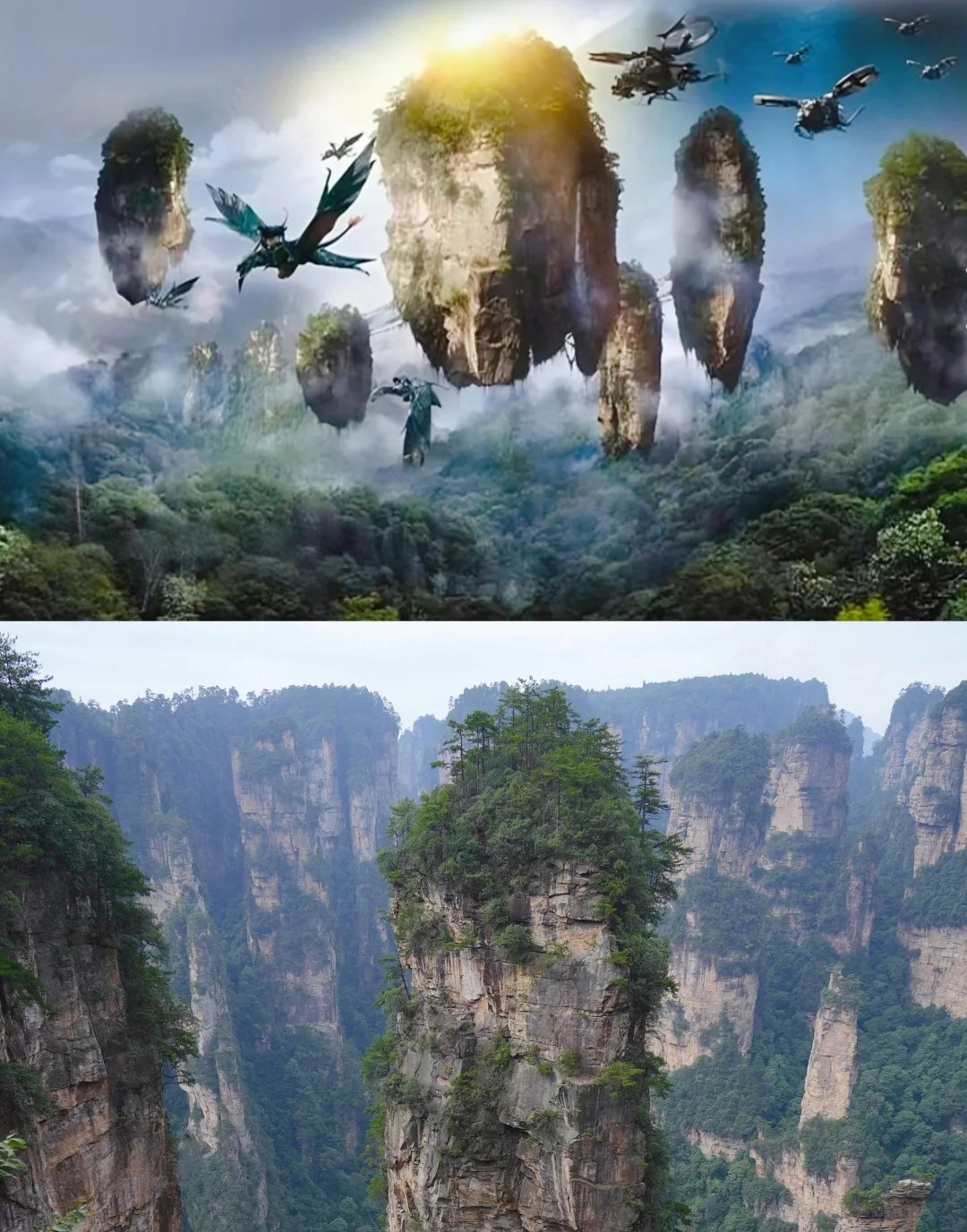
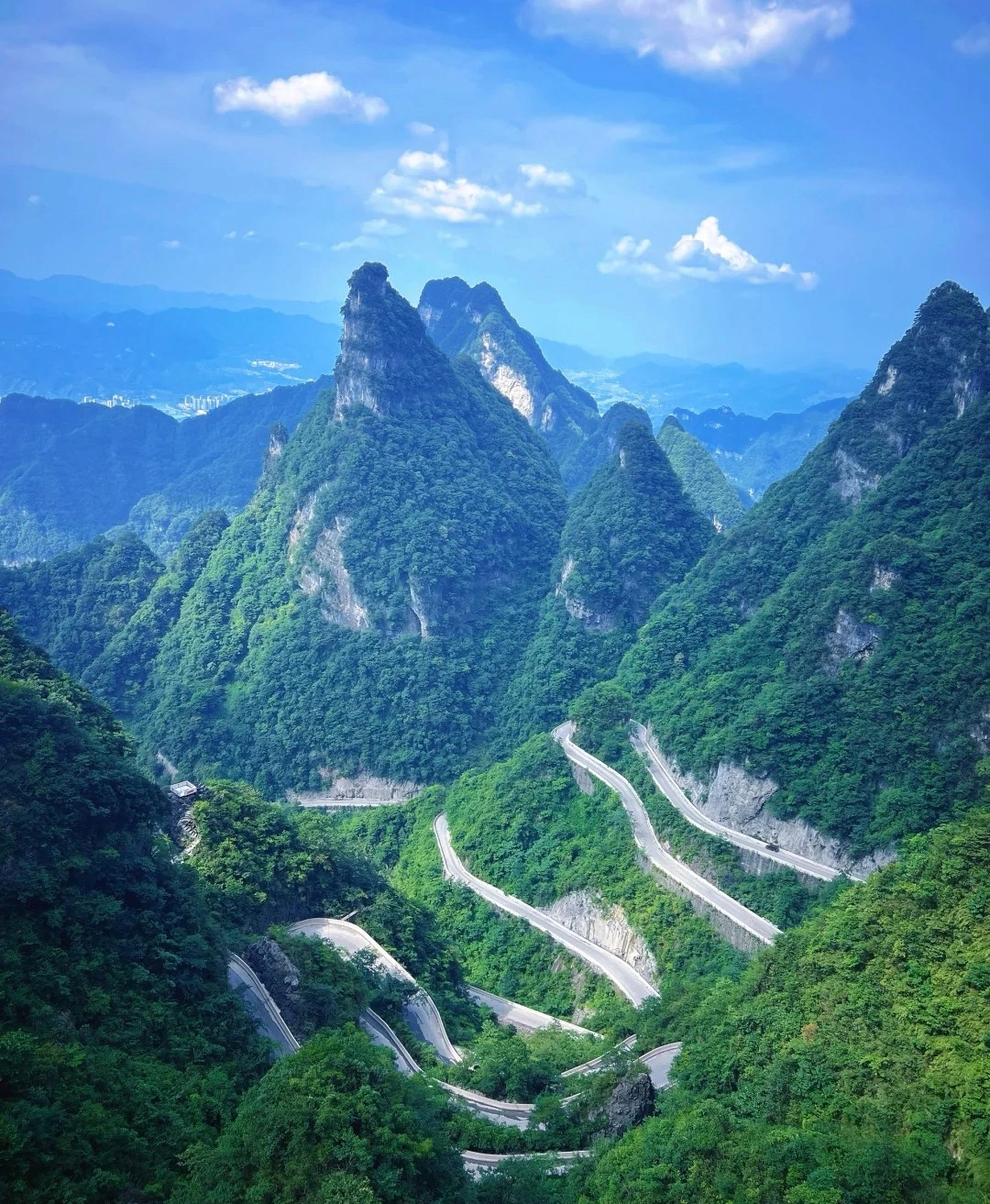
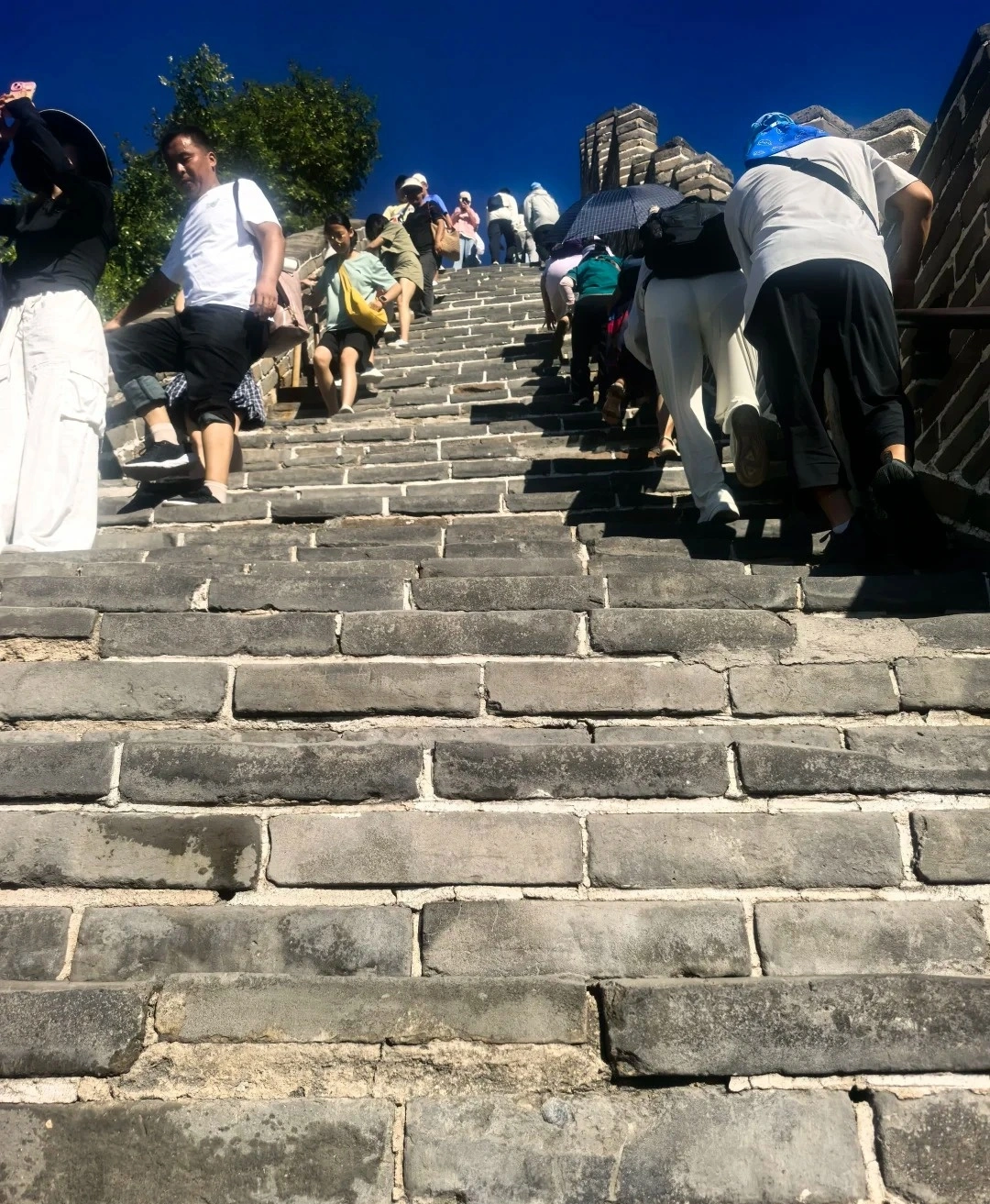
As a solo traveler from Canada, I was nervous about navigating China alone—but this 11-day tour was PERFECT! From hiking the Great Wall at sunrise (Day 3) to gasping at the Terracotta Army (Day 5), every day delivered ‘pinch-me’ moments. The real showstopper? Zhangjiajie’s Avatar Mountains (Day 7)! Our guide made the stone pillars come alive with stories.
Massive thanks for handling all logistics—bullet train tickets, entry passes, car! And the 4-star hotels surprised me.
Destination(s):
Beijing Xian Zhangjiajie Shanghai
Date of
Experience:
June 02,2025

Simon
America
Reviewed on May 29,2025
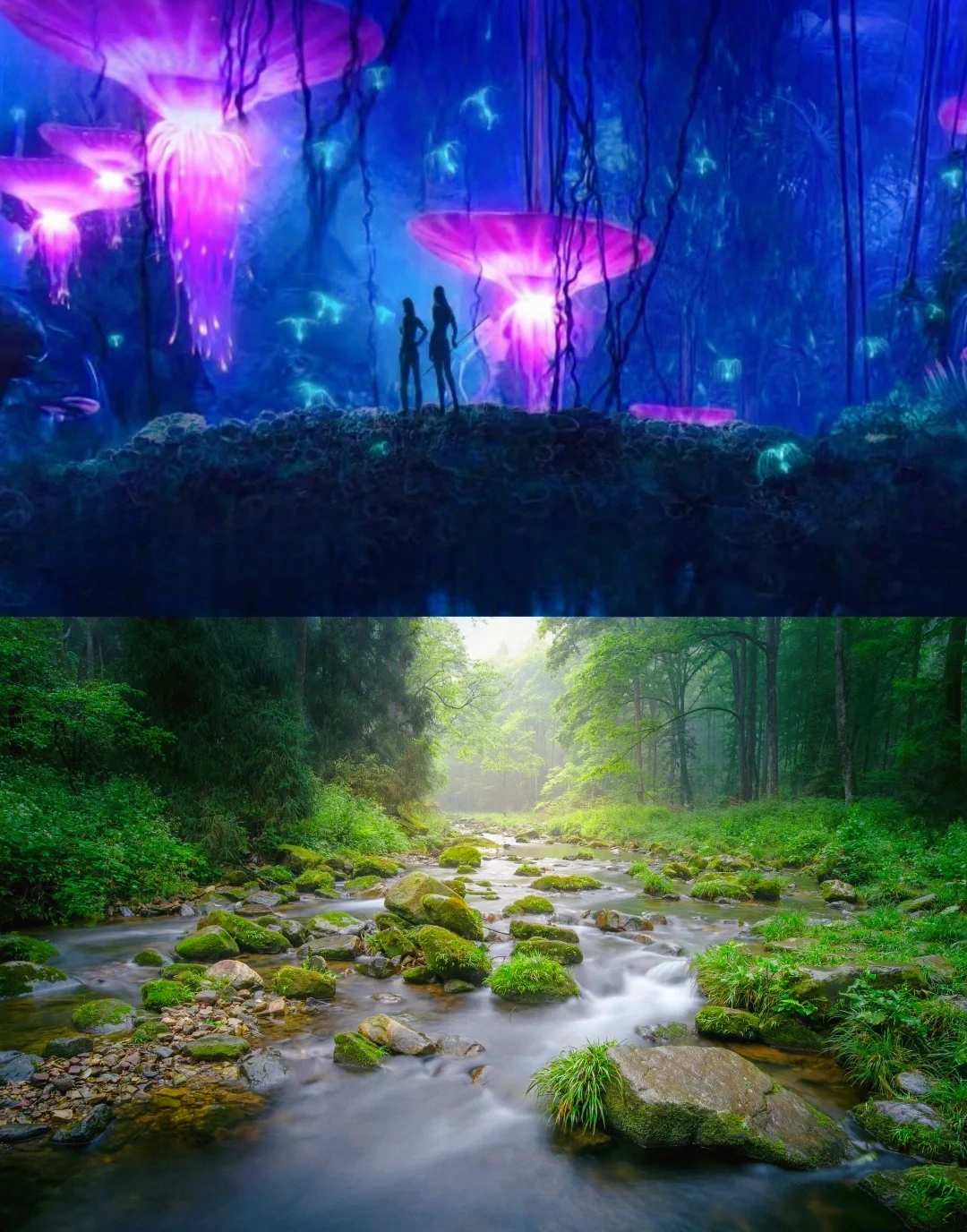
Our 2-day Zhangjiajie tour was beyond spectacular! As someone who’s visited Beijing and Shanghai for work, this trip revealed China’s wild, magical heart. Day 1 in Zhangjiajie National Forest Park felt like stepping onto Pandora—I’m a huge Avatar fan, and Yuanjiajie’s floating peaks left me breathless. The misty pillars and lush valleys like pure movie magic!
Then came Fenghuang Ancient Town, we eat dinner beside the thundering waterfall. It seems Unreal! The night views of stilt houses glowing over the river were straight from a fairy tale.
For fellow Avatar lovers and adventure seekers: Don’t miss this bucket-list experience! 10/10 would return.
A Well-Traveled Film Buff, May 2025
Destination(s):
Zhangjiajie
Date of
Experience:
May 08,2025