
Emei KungFu
Emei: The Melting Pot of Martial Arts Styles
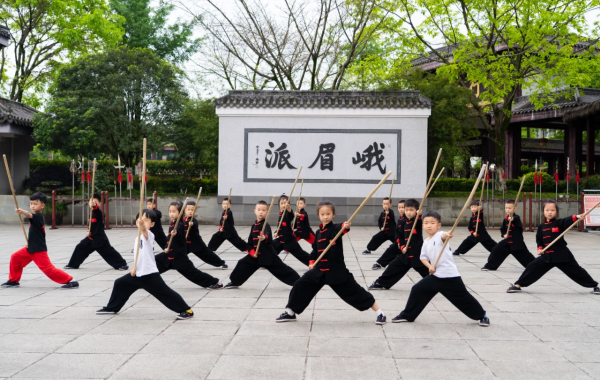 This Chinese saying underscores Emei's unique position as a place where different martial arts traditions converged. Unlike the highly specialized schools of Shaolin or Wudang, Emei martial arts are characterized by their eclecticism, drawing from both Buddhist and Taoist philosophies as well as various regional fighting techniques. This blend results in a versatile system that emphasizes adaptability, practicality, and the harmonious integration of mind and body. Emei's approach of "using both hard and soft techniques flexibly" (刚柔并济灵活用 / Gāng Róu Bìng Jì Líng Huó Yòng) has made it a source of inspiration for martial artists seeking a well-rounded and dynamic practice.
Name:
Emei Martial Arts (峨眉功夫 / Éméi Gōngfū)
Origin:
Emei Mountain, Sichuan Province, China (around the 3rd - 4th century CE)
Founder:
Legend attributes its creation to a Buddhist nun named Pujian (普鉴 / Pǔjiàn) and a Taoist immortal named Baigong (白公 / Báigōng), representing a fusion of Buddhist and Taoist influences.
Style:
Hybrid (融合派 / Rónghé Pài) - Combining the hardness of external styles with the softness of internal styles
Core Philosophy:
"Harmony of Buddhist Compassion and Taoist Naturalness" - Balancing physical strength with spiritual tranquility, and promoting self-cultivation and universal harmony
Famous For:
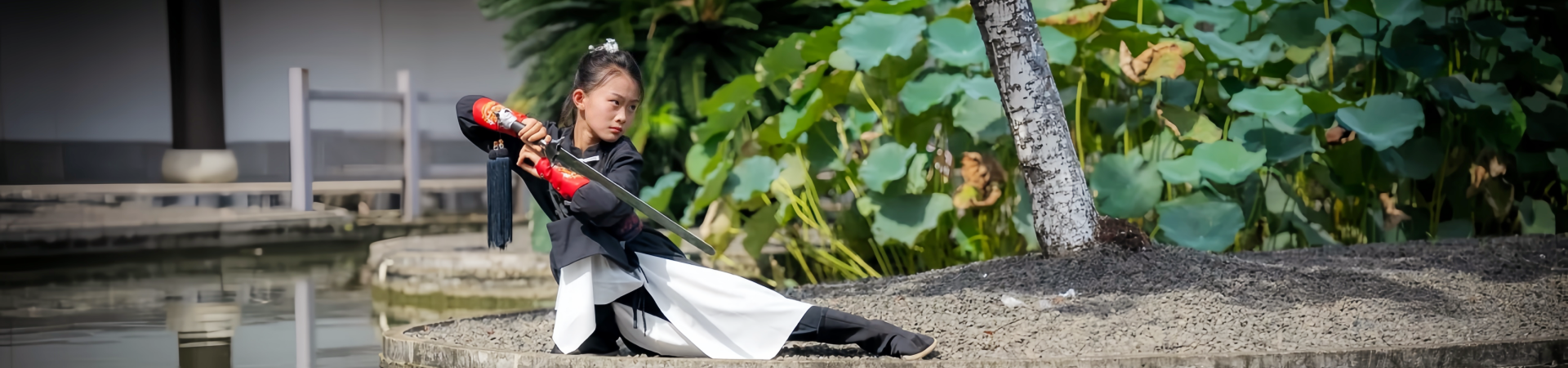
Emei Staff (峨眉棍 / Éméi Gùn), Emei Sword (峨眉剑 / Éméi Jiàn), Snake Fist (蛇形拳 / Shéxíng Quán), Tiger Fist (虎形拳 / Hǔxíng Quán)
Global Influence:
Has contributed to the development of modern martial arts and self-defense systems, and inspired cultural exchanges in the fields of health and spirituality
 The Origin of Emei Martial Arts
The roots of Emei Kung Fu can be traced back to the early centuries CE when Emei Mountain became a significant center for both Buddhist and Taoist spiritual practices. According to legend, Pujian, a Buddhist nun, and Baigong, a Taoist immortal, collaborated to create a martial art that incorporated the strength and discipline of Buddhist training with the fluidity and inner cultivation of Taoist practices. Over time, Emei martial arts absorbed elements from:
· Buddhist martial traditions, emphasizing mental focus, self-control, and the cultivation of compassion.
· Taoist cosmology, including the concepts of Yin-Yang balance and the Five Elements, which influenced movement patterns and energy flow.
· Local folk fighting techniques, adding practicality and adaptability to the system.
By the Tang Dynasty (618–907 CE), Emei had established itself as a renowned martial arts school, attracting students from far and wide.
Emei-Related Mountains, Sites & Architecture
Primary Location: Emei Mountain (峨眉山 / Éméi Shān)
· Emei Golden Summit Temple (峨眉山金顶寺 / Éméi Shān Jīndǐng Sì): The highest temple on Emei Mountain, offering breathtaking views and a serene atmosphere for meditation and martial arts training.
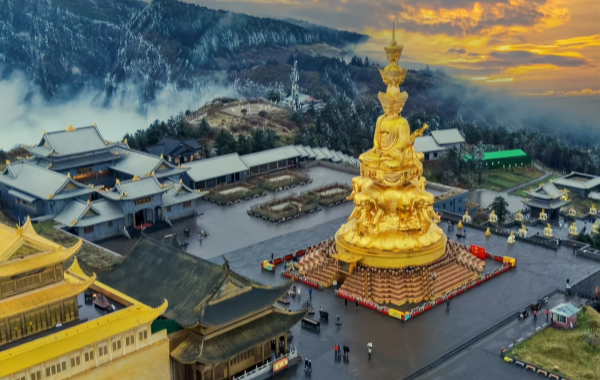
· Wannian Temple (万年寺 / Wànnián Sì): One of the oldest and most important temples on Emei, known for its rich collection of Buddhist relics and as a center for martial arts instruction.
· Qingyin Pavilion (清音阁 / Qīngyīn Gé): Located in a picturesque valley, this pavilion is surrounded by lush greenery and flowing streams, providing an ideal setting for quiet contemplation and the practice of soft martial arts forms.
Other Sacred Sites
· Elephant Bathing Pool (象池 / Xiàng Chí): A natural pool where, according to legend, elephants once came to bathe. It is now a popular spot for martial artists to train near the water, drawing inspiration from its fluidity.
· Nine Elder Peaks (九老洞 / Jiǔlǎo Dòng): A series of caves and peaks believed to be the dwelling places of Taoist immortals. Martial artists often visit these sites to seek spiritual guidance and enhance their inner cultivation.
The Legendary Emei Martial Arts (峨眉绝技 / Éméi Juéjì)
Emei is celebrated for its diverse range of martial arts techniques, which combine the power of external styles with the subtlety of internal styles. Some of the most famous include:
|
Category |
Skills |
|
Staff Techniques |
Emei Staff (峨眉棍 / Éméi Gùn), Double Staff (双棍 / Shuānggùn) |
|
Swordsmanship |
Emei Sword (峨眉剑 / Éméi Jiàn), Soft Sword (软剑 / Ruǎnjiàn) |
|
Empty-Hand |
Snake Fist (蛇形拳 / Shéxíng Quán), Tiger Fist (虎形拳 / Hǔxíng Quán), Emei Fist (峨眉拳 / Éméi Quán) |
|
Energy Cultivation |
Emei Qi Gong (峨眉气功 / Éméi Qìgōng), Five Animals Play (五禽戏 / Wǔqínxì, adapted with Emei characteristics) |
|
Acrobatics |
Emei Light Body Skill (峨眉轻身术 / Éméi Qīngshēn Shù), Wall Walking (壁虎游墙 / Bìhǔ Yóu Qiáng) |
Training Methods & Progression Levels
Training Regimen
· Basic Stances and Conditioning (基本桩功与体能训练 / Jīběn Zhuānggōng Yǔ Tǐnéng Xùnliàn): Building a strong foundation through standing meditations, stretching exercises, and bodyweight training to enhance strength, flexibility, and endurance.
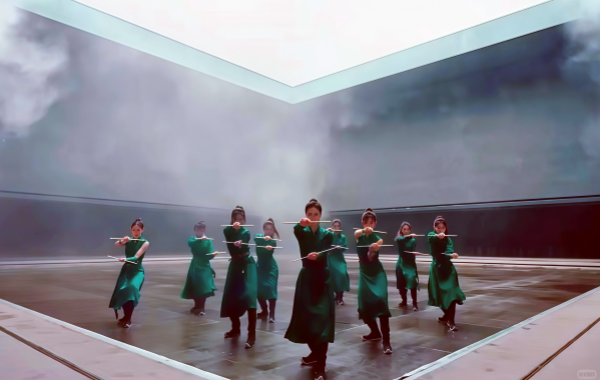
· Form Practice (套路训练 / Tàolù Xùnliàn): Learning and mastering a series of pre-arranged movements, such as the Emei Staff form or Snake Fist sequence, to develop muscle memory, coordination, and rhythm.
· Partner Drills (对练 / Duìliàn): Practicing techniques with a partner to improve timing, distance control, and the ability to apply martial arts skills in a dynamic context.
· Weapon Training (兵器训练 / Bīngqì Xùnliàn): Specializing in various weapons, including staffs, swords, and spears, to understand their unique characteristics and combat applications.
· Meditation and Inner Cultivation (冥想与内功修炼 / Míngxiǎng Yǔ Nèigōng Xiūliàn): Cultivating mental focus, emotional balance, and internal energy (Qi) through meditation, breath control, and specific Qi Gong exercises.
Progression Levels
· Novice (入门 / Rùmén): Learning the basic stances, simple forms, and fundamental techniques. This stage typically lasts 1 - 2 years.
· Intermediate (进阶 / Jìnjiē): Mastering more complex forms, partner drills, and beginning weapon training. It usually takes 2 - 5 years to reach this level.
· Advanced (高级 / Gāojí): Specializing in a particular style or weapon, developing a deep understanding of martial arts principles, and demonstrating proficiency in real-world application. This stage can take 5 - 10 years or more.
· Grandmaster (宗师 / Zōngshī): A rare and highly respected level, achieved only after decades of dedicated practice and contribution to the martial arts community. Grandmasters are considered experts in multiple styles and are often sought after for their wisdom and guidance.
Emei in Martial Arts Fiction & Pop Culture
Emei has left an indelible mark on the world of martial arts fiction and pop culture, often depicted as a mysterious and powerful martial arts school with a rich history and unique fighting techniques. Notable examples include:
· "The Legend of the Condor Heroes" series: Emei is featured as one of the major martial arts sects, with its female disciples showcasing elegant yet deadly swordsmanship and staff techniques.
· "Chinese Paladin" video game series: Emei is portrayed as a holy place for martial arts and spiritual cultivation, where players can learn powerful skills and embark on epic quests.
· "Crouching Tiger, Hidden Dragon: Sword of Destiny" (2016): Although not solely focused on Emei, the film features a female warrior wielding an Emei-style sword, highlighting the school's reputation for female martial artists.
Emei Diet & Traditional Arts
Dietary Principles
· Buddhist-Inspired Vegetarianism (佛道融合素食 / Fódào Rónghé Sùshí): Emphasizing a plant-based diet to promote physical purity, mental clarity, and compassion for all living beings. Common foods include grains, vegetables, fruits, nuts, and seeds.
· Herbal Medicine (中草药 / Zhōngcǎoyào): Utilizing a wide range of local herbs and plants, such as ginseng, astragalus, and goji berries, to enhance health, boost immunity, and support martial arts training.
· Tea Culture (茶文化 / Chá Wénhuà): Drinking tea, especially Green Tea and pu-erh tea, is an integral part of Emei culture. Tea is believed to have detoxifying effects, improve digestion, and promote relaxation.
Traditional Arts
· Emei Calligraphy (峨眉书法 / Éméi Shūfǎ): Combining the fluidity of martial arts movements with the precision of brushwork, Emei calligraphy is considered a form of artistic expression that reflects the practitioner's inner state.
· Emei Music (峨眉音乐 / Éméi Yīnyuè): Characterized by its soothing melodies and rhythmic patterns, Emei music is often performed during religious ceremonies, meditation sessions, and martial arts demonstrations to create a harmonious atmosphere.
Legendary Emei Masters
· Pujian (普鉴 / Pǔjiàn): The legendary Buddhist nun who, along with Baigong, is credited with founding Emei Martial Arts. Her teachings emphasized the integration of Buddhist compassion and martial arts skill.
· Duanmu Shan (段木山 / Duànmù Shān): A renowned Emei master during the Ming Dynasty (1368–1644 CE) who systematized and expanded the Emei martial arts curriculum, making it more accessible to a wider range of students.
· Miao YuXiang (妙玉香 / Miào Yùxiāng): A modern-day Emei grandmaster known for her exceptional skill in Emei Sword and her efforts to promote Emei martial arts both in China and internationally.
Conclusion
Emei Martial Arts represent a unique fusion of Buddhist and Taoist philosophies, combining the strength of external styles with the softness of internal styles. Unlike the more specialized schools of Shaolin or Wudang, Emei offers a versatile and well-rounded approach to martial arts training, emphasizing adaptability, practicality, and the harmonious integration of mind and body. From its sacred mountain home to its global influence, Emei continues to inspire martial artists and spiritual seekers alike, offering a path to physical health, mental clarity, and spiritual growth.
"Emei is not just a mountain—it is a symbol of the harmonious coexistence of different traditions and a gateway to self-discovery and universal harmony."




What Our Clients Say?
Based on 10,000+ traveler reviews

Daniel Dorothea
Canada
Reviewed on April 29,2025
Shopping on Nanjing Road in Shanghai was just amazing! It's truly the "First Commercial Street of China", where tradition and modernity blend perfectly. You can find awesome souvenirs and experience the trendy vibes in cool stores. The neon lights at night are just spectacular, shining bright like Times Square in New York. The food here is incredible too. I had a feast for my taste buds. Shanghai, I'll definitely be back!
Destination(s):
Shanghai
Date of
Experience:
May 08,2024


Elvis Eva
Canada
Reviewed on June 20,2025
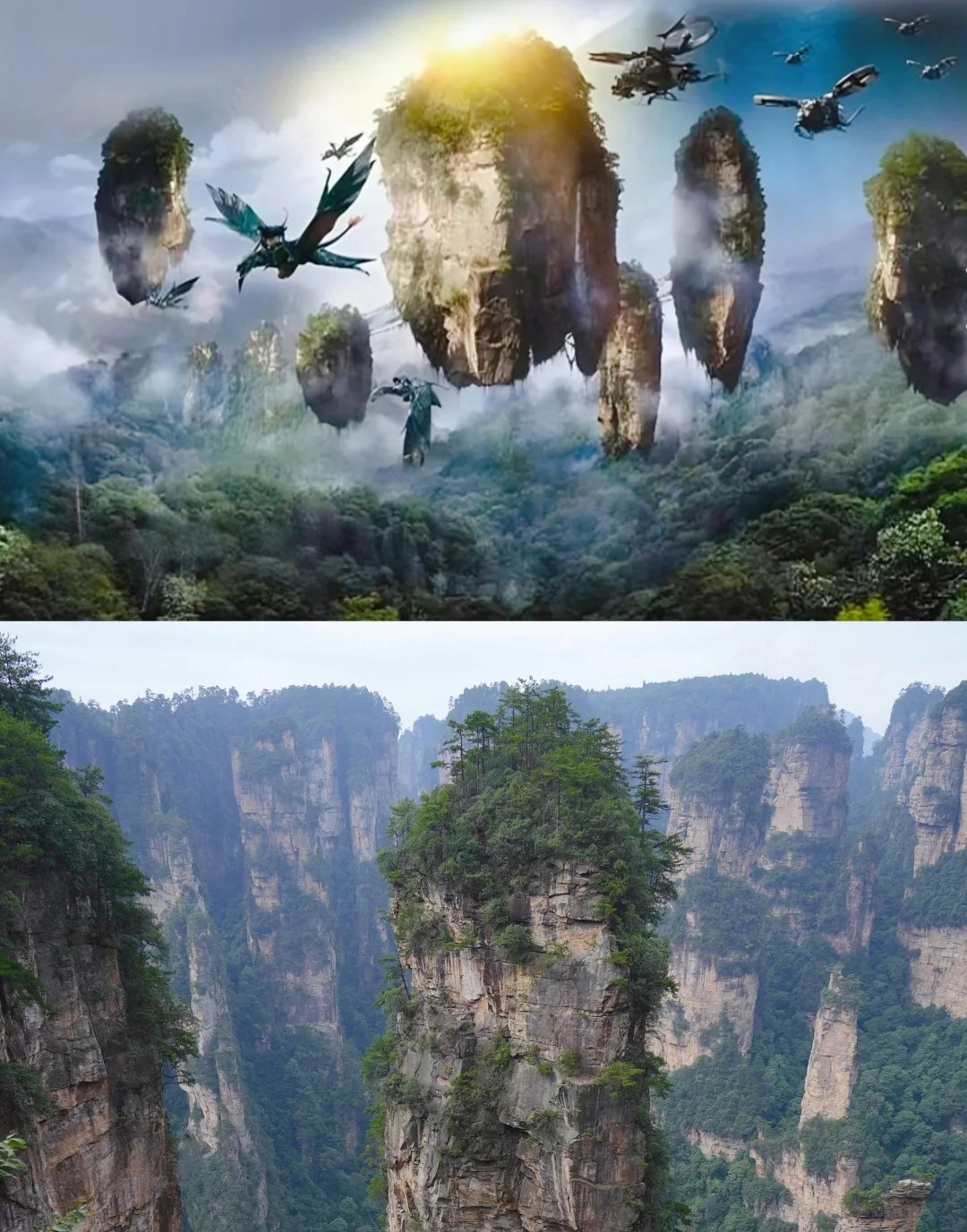
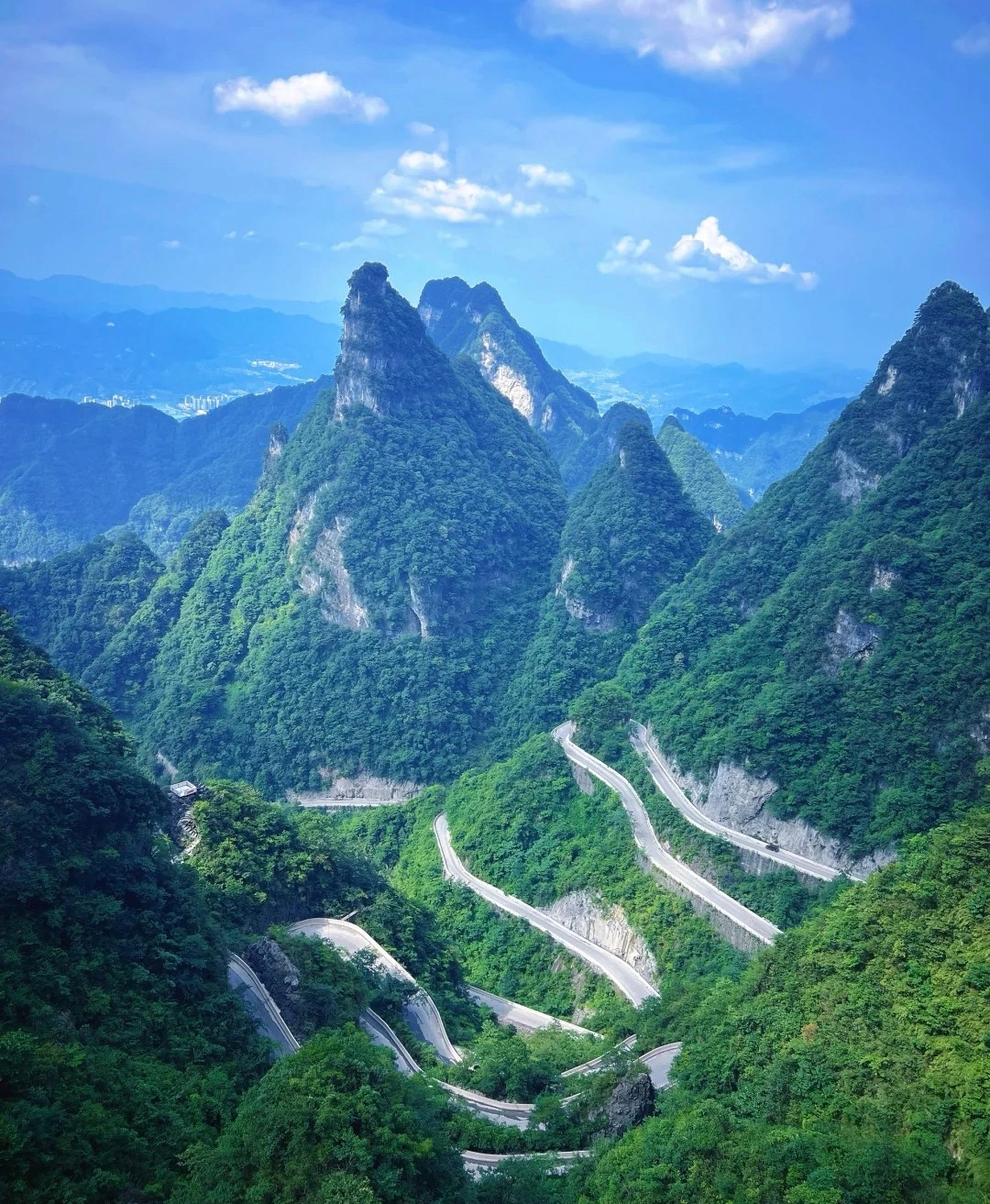
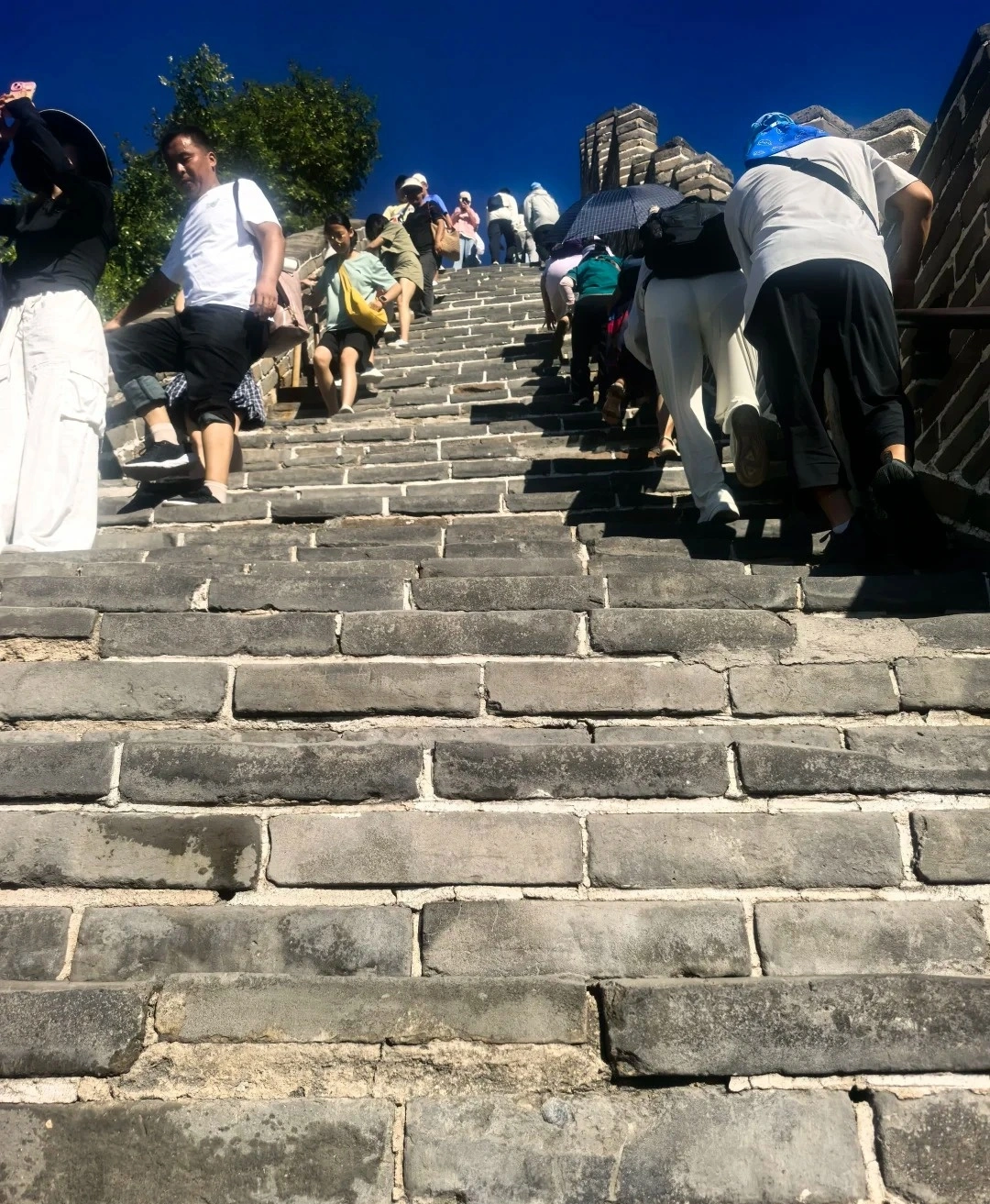
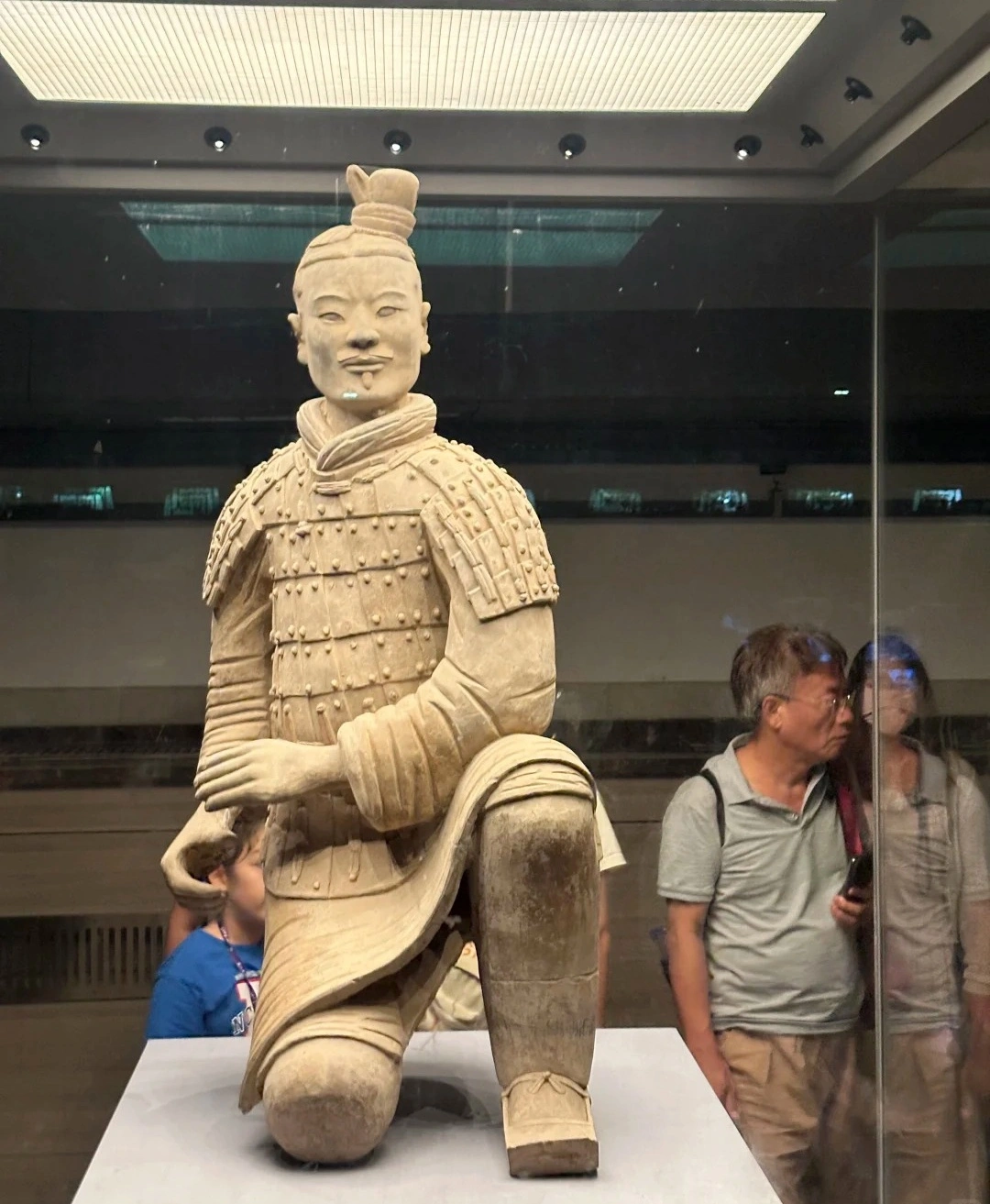
As a solo traveler from Canada, I was nervous about navigating China alone—but this 11-day tour was PERFECT! From hiking the Great Wall at sunrise (Day 3) to gasping at the Terracotta Army (Day 5), every day delivered ‘pinch-me’ moments. The real showstopper? Zhangjiajie’s Avatar Mountains (Day 7)! Our guide made the stone pillars come alive with stories.
Massive thanks for handling all logistics—bullet train tickets, entry passes, car! And the 4-star hotels surprised me.
Destination(s):
Beijing Xian Zhangjiajie Shanghai
Date of
Experience:
June 02,2025

Simon
America
Reviewed on May 29,2025
Our 2-day Zhangjiajie tour was beyond spectacular! As someone who’s visited Beijing and Shanghai for work, this trip revealed China’s wild, magical heart. Day 1 in Zhangjiajie National Forest Park felt like stepping onto Pandora—I’m a huge Avatar fan, and Yuanjiajie’s floating peaks left me breathless. The misty pillars and lush valleys like pure movie magic!
Then came Fenghuang Ancient Town, we eat dinner beside the thundering waterfall. It seems Unreal! The night views of stilt houses glowing over the river were straight from a fairy tale.
For fellow Avatar lovers and adventure seekers: Don’t miss this bucket-list experience! 10/10 would return.
A Well-Traveled Film Buff, May 2025
Destination(s):
Zhangjiajie
Date of
Experience:
May 08,2025