
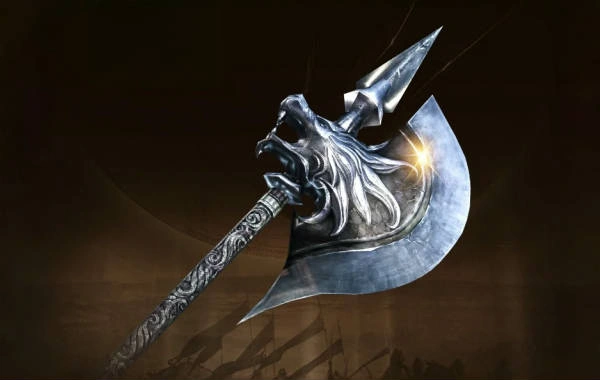
Chinese Cold Weapons - Axe
Axe (斧,Fu)
The Humble Axe’s Mighty Legacy
The axe (斧, fǔ) isn’t just a wood-chopping tool—it’s a symbol of power, innovation, and raw strength in Chinese history. Unlike its flashy cousin the halberd (jǐ), the axe kept it simple: blunt force trauma with a side of versatility. From Stone Age relics to legendary battle axes wielded by warlords, China’s axe tradition spans millennia. Fun fact: In ancient texts like the Zuo Zhuan, “斧” (axe) symbolized royal authority, with kings granting axes to generals to legitimize conquests!
 Historical Evolution: From Tool to Weapon of Mass Destruction
- Shang & Zhou Dynasties (1600–256 BCE): Bronze axes emerged as both tools and ritual objects. The yue, a ceremonial cousin of the axe, symbolized military might. Warriors like Fu Hao (a female general under King Wu Ding) wielded bronze axes in battle, proving gender norms didn’t stop sharp objects.
- Han Dynasty (206 BCE–220 CE): Iron axes became mainstream. The Ji, a hybrid axe-spear, dominated infantry formations. Meanwhile, the mao and axe combo was the OG power couple of ancient combat.
- Tang & Song Dynasties (618–1279 CE): Peak axe innovation! The kai shan fu (Mountain-Opening Axe)—a hefty long-handled axe—saw action in epic battles like Li Siye’s defense at Xiangji Temple, where Tang soldiers wielded axes to repel cavalry charges. Song Dynasty manuals like Wu Bei Zhi detailed axe variants like the feng tou fu (Phoenix Head Axe) for siege warfare.
- Ming & Qing Dynasties (1368–1912): Axes diversified into dual-wielding styles. The Qing-era shuang fu (Double Axes) became a favorite among martial artists, while the jin zhan fu (Gold-Dipped Axe) of General Xu Huang (Three Kingdoms) and Li Kui (Black Whirlwind) from Water Margin cemented axes as pop culture icons.
Axe Varieties: More Than Just “Chop-Chop”
China’s axes weren’t one-size-fits-all. Key types include:
- Long-Handled Axes:
- Kai Shan Fu: The ultimate anti-cavalry weapon. Think “axe meets sledgehammer” for smashing armor and horses.
- Yue Ya Fu: Crescent-shaped blade for slash-and-thrust maneuvers.
- Short-Handled Axes:
- Shuang Ban Fu: Li Kui’s signature twin axes—lightweight for speed, deadly in close combat.
- E Mei Fu: Named after China’s scenic Mount Emei, this compact axe doubled as a digging tool for siege warfare.
- Specialty Axes:
- Feng Tou Fu: Ornamental yet lethal, with a phoenix-shaped head for ceremonial flair.
- Che Shou Fu: A specialized city-defense axe designed to dismember climbing enemies—yikes!
Top 10 Legendary Chinese Axes (No Mythical Stuff!)
- Kai Shan Fu (开山斧): Legend says it could split mountains. Historical heavyweights like Li Siye and Wang De (Song Dynasty) used it to crush enemy cavalry.
- Xuan Hua Fu (宣花斧): Cheng Yaojin’s “Three Axe Strikes”—pi nao dai (劈脑袋, “Brain Split”), gui ti ya (鬼剔牙, “Ghost Toothpick”), and tao er duo (掏耳朵, “Ear Dig”)—made him a folklore hero.
- Shuang Ban Fu (双板斧): Li Kui’s twin axes terrorized Song Dynasty battlefields. Fun fact: His axes were so iconic, they inspired the “Black Whirlwind” nickname!
- Jin Zhan Fu (金蘸斧): A golden-handled axe used by Three Kingdoms general Xu Huang. Its weight (reportedly 8+ kg) required Herculean strength.
- Feng Tou Fu (凤头斧): A favorite of Jin Dynasty general Wanyan Zongbi (金兀术), this axe’s phoenix motif symbolized imperial power.
- Che Lun Fu (车轮斧): A massive axe with a wheel-like blade, wielded by Yang Family Generals like Yang Yanzhao.
- Yu Wei Fu (鱼尾斧): Fish-tail shaped for slicing through armor, popular in Song-era naval battles.
- Cuo Shou Fu (剉手斧): A gruesome urban defense tool for severing enemy hands—effective but morally questionable.
- E Mei Fu (峨眉斧): The Swiss Army knife of axes—used for chopping wood, digging tunnels, and close combat.
- Di Zui Fu (地锥斧): A short, sturdy axe favored by frontier warriors for its portability and punch.
Why Axes?
orget fancy swords—axes were the original “shock and awe” weapon. Their brute force made them ideal for breaking armor, chopping wood for sieges, and intimidating foes. Plus, they doubled as tools, proving practicality wins wars. Modern martial arts like Wushu still feature axe routines, blending history with athleticism.
Final Tip: Next time you watch a wuxia film, spot the axe—it’s not just a prop; it’s a nod to China’s warrior spirit. And if you’re ever in a trivia night, remember: Cheng Yaojin’s “three axe strikes” aren’t just moves—they’re a masterclass in efficiency!
Got questions? Ask away—this axe expert’s got the chop-chop answers!




What Our Clients Say?
Based on 10,000+ traveler reviews

Daniel Dorothea
Canada
Reviewed on April 29,2025
Shopping on Nanjing Road in Shanghai was just amazing! It's truly the "First Commercial Street of China", where tradition and modernity blend perfectly. You can find awesome souvenirs and experience the trendy vibes in cool stores. The neon lights at night are just spectacular, shining bright like Times Square in New York. The food here is incredible too. I had a feast for my taste buds. Shanghai, I'll definitely be back!
Destination(s):
Shanghai
Date of
Experience:
May 08,2024


Elvis Eva
Canada
Reviewed on June 20,2025
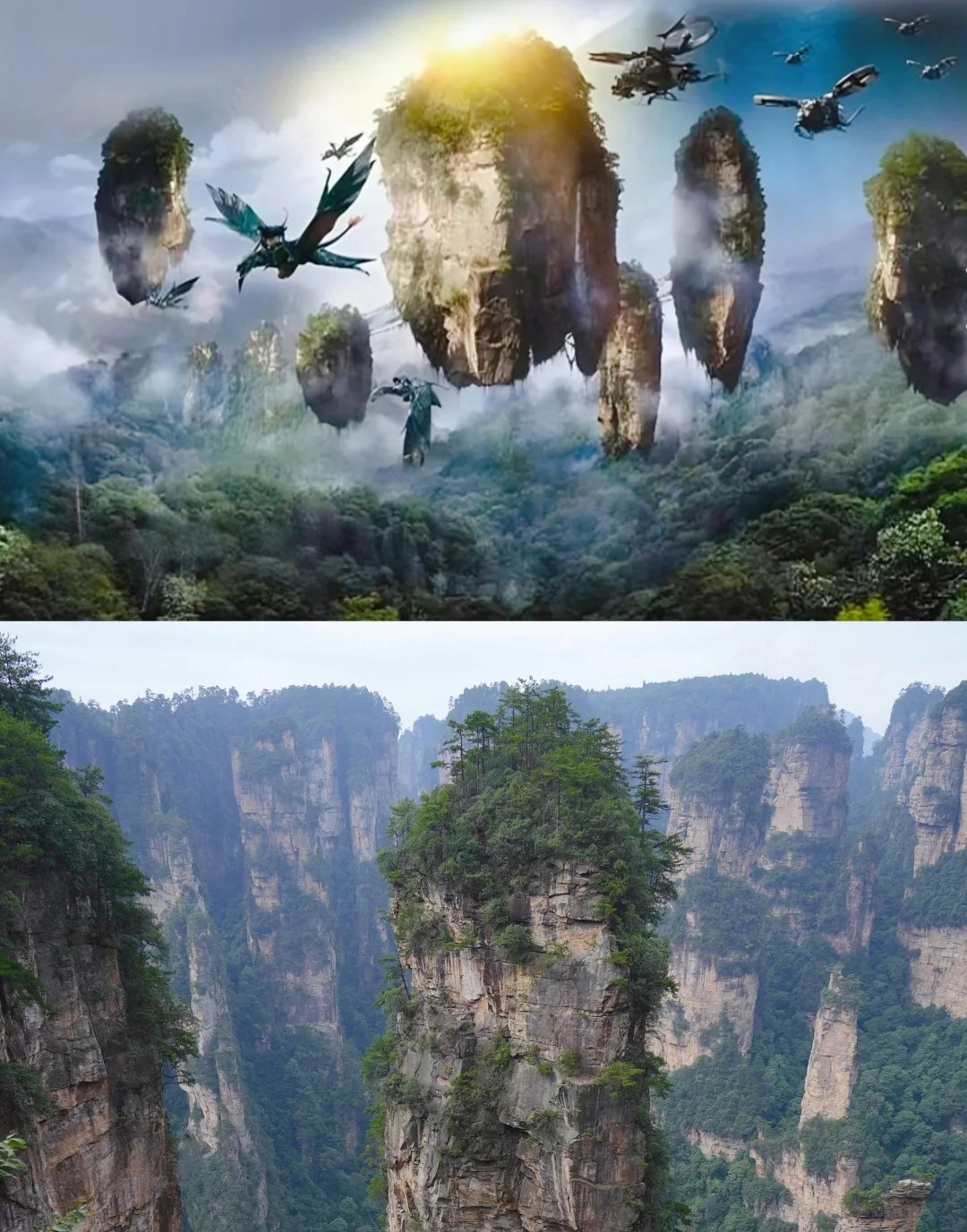
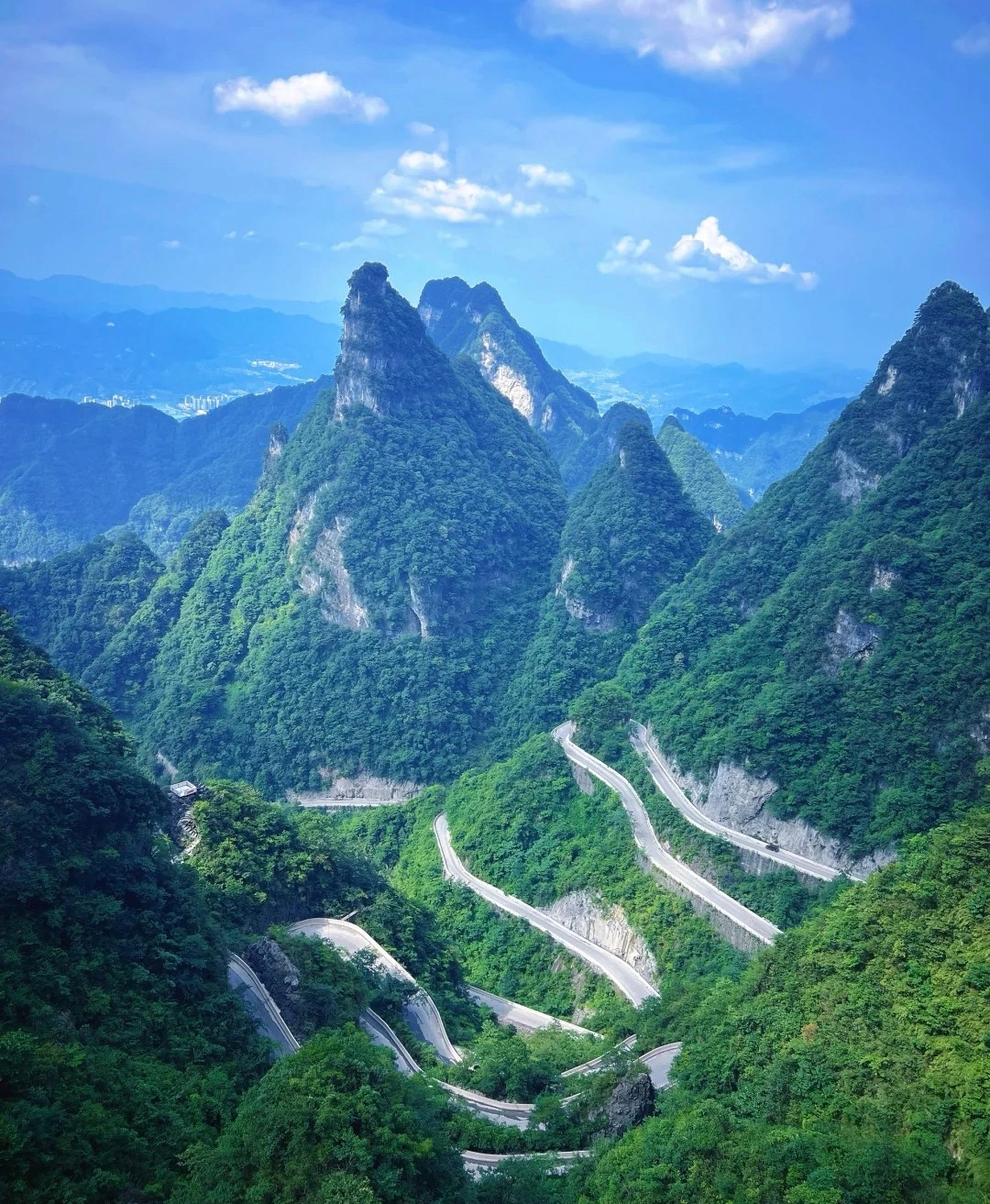
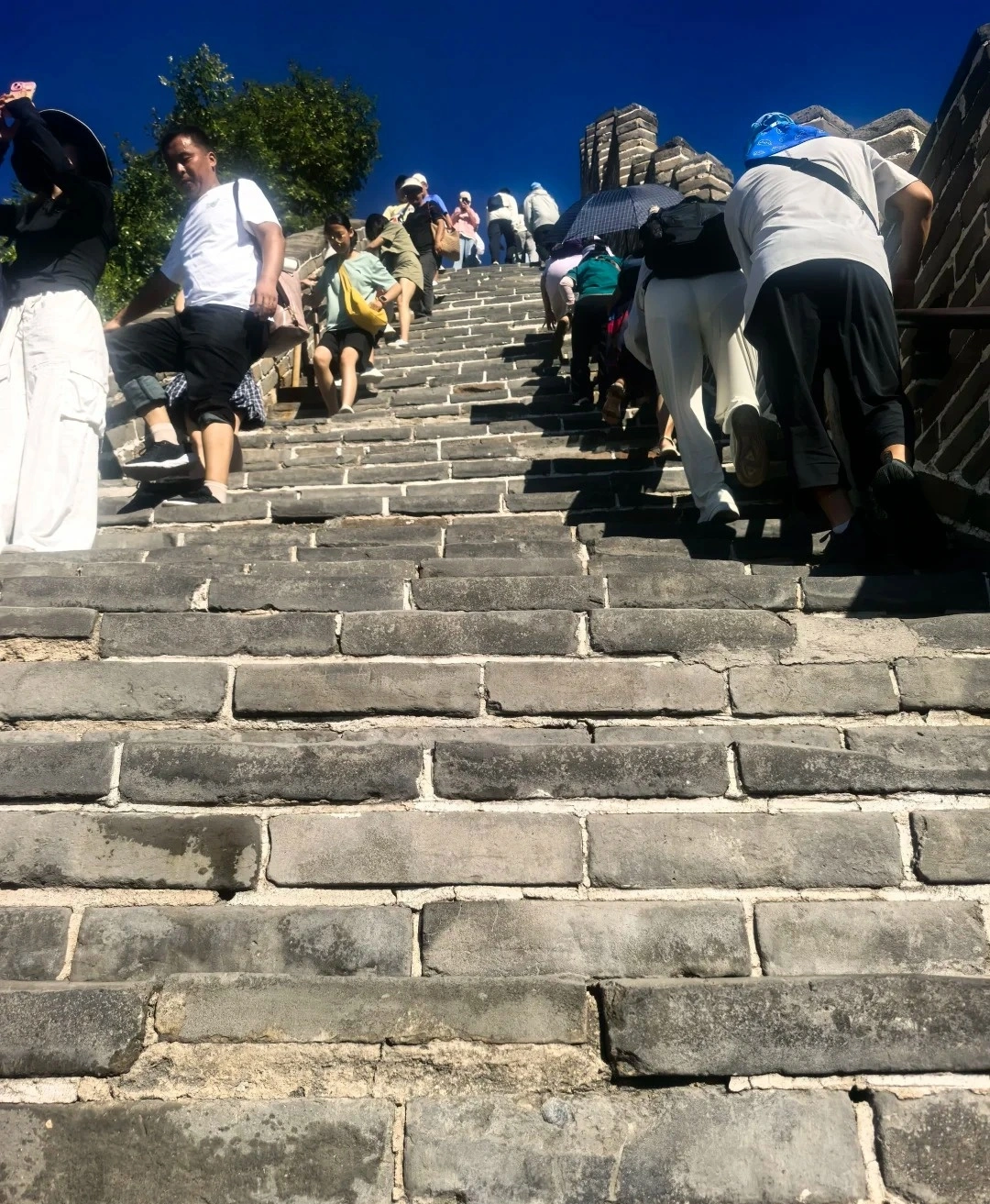
As a solo traveler from Canada, I was nervous about navigating China alone—but this 11-day tour was PERFECT! From hiking the Great Wall at sunrise (Day 3) to gasping at the Terracotta Army (Day 5), every day delivered ‘pinch-me’ moments. The real showstopper? Zhangjiajie’s Avatar Mountains (Day 7)! Our guide made the stone pillars come alive with stories.
Massive thanks for handling all logistics—bullet train tickets, entry passes, car! And the 4-star hotels surprised me.
Destination(s):
Beijing Xian Zhangjiajie Shanghai
Date of
Experience:
June 02,2025

Simon
America
Reviewed on May 29,2025
Our 2-day Zhangjiajie tour was beyond spectacular! As someone who’s visited Beijing and Shanghai for work, this trip revealed China’s wild, magical heart. Day 1 in Zhangjiajie National Forest Park felt like stepping onto Pandora—I’m a huge Avatar fan, and Yuanjiajie’s floating peaks left me breathless. The misty pillars and lush valleys like pure movie magic!
Then came Fenghuang Ancient Town, we eat dinner beside the thundering waterfall. It seems Unreal! The night views of stilt houses glowing over the river were straight from a fairy tale.
For fellow Avatar lovers and adventure seekers: Don’t miss this bucket-list experience! 10/10 would return.
A Well-Traveled Film Buff, May 2025
Destination(s):
Zhangjiajie
Date of
Experience:
May 08,2025