
Huangcheng Xiangfu
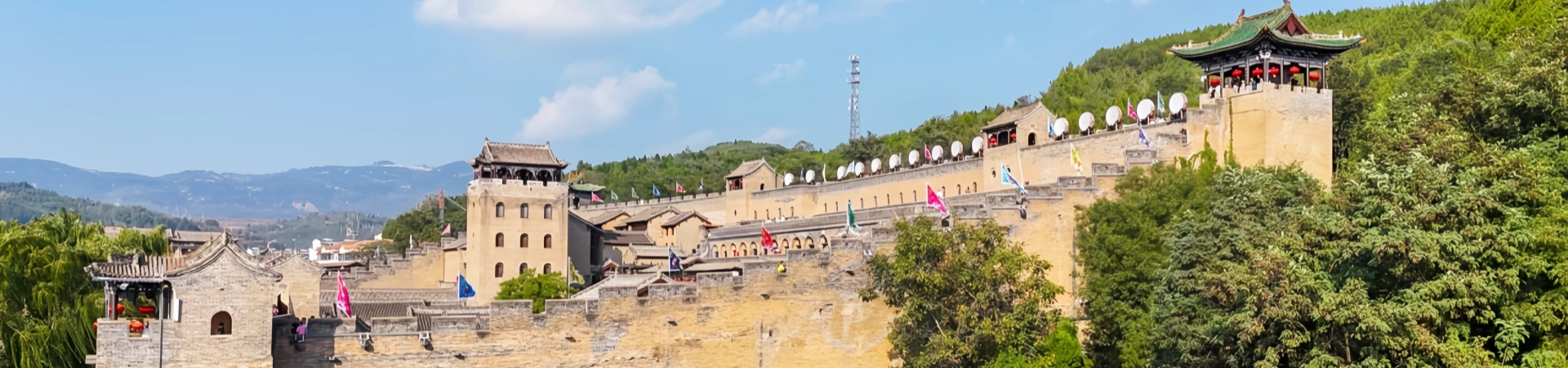
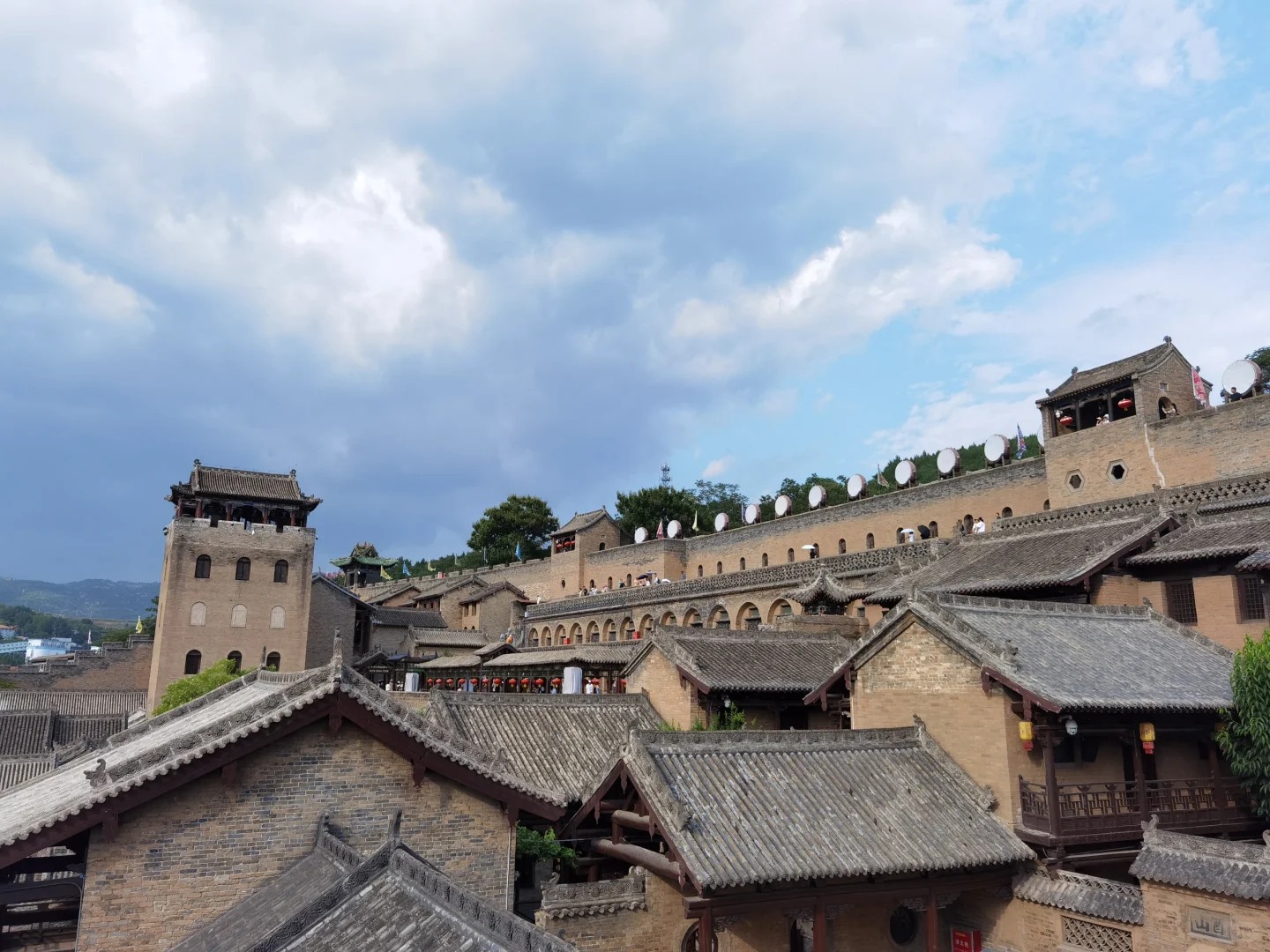
The Royal Residence of the Kangxi Emperor, also known as Huangcheng Xiangfu, is a grand fortified mansion complex in Shanxi Province, China. Built during the Qing Dynasty (1644–1912), it served as the ancestral home and political base of the Chen family, whose most prominent member, Chen Tingjing, was a key advisor to Emperor Kangxi. Spanning 36,000 square meters with over 400 rooms, the complex blends traditional Chinese architecture with defensive features, reflecting the family’s power and cultural influence. Designated a National AAAA-Level Tourist Attraction, it offers insights into imperial-era aristocratic life and regional history.
Historical Overview
Construction began in the early 17th century under Chen Changren, a Ming Dynasty official, and expanded significantly during the Qing era. The complex reached its zenith under Chen Tingjing, who rose to become Grand Secretary and tutored Emperor Kangxi. It survived wars and social upheavals, including the Boxer Rebellion and the Cultural Revolution, thanks to its strategic location and robust design. In 2001, it underwent extensive restoration and opened to the public as a cultural heritage site. Notable historical events include Kangxi’s visits to honor Chen Tingjing’s contributions and the complex’s role in regional governance during the Qing Dynasty.
Structural Layout
The mansion follows a hierarchical layout divided into residential, administrative, and defensive zones:
- Residential Area: Features the Grand Ancestral Hall (Zongci Dian), the family’s ceremonial heart, and the Inner Courtyard (Neiyuan), housing private quarters and gardens.
- Administrative Zone: Includes the Government Office (Yamen), where Chen Tingjing managed state affairs, and the Study Pavilion (Shufang), used for scholarly pursuits.
- Defensive Structures: Surrounded by 10-meter-high walls with watchtowers and a moat, the complex includes hidden tunnels and armories for emergencies.
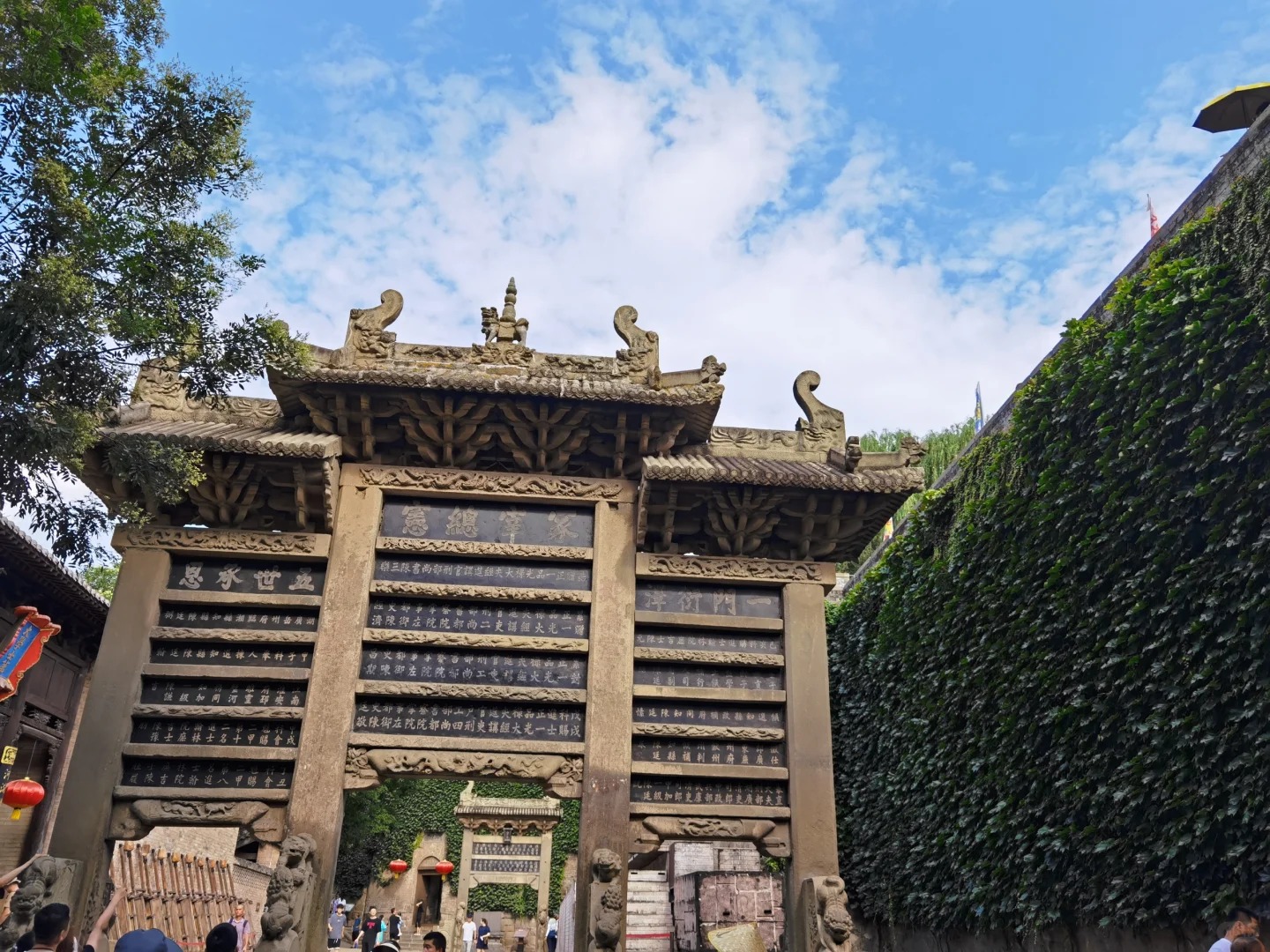
Key supporting structures are the East and West Gate Towers, the Lotus Pond Garden, and the Memorial Archway (Paifang) honoring Chen family achievements.
Major Attractions
- Grand Ancestral Hall (Zongci Dian): The largest hall, adorned with intricate wood carvings and ancestral tablets, used for sacrifices and family gatherings.
- Study Pavilion (Shufang): A two-story building where Chen Tingjing composed poetry and advised the emperor, featuring calligraphy by Kangxi.
- Lotus Pond Garden: A serene landscape with pavilions, bridges, and a lotus-filled pond, symbolizing purity and harmony.
- Government Office (Yamen): Restored to its Qing-era appearance, with original furniture and documents on display.
- Defensive Tunnels: A network of underground passages used during sieges, now open for guided tours.
- Chen Tingjing Memorial Hall: Exhibits portraits, manuscripts, and artifacts related to his life and career.
Suggested Itineraries
- Classic Route (1.5–2 hours):
East Gate Tower → Grand Ancestral Hall → Inner Courtyard → Lotus Pond Garden → Government Office → West Gate Tower
Highlights: Core architectural and cultural landmarks. - Extended Route (3–4 hours):
East Gate Tower → Grand Ancestral Hall → Study Pavilion → Defensive Tunnels → Chen Tingjing Memorial Hall → Memorial Archway → Imperial Garden → West Gate Tower
Highlights: Adds scholarly and defensive features, plus the memorial hall. - Comprehensive Route (Full Day):
East Gate Tower → Grand Ancestral Hall → Inner Courtyard → Study Pavilion → Lotus Pond Garden → Government Office → Defensive Tunnels → Chen Tingjing Memorial Hall → Memorial Archway → Six Eastern Courtyards → Six Western Courtyards → West Gate Tower
Highlights: In-depth exploration of all sections, including lesser-known courtyards.
Ticket Purchase
- Online: Book via the official website or platforms like Ctrip and Trip.com (up to 3 days in advance).
- On-Site: Tickets available at ticket booths near the East Gate Tower; queues are shorter in the morning.
- Prices:
- Peak Season (April–October): ¥80 (adults), ¥40 (students/seniors).
- Off-Season (November–March): ¥60 (adults), ¥30 (students/seniors).
- Free: Children under 1.2m, disabled visitors, and active military personnel.
Transportation
- By Bus: Take Route 101 or 102 from Yangcheng County Center to Huangcheng Xiangfu Stop (20-minute ride).
- By Taxi: Direct from Yangcheng Railway Station (¥30–40, 15 minutes) or Jincheng Airport (¥100–120, 40 minutes).
- By Car: The complex is 30 km northeast of Yangcheng County; free parking is available.
- Departure: Exit via the West Gate Tower to nearby villages or the East Gate for return transport.
Best Time & Tips
- Peak Hours: Avoid 10 AM–2 PM; visit early (8:30 AM opening) or late (after 3 PM).
- Crowds: Weekends and holidays are busiest; weekdays offer a quieter experience.
- Weather: spring (April–May) and autumn (September–October) are ideal for outdoor exploration.
- Essentials:
- Wear comfortable shoes (the complex is vast and hilly).
- Bring sunscreen and a hat in summer; winters are cold and windy.
- Photography allowed (no tripods or drones without permission).
- Prohibited items: Large bags, pets, and smoking inside the complex.
- Guided tours (¥50/person) are recommended for historical context.


Contact Us
What Our Clients Say?
Based on 10,000+ traveler reviews

Daniel Dorothea
Canada
Reviewed on April 29,2025
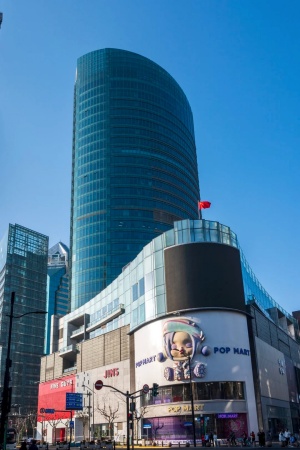
Shopping on Nanjing Road in Shanghai was just amazing! It's truly the "First Commercial Street of China", where tradition and modernity blend perfectly. You can find awesome souvenirs and experience the trendy vibes in cool stores. The neon lights at night are just spectacular, shining bright like Times Square in New York. The food here is incredible too. I had a feast for my taste buds. Shanghai, I'll definitely be back!
Destination(s):
Shanghai
Date of
Experience:
May 08,2024

Elvis Eva
Canada
Reviewed on June 20,2025
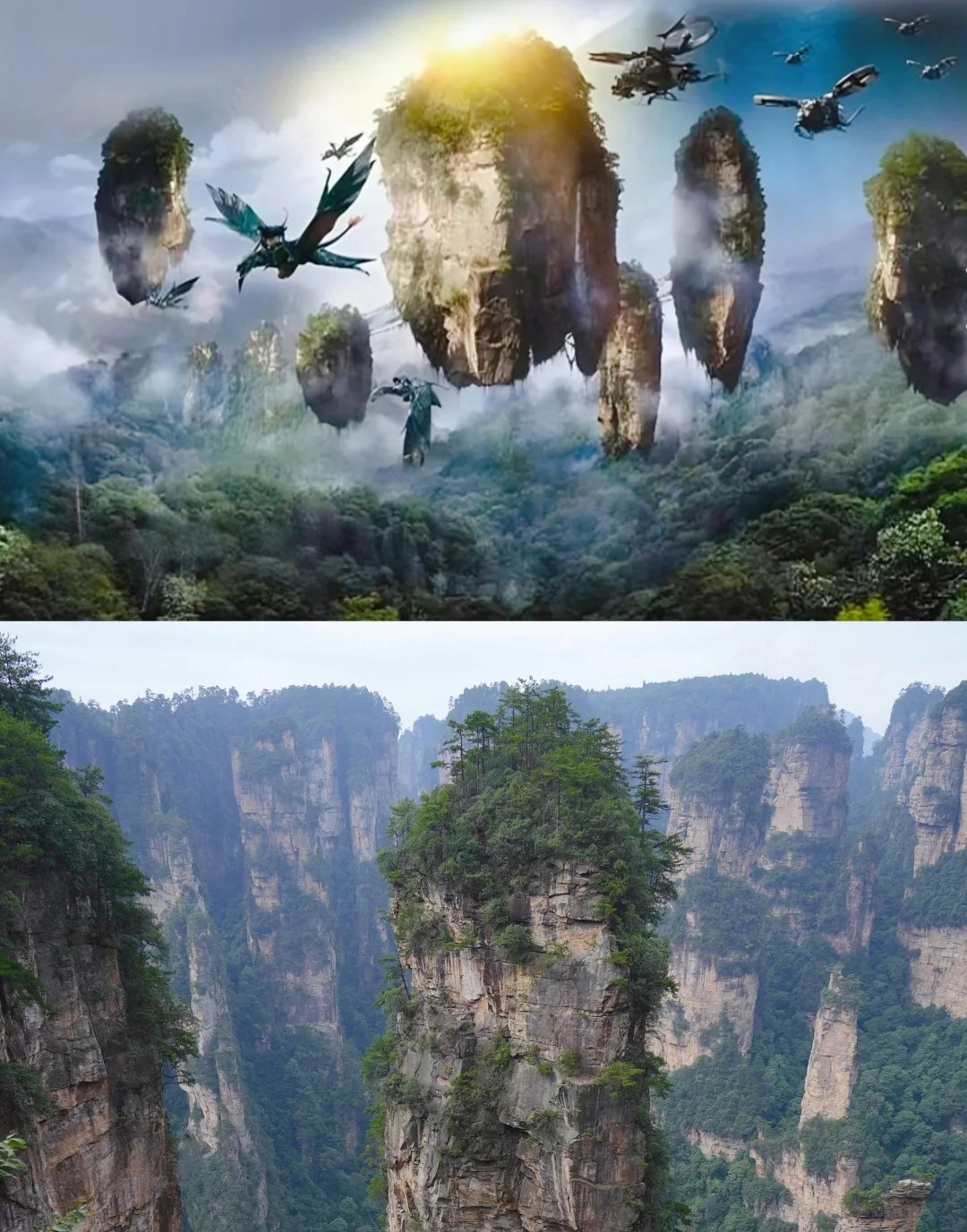
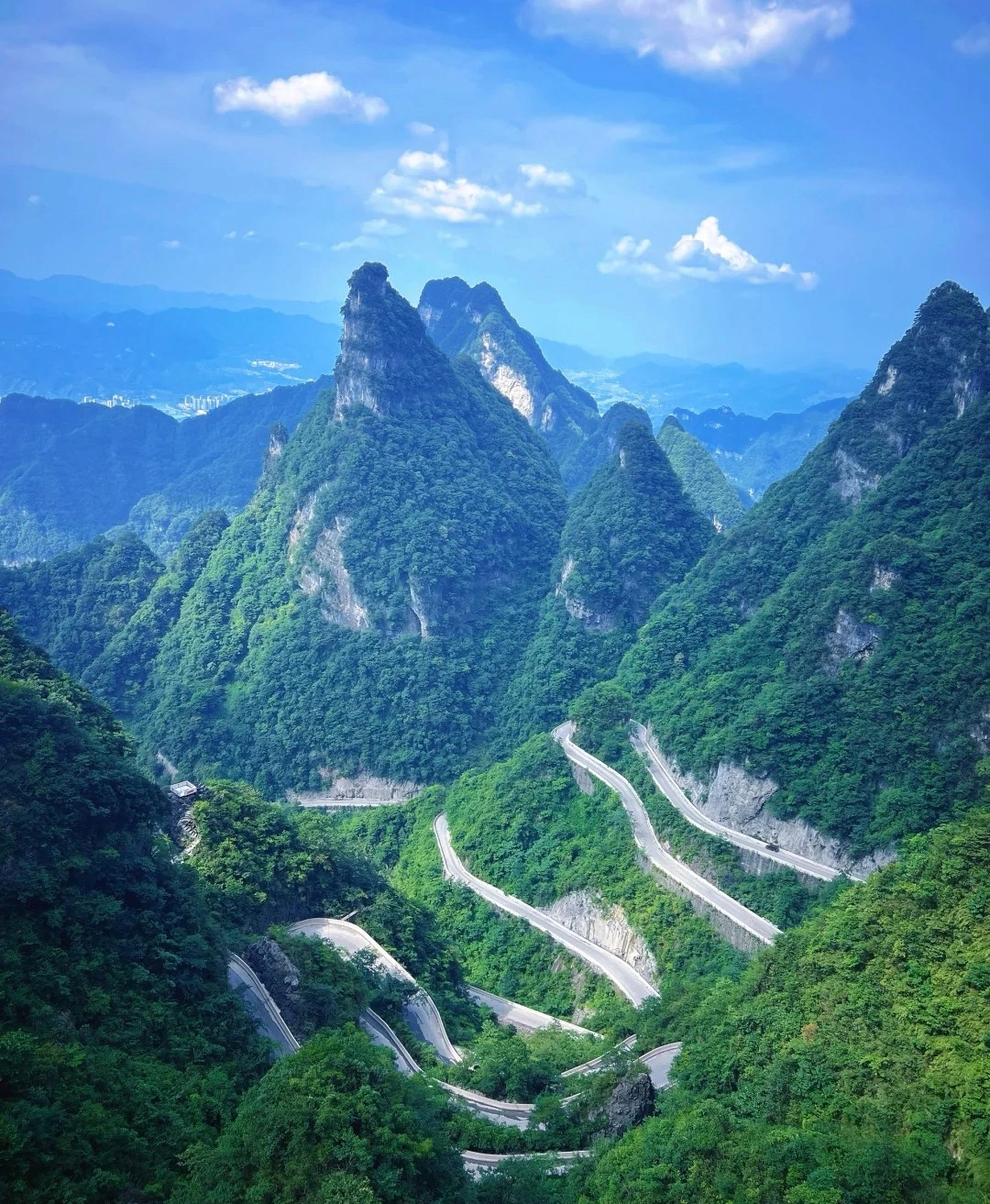
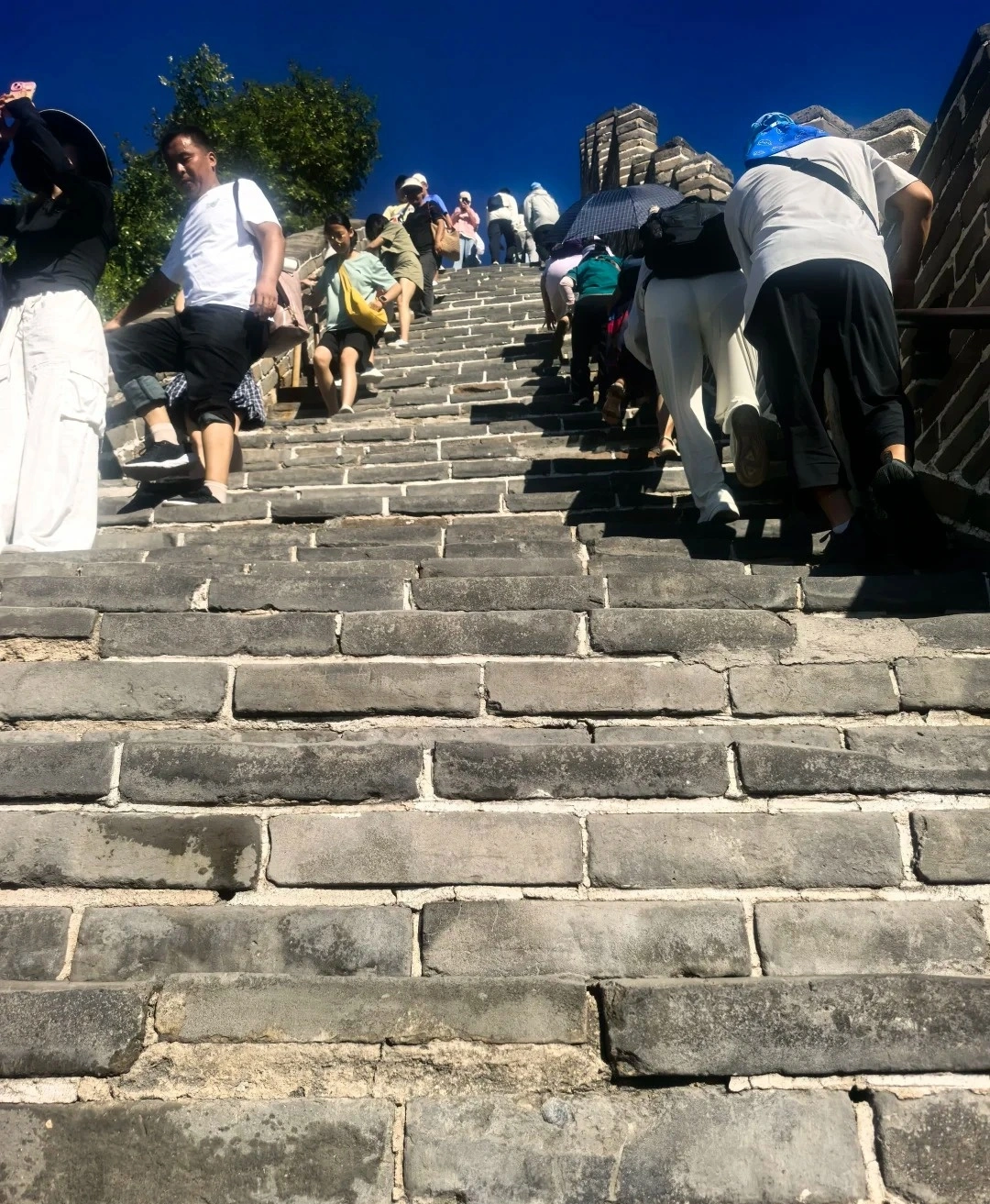
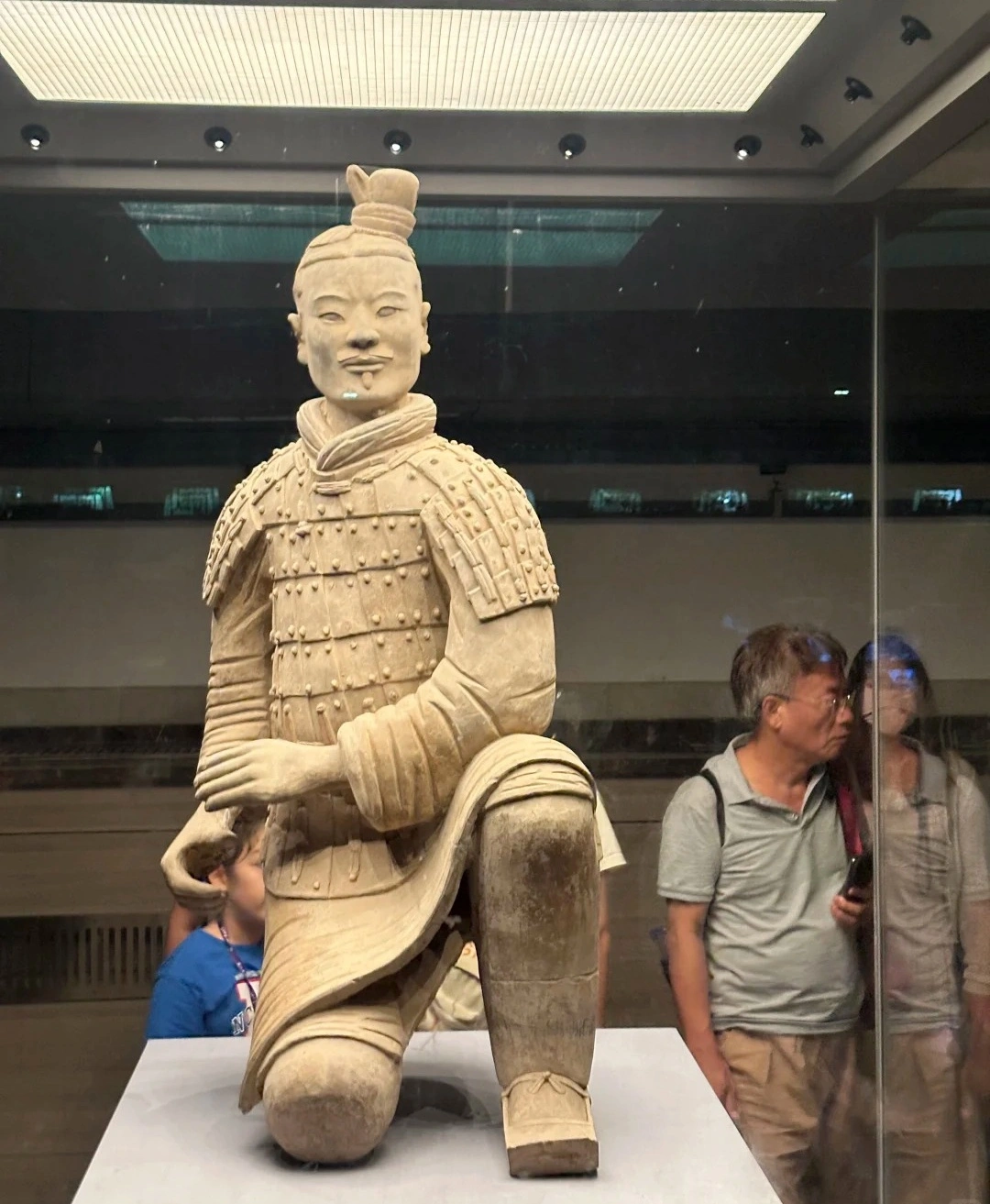
As a solo traveler from Canada, I was nervous about navigating China alone—but this 11-day tour was PERFECT! From hiking the Great Wall at sunrise (Day 3) to gasping at the Terracotta Army (Day 5), every day delivered ‘pinch-me’ moments. The real showstopper? Zhangjiajie’s Avatar Mountains (Day 7)! Our guide made the stone pillars come alive with stories.
Massive thanks for handling all logistics—bullet train tickets, entry passes, car! And the 4-star hotels surprised me.
Destination(s):
Beijing Xian Zhangjiajie Shanghai
Date of
Experience:
June 02,2025

Simon
America
Reviewed on May 29,2025
Our 2-day Zhangjiajie tour was beyond spectacular! As someone who’s visited Beijing and Shanghai for work, this trip revealed China’s wild, magical heart. Day 1 in Zhangjiajie National Forest Park felt like stepping onto Pandora—I’m a huge Avatar fan, and Yuanjiajie’s floating peaks left me breathless. The misty pillars and lush valleys like pure movie magic!
Then came Fenghuang Ancient Town, we eat dinner beside the thundering waterfall. It seems Unreal! The night views of stilt houses glowing over the river were straight from a fairy tale.
For fellow Avatar lovers and adventure seekers: Don’t miss this bucket-list experience! 10/10 would return.
A Well-Traveled Film Buff, May 2025
Destination(s):
Zhangjiajie
Date of
Experience:
May 08,2025