

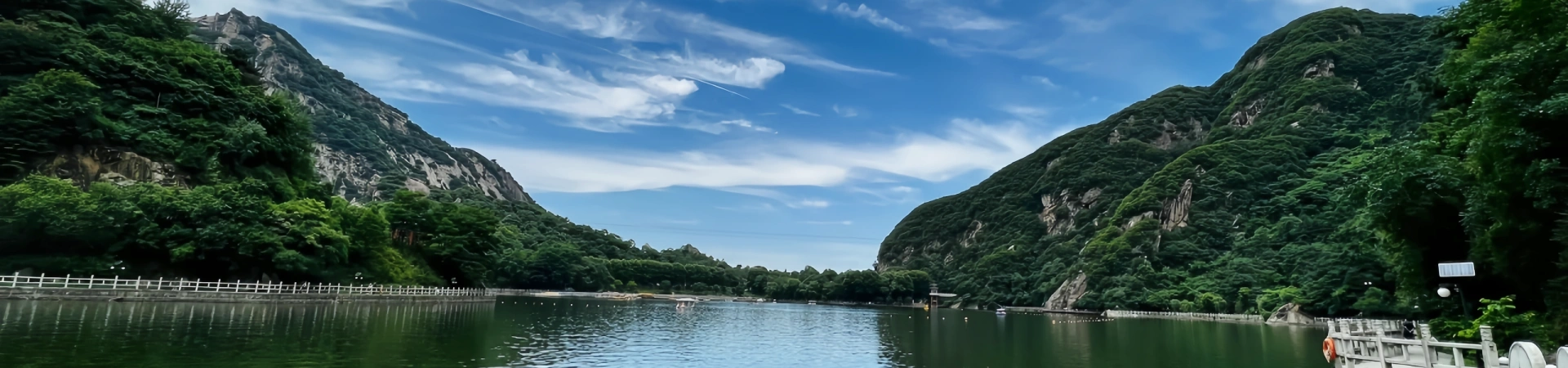
Cuihua Mountain National Geopark
Historical Overview
The geopark’s history spans millions of years, beginning with its formation during the Quaternary glaciation over 2 million years ago. Evidence of Neolithic human activity has been discovered here, while the Tang Dynasty (618–907) saw it named "Taiyi Mountain" and used as a royal hunting ground. Poets like Li Bai drew inspiration from its scenery. During the Ming-Qing period, it was renamed "Cuihua Mountain" for its lush pine forests and azalea blooms, becoming a destination for scholars and pilgrims. The 1990s marked its recognition as a provincial scenic spot, followed by its designation as a national geopark in 2001 and UNESCO Global Geopark status in 2009, highlighting its global geological significance.
Structural Layout
The park’s landscape is divided into three main zones, each offering distinct geological and ecological experiences. The Central Zone features Tianchi Lake, a glacial lake surrounded by steep cliffs, and the Panlong Ridge, a jagged rock formation ideal for hiking. The Northern Zone is home to the Wind Cave, a natural arch formed by water erosion, and the Ice Cave, where ice persists year-round due to a unique microclimate. The Southern Zone includes Ganhu Valley, a tranquil area with streams and wildflowers, and the Stone Sea, a vast expanse of weathered granite boulders shaped by freeze-thaw cycles.
Major Attractions
Tianchi Lake Cruise offers a 20-minute boat ride with panoramic views of the surrounding peaks. Wind Cave Exploration allows visitors to walk through narrow passages while learning about its formation and local legends. Ganhu Valley Hiking follows a 3-kilometer trail through bamboo groves and waterfalls. The Geological Museum features interactive exhibits on glacial history and rock types. The annual Azalea Festival, held from May to June, celebrates the park’s 600-hectare azalea bloom with cultural performances and photography contests.
Suggested Itineraries
For a Half-Day Adventure, start at the Visitor Center, hike to Wind Cave for an hour, explore the Stone Forest for 30 minutes, then enjoy a boat ride on Tianchi Lake and visit the Geological Museum. This route covers iconic rock formations, the glacial lake, and educational exhibits. A Full-Day Exploration includes trekking Ganhu Valley for two hours, lunch at a local farmhouse, visiting Laojun Temple, cruising Tianchi Lake, exploring Wind Cave, and watching the sunset at Panlong Ridge. This itinerary highlights cultural sites, diverse ecosystems, and stunning vistas. The Family-Friendly Route features an easy hike to Stone Sea, interactive games at the Geological Museum, a picnic by Tianchi Lake, a short walk to Ice Cave, and a stroll through the azalea garden, offering kid-friendly activities and gentle trails.
Ticket Purchase
Tickets can be booked online via the official WeChat account "翠华山旅游" up to seven days in advance or purchased on-site at the Visitor Center, which is open from 8:30 AM to 5:30 PM. Standard entry costs ¥65 during peak season and ¥40 during off-season, with discounts available for students and seniors with valid ID. Children under 1.2 meters enter free. Combo tickets, which include boat rides or cable cars, range from ¥120 to ¥180. Guided tours cost ¥200–300 per group and last two hours, with options for English or Chinese.
Transportation
To reach the park by subway, take Line 2 to Weiqu Nan Station and transfer to bus 729 or 905. Direct buses are available from Xi’an South Bus Station (Routes 729, 905) or Mingdemen Station (Route 335). A taxi from downtown Xi’an costs approximately ¥80–100 and takes about 40 minutes. Free shuttles operate between the parking lot and Visitor Center, a five-minute ride. Parking is available near the entrance for ¥10 per day, with electric vehicle charging stations on-site.
Best Time & Tips
To avoid crowds, visit early in the morning at opening time or late afternoon on weekdays, as weekends and holidays see peak hours from 10 AM to 2 PM. The quietest days are Tuesdays through Thursdays, with Mondays remaining relatively calm despite being open. spring (April–June) and autumn (September–October) offer mild temperatures and clear skies, making them ideal for visits. Download the park’s AR guide app for trail maps and audio explanations, wear sturdy shoes for rocky trails, and bring sun protection, including a hat and sunscreen. Stay hydrated by carrying a reusable bottle, as water stations are limited. Photography is allowed everywhere except inside caves, with tripods permitted outside peak hours. Drones, pets, and large backpacks must be stored at the Visitor Center.


Contact Us
What Our Clients Say?




Ask us before you decide.
Unsure about a route, departure date or room option? Tell us what is holding up your plans. You will get a clear answer from our China-based travel team—no booking required.