

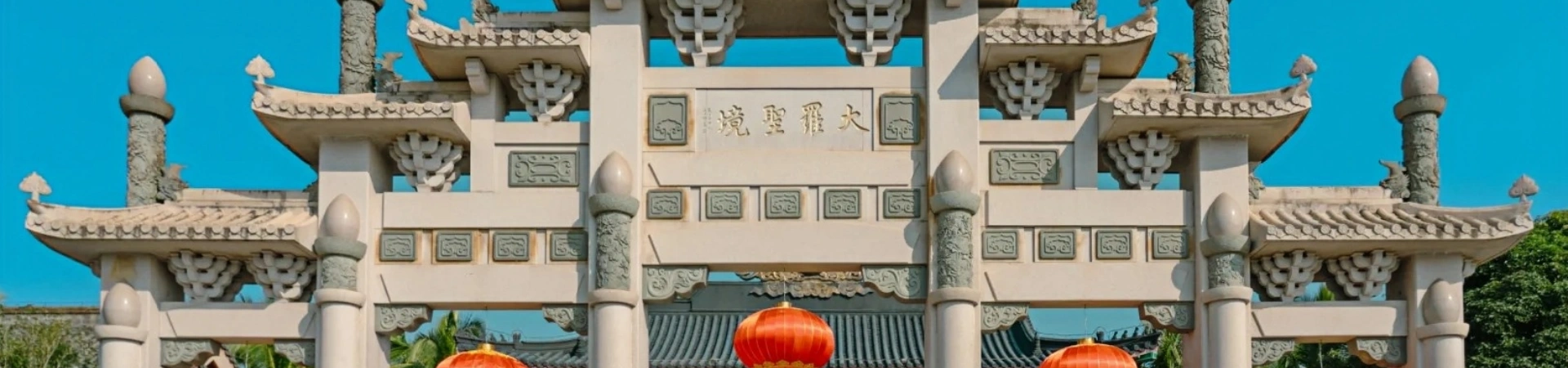
Wenbi Peak Pangu Cultural Tourism Zone
Nestled in Ding’an County, Hainan Province, Wenbi Peak Panhu Cultural Tourism Zone is a harmonious fusion of Taoist spirituality, natural grandeur, and historical legacy. Rising 180 meters above sea level, the peak’s dragon-back ridges and turtle-shell rock formations symbolize feng shui perfection, earning it the moniker “Dragon Head, Turtle Back.” Established in 2003, the 1,000-acre complex integrates Taoist temples, ancient pagodas, and lush tropical landscapes, offering a serene retreat for cultural exploration and ecological immersion.
Historical Overview
Wenbi Peak’s recorded history dates to the Ming Dynasty (1368–1644), when the Jianlong Pagoda was erected in 1573 to suppress local floods. Restored in 1956 and designated a cultural relic in 1986, the pagoda stands as a testament to Ming-era engineering. The site gained prominence in 2019 when the adjacent Ding’an ancient city wall, built in 1466, was listed as a national historic site. Taoist traditions here trace back to the 17th century, with temples like Yuchan Pavilion and Wenchang Pavilion reflecting Daoist cosmology and Confucian scholar-official culture.
Structural Layout
The zone is divided into three core areas:
- Taoist Cultural Core: Centered around Yuchan Pavilion, this cluster includes temples dedicated to the Eight Immortals, Medicine King, and God of Wealth. The Wenchang Pavilion honors the deity of literature, aligning with the peak’s symbolic “writing brush” shape.
- Historic Relics Zone: Features the Jianlong Pagoda, a seven-tiered brick structure, and remnants of the Ming-era city wall, showcasing basalt stone masonry and defensive architecture.
- Natural Landscape: The peak’s volcanic rock formations, mist-shrouded trails, and Wenbi Lake (“Inkstand Lake”) create a picturesque setting for meditation and photography.
Major Attractions
- Yuchan Pavilion: The largest Taoist temple in Hainan, housing bronze statues of immortals and offering panoramic views.
- Jianlong Pagoda: A 16th-century pagoda with intricate carvings, believed to bring scholarly success.
- Wenchang Pavilion: A hub for students seeking academic blessings, featuring calligraphy workshops.
- Maidenhair Tree Grove: Ancient trees over 800 years old, revered as symbols of longevity.
- Panhu Ancient Path: A 3-km hiking trail linking Taoist sites with views of coconut plantations and the South China Sea.
Suggested Itineraries
- Spiritual Journey (3–4 hours):
Entrance → Yuchan Pavilion (incense ceremony) → Wenchang Pavilion (academic rituals) → Jianlong Pagoda → Exit
Highlights: Taoist rituals, cultural symbolism, and pagoda history. - Nature & Culture Route (5–6 hours):
Include all core sites plus the Maidenhair Tree Grove and Panhu Ancient Path.
Highlights: Ecological diversity, ancient trees, and coastal vistas. - Full-Day Immersion (8 hours):
Add meditation sessions at the Taiqing Palace and a vegetarian lunch at the Temple Kitchen.
Ticket Purchase
- Admission: ¥81 (peak season, April–October), ¥69 (off-season). Includes access to all temples and trails.
- Booking: Purchase via Ctrip or Meituan up to 7 days in advance. On-site tickets limited; discounts for students/seniors (¥40).
- From Haikou: 1.5-hour drive via G98 Expressway (exit at Ding’an). Direct buses from Haikou East Station (¥25, 2 hours).
- From Sanya: 3-hour drive or high-speed rail to Haikou, then transfer.
- Guided Tours: Available through Hainan Travel Bureau (¥150–200/person, includes transport).
Best Time & Tips
- Ideal Season: November–March (cool, dry weather).
- Photography: Sunrise at the peak (6:30–7:30 AM) for misty landscapes.
- Etiquette: Remove hats indoors; avoid loud noises in temples.
- Packing: Light raincoat (tropical showers), sturdy shoes for trails.
- Local Cuisine: Try coconut chicken soup and “Wenbi vegetarian buns” near the exit.




Contact Us
What Our Clients Say?
Based on 10,000+ traveler reviews

Daniel Dorothea
Canada
Reviewed on April 29,2025
Shopping on Nanjing Road in Shanghai was just amazing! It's truly the "First Commercial Street of China", where tradition and modernity blend perfectly. You can find awesome souvenirs and experience the trendy vibes in cool stores. The neon lights at night are just spectacular, shining bright like Times Square in New York. The food here is incredible too. I had a feast for my taste buds. Shanghai, I'll definitely be back!
Destination(s):
Shanghai
Date of
Experience:
May 08,2024


Elvis Eva
Canada
Reviewed on June 20,2025
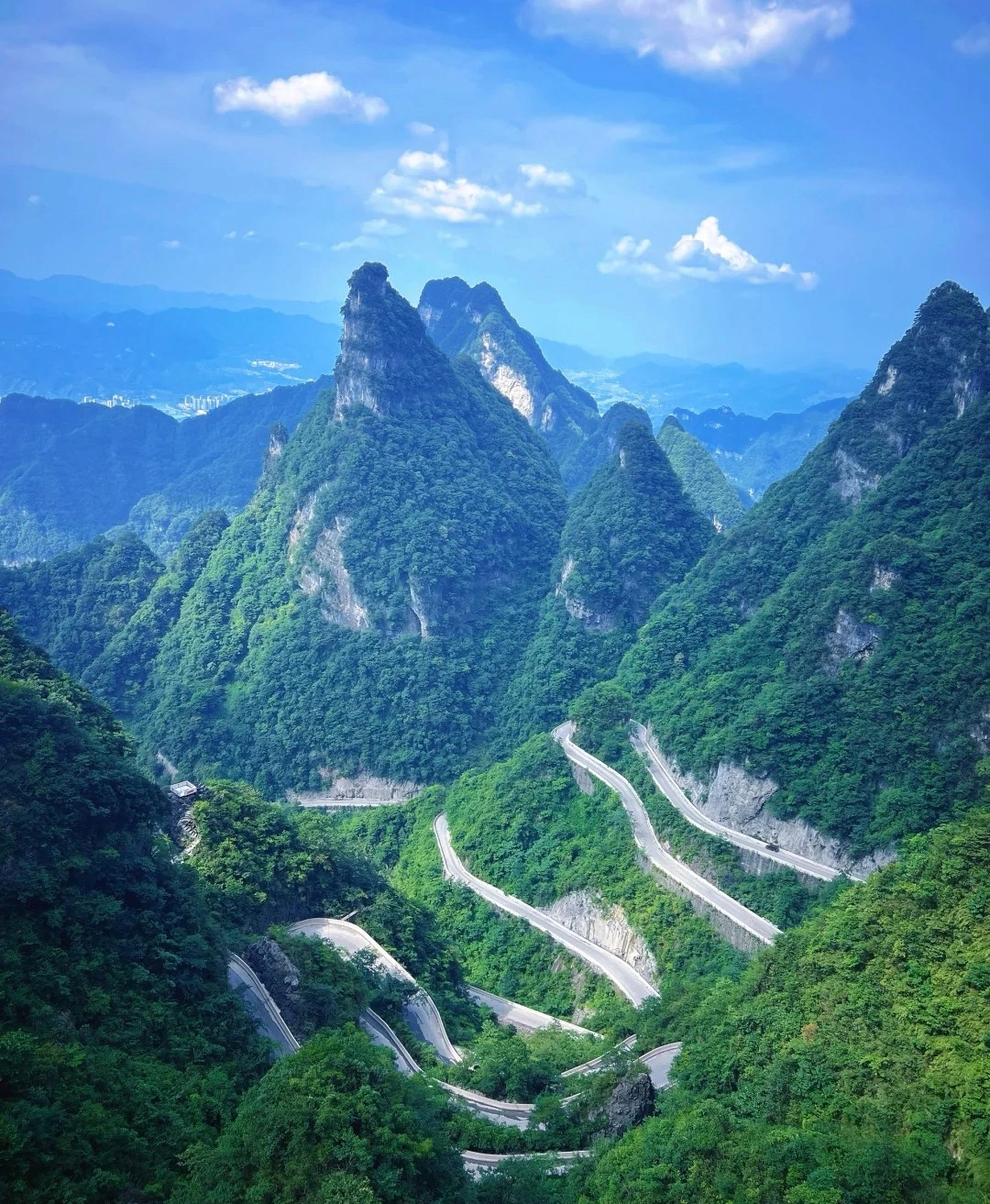
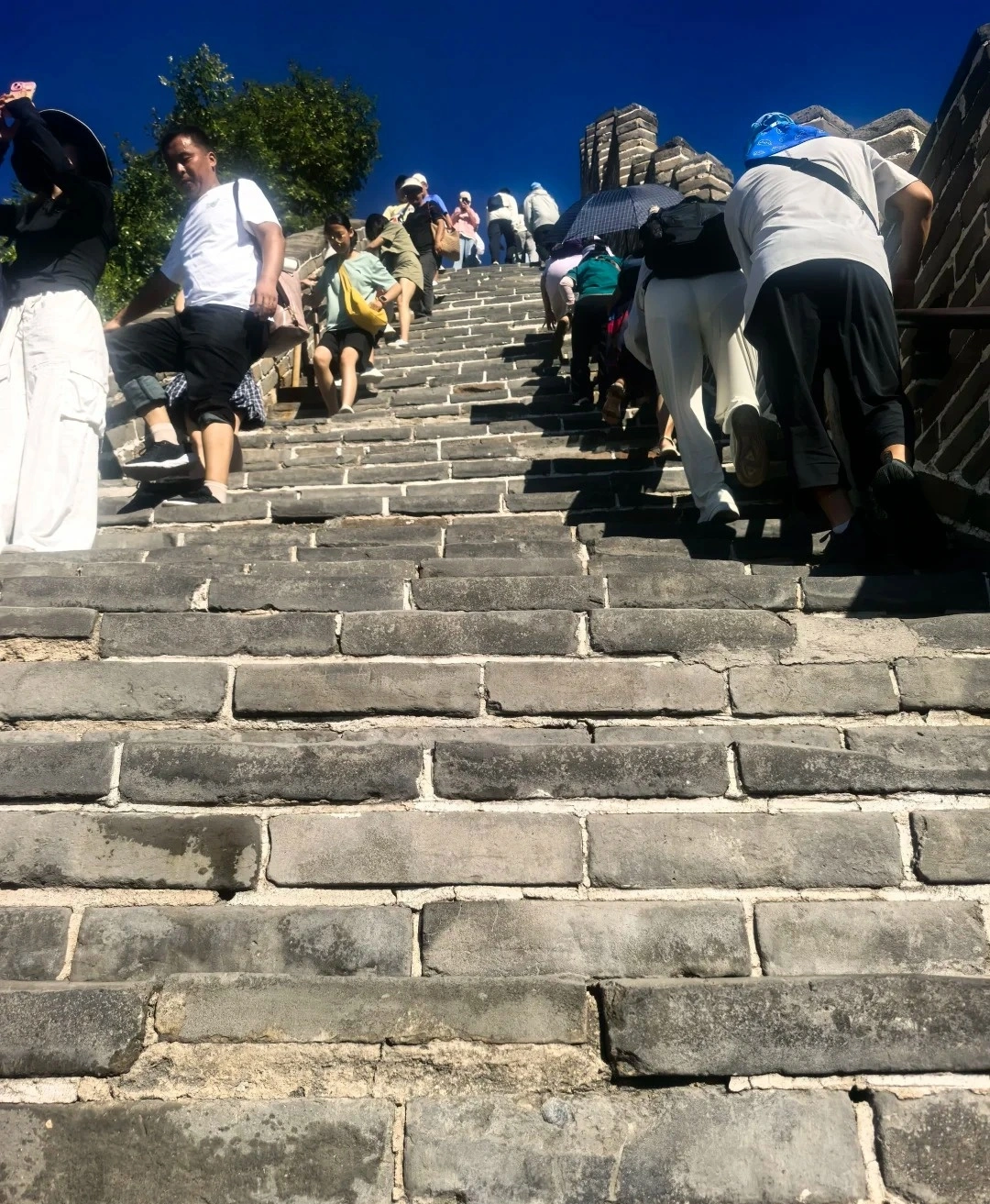
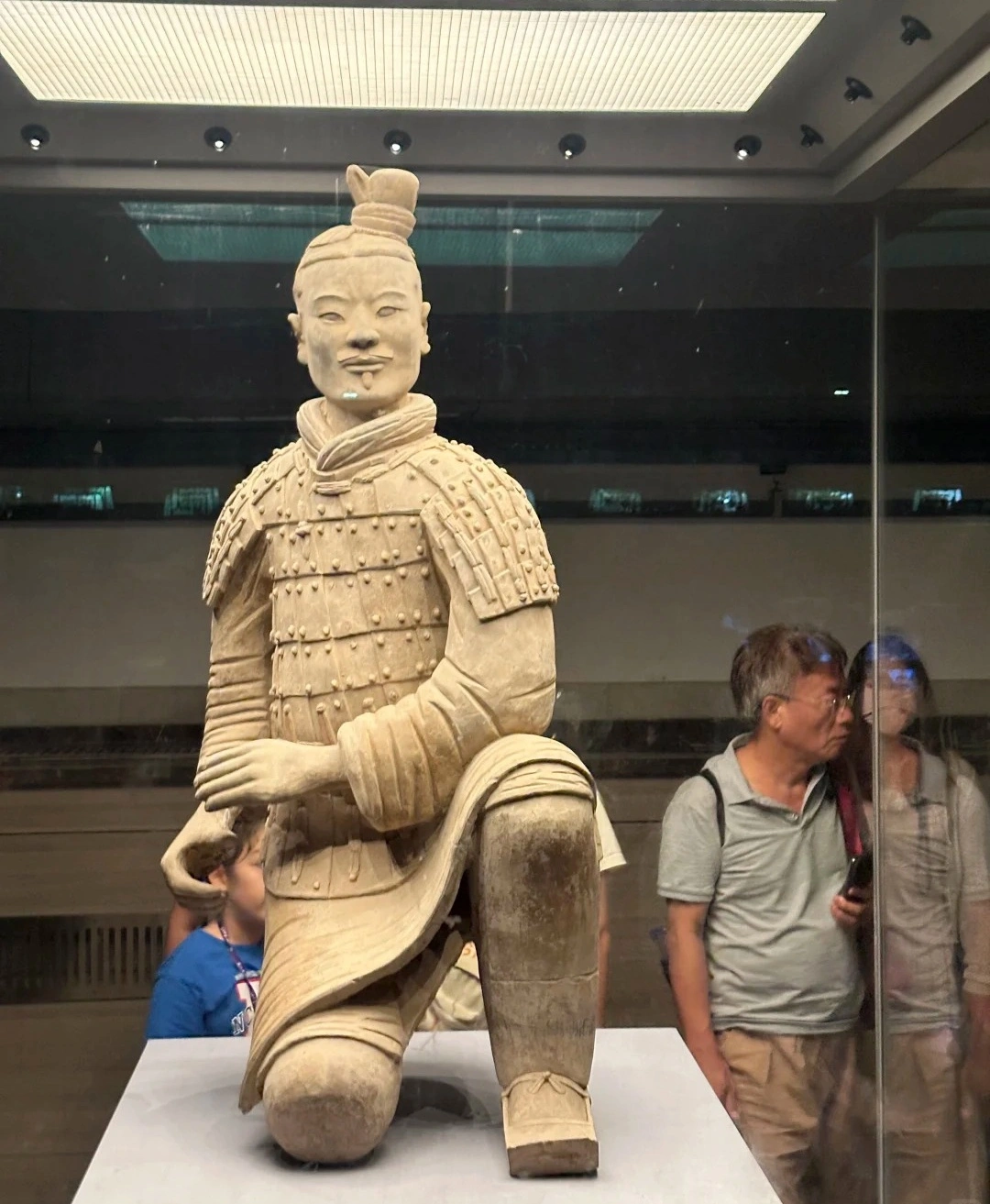
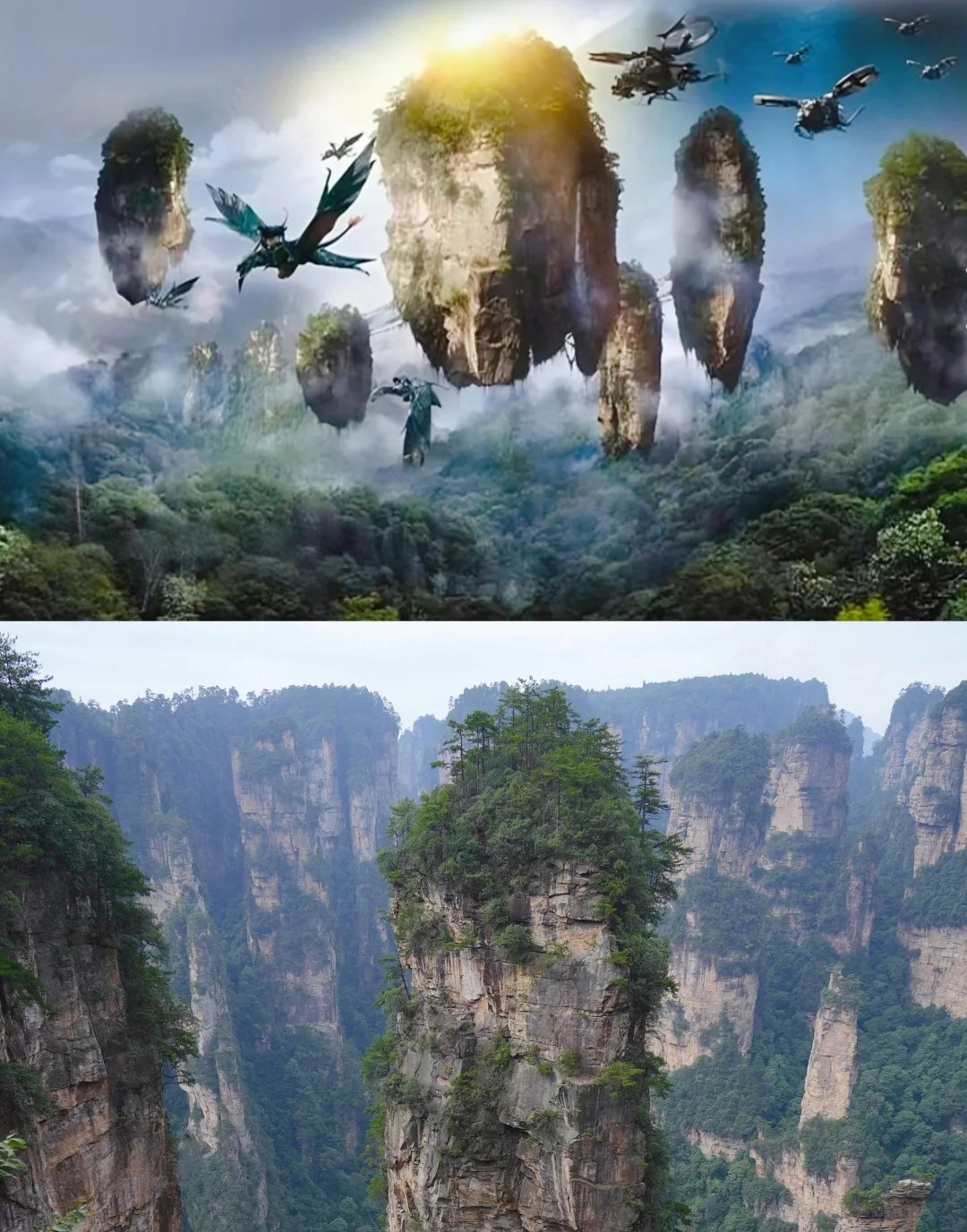
As a solo traveler from Canada, I was nervous about navigating China alone—but this 11-day tour was PERFECT! From hiking the Great Wall at sunrise (Day 3) to gasping at the Terracotta Army (Day 5), every day delivered ‘pinch-me’ moments. The real showstopper? Zhangjiajie’s Avatar Mountains (Day 7)! Our guide made the stone pillars come alive with stories.
Massive thanks for handling all logistics—bullet train tickets, entry passes, car! And the 4-star hotels surprised me.
Destination(s):
Beijing Xian Zhangjiajie Shanghai
Date of
Experience:
June 02,2025

Simon
America
Reviewed on May 29,2025
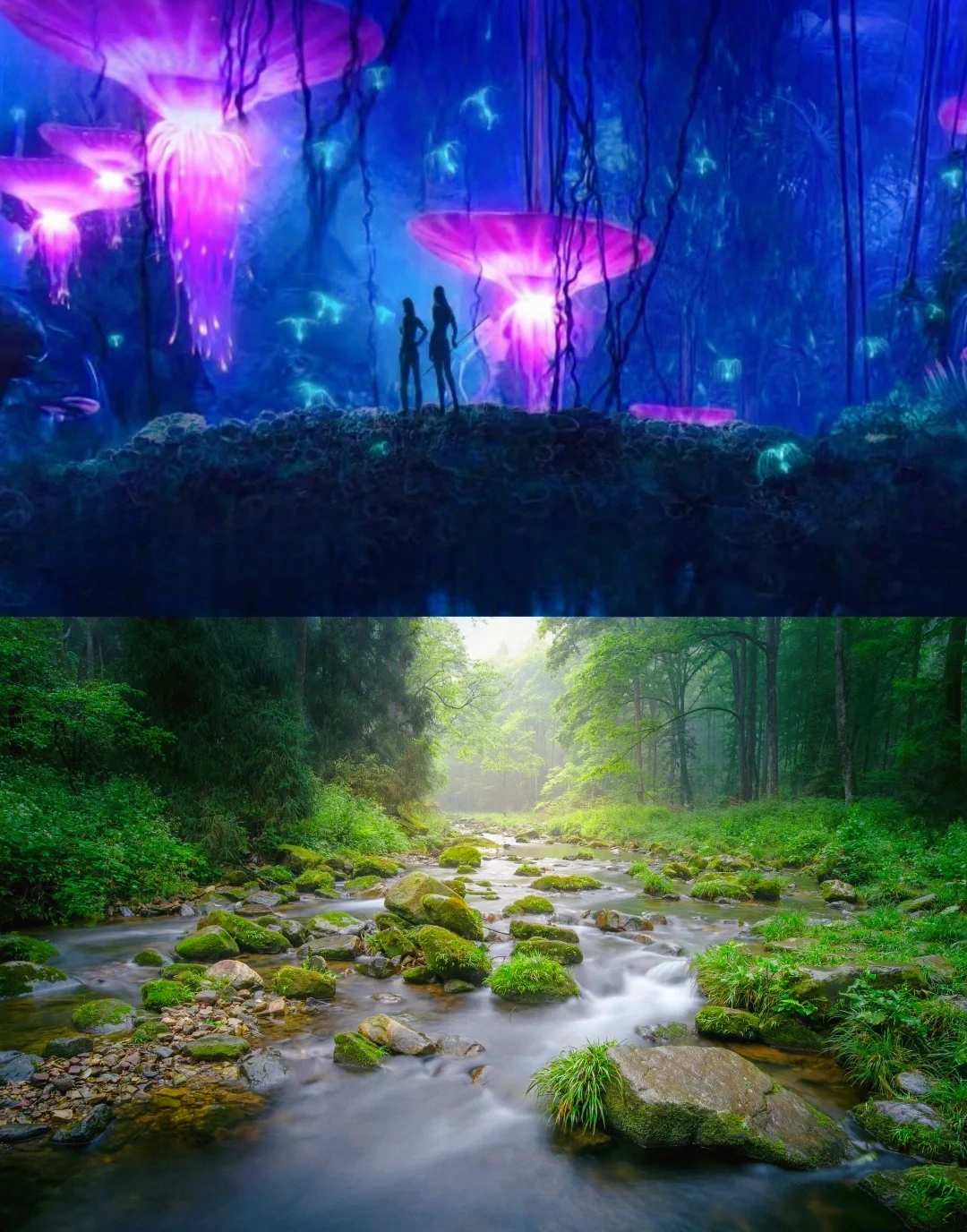
Our 2-day Zhangjiajie tour was beyond spectacular! As someone who’s visited Beijing and Shanghai for work, this trip revealed China’s wild, magical heart. Day 1 in Zhangjiajie National Forest Park felt like stepping onto Pandora—I’m a huge Avatar fan, and Yuanjiajie’s floating peaks left me breathless. The misty pillars and lush valleys like pure movie magic!
Then came Fenghuang Ancient Town, we eat dinner beside the thundering waterfall. It seems Unreal! The night views of stilt houses glowing over the river were straight from a fairy tale.
For fellow Avatar lovers and adventure seekers: Don’t miss this bucket-list experience! 10/10 would return.
A Well-Traveled Film Buff, May 2025
Destination(s):
Zhangjiajie
Date of
Experience:
May 08,2025
Q & A
Asked by Sofia Vargas from Chile | April 27,2026 09:59
Chengdu
Lo de limpiarse las orejas en el parque de Chengdu, ¿es raro o duele? Me da curiosidad pero no sé si es como para turistas no más o la gente local lo hace de verdad.
Asked by Ben Carter from UK | April 24,2026 15:50
Doing the panda base in Chengdu.
How early do we actually need to get there to see them awake and active? Not dragging myself out of bed at dawn for a sleeping panda.