
Yaowang Mountain
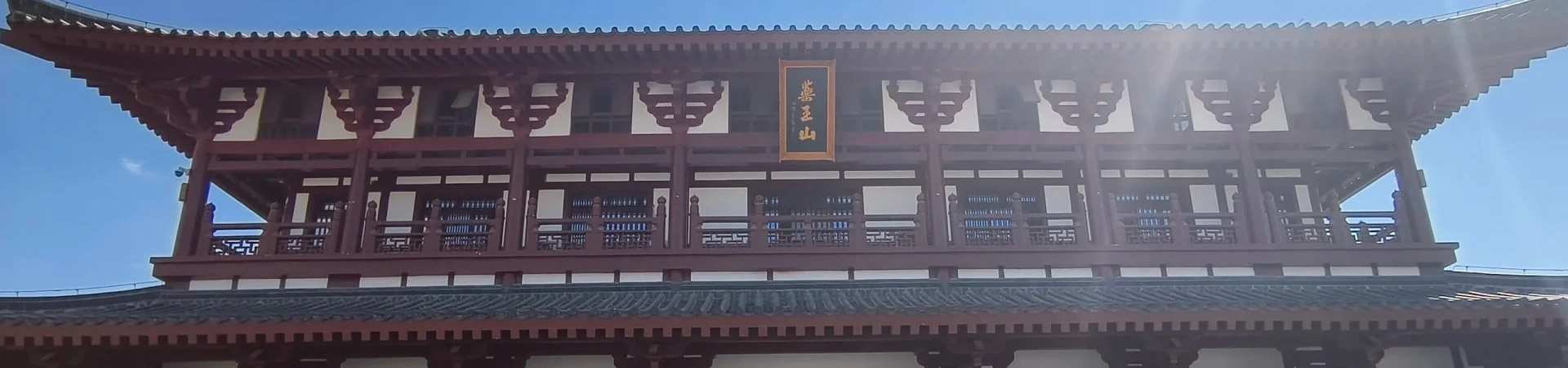
Yaowang Mountain, located in Shaanxi Province, is a place steeped in rich history and cultural significance. Renowned as a sacred site associated with traditional Chinese medicine and the legendary "Medicine King," it has attracted countless visitors over the centuries. This guide will take you through the various aspects of Yaowang Mountain, from its historical background to practical travel tips, ensuring you have an unforgettable experience.
Historical Overview
The history of Yaowang Mountain can be traced back to ancient times. It has long been a revered place in Chinese culture, especially in the field of traditional medicine. The mountain is closely linked to Sun Simiao, a renowned physician in the Tang Dynasty who was honored as the "Medicine King." Over the years, numerous temples, shrines, and memorial halls have been built on the mountain to commemorate his contributions to medicine. These structures have stood the test of time, witnessing the development and evolution of Chinese medical culture. Some of the ancient buildings have been carefully renovated and preserved, allowing visitors to appreciate the architectural styles of different dynasties and the profound medical heritage they represent.
Structural Layout
Yaowang Mountain features a well - planned structural layout that harmoniously blends with its natural landscape. The mountain is divided into several distinct areas, each with its own unique charm. At the base of the mountain, you'll find the entrance area, which includes ticket offices, visitor centers, and parking lots. As you ascend the mountain, a network of winding paths unfolds before you, leading you to various scenic spots and historical sites. The temples and shrines are strategically placed on elevated terraces or amidst lush valleys, creating a serene and mystical atmosphere. Key structures such as the main halls of the temples are often adorned with exquisite carvings and vibrant paintings, showcasing the high - level craftsmanship of ancient artisans.
Major Attractions
Medicine King Temple
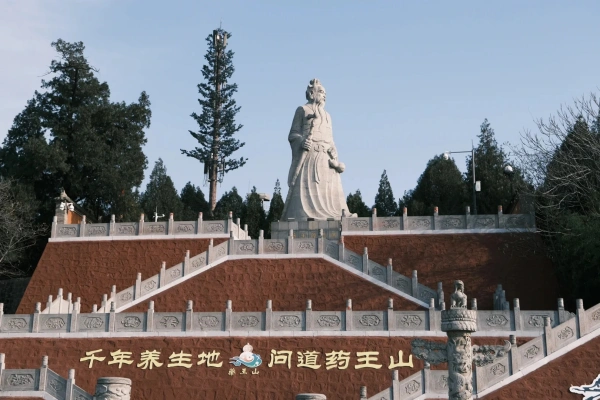
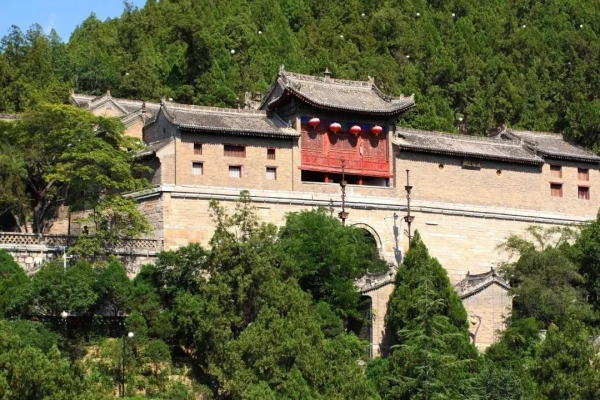
This is the most iconic and significant temple on Yaowang Mountain. Dedicated to Sun Simiao, the Medicine King, it has a long - standing history and is a focal point for medical pilgrims and tourists alike. The temple complex consists of multiple halls, including the Hall of Sun Simiao, where a lifelike statue of the Medicine King is enshrined. Inside the halls, you can see detailed statues of other famous physicians in Chinese history, as well as precious medical artifacts and ancient medical books. The temple also boasts beautiful gardens with a variety of medicinal herbs, providing a peaceful environment for reflection and learning.
Ascending - the - Heaven Stairs
As the name suggests, these stairs seem to lead straight to the heavens. Climbing the Ascending - the - Heaven Stairs is a challenging yet rewarding experience. The stairs are steep and winding, with a total of over a thousand steps. Along the way, you'll be surrounded by lush greenery and can enjoy panoramic views of the surrounding mountains and valleys. At the top of the stairs, you'll reach a high - altitude platform that offers breathtaking vistas, making all the effort worthwhile.
Herbal Medicine Garden
This is a paradise for those interested in traditional Chinese medicine. The garden is home to a vast collection of medicinal herbs, some of which are rare and endangered species. You can stroll through the garden, observing the different shapes, colors, and scents of the herbs. There are also information boards next to each plant, providing detailed descriptions of their medicinal properties and usage. It's a great opportunity to learn about the rich diversity of Chinese herbal medicine.
Sun Simiao Memorial Hall
Located near the top of the mountain, the Sun Simiao Memorial Hall is a grand building that pays tribute to the life and achievements of the Medicine King. The hall displays a large number of historical documents, paintings, and sculptures related to Sun Simiao. Through these exhibits, you can gain a deeper understanding of his medical theories, treatment methods, and his contributions to the development of traditional Chinese medicine. The hall also hosts regular cultural activities and lectures, allowing visitors to further explore the world of Chinese medicine.
Suggested Itineraries
Half - Day Classic Route (3 - 4 hours)
Start at the mountain entrance → Purchase tickets and enter the scenic area → Visit the Herbal Medicine Garden to learn about traditional Chinese herbs → Proceed to the Medicine King Temple, explore the main halls and gardens → Climb a short section of the Ascending - the - Heaven Stairs for a view → Descend the mountain.
Highlights: Get a quick overview of the mountain's main attractions, including the medical - themed sites and a taste of the natural beauty.
One - Day Extended Route (6 - 8 hours)
Begin at the entrance → Take a leisurely walk through the Herbal Medicine Garden, spending time observing and learning about the herbs → Visit the Medicine King Temple in detail, exploring all the halls and attending any cultural activities if available → Have a picnic lunch near the temple or at a designated picnic area → Climb the Ascending - the - Heaven Stairs to the top platform and enjoy the panoramic view → Visit the Sun Simiao Memorial Hall to delve deeper into the history of Chinese medicine → Return to the entrance.
Highlights: A comprehensive exploration of Yaowang Mountain, combining cultural, historical, and natural elements, with a challenging hike up the stairs.
Two - Day Comprehensive Route
Day 1: Arrive at the mountain and check into a nearby hotel or guesthouse. In the afternoon, visit the Herbal Medicine Garden and the Medicine King Temple, taking your time to appreciate the details of the architecture and the exhibits. In the evening, enjoy a local dinner and experience the local culture.
Day 2: Start early in the morning and climb the Ascending - the - Heaven Stairs to catch the sunrise and enjoy the fresh mountain air. After breakfast, visit the Sun Simiao Memorial Hall and participate in any educational activities or lectures. Spend the rest of the afternoon exploring other minor scenic spots on the mountain or simply relaxing in the peaceful surroundings. In the late afternoon, descend the mountain and reflect on your wonderful experience.
Highlights: A relaxed and in - depth exploration of Yaowang Mountain, allowing you to fully immerse yourself in its beauty, culture, and history.
Ticket Purchase
Online
You can book tickets for Yaowang Mountain through various online travel platforms or the official website of the scenic area. Online booking offers several advantages, such as discounts, the ability to choose the date and time of your visit in advance, and the convenience of avoiding long queues at the ticket office. Simply search for "Yaowang Mountain tickets" on your preferred platform, follow the instructions to make a reservation, and receive your e - tickets.
On - Site
Tickets are also available for purchase at the ticket office located at the mountain entrance. However, during peak tourist seasons, such as holidays and weekends, there may be long lines. To save time, it's adVisable to arrive early. The ticket office accepts both cash and electronic payments.
Prices
The ticket price for adults usually ranges from ¥60 - ¥100, depending on the season and any special events. There are often discounts for students, seniors, and children. Students need to present their valid student IDs, while seniors may need to show proof of age, such as an ID card. The specific prices and discount policies may vary, so it's best to check the official website or contact the scenic area in advance.
By Bus
You can take a long - distance bus from major cities in Shaanxi Province, such as Xi'an, to the nearest town to Yaowang Mountain. Once you arrive at the town, you can transfer to a local bus that will take you directly to the mountain entrance. The bus schedules may vary depending on the season and demand, so it's recommended to check the timetables in advance.
By Taxi
If you are traveling in a small group or prefer a more convenient option, taking a taxi directly from the city to Yaowang Mountain is a good choice. Make sure to negotiate the fare with the driver before getting in the taxi. You can ask the driver for an estimated fare based on the distance and traffic conditions.
Self - driving
If you have your own vehicle, driving to Yaowang Mountain is a flexible option. There is usually a parking lot near the mountain entrance, providing convenient parking facilities. Before setting off, make sure your vehicle is in good condition and check the road conditions and traffic information. You can use a navigation app to guide you to the destination.
Best Time & Tips
Best Time
The best time to visit Yaowang Mountain is in spring (April - May) and autumn (September - October). During these seasons, the weather is mild and pleasant, with comfortable temperatures and clear skies. The mountains are covered with lush greenery in spring and colorful foliage in autumn, creating a picturesque landscape. Summers can be hot and humid, especially at lower altitudes, so be prepared with sunscreen, a hat, and plenty of water. Winters are cold, and there may be snow on the mountain, which can make the paths slippery. If you visit in winter, dress warmly and wear appropriate footwear.
Peak Hours
Try to avoid visiting during the peak hours of 10 AM - 2 PM, as the mountain can be crowded with tourists. It's better to arrive early in the morning when the scenic area opens or later in the afternoon. This way, you can enjoy a more peaceful and relaxing experience, and have better opportunities for photography without too many people in the background.
Essentials
Wear comfortable hiking shoes as you will be doing a lot of walking on the mountain, especially if you plan to climb the Ascending - the - Heaven Stairs. Bring sunscreen, a hat, and sunglasses to protect yourself from the sun. In summer, carry plenty of water to stay hydrated, and consider bringing some snacks for energy. If you visit in winter, wear warm clothing, including a heavy coat, gloves, and a scarf.
Photography
Photography is allowed at Yaowang Mountain, but be respectful of the religious sites and other visitors. When taking photos inside the temples, avoid using flash photography to protect the ancient artifacts and paintings. Also, be mindful of other people's privacy and do not block their way while taking pictures.
Prohibited Items
Selfie sticks, drones, and large bags may be prohibited in some areas of the mountain, especially near the temples and sensitive cultural sites. Check the scenic area's regulations in advance to avoid any inconvenience. It's also important to follow the instructions of the staff and respect the environmental protection rules of the mountain.
Contact Us
What Our Clients Say?
Based on 10,000+ traveler reviews

Daniel Dorothea
Canada
Reviewed on April 29,2025
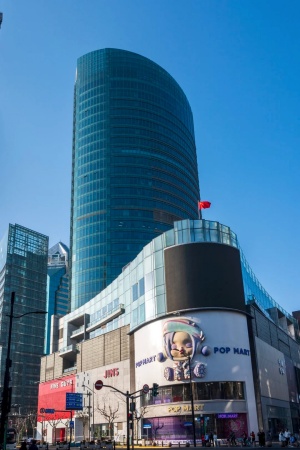
Shopping on Nanjing Road in Shanghai was just amazing! It's truly the "First Commercial Street of China", where tradition and modernity blend perfectly. You can find awesome souvenirs and experience the trendy vibes in cool stores. The neon lights at night are just spectacular, shining bright like Times Square in New York. The food here is incredible too. I had a feast for my taste buds. Shanghai, I'll definitely be back!
Destination(s):
Shanghai
Date of
Experience:
May 08,2024

Elvis Eva
Canada
Reviewed on June 20,2025
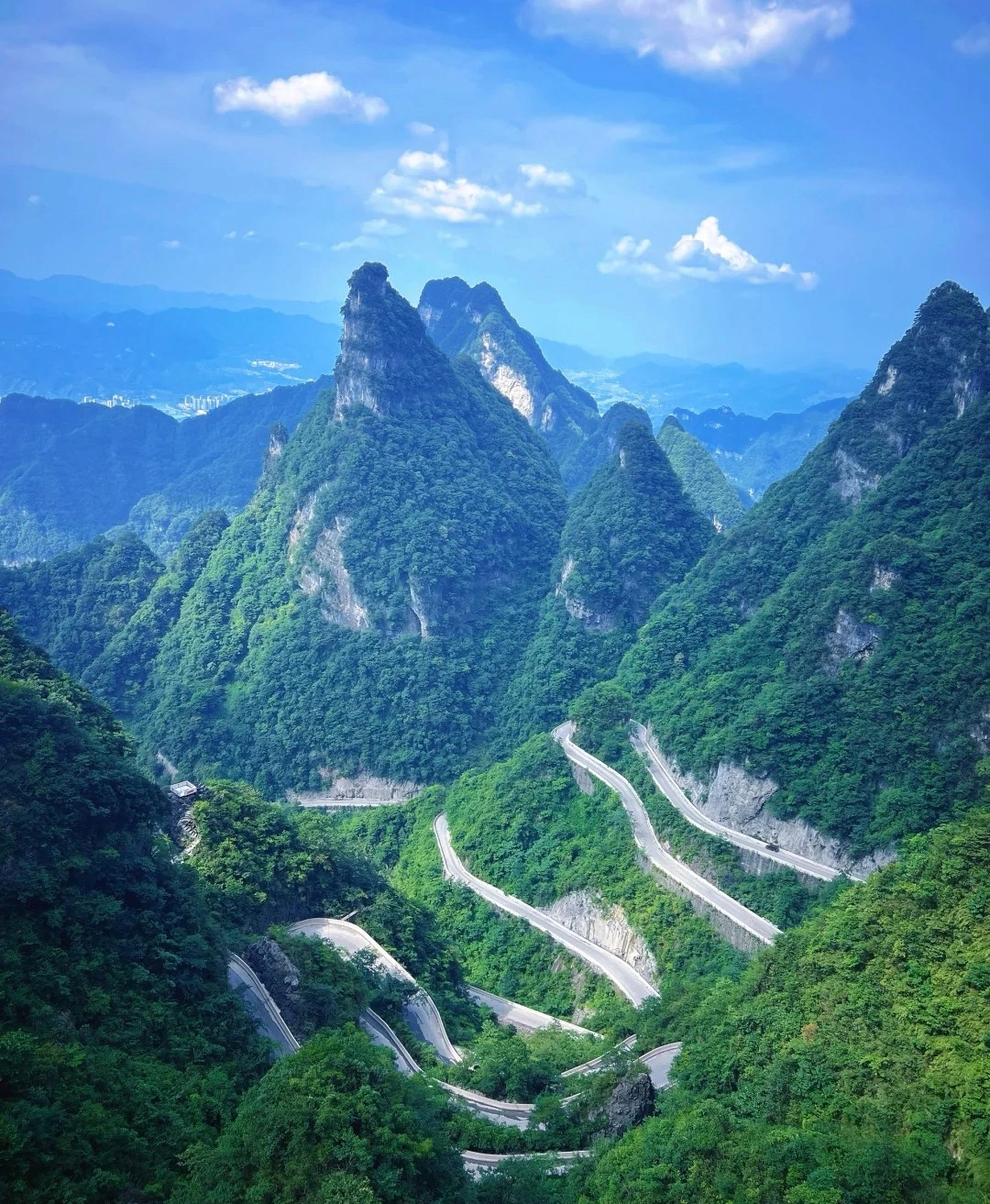
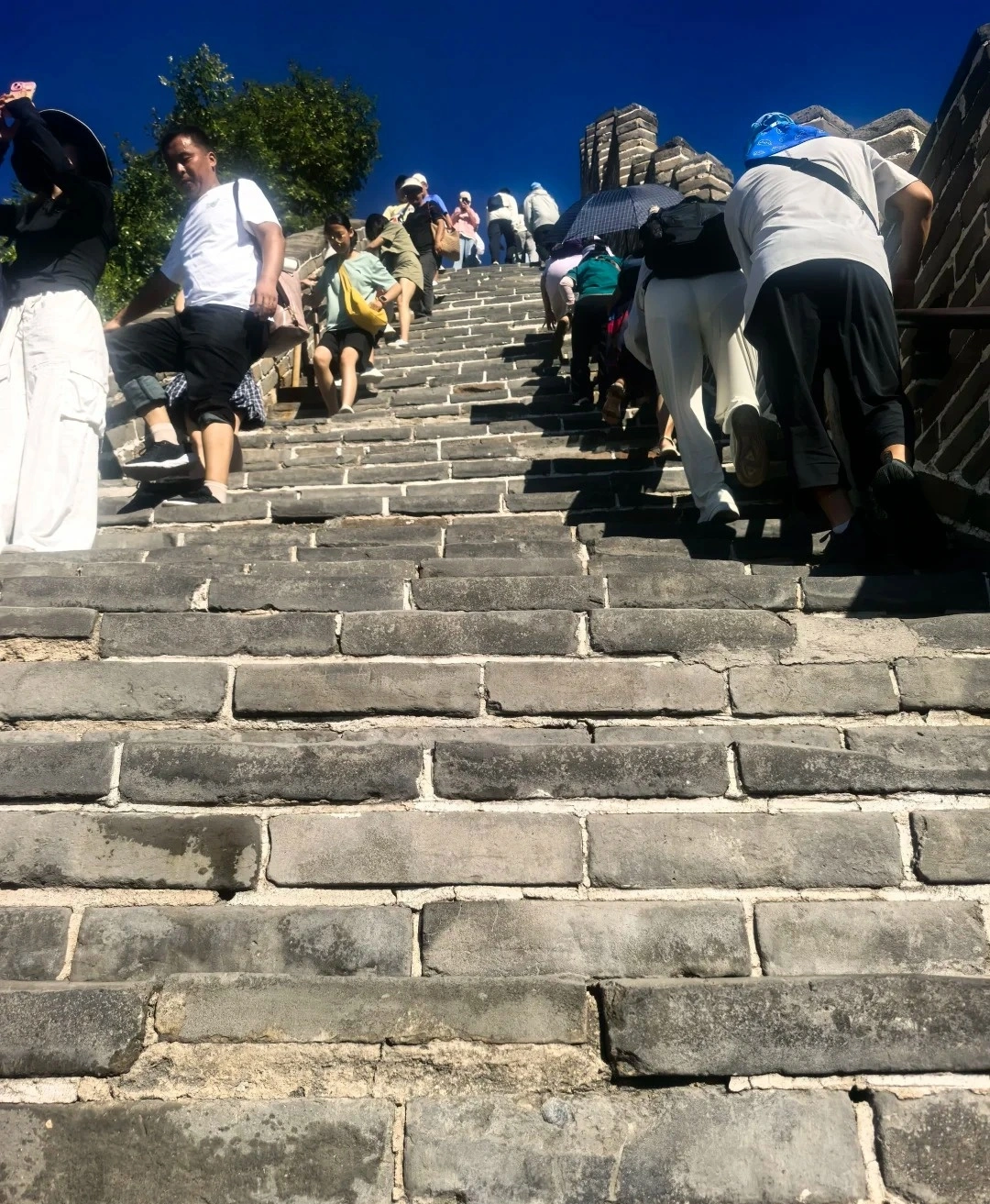
As a solo traveler from Canada, I was nervous about navigating China alone—but this 11-day tour was PERFECT! From hiking the Great Wall at sunrise (Day 3) to gasping at the Terracotta Army (Day 5), every day delivered ‘pinch-me’ moments. The real showstopper? Zhangjiajie’s Avatar Mountains (Day 7)! Our guide made the stone pillars come alive with stories.
Massive thanks for handling all logistics—bullet train tickets, entry passes, car! And the 4-star hotels surprised me.
Destination(s):
Beijing Xian Zhangjiajie Shanghai
Date of
Experience:
June 02,2025

Simon
America
Reviewed on May 29,2025
Our 2-day Zhangjiajie tour was beyond spectacular! As someone who’s visited Beijing and Shanghai for work, this trip revealed China’s wild, magical heart. Day 1 in Zhangjiajie National Forest Park felt like stepping onto Pandora—I’m a huge Avatar fan, and Yuanjiajie’s floating peaks left me breathless. The misty pillars and lush valleys like pure movie magic!
Then came Fenghuang Ancient Town, we eat dinner beside the thundering waterfall. It seems Unreal! The night views of stilt houses glowing over the river were straight from a fairy tale.
For fellow Avatar lovers and adventure seekers: Don’t miss this bucket-list experience! 10/10 would return.
A Well-Traveled Film Buff, May 2025
Destination(s):
Zhangjiajie
Date of
Experience:
May 08,2025