
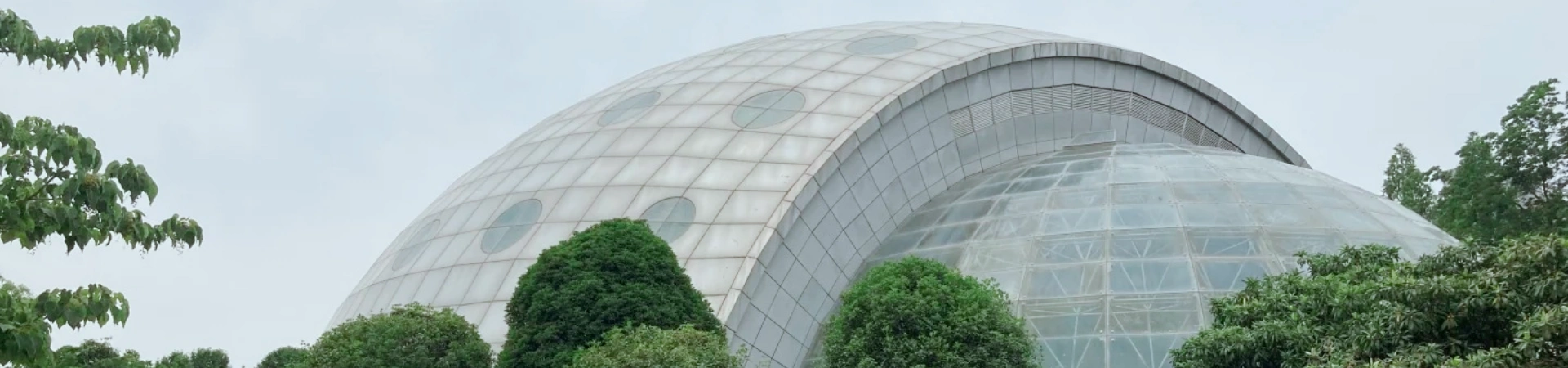
Northwest A&F University Expo Park
Discover the wonders of Nangong Mountain, a gem near Northwest A&F University Expo Park. This comprehensive guide covers its rich history, well - planned layout, top attractions, itineraries, ticket info, transport options, and essential tips for an amazing trip.
Historical Overview
The mountain's history is a tapestry woven over centuries. It holds a special place in local folklore and religious beliefs, having served as a spiritual retreat for monks and hermits in ancient times. Over the years, numerous temples and shrines have been erected, becoming hubs for religious activities and cultural exchanges. These structures have stood the test of time, witnessing dynastic changes. Some have been carefully renovated, allowing visitors to appreciate their architectural grandeur and historical significance.
Structural Layout
Nangong Mountain boasts a well - thought - out structural layout that harmonizes with its natural terrain. Divided into distinct areas, it starts with entrance gates and visitor centers at the foot, providing information and services. As you ascend, winding paths lead to various scenic spots and temples. The temples are strategically placed on elevated platforms or in secluded valleys, creating an atmosphere of tranquility and mystery. Key structures like temple main halls feature intricate carvings and vibrant paintings, showcasing the high - level craftsmanship of the past.
Major Attractions
Nangong Temple: One of the most renowned temples on the mountain, it has a long - standing history and is dedicated to a local deity. The temple complex comprises several halls, including the Hall of the Heavenly Kings and the Main Buddha Hall. Inside, detailed statues of deities and Buddhist monks are on display, along with beautiful gardens and pavilions for meditation and relaxation.
Cloud - Piercing Peak: True to its name, this peak seems to reach into the clouds. At the top, you're treated to a breathtaking panoramic view of the surrounding mountains and valleys. The journey there is an adventure, with steep steps and narrow paths passing through dense forests and offering encounters with wild plants and animals.
Fairy Cave: Legend has it that fairies once inhabited this cave. Filled with oddly - shaped stalactites and stalagmites, it creates a magical underground world, like stepping into a fairy tale.
Sea of Clouds Viewing Platform: On clear days, especially in the early morning or late afternoon, this platform offers a spectacular sight of a sea of clouds. The clouds roll and surge like waves, covering the valleys below and creating a dreamy atmosphere, perfect for photography enthusiasts.
Suggested Itineraries
Half - Day Classic Route (3 - 4 hours): Start at the mountain entrance, take the cable car or hike to Nangong Temple, visit the main halls and enjoy the temple gardens, then proceed to the Sea of Clouds Viewing Platform, and finally descend the mountain. This route allows you to experience the religious and cultural aspects of the mountain and enjoy the beautiful scenery from the viewing platform.
One - Day Extended Route (6 - 8 hours): Begin at the entrance, hike through forest trails to Cloud - Piercing Peak, have a picnic lunch near the peak, visit Fairy Cave on the way down, stop by Nangong Temple for an in - depth exploration, and return to the entrance. It offers a comprehensive exploration of the mountain's natural and cultural attractions, including a challenging hike and an underground adventure.
Two - Day Comprehensive Route: On Day 1, arrive at the mountain, check into a nearby guesthouse, spend the afternoon visiting Nangong Temple and its surroundings to learn about local History and Culture, and enjoy the peaceful mountain village atmosphere in the evening. On Day 2, start early to hike to Cloud - Piercing Peak for the sunrise and sea of clouds, have breakfast, explore Fairy Cave and other minor scenic spots, and take your time descending the mountain in the afternoon to reflect on your experience. This route provides a relaxed and in - depth exploration of Nangong Mountain.
Ticket Purchase
Online: You can book tickets through various online travel platforms or the official website of the scenic area. Online booking often comes with discounts and allows you to choose your visit date and time in advance, helping you avoid long queues at the ticket office.
On - Site: Tickets are also available at the ticket office at the mountain entrance. However, during peak tourist seasons, long lines are common, so arriving early is adVisable.
Prices: Adult tickets usually range from ¥80 - ¥120, with discounts available for students, seniors, and children. Prices may vary depending on the season and local policies.
Transportation
By Bus: Take a long - distance bus from major cities in Shaanxi Province to the nearest town to Nangong Mountain, then transfer to a local bus or take a taxi to the mountain entrance.
By Taxi: For small groups or those preferring convenience, take a taxi directly from the city to Nangong Mountain. Remember to negotiate the fare in advance.
Self - driving: If you have your own vehicle, drive to Nangong Mountain. There is usually a parking lot near the entrance for convenient parking.
Best Time & Tips
Best Time: spring (April - May) and autumn (September - October) are the best times to visit. The weather is mild and pleasant, with clear skies and beautiful scenery. Summers are hot and humid, while winters are cold, so dress accordingly if visiting during these seasons.
Peak Hours: Avoid visiting between 10 AM - 2 PM as the mountain can be crowded. Arriving early in the morning when it opens or later in the afternoon is better.
Essentials: Wear comfortable hiking shoes as there will be a lot of walking. Bring sunscreen, a hat, and plenty of water, especially in summer. If planning a picnic, bring food and snacks.
Photography: Photography is allowed, but be respectful of religious sites and other visitors. Avoid using flash photography inside temples to protect ancient artifacts and paintings.
Prohibited Items: Selfie sticks, drones, and large bags may be prohibited in some areas. Check the scenic area's regulations in advance to avoid inconvenience.


Contact Us
What Our Clients Say?
Based on 10,000+ traveler reviews

Daniel Dorothea
Canada
Reviewed on April 29,2025
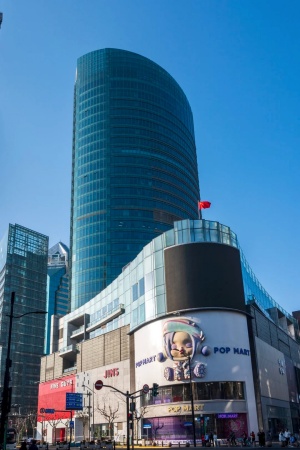
Shopping on Nanjing Road in Shanghai was just amazing! It's truly the "First Commercial Street of China", where tradition and modernity blend perfectly. You can find awesome souvenirs and experience the trendy vibes in cool stores. The neon lights at night are just spectacular, shining bright like Times Square in New York. The food here is incredible too. I had a feast for my taste buds. Shanghai, I'll definitely be back!
Destination(s):
Shanghai
Date of
Experience:
May 08,2024

Elvis Eva
Canada
Reviewed on June 20,2025
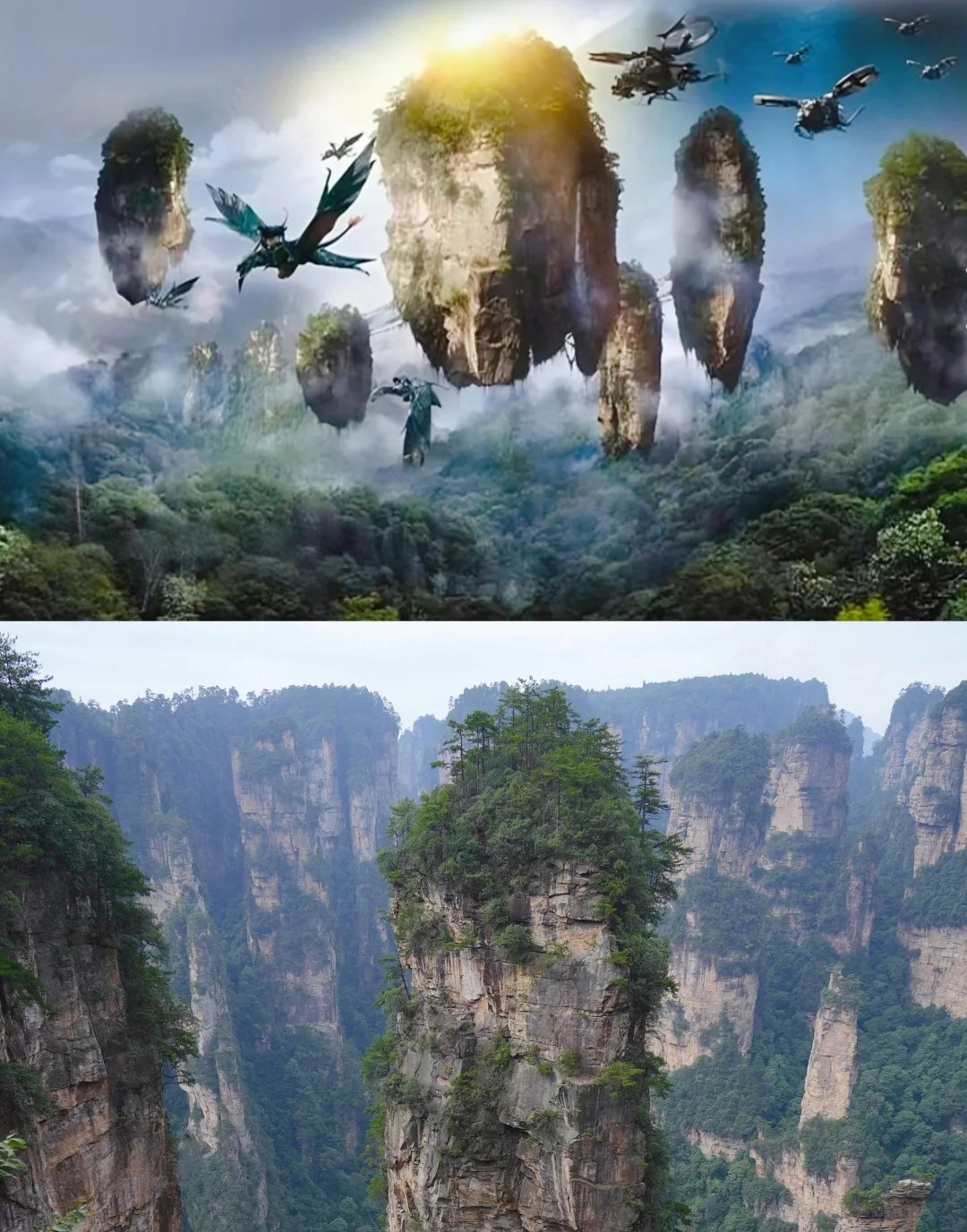
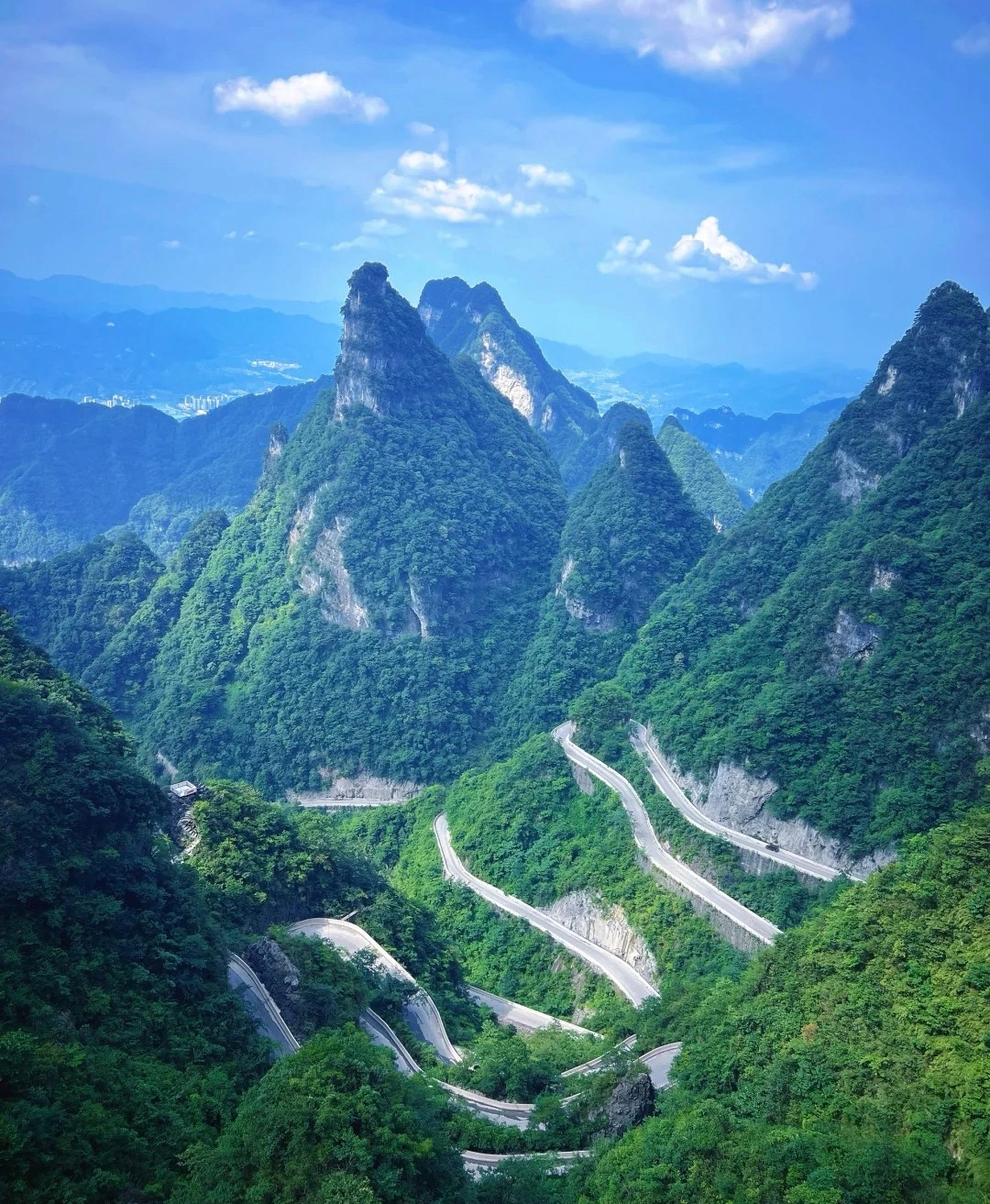
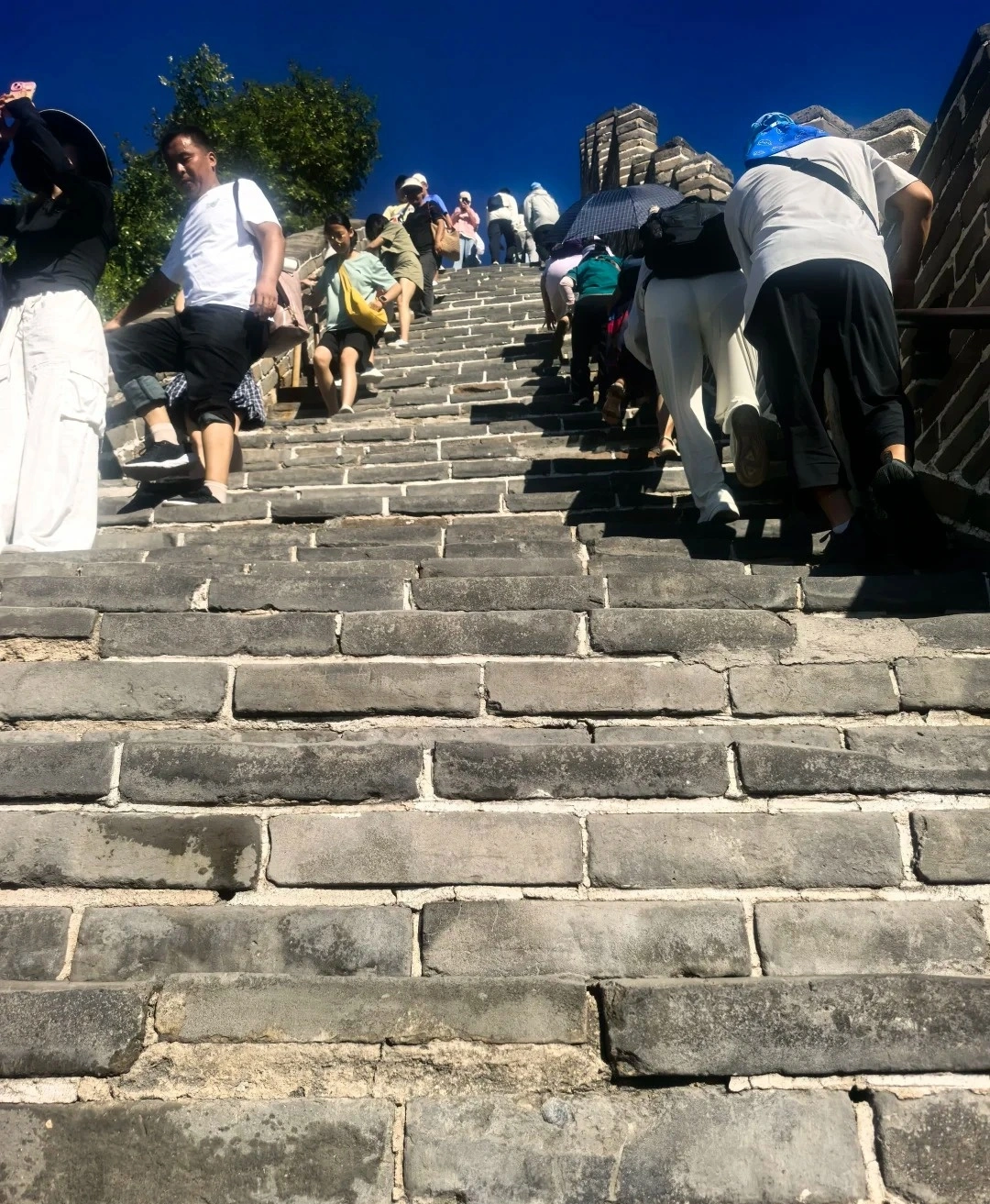
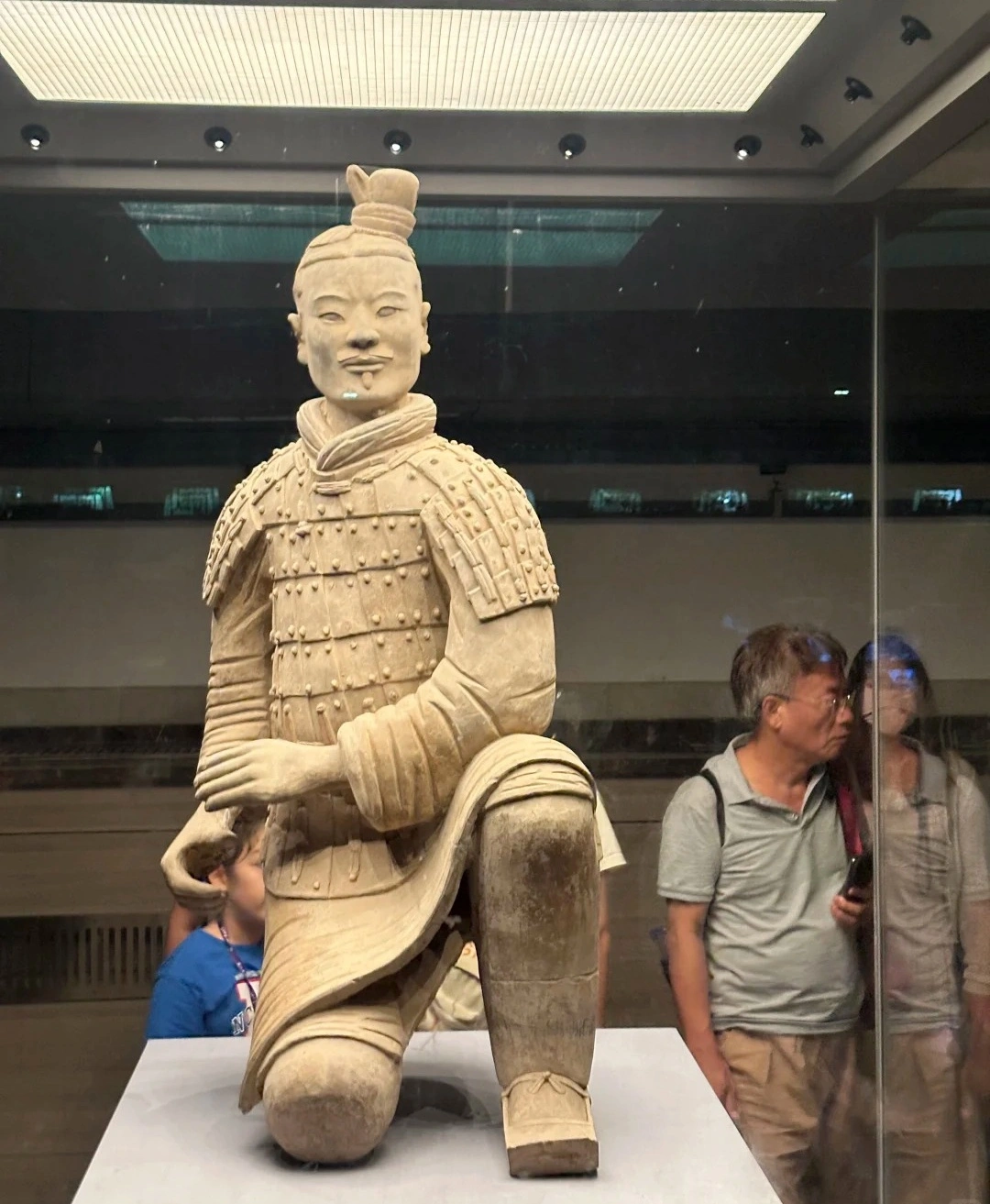
As a solo traveler from Canada, I was nervous about navigating China alone—but this 11-day tour was PERFECT! From hiking the Great Wall at sunrise (Day 3) to gasping at the Terracotta Army (Day 5), every day delivered ‘pinch-me’ moments. The real showstopper? Zhangjiajie’s Avatar Mountains (Day 7)! Our guide made the stone pillars come alive with stories.
Massive thanks for handling all logistics—bullet train tickets, entry passes, car! And the 4-star hotels surprised me.
Destination(s):
Beijing Xian Zhangjiajie Shanghai
Date of
Experience:
June 02,2025

Simon
America
Reviewed on May 29,2025
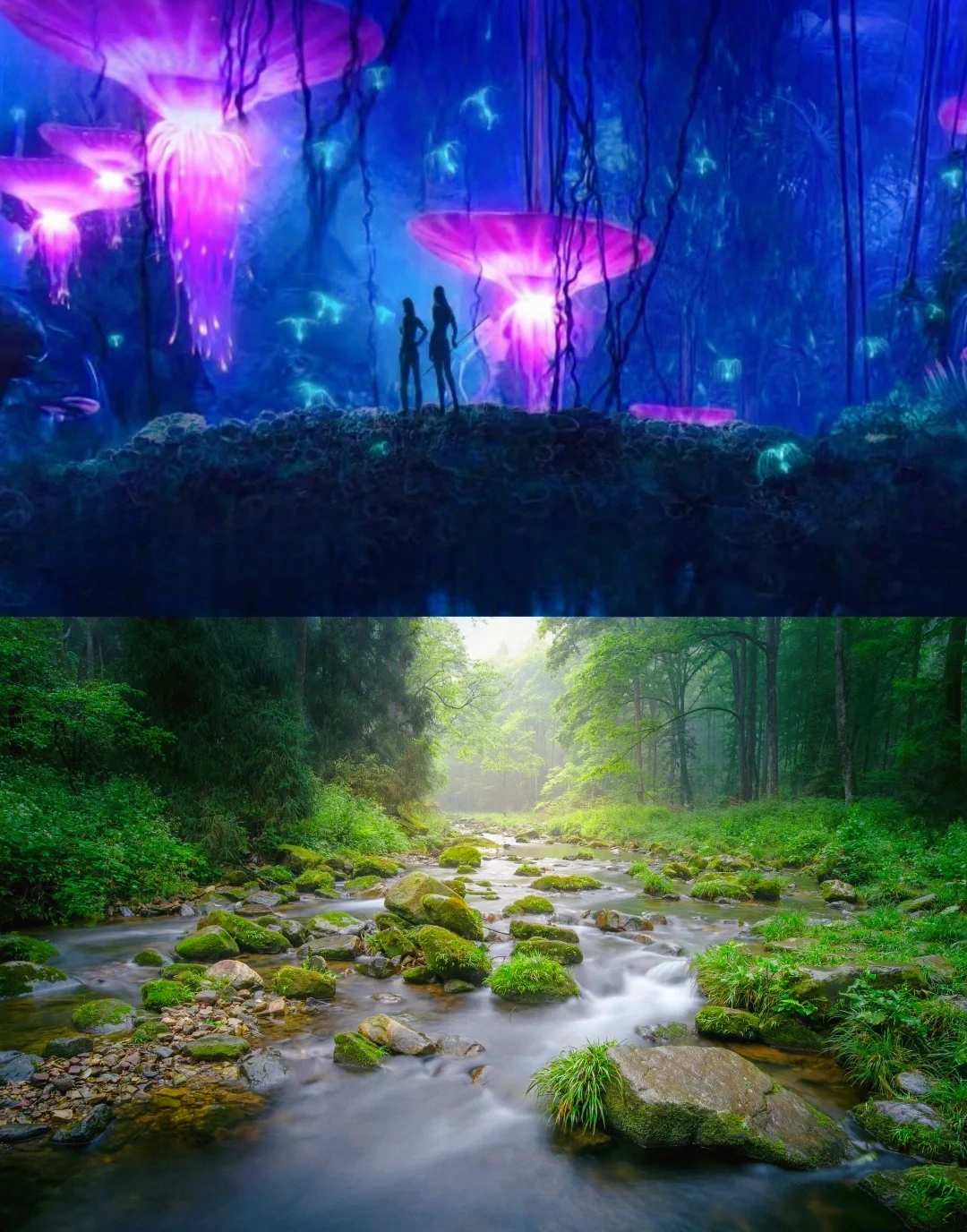
Our 2-day Zhangjiajie tour was beyond spectacular! As someone who’s visited Beijing and Shanghai for work, this trip revealed China’s wild, magical heart. Day 1 in Zhangjiajie National Forest Park felt like stepping onto Pandora—I’m a huge Avatar fan, and Yuanjiajie’s floating peaks left me breathless. The misty pillars and lush valleys like pure movie magic!
Then came Fenghuang Ancient Town, we eat dinner beside the thundering waterfall. It seems Unreal! The night views of stilt houses glowing over the river were straight from a fairy tale.
For fellow Avatar lovers and adventure seekers: Don’t miss this bucket-list experience! 10/10 would return.
A Well-Traveled Film Buff, May 2025
Destination(s):
Zhangjiajie
Date of
Experience:
May 08,2025