

Henan Museum
Henan Museum, founded in 1927 and relocated to its current 100,000-square-meter modern complex in 1998, is China’s first provincial museum and a national first-class museum. Situated in Zhengzhou, the ancient capital of the Shang Dynasty (1600–1046 BCE), it preserves over 170,000 relics, including 17 national treasures. The museum’s architecture, inspired by the shape of an ancient bronze ding cauldron, symbolizes Henan’s role as the "Cradle of Chinese Civilization." Highlights include the 9,000-year-old Jiahu bone flutes (world’s oldest playable instruments) and the Shang Dynasty’s Si Mu Wu Fang Ding (world’s heaviest ancient bronze artifact).
Historical Overview
- Foundation (1927): Established to protect relics unearthed during railway construction, marking China’s early efforts in cultural preservation.
- Relocation & Expansion (1998): Moved to a purpose-built facility in Zhengzhou, integrating modern exhibition technologies.
- UNESCO Recognition (2009): Joined the International Council of Museums (ICOM), enhancing global cultural exchange.
- Archaeological Milestones: Excavations at Erlitou (Xia Dynasty site) and Yin Xu (Shang Dynasty capital) supplied over 80% of the museum’s collections.
Structural Layout
The museum comprises three main sections:
- Basic Exhibition Hall: Chronological display from the Neolithic era to the Qing Dynasty, divided into eight galleries.
- Special Exhibition Halls: Rotating exhibits on topics like "Silk Road Relics" and "Ancient Chinese Music."
- Cultural Relic Protection Center: State-of-the-art labs for artifact restoration and research.
Key architectural features:
- Central Atrium: A 30-meter-tall glass dome symbolizing the "heavenly axis" of ancient Chinese cosmology.
- Bronze-Inspired Facade: Exterior walls mimic the taotie (mythical beast) patterns of Shang Dynasty bronze ware.
Major Attractions
- Jiahu Bone Flutes: Nine flutes carved from crane bones (c. 7000 BCE), offering insights into Neolithic music.
- Si Mu Wu Fang Ding: A 832.84-kg bronze ritual vessel from the late Shang Dynasty, inscribed with ancestral names.
- 妇好鸮尊 (Fu Hao Owl-Shaped Zun): A 19.5-kg bronze wine vessel shaped like an owl, excavated from the tomb of Fu Hao, a Shang Dynasty military leader.
- Cloud-Pattern Bronze Rest (Yunwen Tong): A 1,300-year-old Tang Dynasty artifact with intricate cloud motIFS.
- Golden Belt Hook (Jin Dai Gou): A 2,400-year-old gold accessory from the Warring States Period, showcasing lost-wax casting techniques.
- Tang Dynasty Tri-colored Glazed Pottery: Vibrant ceramic figurines depicting dancers, camels, and foreign envoys.
Suggested Itineraries
-
Classic Route (2–3 hours):
Entrance → Basic Exhibition Hall (Galleries 1–4: Neolithic to Han Dynasty) → Jiahu Bone Flutes → Fu Hao Owl Zun → Exit
Highlights: Foundational Chinese artifacts and Neolithic innovations. -
Extended Route (4–5 hours):
Entrance → Basic Exhibition Hall (Galleries 1–8) → Special Exhibit: "Ancient Chinese Music" → Cultural Relic Protection Center Tour → Exit
Highlights: Comprehensive history and behind-the-scenes conservation work. -
Comprehensive Route (Full Day):
Entrance → Basic Exhibition Hall → Special Exhibit: "Silk Road Treasures" → Guided Tour of Restoration Labs → Interactive Workshop (jade carving or bronze casting) → Exit
Highlights: Deep dive into cultural exchange and artisan traditions.
Ticket Purchase
- Entrance Fee: Free (advanced reservation required via official WeChat/website).
- Guided Tours: ¥200–400/group (up to 10 people), available in English/Chinese.
- Special Exhibits: ¥30–50 (separate ticket).
- Online: Book 7 days in advance via the museum’s website or "Henan Museum" WeChat mini-program.
- On-Site: Limited same-day tickets available; queues average 1 hour.
Transportation
- By Subway: Line 1 → Shuangyushu Station (Exit C), 10-minute walk.
- By Bus: Routes 23, 83, or 130 → Henan Museum Stop.
- By Taxi: Direct to "Henan Bowuyuan" (Henan Museum), 20 minutes from Zhengzhou East Railway Station.
- Parking: Free underground lot (400 spaces).
Best Time & Tips
- Optimal Seasons: April–June (mild weather), September–October (clear skies).
- Avoid Crowds: Visit weekdays; weekends host large school groups.
- Essentials:
- Book tickets 7 days in advance (daily limit: 12,000 visitors).
- Bring ID for on-site registration.
- Photography allowed (no flash in galleries).
- Prohibited Items: Food, drinks, large bags, and tripods.
- Cultural Tip: Download the museum’s AR app for augmented reality reconstructions of ancient rituals.


Contact Us
What Our Clients Say?
Based on 10,000+ traveler reviews

Daniel Dorothea
Canada
Reviewed on April 29,2025
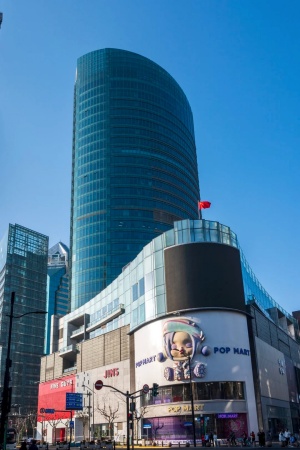
Shopping on Nanjing Road in Shanghai was just amazing! It's truly the "First Commercial Street of China", where tradition and modernity blend perfectly. You can find awesome souvenirs and experience the trendy vibes in cool stores. The neon lights at night are just spectacular, shining bright like Times Square in New York. The food here is incredible too. I had a feast for my taste buds. Shanghai, I'll definitely be back!
Destination(s):
Shanghai
Date of
Experience:
May 08,2024

Elvis Eva
Canada
Reviewed on June 20,2025
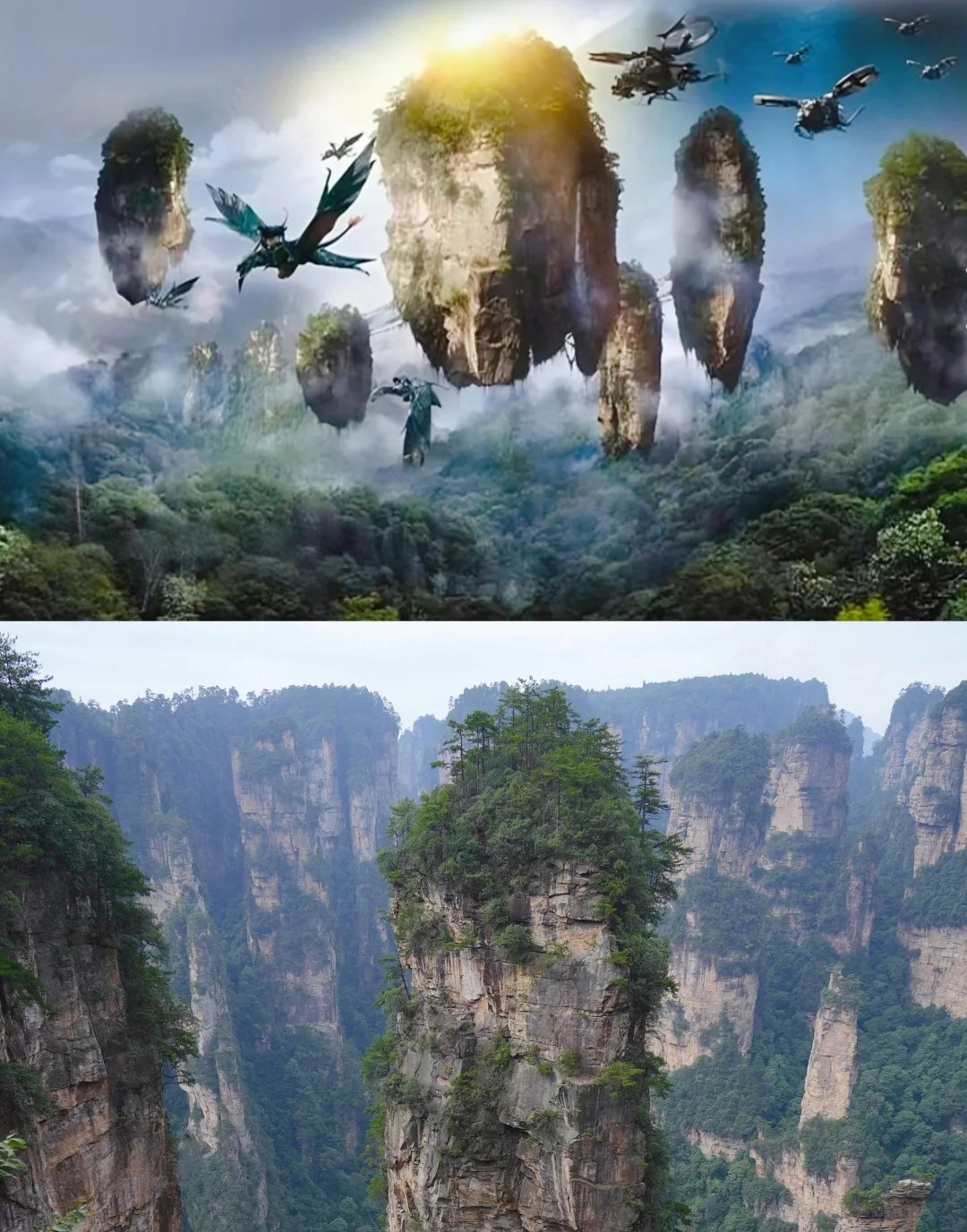
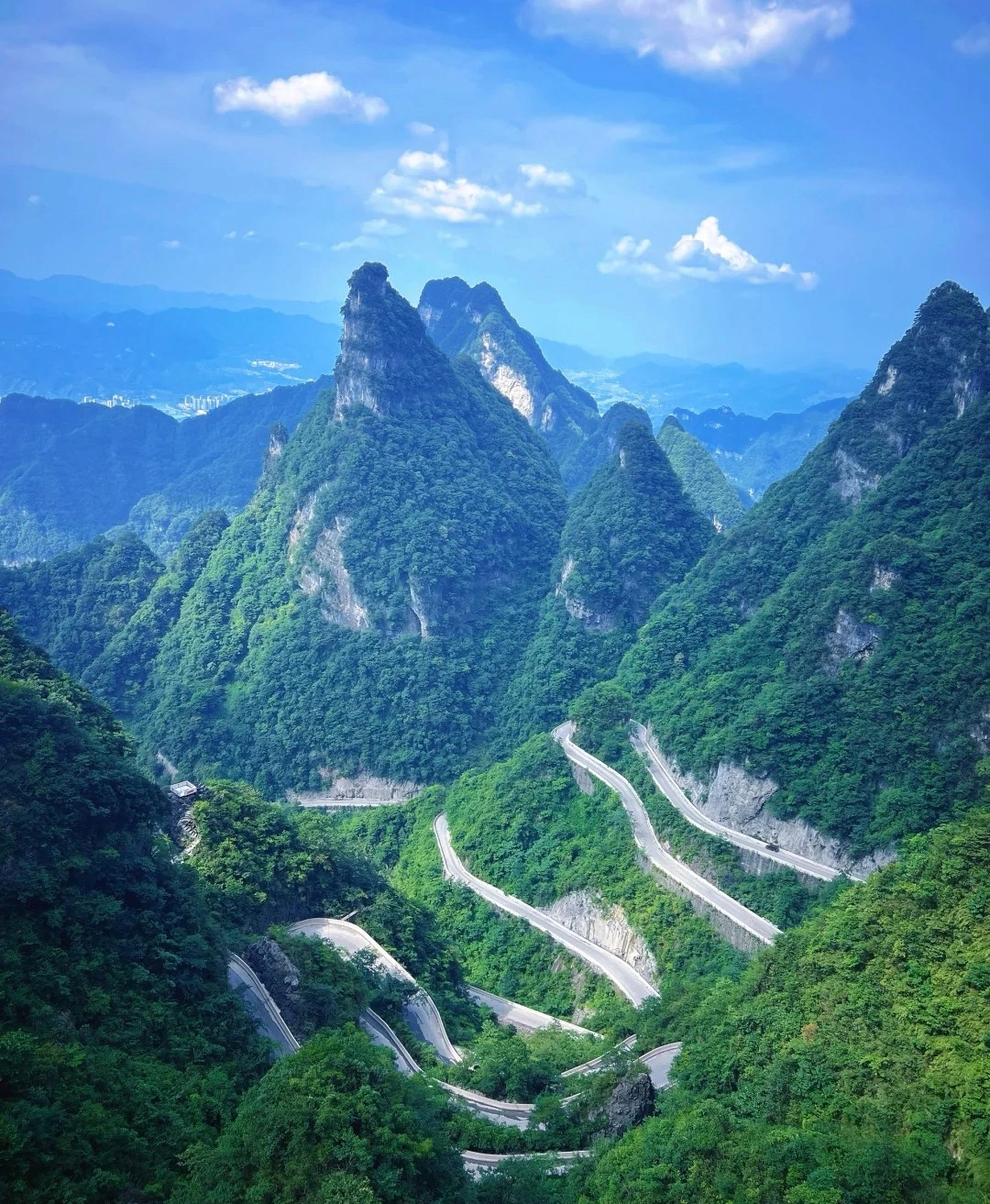
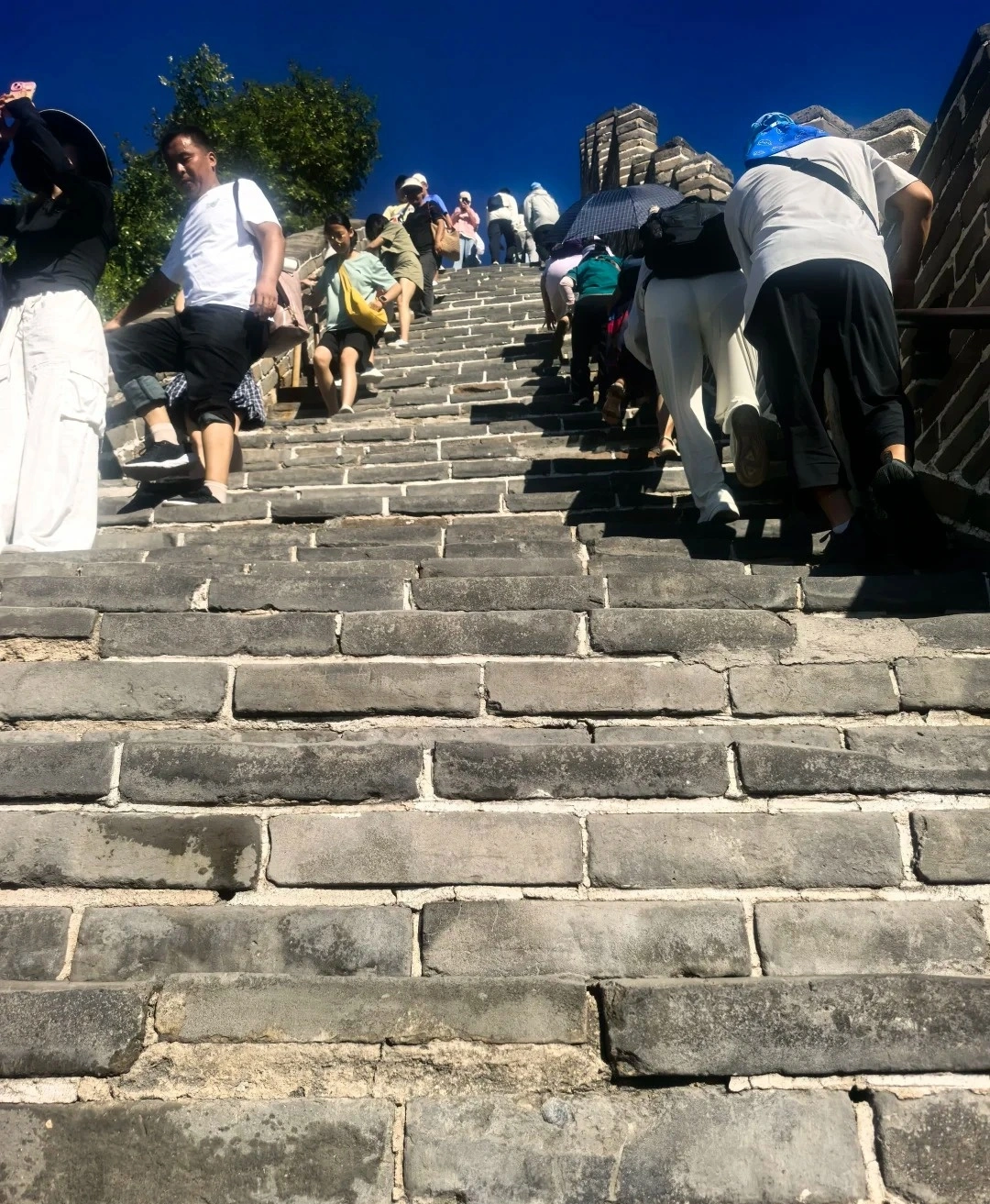
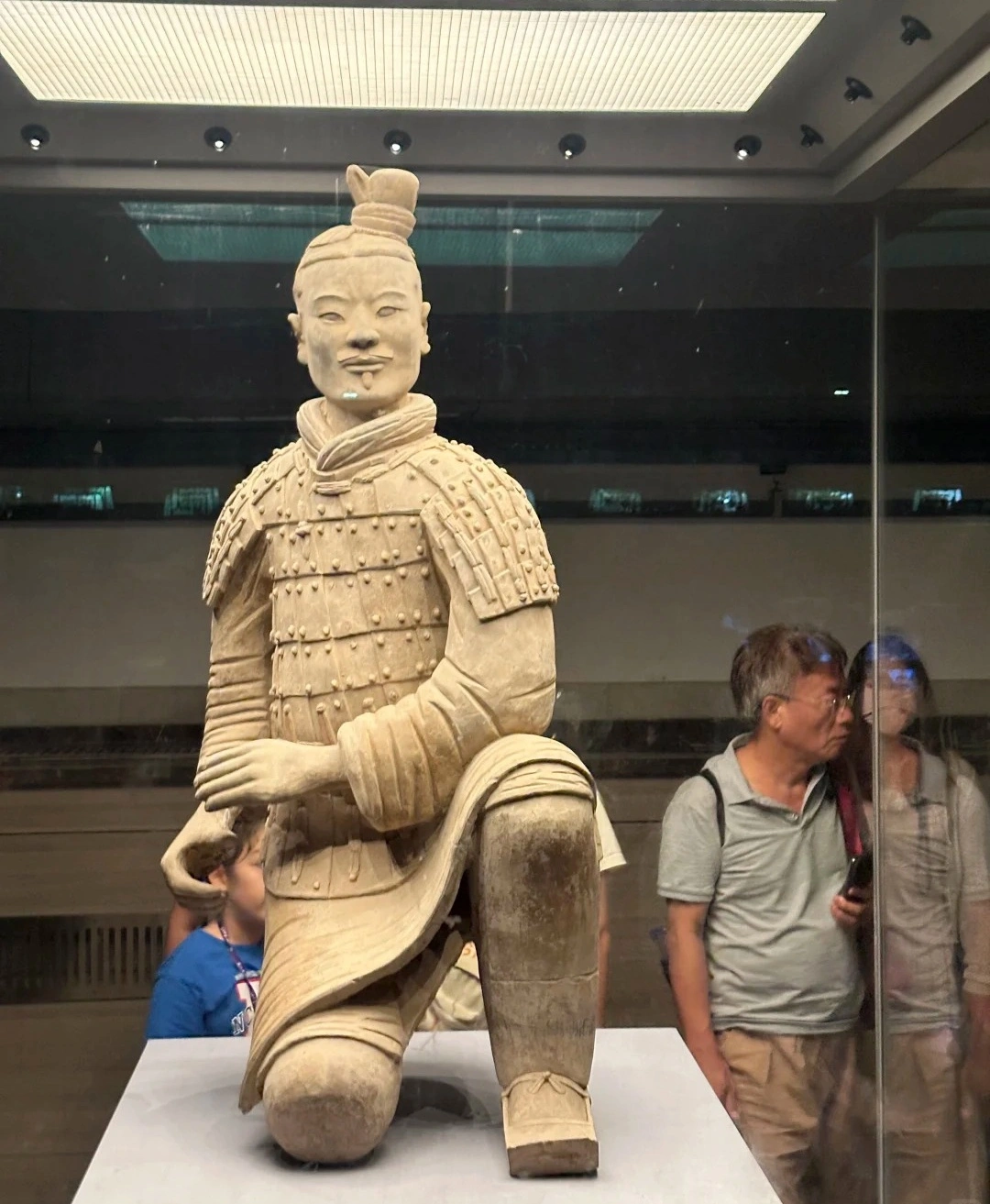
As a solo traveler from Canada, I was nervous about navigating China alone—but this 11-day tour was PERFECT! From hiking the Great Wall at sunrise (Day 3) to gasping at the Terracotta Army (Day 5), every day delivered ‘pinch-me’ moments. The real showstopper? Zhangjiajie’s Avatar Mountains (Day 7)! Our guide made the stone pillars come alive with stories.
Massive thanks for handling all logistics—bullet train tickets, entry passes, car! And the 4-star hotels surprised me.
Destination(s):
Beijing Xian Zhangjiajie Shanghai
Date of
Experience:
June 02,2025

Simon
America
Reviewed on May 29,2025
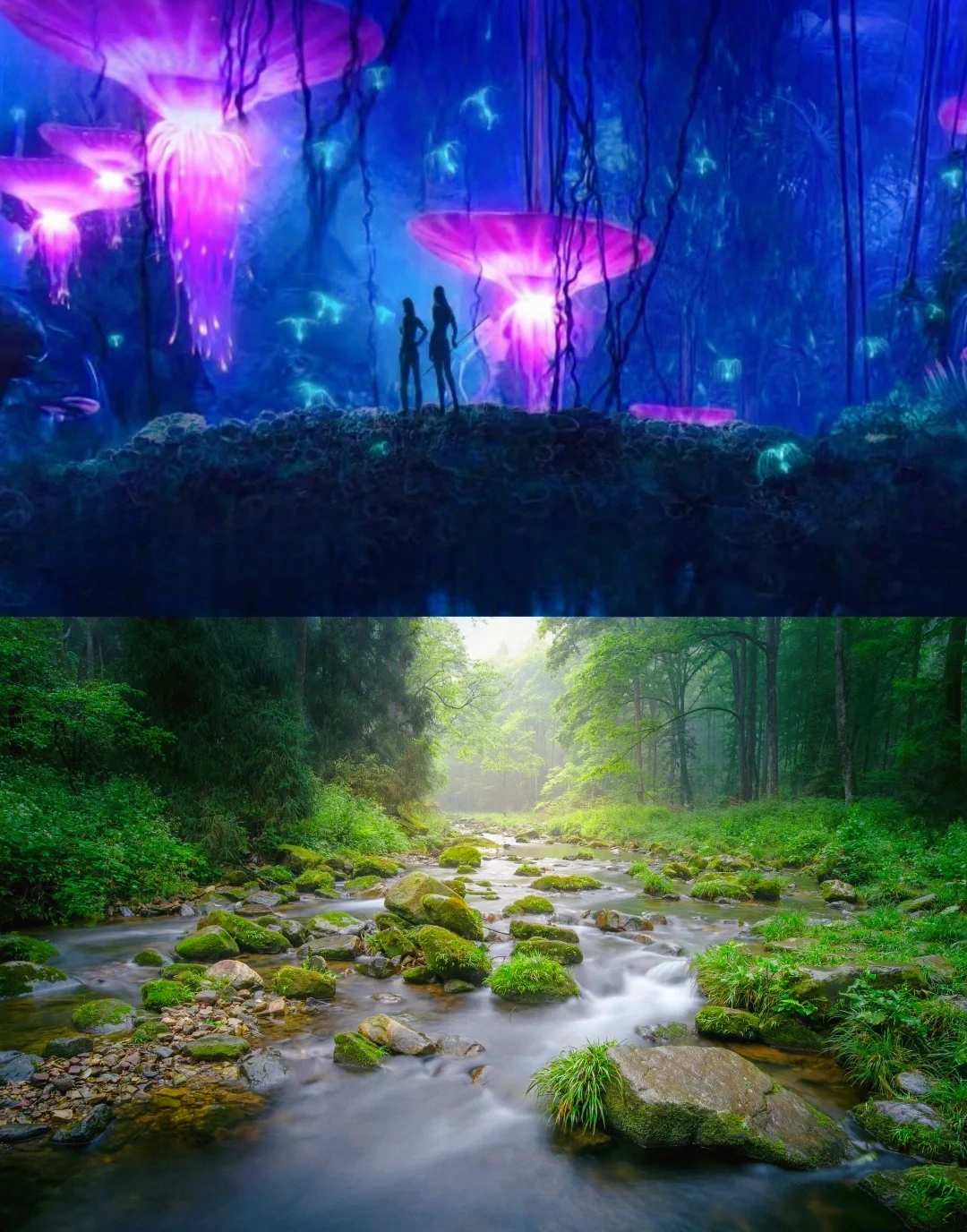
Our 2-day Zhangjiajie tour was beyond spectacular! As someone who’s visited Beijing and Shanghai for work, this trip revealed China’s wild, magical heart. Day 1 in Zhangjiajie National Forest Park felt like stepping onto Pandora—I’m a huge Avatar fan, and Yuanjiajie’s floating peaks left me breathless. The misty pillars and lush valleys like pure movie magic!
Then came Fenghuang Ancient Town, we eat dinner beside the thundering waterfall. It seems Unreal! The night views of stilt houses glowing over the river were straight from a fairy tale.
For fellow Avatar lovers and adventure seekers: Don’t miss this bucket-list experience! 10/10 would return.
A Well-Traveled Film Buff, May 2025
Destination(s):
Zhangjiajie
Date of
Experience:
May 08,2025