

Greetings and Social Etiquette in China: A Practical Guide
A Guide to Making the Right First Impression — by IntoTravelChina
After a decade of guiding international travelers, I have learned that greetings and social etiquette in China set the tone for every interaction that follows. A proper greeting opens doors. A misstep can close them just as quickly. The rules are simple but specific — and mastering them will make you stand out as a traveler who understands and respects the culture. Here is what you need to know before your first handshake in China.
The Handshake and the Greeting
The standard greeting in China is a handshake — but not a firm one. A moderate grip with a slight nod of the head is preferred. An overly firm handshake can feel aggressive, while a limp one can feel uninterested. Aim for the middle. Maintain brief eye contact, then look down slightly as you release — sustained direct eye contact can feel confrontational in formal settings.
The verbal greeting depends on the formality. In casual settings, “ni hao” (hello) with a smile is sufficient. In formal situations, use “nin hao” — the polite form of “you.” Adding the person’s title and surname before the greeting adds another layer of respect: “Wang jingli, nin hao” (Manager Wang, hello). I once introduced a guest from Australia to a senior official in Xi’an. The guest said “nin hao” instead of “ni hao,” and the official’s expression softened immediately. A single syllable signaled respect.
The Business Card Ritual
Business cards are treated with more ceremony in China than in almost any other country. Present your card with both hands, with the text facing the recipient. When receiving a card, take it with both hands, study it briefly — read the name and title — and acknowledge it with a nod before placing it carefully on the table in front of you or into a card case. Never put it directly into your pocket or wallet without looking at it first. Never write on someone’s card in their presence.
I once watched a traveler from the United States named Tom receive a business card from a Chinese partner in Shanghai. Tom glanced at it for half a second and slid it into his back pocket while continuing to talk. The Chinese partner noticed. The meeting never recovered its warmth. Tom had no idea what he had done wrong. The card represents the person in Chinese culture. Treating it carelessly is treating the person carelessly.
Conversation and Personal Questions
Small talk in China follows different rules. Questions about your age, marital status, income, and family are not considered rude — they are normal ways of getting to know you. Do not be offended. Answer briefly and change the subject if you prefer. Safe topics include your travel experiences, Chinese food, the local scenery, and compliments about the culture. Avoid politics, religion, and criticism of China.
A guest from Sweden named Lisa was asked by a Chinese host how much her hotel cost per night. She was taken aback. I explained that the question was not nosy — it was a way of showing concern for her comfort. She answered lightly, and the conversation moved on. What felt like an intrusion to her was a gesture of care to the host. Understanding this difference prevents unnecessary discomfort.
Timing and Queuing
Punctuality matters. Arrive on time for social gatherings and slightly early for business meetings. In queues, expect a tighter physical spacing than you are used to. This is not rudeness — it is a different spatial norm. When entering a room or building, the eldest or most senior person enters first. A simple gesture of stepping back and letting someone else go ahead of you is noticed and appreciated.
Plan Your China Trip with Confidence
At IntoTravelChina, I prepare every guest for the social etiquette they will encounter. I teach them the greetings, the card protocol, and the conversation norms that build trust. I want you to arrive in China knowing exactly how to make a great first impression — because the right greeting is the beginning of every good experience.
IntoTravelChina — Founded 2015. Custom private tours across China. No shopping stops. No shortcuts. Just authentic experiences.
Contact Us
What Our Clients Say?
Based on 10,000+ traveler reviews

Daniel Dorothea
Canada
Reviewed on April 29,2025
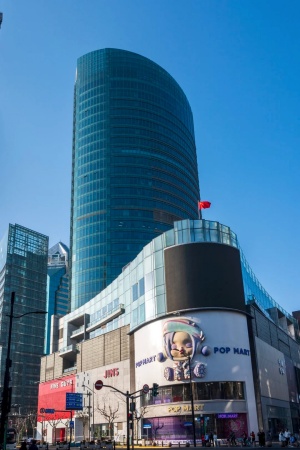
Shopping on Nanjing Road in Shanghai was just amazing! It's truly the "First Commercial Street of China", where tradition and modernity blend perfectly. You can find awesome souvenirs and experience the trendy vibes in cool stores. The neon lights at night are just spectacular, shining bright like Times Square in New York. The food here is incredible too. I had a feast for my taste buds. Shanghai, I'll definitely be back!
Destination(s):
Shanghai
Date of
Experience:
May 08,2024

Elvis Eva
Canada
Reviewed on June 20,2025
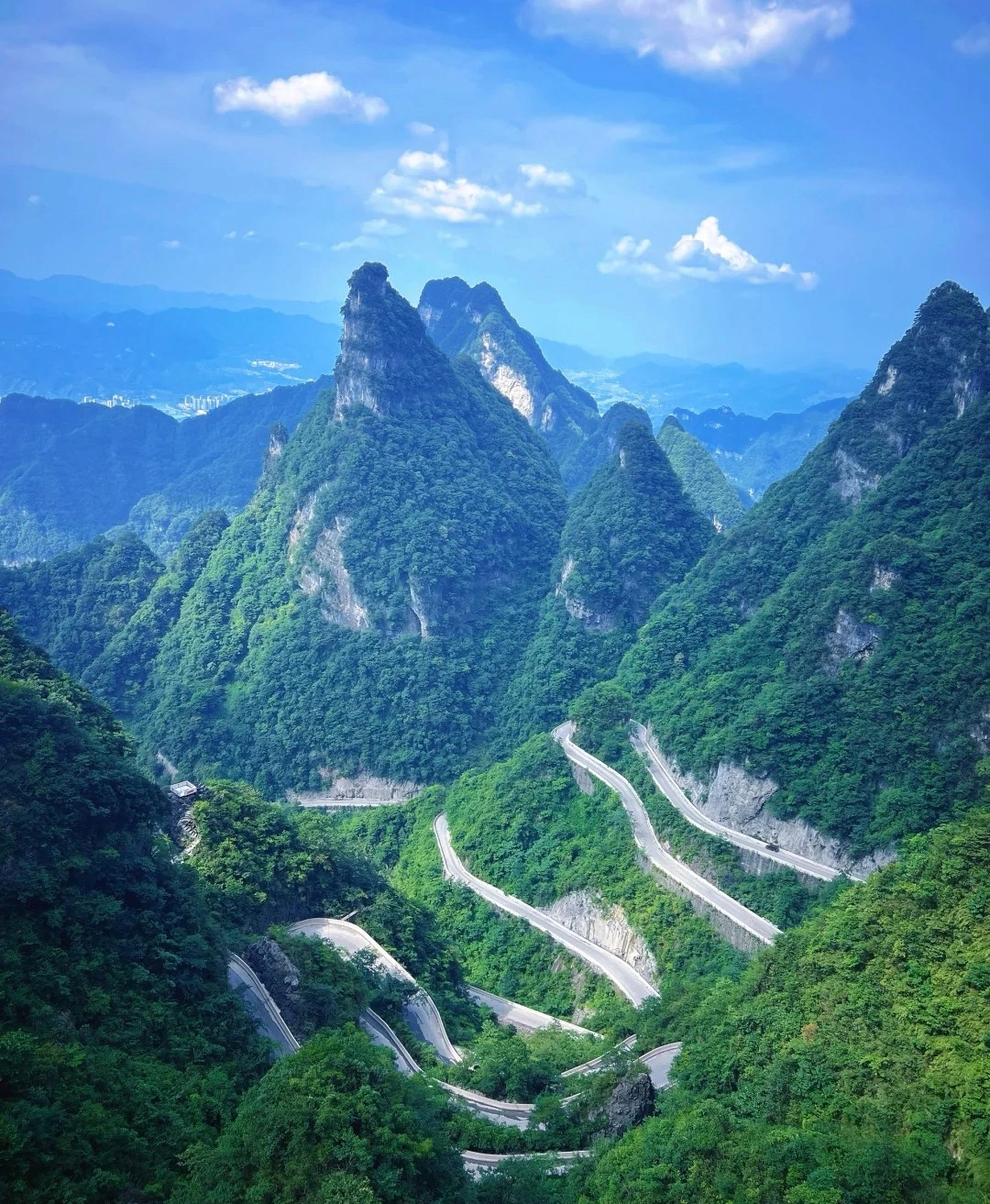
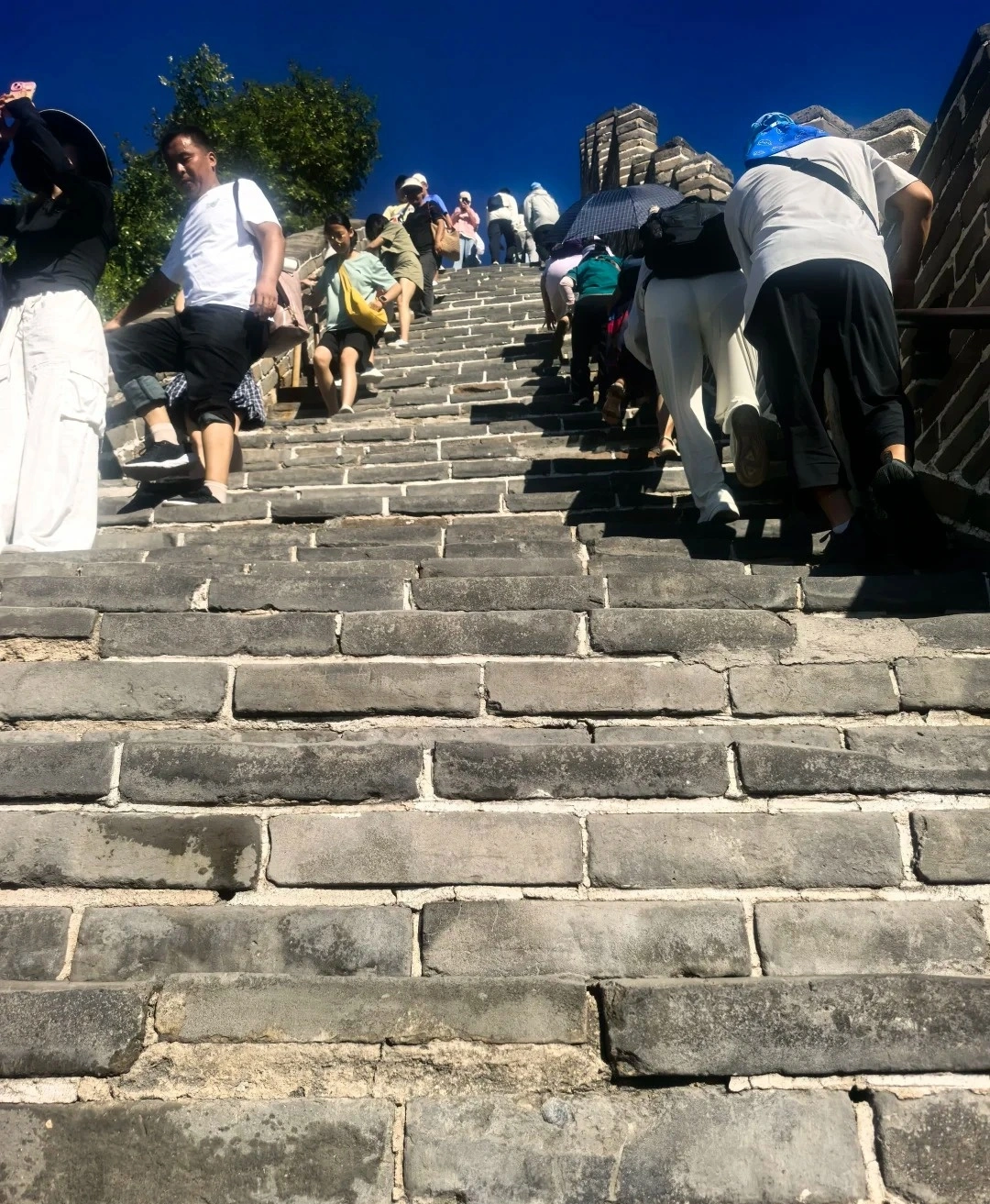
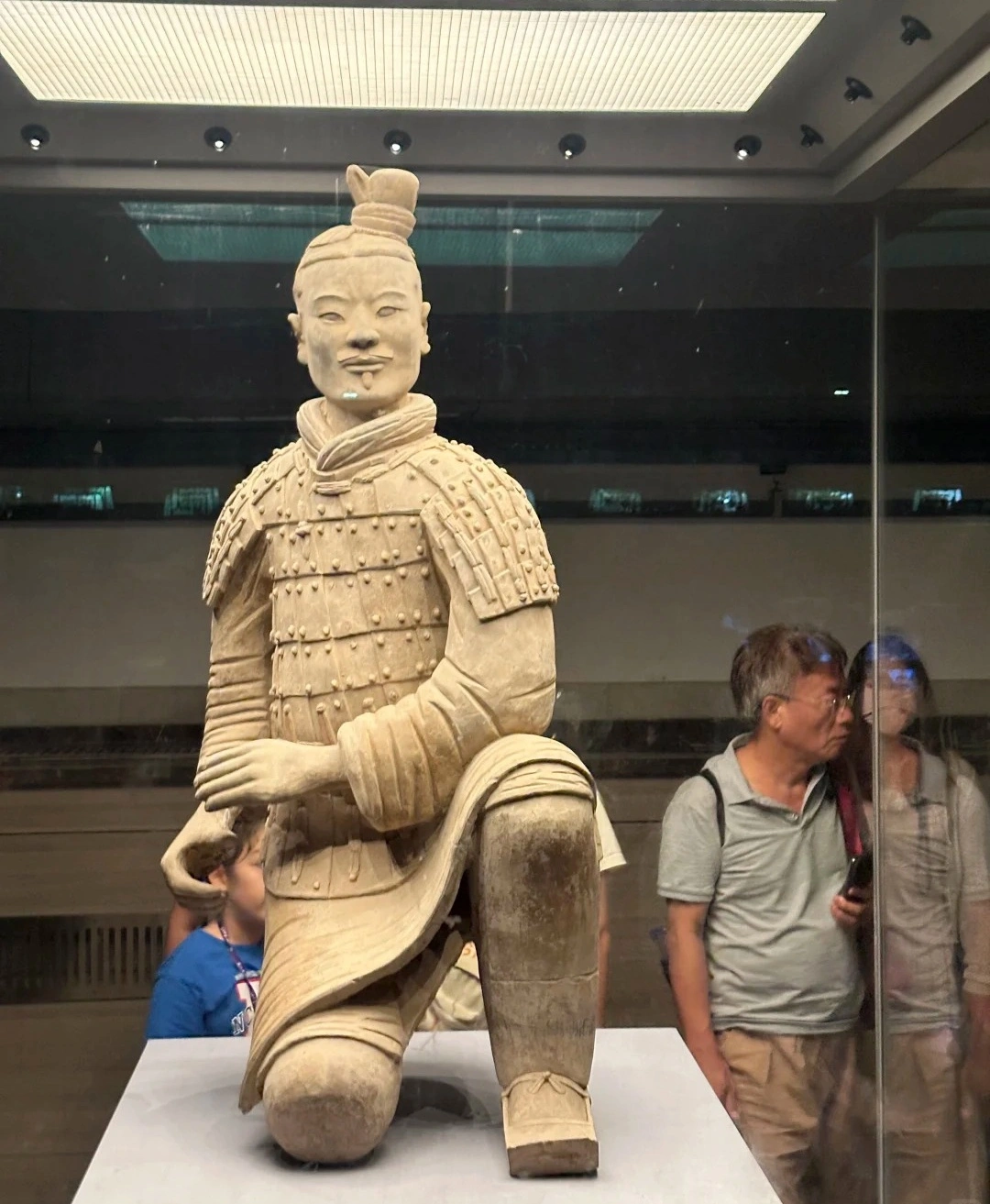
As a solo traveler from Canada, I was nervous about navigating China alone—but this 11-day tour was PERFECT! From hiking the Great Wall at sunrise (Day 3) to gasping at the Terracotta Army (Day 5), every day delivered ‘pinch-me’ moments. The real showstopper? Zhangjiajie’s Avatar Mountains (Day 7)! Our guide made the stone pillars come alive with stories.
Massive thanks for handling all logistics—bullet train tickets, entry passes, car! And the 4-star hotels surprised me.
Destination(s):
Beijing Xian Zhangjiajie Shanghai
Date of
Experience:
June 02,2025

Simon
America
Reviewed on May 29,2025
Our 2-day Zhangjiajie tour was beyond spectacular! As someone who’s visited Beijing and Shanghai for work, this trip revealed China’s wild, magical heart. Day 1 in Zhangjiajie National Forest Park felt like stepping onto Pandora—I’m a huge Avatar fan, and Yuanjiajie’s floating peaks left me breathless. The misty pillars and lush valleys like pure movie magic!
Then came Fenghuang Ancient Town, we eat dinner beside the thundering waterfall. It seems Unreal! The night views of stilt houses glowing over the river were straight from a fairy tale.
For fellow Avatar lovers and adventure seekers: Don’t miss this bucket-list experience! 10/10 would return.
A Well-Traveled Film Buff, May 2025
Destination(s):
Zhangjiajie
Date of
Experience:
May 08,2025