
Dress Code and Appearance in China: A Practical Traveler’s Guide
A What-to-Wear Guide — by IntoTravelChina
Over the years, I have helped hundreds of travelers pack for China, and the most common mistake is not knowing what local norms expect. Dress code and appearance in China are not complicated, but they differ from Western habits in ways that matter. Dressing appropriately will make you more comfortable, more confident, and more welcome. Dressing without thought can make you stand out for the wrong reasons. Here is what I tell every guest before they arrive.
The Golden Rule: Cover Shoulders and Knees at Temples
This is the single most important dress rule in China. Buddhist temples and monasteries require visitors to cover their shoulders and knees — regardless of the weather or temperature. I have seen travelers turned away at temple gates for wearing sleeveless tops or shorts, even on 35°C days. A lightweight scarf or shawl in your day bag is a simple solution. For men, long trousers or at least knee-length shorts paired with a shirt that covers the shoulders are sufficient. For women, a dress or skirt below the knee with a light cardigan works perfectly.
I once arrived at the Lingyin Temple in Hangzhou with a guest from Brazil named Luisa. She was wearing a sleeveless summer dress. The attendant at the gate politely but firmly refused entry. A vendor nearby sold thin shawls for $3. Luisa bought one, wrapped it around her shoulders, and was let in. She laughed about it afterward, but the lesson stuck: always carry a cover-up in your bag when visiting temples or religious sites in China.
How Locals Dress in Cities
Chinese urban fashion is modern and stylish. In cities like Shanghai, Beijing, and Chengdu, people dress similarly to their counterparts in London, Tokyo, or New York — slim-cut jeans, smart casual wear, designer sneakers, and clean, minimalist styles. Bright, flashy clothing is uncommon. Most Chinese prefer neutral colors and understated elegance. As a traveler, you do not need to dress up, but avoiding overly revealing or overly casual clothing will help you blend in and be treated with more respect.
In rural areas and smaller towns, dressing more conservatively is appreciated. Shorts are less common, especially among women. Shoulder-baring tops are rare. I tell my guests: when in doubt, dress one notch more conservatively than you would at home. You will never be overdressed for showing respect.
Practical Considerations for Travel
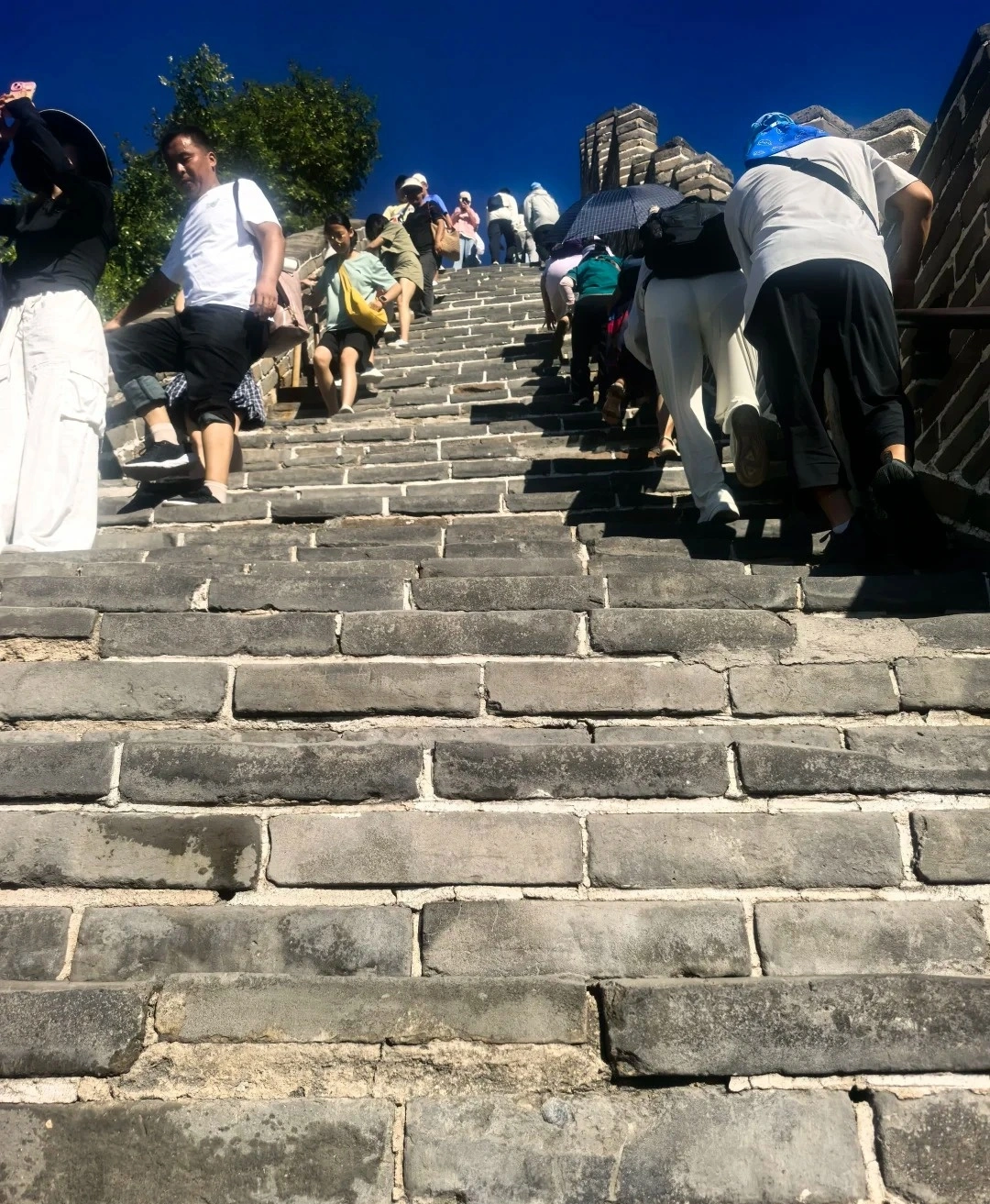
Comfortable walking shoes are non-negotiable. You will walk more in China than you expect — 15,000 to 20,000 steps per day is normal on a guided tour. Broken-in sneakers or walking shoes with good grip are essential. Do not bring new shoes. I have seen blisters ruin travel days more times than I can count.
Layers are your best friend. China’s climate varies enormously by region and season. A single day can move from a cool morning to a hot afternoon to a breezy evening. A light jacket or hoodie that you can tie around your waist is the most versatile item you can pack. Sun protection is also a daily consideration — wide-brimmed hats, sunglasses, and sunscreen are used by locals as much as tourists. In summer, you will see Chinese women carrying umbrellas for shade, which is perfectly normal and practical.
What Not to Wear
Avoid clothing with political slogans, offensive graphics, or large logos. Avoid pajamas or loungewear in public — while some locals wear pajamas on the street in residential areas, this is not a practice visitors should copy. Swimwear is for the beach or pool only, not for walking around. And as mentioned, temple entry requires covered shoulders and knees — this rule is strictly enforced at major temples across the country.
Plan Your China Trip with Confidence
At IntoTravelChina, I send every guest a packing guide tailored to their destinations and season. I tell them exactly what to bring, what to leave at home, and how to dress for every situation they will encounter. I want you to arrive in China looking and feeling right — because when you dress appropriately, you are already showing respect before you say a single word.
IntoTravelChina — Founded 2015. Custom private tours across China. No shopping stops. No shortcuts. Just authentic experiences.
Contact Us
What Our Clients Say?







Ask us before you decide.
Unsure about a route, departure date or room option? Tell us what is holding up your plans. You will get a clear answer from our China-based travel team—no booking required.