

How Much Does a Trip to China Cost in 2026? An Honest Breakdown
A Transparent Travel Expenses Guide — by IntoTravelChina
I have been helping international travelers plan their China trips since 2015, and the single question I hear most often is this: what should I budget? Travel expenses in China in 2026 vary dramatically depending on your travel style, but here is the honest truth — a comfortable two-week trip to China costs between $2,500 and $5,000 per person, including international flights, accommodation, food, transport, and attraction fees. That range covers everything from a solid mid-range experience to a more indulgent itinerary with upgraded hotels and private guides.
Where Your Money Goes: Breaking Down the Costs
International flights are the single biggest line item. A round-trip ticket from the United States to Beijing, Shanghai, or Guangzhou in August 2026 runs between $800 and $1,500 in economy class, depending on your departure city and how early you book. From Europe, expect $500 to $900. From Southeast Asia, $200 to $500. I always tell my guests: book at least ten weeks ahead and avoid July’s peak if you can — I have seen families save over $400 per ticket simply by shifting their dates by two weeks.
China’s visa is another fixed cost. The standard L-visit visa for most nationalities costs between $85 and $185, depending on processing speed and entry type (single vs. multi-entry). As of 2026, citizens of several countries — including France, Germany, Italy, the Netherlands, Spain, Malaysia, and Singapore — enjoy visa-free access for up to 15 days. Always check the latest policy before budgeting.
Accommodation: The Price Spectrum Across China
One of the biggest myths about China is that good hotels are expensive. In reality, mid-range three-star hotels in city centers cost $50 to $90 per night. Four-star business hotels run $90 to $160. International five-star chains start at $180 and can climb above $400 in Shanghai and Beijing during peak season.
I once helped a retired couple from Toronto — the Watsons — plan a 21-day trip across eight cities on a $120-per-night accommodation budget. By choosing well-rated local hotel chains like Atour and Ji Hotel instead of international brands, they stayed in clean, centrally located rooms for $55 to $85 per night. The savings paid for their private guide in Xi’an. The lesson: local chains in China often offer better value than their global competitors at the same price point.
Budget travelers can find clean hostels and guesthouses for $15 to $35 per night in most cities. Luxury travelers will find world-class options — the Aman Summer Palace in Beijing, for instance, starts around $800 per night.
Daily Expenses: Food, Transport, and Entry Fees
Daily expenses in China are surprisingly affordable for international travelers. A proper meal at a local restaurant costs $3 to $8. Mid-range dining runs $12 to $25 per person. High-end dining in first-tier cities can reach $60 to $120 per person, but this is not the norm.
Public transportation is where China truly shines for budget-conscious travelers. A metro ride costs $0.30 to $0.80. High-speed rail between major cities — say, Beijing to Shanghai, 1,318 kilometers in 4.5 hours — costs $80 in second class and $140 in first class. Domestic flights between major hubs often cost $60 to $120 one-way.
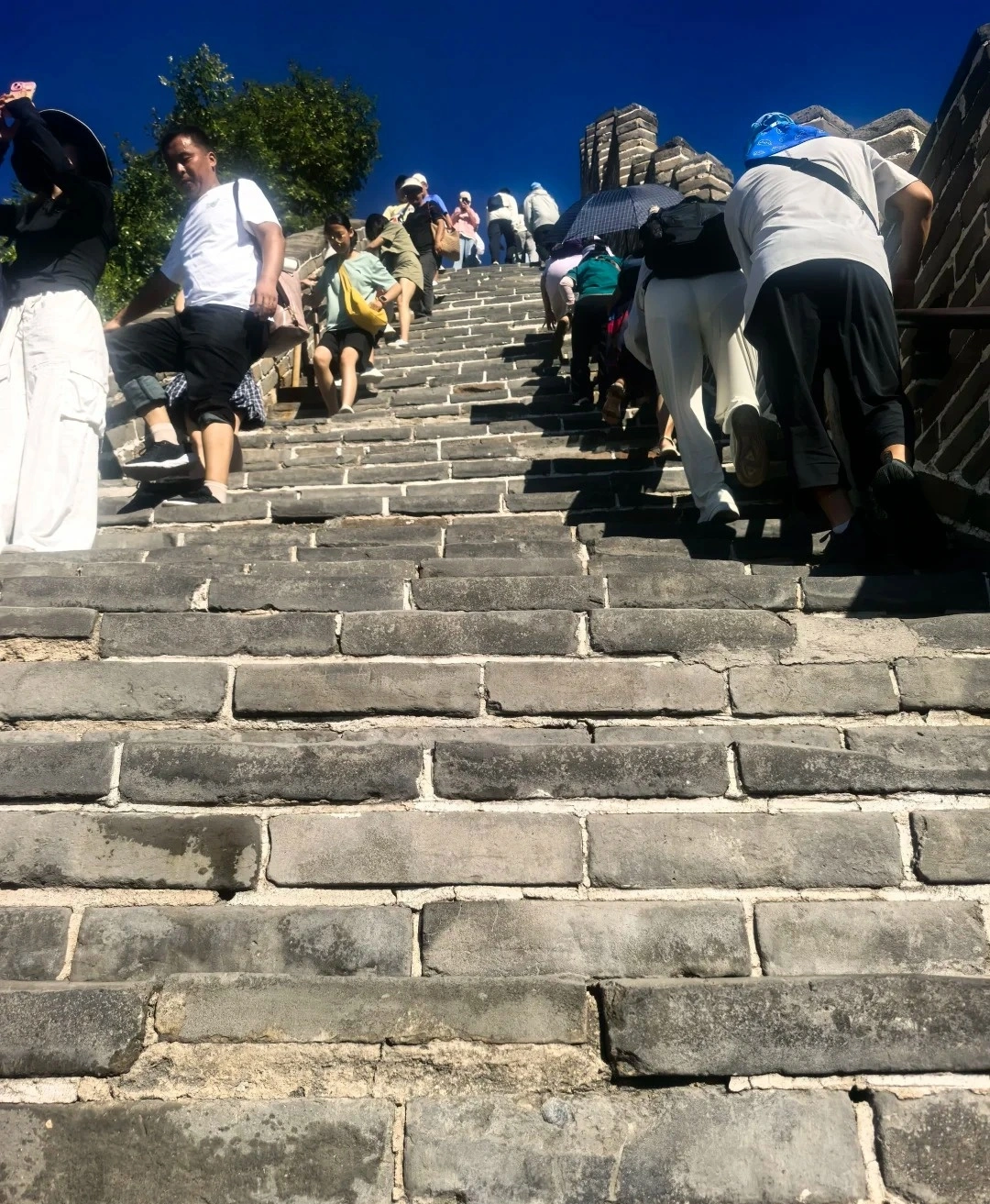
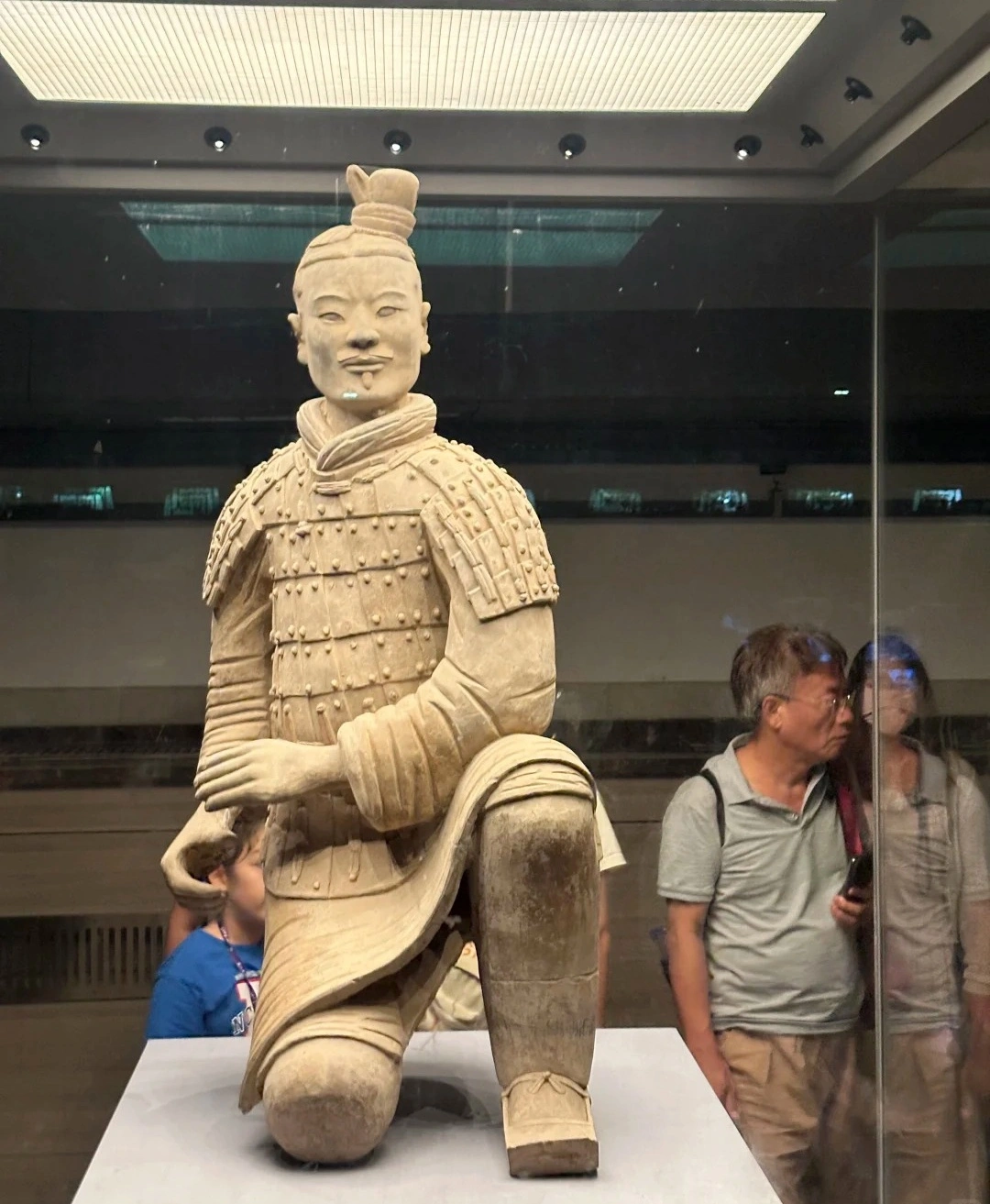
Attraction entry fees are modest by global standards. The Forbidden City charges $10 in peak season. The Great Wall at Mutianyu costs about $7. The Terracotta Warriors are $22. Most temples and parks cost $3 to $8. A full day of sightseeing rarely exceeds $35 in entry fees.
The Costs Most Guides Don’t Mention
A few expenses catch first-time visitors off guard. Tips are not expected in China — no need to budget for them. However, some high-end restaurants add a 10 to 15 percent service charge. International ATM fees can add up; I recommend bringing a card that reimburses foreign transaction fees. Mobile payment platforms like Alipay and WeChat Pay are now fully accessible to international visitors using their foreign credit cards, which eliminates the need to carry large amounts of cash.
The biggest hidden saving is this: you do not need to book every detail through international websites. Domestic platforms like Ctrip, Fliggy, and Meituan consistently offer lower prices on hotels, tours, and attraction tickets than their global counterparts. A hotel room listed at $120 on Booking.com might be $85 on Ctrip. I encourage every guest to compare across platforms or ask my team to handle the booking — we source local rates automatically.
In total, a well-planned 14-day trip to China — including flights, visa, mid-range accommodation, daily meals, transport, attractions, and one private guide for three days — comes to roughly $3,200 to $4,800 per person. A budget version using hostels, street food, and public transport can drop to $1,800 to $2,500. A luxury version with five-star hotels and a full-time private guide starts around $6,000.
Plan Your China Trip with Confidence
At IntoTravelChina, I build every itinerary around your actual budget — not a one-size-fits-all package. I know exactly where your money goes because I have been doing this for over a decade. I will tell you when spending more matters and when it does not. Whether you are traveling on a backpacker’s budget or planning a luxury journey, I will make sure every dollar you spend goes toward the experience you came for — not shopping stops, not inflated commissions, but real, memorable encounters with China.
IntoTravelChina — Founded 2015. Custom private tours across China. No shopping stops. No shortcuts. Just authentic experiences.


Contact Us
What Our Clients Say?







Ask us before you decide.
Unsure about a route, departure date or room option? Tell us what is holding up your plans. You will get a clear answer from our China-based travel team—no booking required.